Category: Hairstyles

  • 12 Easy Medium Hairstyles for Older Women That Respect Your Morning

    12 Easy Medium Hairstyles for Older Women That Respect Your Morning

    Let us be honest about something: not every woman wants to spend twenty minutes with a round brush and a blow dryer. Some mornings, you want to wash, towel-dry, and walk out the door. Other mornings, you have five minutes — maybe ten — and that is it. The good news is that easy medium hairstyles for older women exist.

    They are cuts that look intentional with minimal effort, respect mature hair texture, and do not require a drawer full of products. Medium length — from the chin to the collarbone — is the sweet spot for low-maintenance styling. It is long enough to behave itself, short enough to dry quickly, and forgiving enough to look good even on days when you do nothing at all.

    For women over sixty, finding a hairstyle that fits into real life is just as important as finding one that looks beautiful. The twelve cuts below deliver both. They work with your natural texture, require minimal daily effort, and put the focus where it belongs: on you.

    Here are twelve easy medium hairstyles for older women that work with your morning, not against it.


    1. The Wash-and-Go Blunt Lob

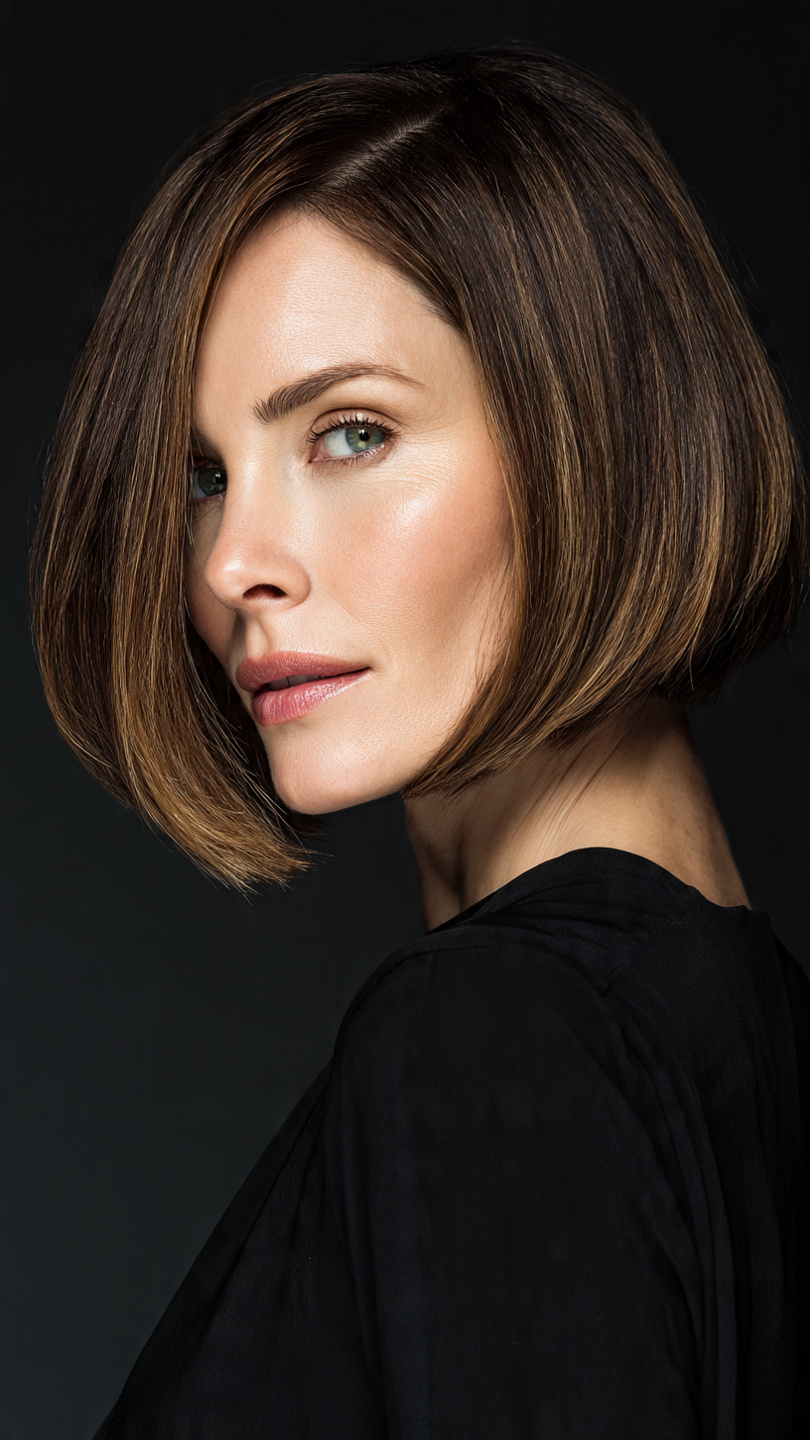
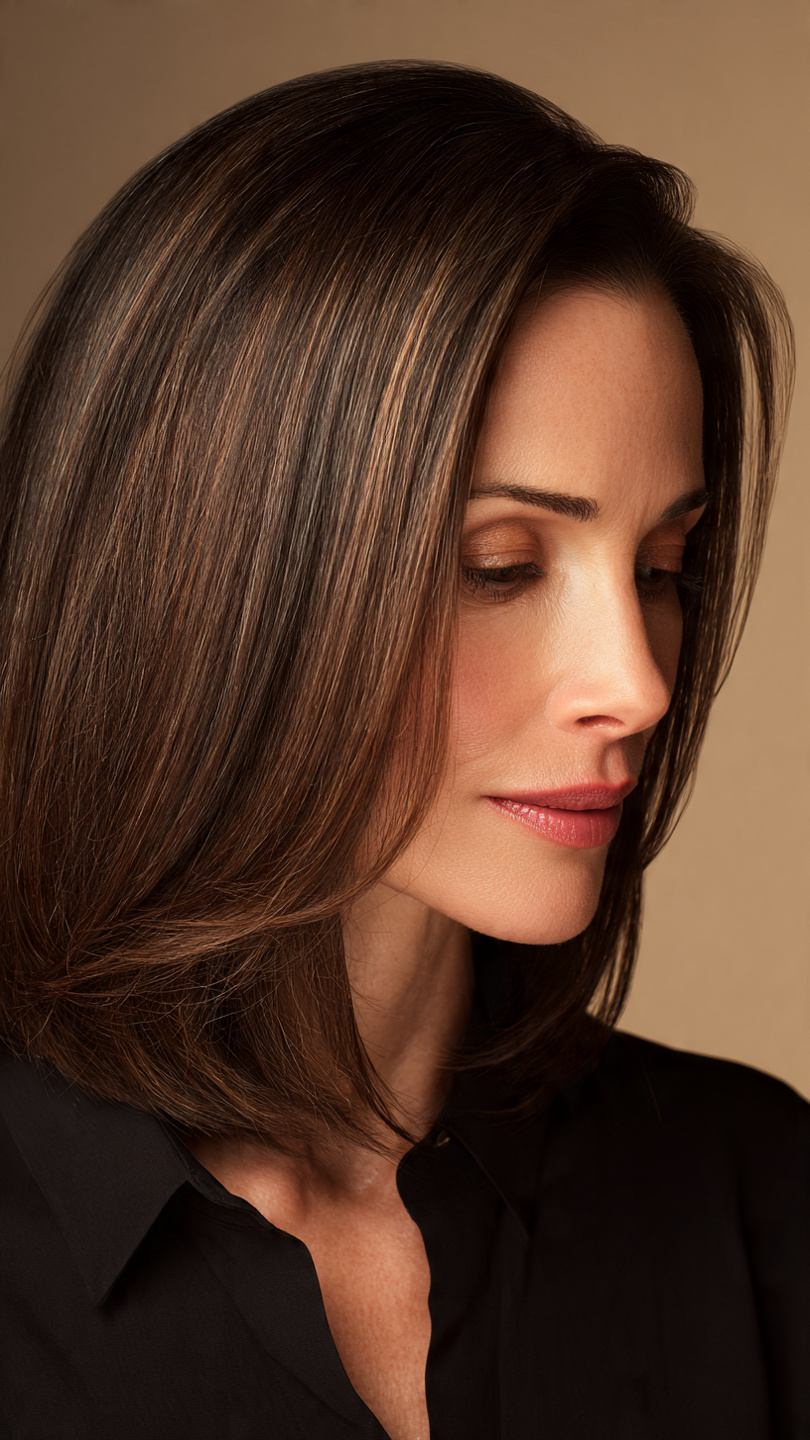
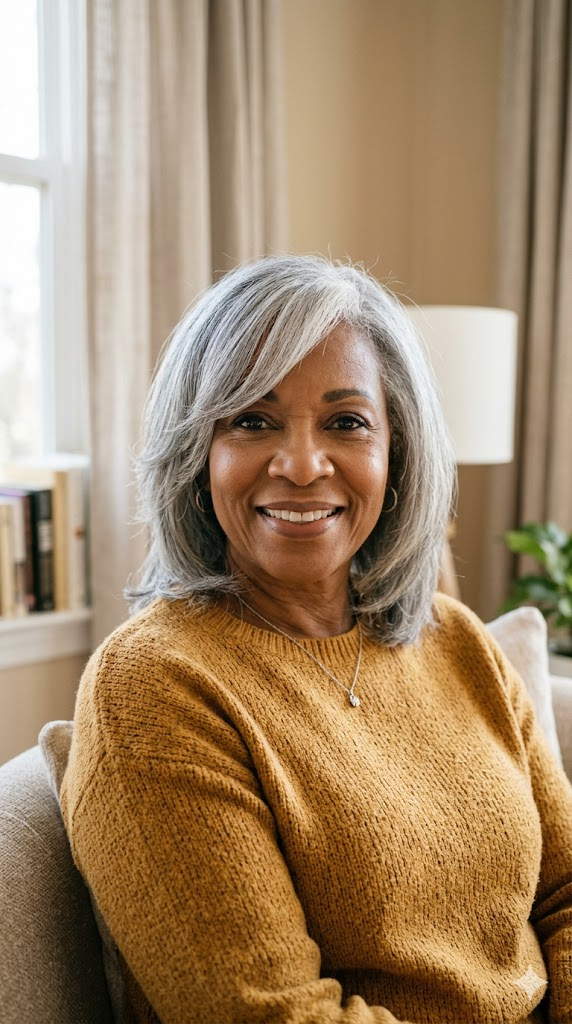
    The blunt lob is the ultimate low-maintenance cut for older women. It hits at the collarbone, features no layers whatsoever, and requires almost no styling.

    Why is it so easy? Because a blunt cut falls into place naturally. There are no layers to flip outward or tuck back in. No choppy pieces to misbehave. Just a clean, straight line that looks deliberate whether you air dry or blow-dry.

    The blunt lob is particularly flattering for women with fine or thinning hair because the solid perimeter creates the illusion of density. The ends gather together and appear thicker than they actually are. It is a simple optical illusion, and it never fails.

    To style, wash your hair, towel-dry gently, and apply a lightweight leave-in conditioner. Then let it air dry. That is it. If you have five minutes, run a flat iron over the ends for polish. If you have zero minutes, walk out with wet hair — it will dry into a sleek, modern shape.

    Who it flatters most: Almost everyone. The blunt lob is universally flattering across face shapes.

    Styling time: Zero minutes for air drying, five for flat ironing.


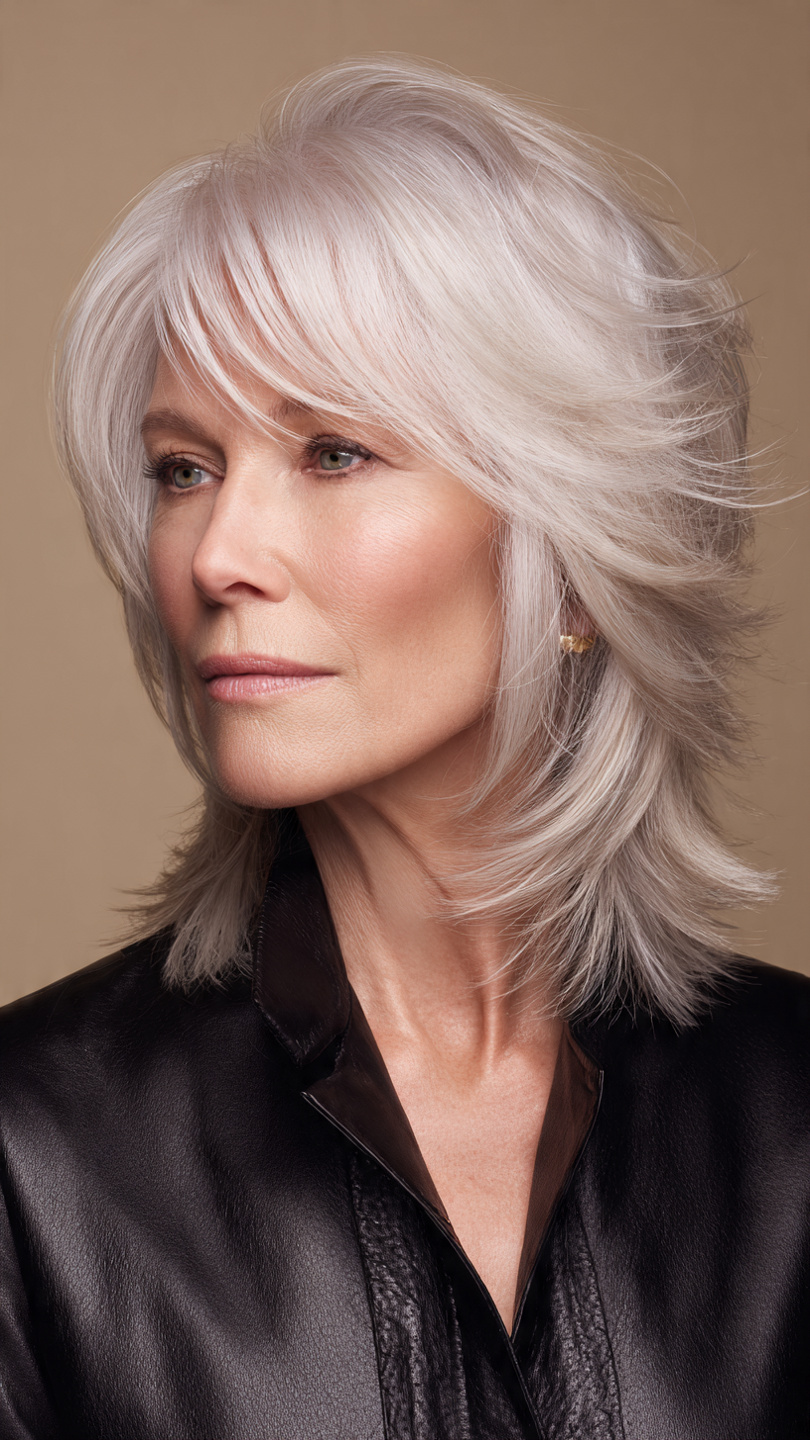
    2. The Air-Dry Shag

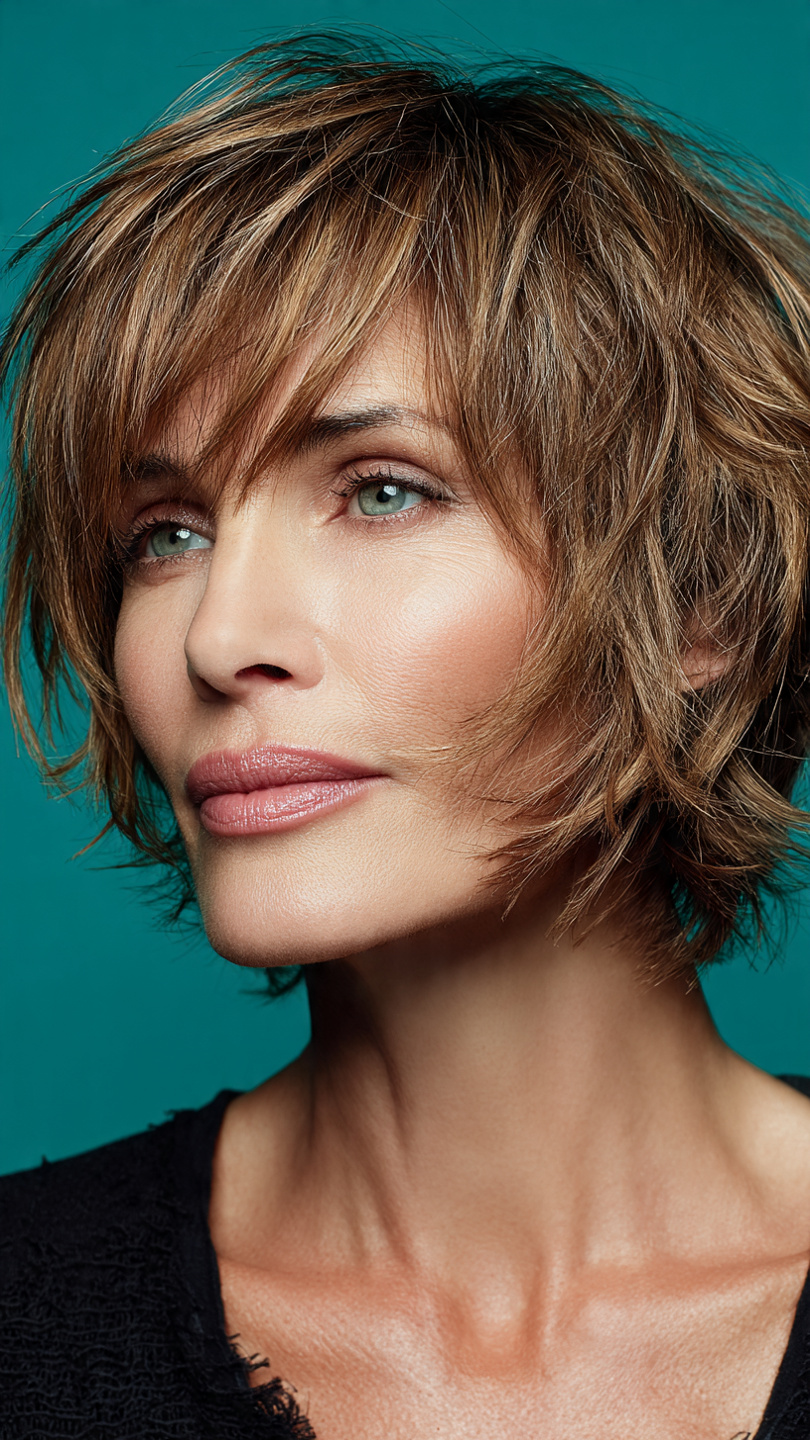
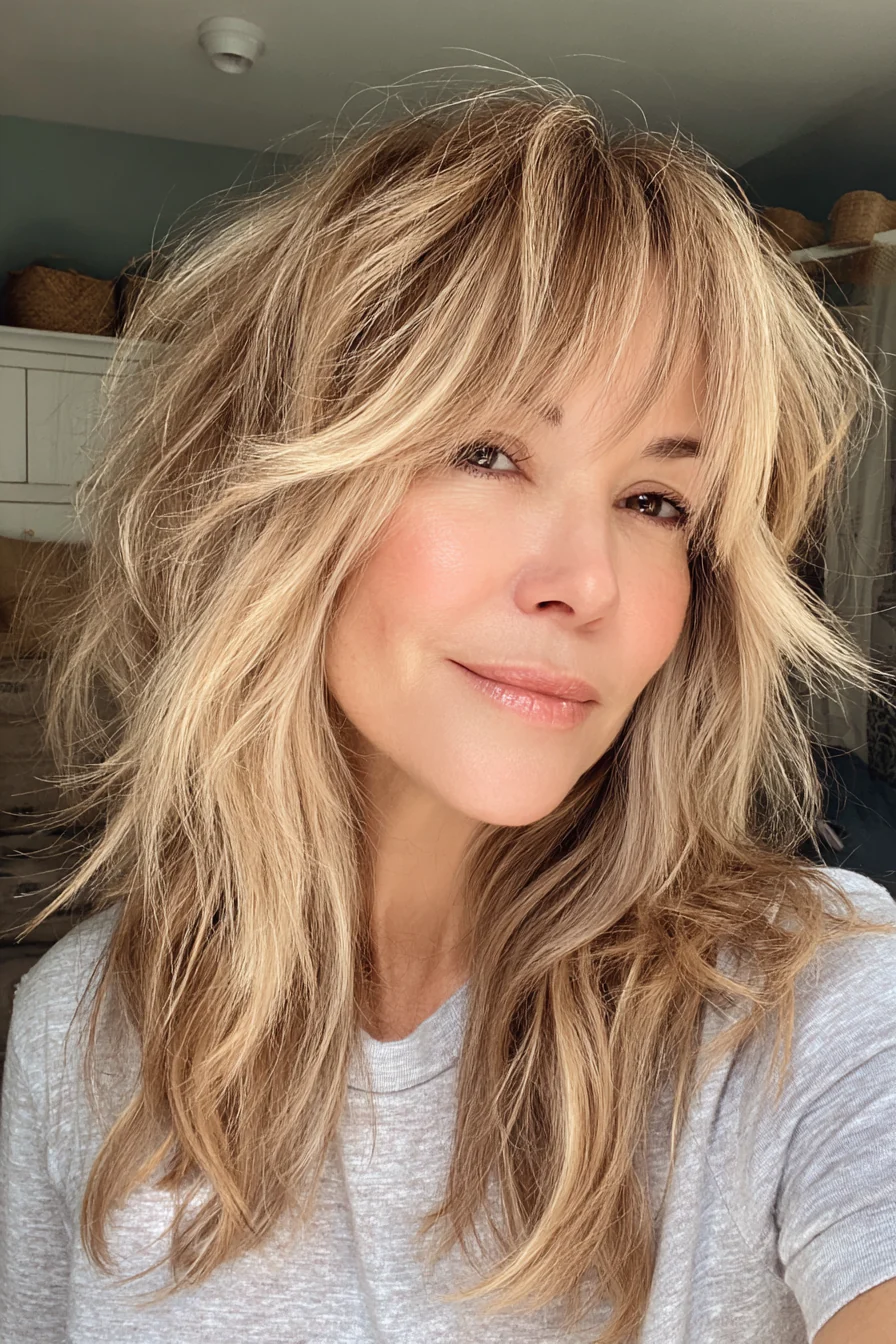
    The shag has a reputation for being high-maintenance, but the modern air-dry version is the opposite. The key is asking your stylist for soft, elongated layers that are cut to follow your natural wave pattern.

    This cut features gentle layers throughout the entire head, plus a soft fringe (bangs) that can be worn straight across or swept to the side. The layers are cut using point cutting, where the scissors snip vertically into the ends rather than horizontally across them. That technique creates soft, wispy edges that catch light and create movement — without requiring any heat to activate them.

    When the cut is right, you can wash, add a small amount of sea salt spray or lightweight mousse, scrunch with a microfiber towel, and walk away. As your hair dries, the layers will settle into soft, piece-y movement without any heat or effort.

    The air-dry shag works best on hair that has a little natural wave or bend. Stick-straight hair may need a few minutes of scrunching to encourage texture, but the cut still delivers.

    Who it flatters most: Women with naturally wavy or slightly curly hair.

    Styling time: Three minutes of scrunching, then air dry.


    3. The One-Length Curtain Cut

    The one-length curtain cut is deceptive. It looks like you spent time styling it, but the truth is that the shape does all the work.

    In this style, the hair is cut to one length at the collarbone, with the front pieces left slightly longer than the back. Those longer front pieces naturally sweep away from the face on both sides, creating a soft, open curtain effect. No curling iron required. No hairspray needed. The cut itself creates the shape.

    The one-length curtain cut works beautifully for older women because the open front is warm and welcoming, softening facial features without hiding them. The absence of layers keeps the perimeter solid and dense-looking, which is excellent for fine or thinning hair.

    To style, simply wash, towel-dry, and let the front pieces fall where they want. If they need encouragement, a quick finger-comb while damp is plenty. For a more polished finish, use a flat iron to gently curve the front pieces away from the face.

    Who it flatters most: Almost every face shape. The open front is universally flattering.

    Styling time: Two minutes of finger-combing, then air dry.


    4. The Textured Ends Cut

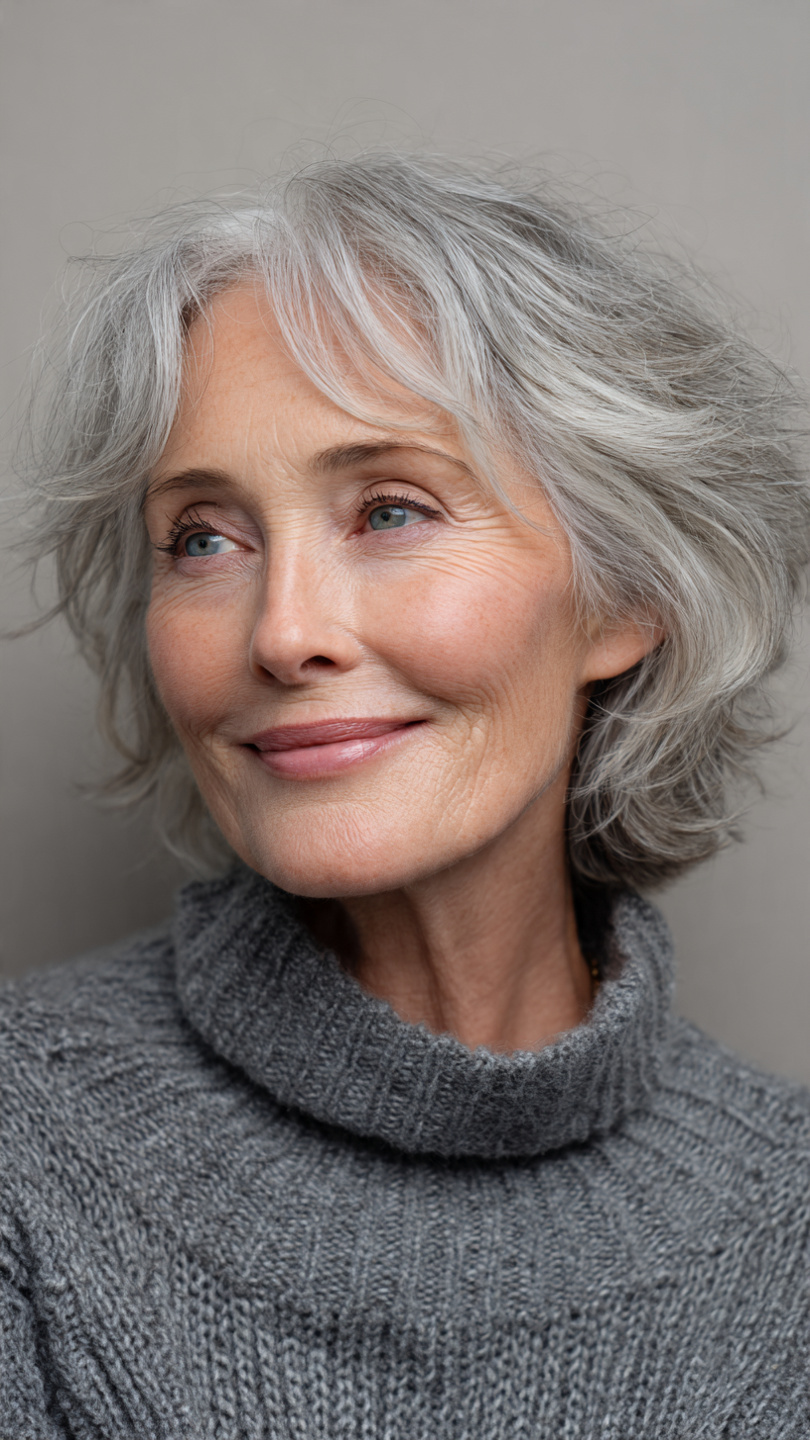
    This cut keeps most of the hair smooth and one-length, then adds soft texture only to the last inch of the ends. Those textured ends are cut with point shears to create feathered tips that blend together naturally.

    The beauty of this cut is that it hides uneven ends. Older hair often develops irregular, see-through tips, which can look messy even when freshly washed. Textured ends disguise that transparency. The soft tips move together, so you never have to worry about stringy, separated ends.

    This cut is ideal for women who want to keep medium length but need help avoiding the worn look that fine hair can develop as it ages. The textured ends add movement and life without requiring any additional styling effort.

    Styling is simple: air dry or rough dry with fingers. No round brush needed. The textured ends will fall into place on their own. A lightweight leave-in conditioner is all the product you need.

    Who it flatters most: Women with fine, straight hair that tends to show every uneven end.

    Styling time: Three minutes of rough drying, or zero for air drying.


    5. The Deep Side Part Lob

    Sometimes the easiest change is also the most effective. This cut is just a medium blunt lob — but worn with an extreme deep side part.

    The deep side part instantly lifts the roots on the lighter side. When your hair is pushed to one side, the lighter side stands up naturally, creating genuine volume without any product. No teasing. No backcombing. Just a comb and ten seconds of your time.

    This style is particularly flattering for women with round faces because the deep side part breaks up facial symmetry and adds length. The diagonal line created by the part draws the eye diagonally across the face, which is universally slimming.

    To maximize the effect, ask your stylist to cut the lob with a slight asymmetry: slightly shorter on the heavier side of the part, slightly longer on the lighter side. That subtle difference enhances the volume even further. For everyday styling, simply create the part with a tail comb and blow-dry the roots on the lighter side upward for thirty seconds.

    Who it flatters most: Women with round faces or who want to add instant volume.

    Styling time: Two minutes. Create the part, then go.


    6. The Messy Bun Ready Cut

    Not every hairstyle needs to be worn down. Sometimes the easiest thing to do with medium length hair is pull it up. But not all medium cuts work well in a bun. This one does.

    Ask your stylist for a medium length cut with long layers that start at the cheekbone. Those layers allow you to gather your hair into a loose, messy bun without pieces falling out or looking awkward. The length should hit at or just below the collarbone — long enough to twist, short enough to stay put.

    The messy bun is a favorite among older women because it is elegant, effortless, and keeps hair off the neck. It also disguises second-day hair beautifully. If you did not wash your hair that morning, a messy bun is your best friend.

    To style, gather your hair at the crown, twist loosely, and secure with a claw clip or hair tie. Pull out a few face-framing pieces for softness. The whole process takes under a minute. For a more polished version, smooth the top with a boar bristle brush before twisting.

    Who it flatters most: Women who want the option to wear their hair up on busy days.

    Styling time: One minute for the bun.


    7. The No-Fuss Inverted Bob

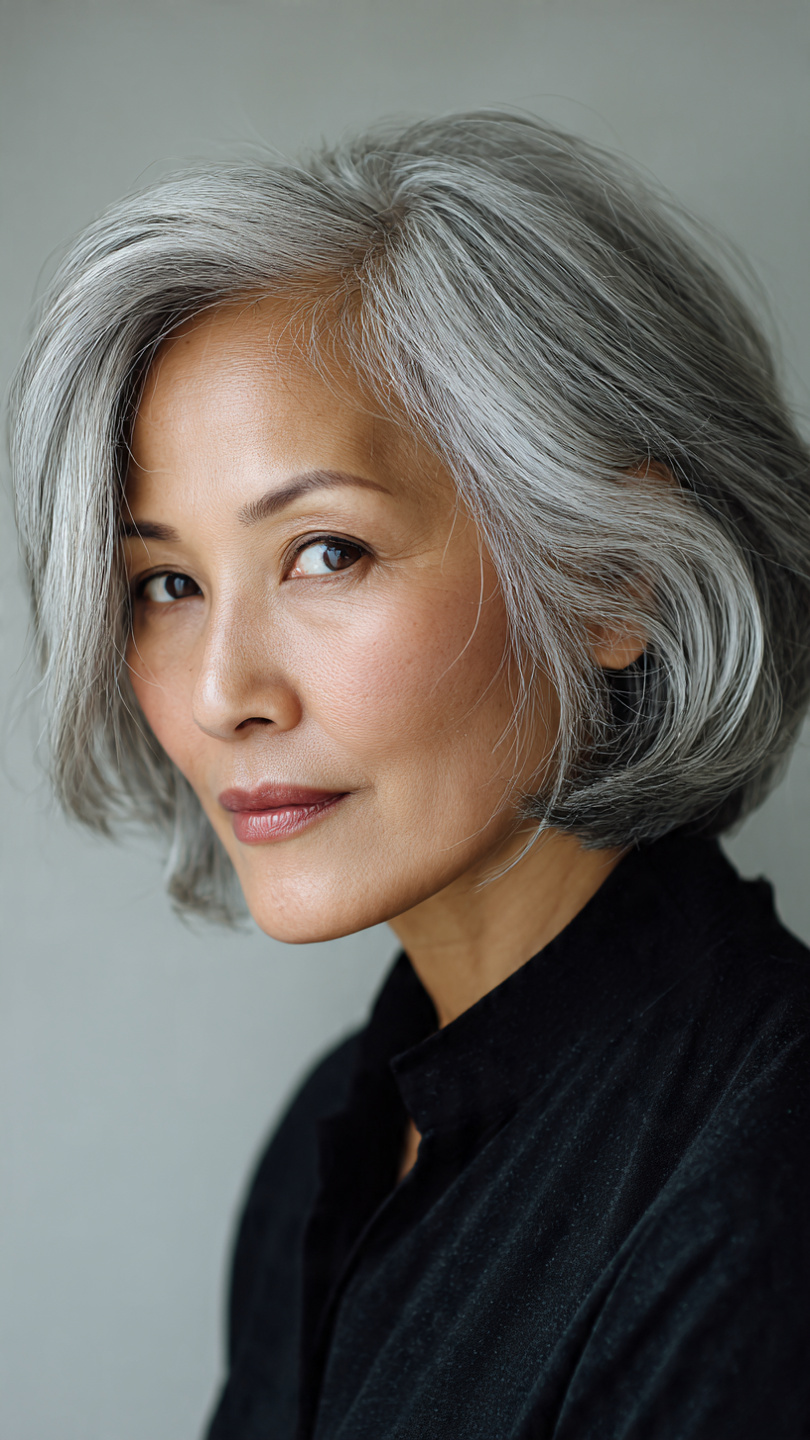
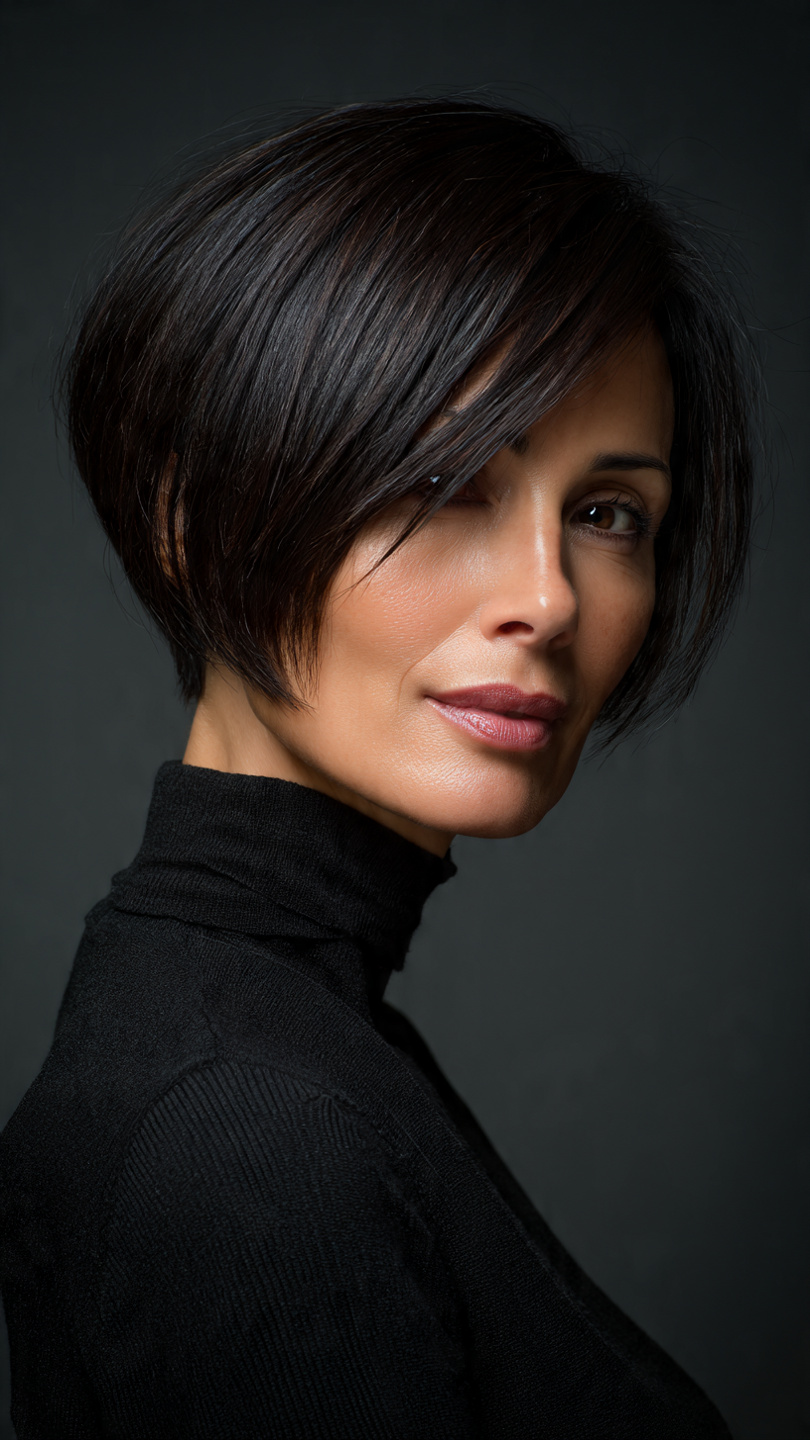
    The inverted bob is shorter in the back and gradually longer in the front. That stacking in the back is not just for volume — it is also for ease. The shorter back means less hair to dry, less hair to style, and less hair to tangle.

    The inverted bob works beautifully for older women because it removes weight from the nape (where hair is often thinnest) and creates natural lift at the crown without any effort. Even air-dried, the stacked back gives the illusion of a styled blowout.

    This cut does require regular maintenance — the stacked back grows out quickly and loses its shape after about six weeks — but the daily ease makes the frequent trims worthwhile. For women who commit to the inverted bob, the volume payoff is unmatched.

    To style, simply wash, towel-dry, and rough dry the back with your fingers for thirty seconds. The front can be left to air dry or tucked behind the ears. A small amount of lightweight mousse at the crown will enhance the natural lift if desired.

    Who it flatters most: Women with longer necks or who find traditional bobs too heavy.

    Styling time: Four minutes, including thirty seconds of rough drying.


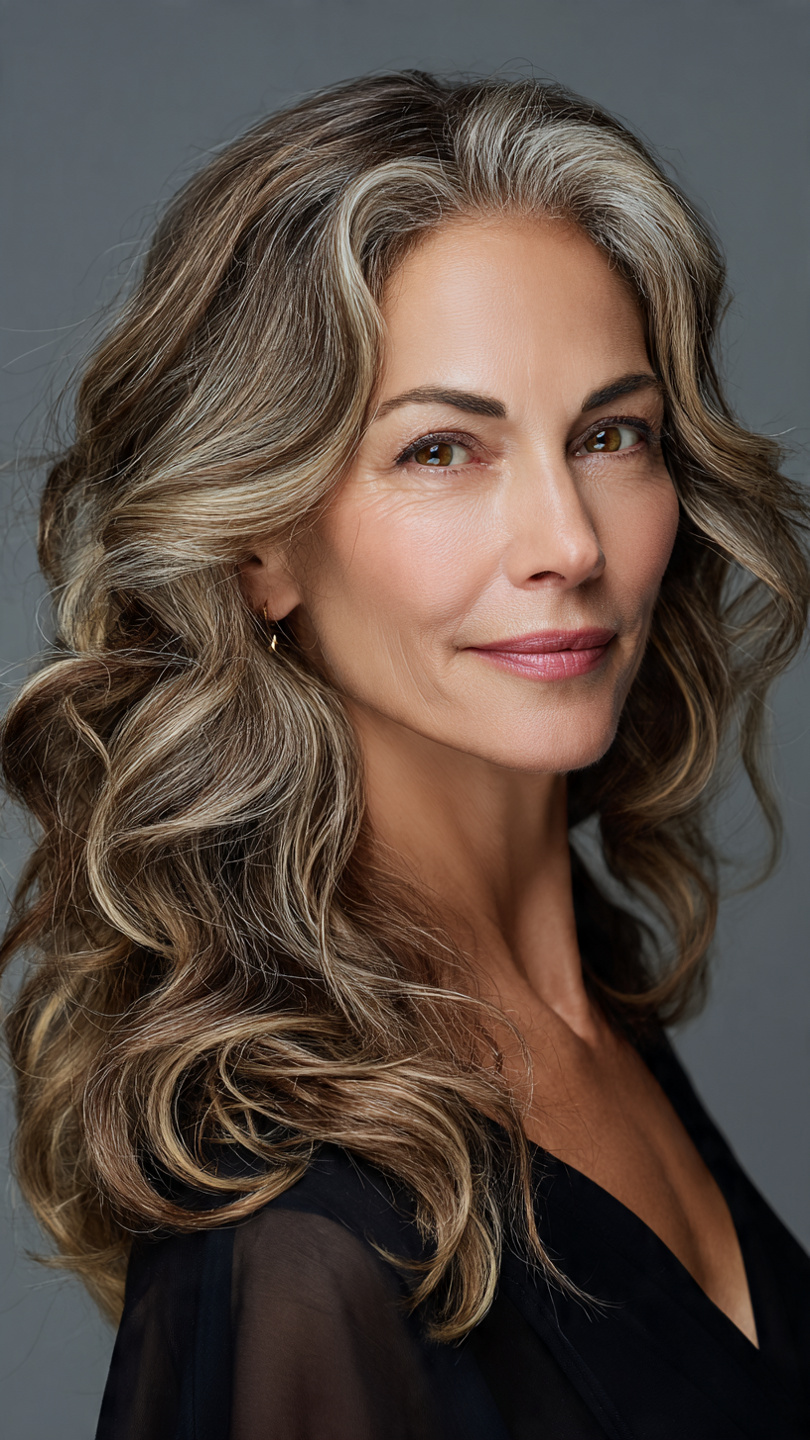
    8. The Relaxed Wavy Cut

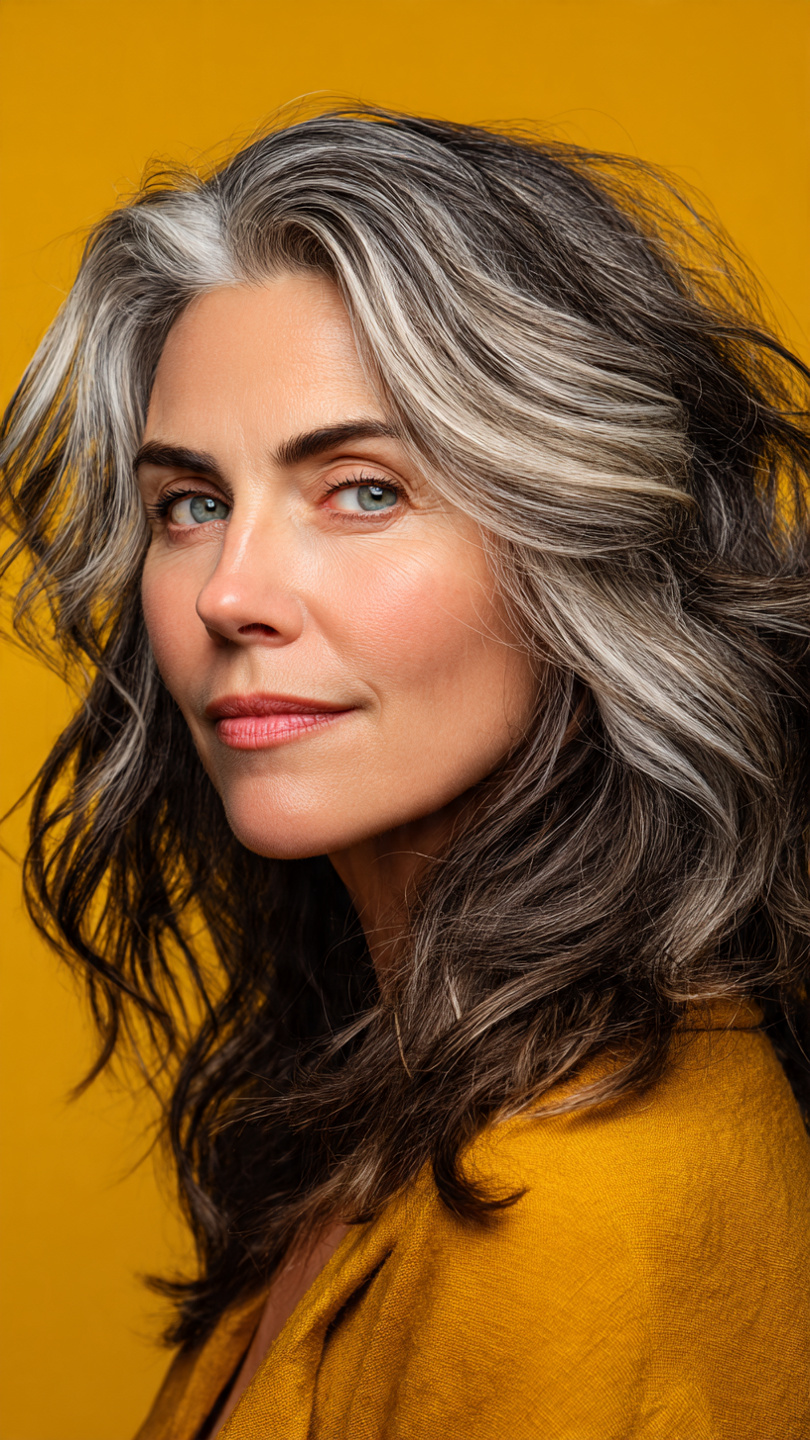
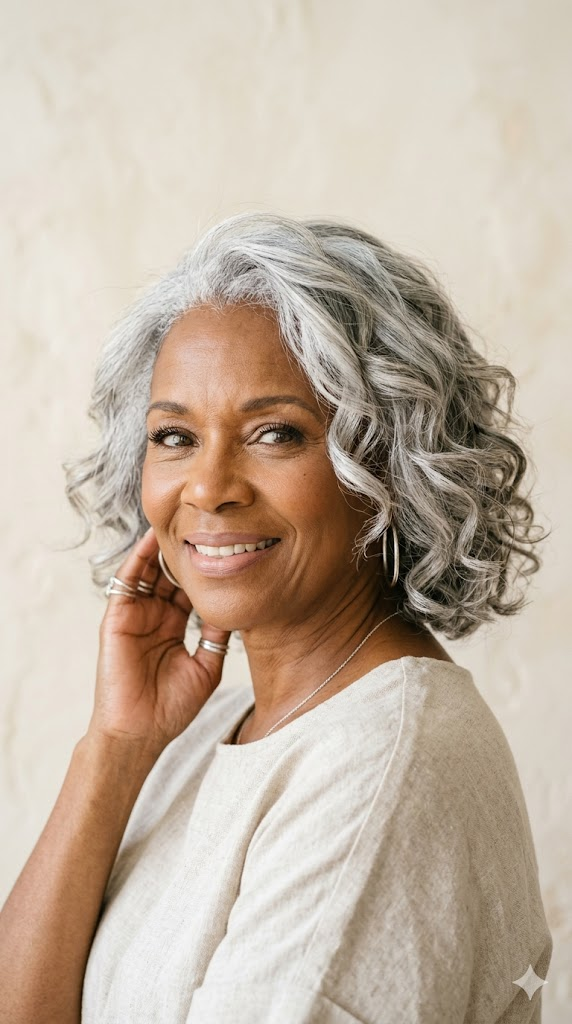
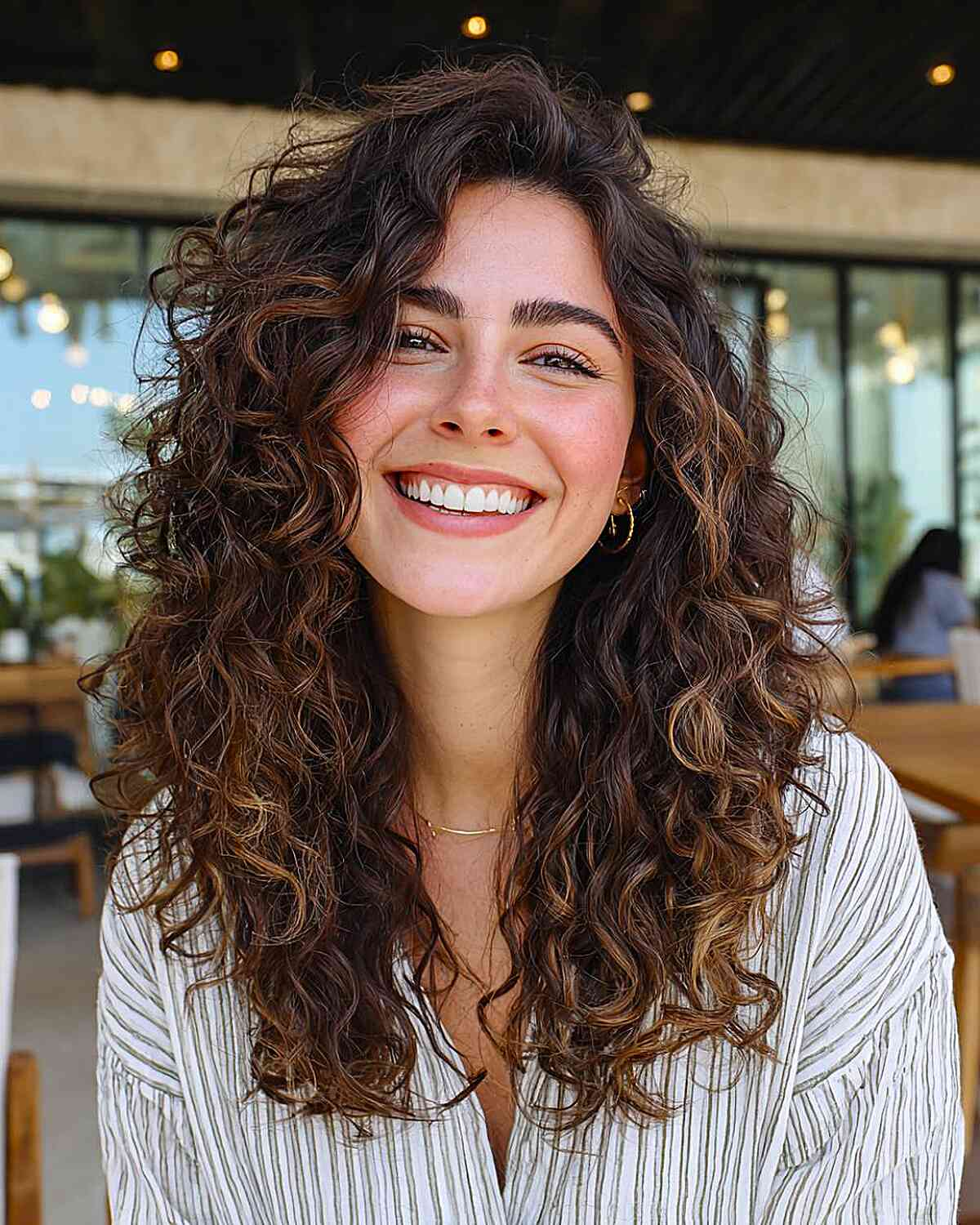
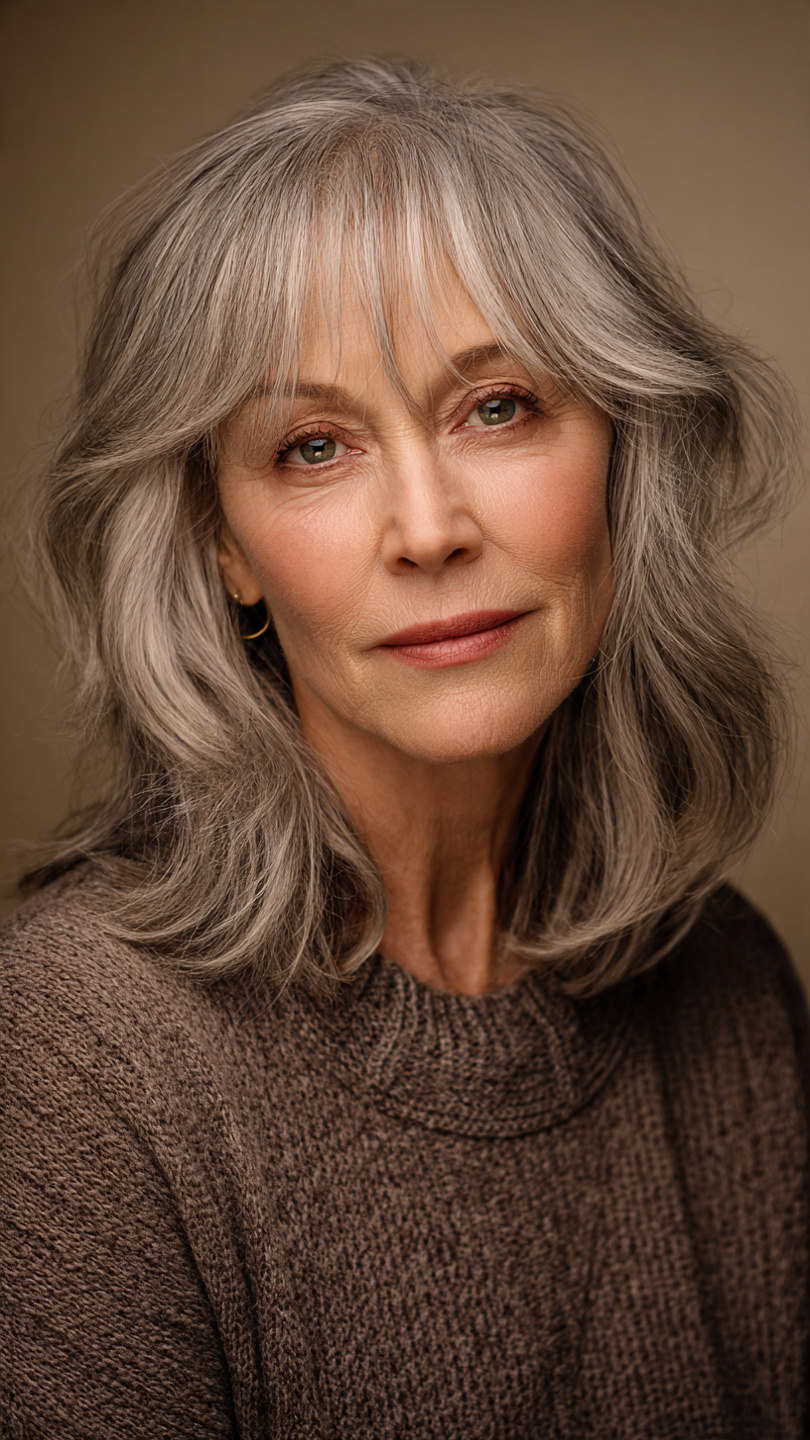
    If you have natural waves, the relaxed wavy cut is the easiest option on this list. The cut itself is simple: long, invisible layers that follow your natural wave pattern, with a soft, rounded perimeter.

    The key is working with your waves, not against them. Do not fight to straighten them. Do not fight to curl them more. Just let them be. A lightweight leave-in conditioner and a quick scrunch with a microfiber towel is all you need.

    The relaxed wavy cut looks best when it is slightly imperfect. Think “beach wave” rather than “competition curl.” The waves should be soft, loose, and natural — not crunchy or overworked.

    For women over sixty with naturally curly or wavy hair, this cut is a game-changer. Curly hair often retains volume better than straight hair, and the relaxed cut respects your texture instead of fighting it. Use a sulfate-free shampoo and a lightweight conditioner to keep waves hydrated without weighing them down.

    Who it flatters most: Women with naturally wavy or curly hair.

    Styling time: Two minutes of scrunching, then air dry.


    9. The Tucked Under Faux Bob

    This style gives you two looks in one: wear it loose for a sleek medium cut, or tuck the ends under for a faux bob. The tucked version is perfect for days when you want a shorter look without committing to a cut.

    You need a medium length blunt cut with no layers. Flat iron the hair completely smooth, then tuck the ends under on both sides as if you were creating a soft inward roll. Secure the tucked sections with small clear elastics or bobby pins hidden beneath the top layer of hair.

    The tucked under style takes two minutes but looks like you visited a salon. It is also excellent for keeping hair off your neck on warm days. For evenings out, add a decorative clip or barrette to the tucked side for an elegant finishing touch.

    This style works best on straight hair. If your hair has natural wave, flat iron it smooth before tucking. A lightweight hairspray will help hold the tucked shape all day.

    Who it flatters most: Women who want versatility without cutting their hair shorter.

    Styling time: Ten minutes for flat ironing plus two minutes for tucking.


    10. The Side-Swept Pixie Bob Hybrid

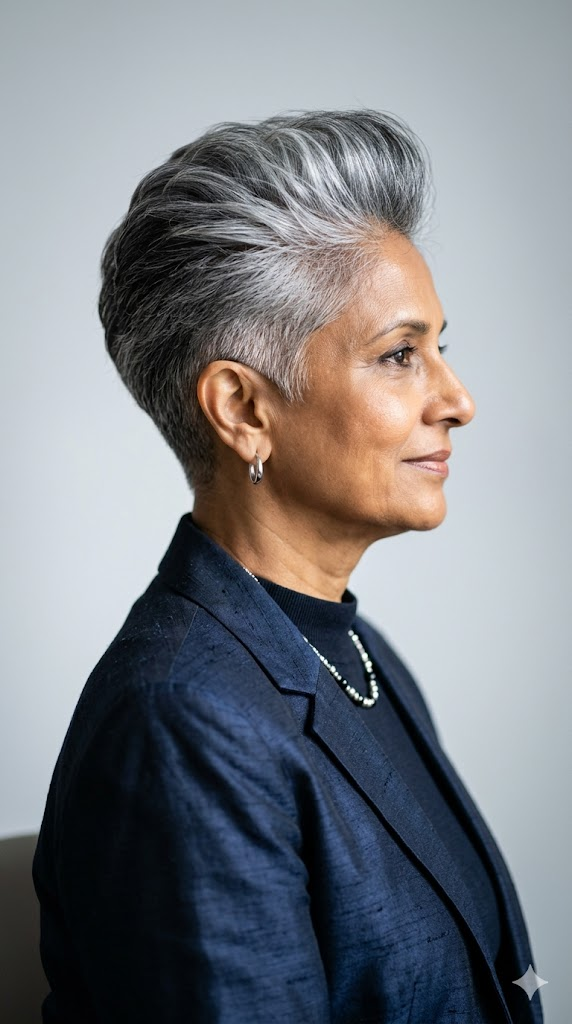
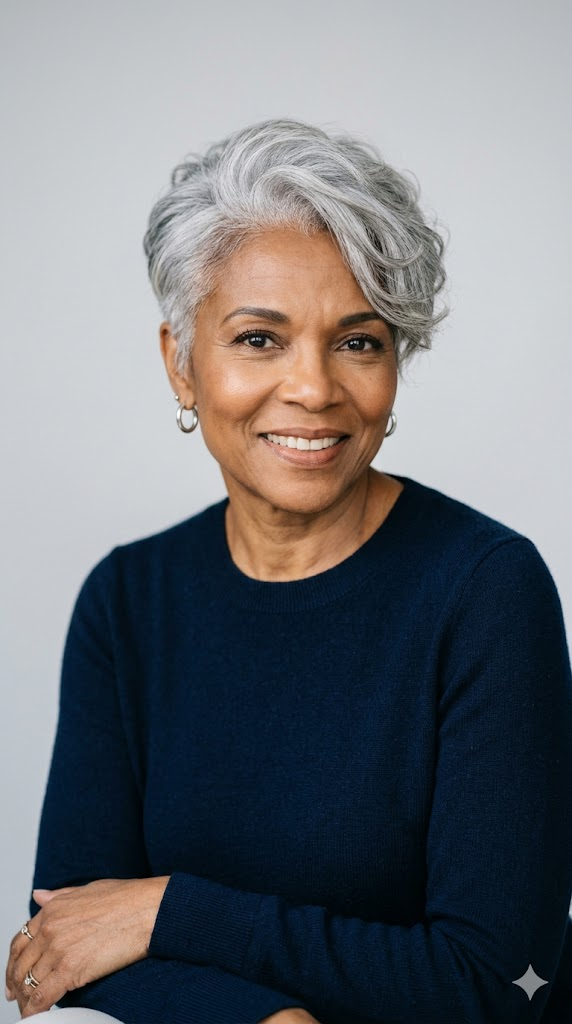
    The pixie bob hybrid is exactly what it sounds like: a pixie in the back, a bob in the front. The back is cropped short and close to the head, while the front sections lengthen to the chin or collarbone. Everything is swept deeply to one side.

    The short back means almost no styling is required. The longer front falls into place with a quick finger-comb. The deep side sweep adds lift at the roots without any product.

    This cut is particularly flattering for women with high foreheads or longer face shapes. The deep side part and sweeping front pieces break up vertical length and add softness around the face. The short back keeps the nape neat and prevents the “mullet” effect that some hybrid cuts develop.

    The side-swept pixie bob hybrid works best on straight or slightly wavy hair. Curly textures may not hold the side sweep as effectively without product. For everyday styling, simply finger-comb in the direction of the sweep and go.

    Who it flatters most: Women who want short hair in back but cannot commit to a full pixie.

    Styling time: Three minutes. Finger-comb in the direction of the sweep.


    11. The Shoulder-Grazing Shag with Fringe

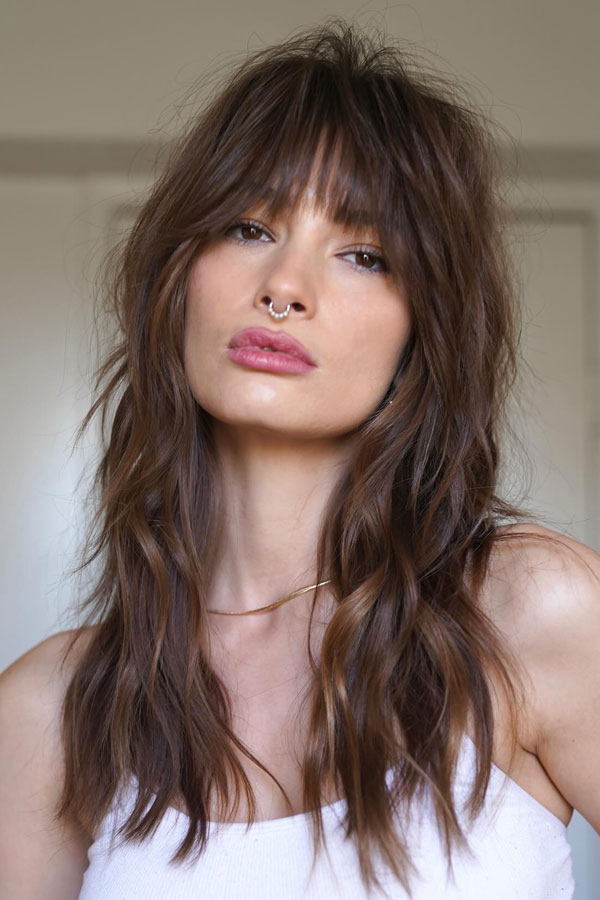
    A soft fringe (bangs) can make an otherwise simple cut look intentional and polished. The shoulder-grazing shag with fringe adds just enough interest to elevate your morning routine.

    The fringe does require a tiny bit of styling — a quick blow-dry forward with a small round brush takes sixty seconds — but the rest of the cut can be air-dried or rough-dried. The elongated layers throughout the rest of the hair mean you do not need to style them. They will fall into place naturally.

    The fringe serves two important purposes for older women. First, it draws attention to the eyes, which is always flattering. Second, it softens forehead lines and can disguise a thinning hairline. Side-swept bangs are the most universally flattering option, but straight-across bangs (worn at eyebrow level) offer a classic, soft look.

    This cut works best on fine to medium hair that has a little natural movement. Stick-straight hair may need a bit more encouragement to hold the shag shape, but a lightweight mousse will do the trick.

    Who it flatters most: Women with high foreheads or who want to soften facial lines.

    Styling time: Four minutes (one minute for bangs, three for the rest).


    12. The Five-Minute Blowout Cut

    Some women do not want zero styling. They want a little styling — just not a lot. The five-minute blowout cut is designed for exactly that.

    Ask your stylist for a medium length cut with internal volume layers — layers cut into the interior of the hair while leaving the exterior smooth. These hidden layers remove weight from the crown, allowing the roots to lift with just a few minutes of blow-drying.

    The five-minute blowout cut is ideal for women who love the look of a salon blowout but do not have the time or patience for a full twenty-minute routine. The internal layers do most of the work. You just need to activate them with heat.

    To style, apply a root-lifting spray to damp hair. Blow-dry the crown upward using your fingers or a large round brush for three to four minutes. Leave the ends to air dry or give them a quick pass with the blow dryer. The result looks like a salon blowout but took less time than making coffee.

    Who it flatters most: Women willing to spend five minutes blow-drying for maximum volume.
    Styling time: Five minutes with a blow dryer.

    Final Thoughts

    The twelve easy medium hairstyles above share one thing in common: they respect your time. None of them require twenty-minute routines, complicated techniques, or a shelf full of products. They are cuts that work with mature hair texture and fit into real life.
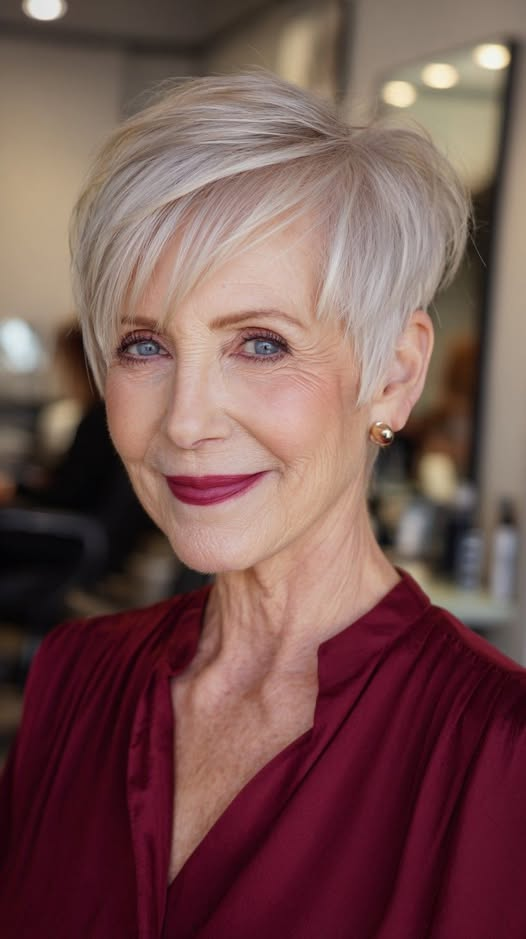
    Medium length is the sweet spot for low-maintenance styling. It is long enough to pull back, short enough to dry quickly, and forgiving enough to look good even on days when you do nothing at all. For women over sixty, finding a cut that balances beauty with ease is not a compromise — it is smart planning.
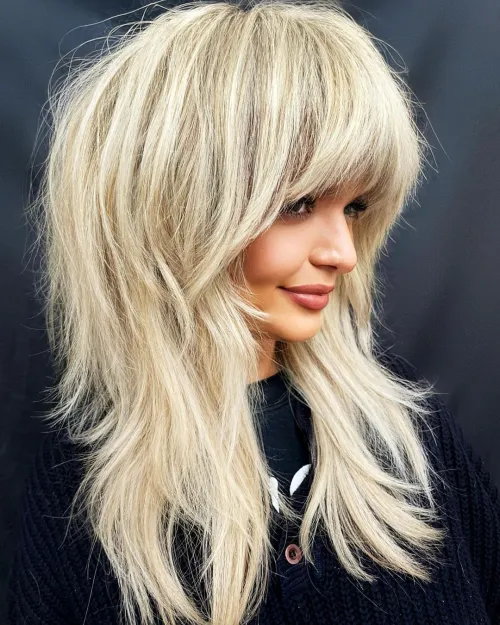
    Bring pictures to your stylist. Be honest about how much time you are willing to spend styling. And remember: the easiest haircut is the one that looks good whether you style it or not.

  • 14 Shoulder Length Hairstyles for Fine Hair That Actually Look Full

    14 Shoulder Length Hairstyles for Fine Hair That Actually Look Full

    Finding the right shoulder length hairstyles for fine hair can feel like a Goldilocks problem. Go too short, and you lose styling options. Go too long, and your hair falls flat within hours. Shoulder length, however, hits that perfect middle zone — provided you choose the right cut.

    The problem is that not every shoulder length style works for fine hair. Heavy blunt cuts can look stringy. Overly layered styles can look gap-toothed. The fourteen options below have been specifically chosen because they work with fine hair’s natural texture, not against it. No miracle products required. No complicated routines. Just smart, deliberate shapes that create the illusion of density while keeping your morning routine simple.

    Here are fourteen shoulder length hairstyles for fine hair that actually deliver on their promise.


    1. The Classic Blunt Lob

    The blunt lob (long bob) is the workhorse of fine hair cuts. It hits right at the collarbone — the true definition of shoulder length — and features a straight, unlayered perimeter across the bottom.

    Why does blunt work so well for fine hair? Because a clean, straight line tricks the eye into seeing thickness. When hair is cut evenly across the bottom, the ends gather together and appear denser than they actually are. It is a simple optical illusion, and it never fails.

    The blunt lob requires minimal styling. Air dry with a leave-in conditioner for a sleek, polished finish, or add a slight bend with a flat iron for soft movement. Just avoid over-texturizing the ends. A truly blunt lob has no internal layers whatsoever.

    Who it flatters most: Oval and heart-shaped faces. The straight line adds subtle width at the jaw.

    Styling time: Five minutes for air drying, ten for a flat iron finish.


    2. The Long Layered Cut with Face-Framing Pieces

    Layers on fine hair get a bad reputation, but long, soft layers placed correctly can add significant movement. The key is keeping layers long — no shorter than the chin — and concentrating them around the face.

    In this cut, the overall length stays at the shoulders, while the front pieces are cut slightly shorter to frame the jawline and cheekbones. Those face-framing pieces create the illusion of fullness around your face, even if the back remains relatively fine. The rest of the hair receives very light internal layering — just enough to remove weight without creating visible gaps.

    This is an excellent choice if you prefer to wear your hair down most days but want something softer than a severe blunt cut.

    Who it flatters most: Round and square face shapes. The face-framing pieces soften angular jawlines.

    Styling time: Eight minutes. Blow-dry with a round brush, focusing on turning the face-framing pieces slightly outward.


    3. The Textured Shag (Shoulder Length Version)

    The shag has evolved far beyond its 1970s reputation. The modern shoulder length shag for fine hair is light, airy, and surprisingly sophisticated.

    This cut features gentle, elongated layers throughout the entire head, plus a soft fringe (bangs) that can be worn straight across or swept to the side. The layers are cut using a technique called point cutting, where the scissors snip vertically into the ends rather than horizontally across them. That creates soft, wispy edges that catch light and create movement.

    The shag works best on fine hair that has a little natural wave. Straight hair can also work, but you may need to add texture with a salt spray or texturizing mist. The overall effect should be slightly undone — never stiff or over-styled.

    Who it flatters most: Women with strong facial features. The shag has enough visual interest to balance a bold face.

    Styling time: Four minutes. Flip head upside down, blast with warm air, flip back, and finger-comb.


    4. The Inverted Bob (Shoulder Length)

    The inverted bob is shorter in the back and gradually longer in the front, creating a stacked silhouette at the nape of the neck. When done at shoulder length, the front pieces reach the collarbone while the back sits significantly shorter — sometimes at the mid-neck.

    That stacking in the back is the secret weapon for fine hair. The shorter layers underneath push the longer top layers upward, creating natural volume at the crown without any product. It is built-in lift, engineered by the cut itself.

    The inverted bob does require regular maintenance. The stacked back grows out quickly and loses its shape after about six weeks. But for women willing to commit to frequent trims, the volume payoff is unmatched.

    Who it flatters most: Women with longer necks. The exposed nape area looks elegant and elongated.

    Styling time: Seven minutes. Blow-dry the back upward with a round brush to enhance the stacked volume.


    5. The Soft Waves Cut (Heatless Method)

    Some hairstyles for fine hair rely on the cut alone. This one relies on a specific styling approach combined with a wave-friendly shape.

    Ask your stylist for a shoulder length cut with long, invisible layers — layers so subtle you can barely see them when the hair is straight. Then, instead of blow-drying straight, create soft waves using a heatless method: braid damp hair overnight, or twist sections into pin curls and sleep on them. In the morning, shake out loose, gentle waves.

    The cut works because the invisible layers prevent the waves from looking bulky or triangular. Fine hair takes waves beautifully when the weight is properly distributed. The result is soft, romantic volume that lasts all day.

    Who it flatters most: Women with oval or long face shapes. Waves add width and softness.

    Styling time: Five minutes in the morning, plus overnight preparation.


    6. The Center-Parted Lob

    The center part has returned to fashion for good reason: it creates symmetry and draws the eye vertically, which can make fine hair appear longer and fuller.

    This cut is simply a blunt lob worn with a precise center part. The key is keeping the length exactly at the collarbone — not above, not below. That specific length, combined with the center part, creates a curtain of hair that frames both sides of the face equally.

    The center-parted lob works best on fine hair that is naturally straight or only slightly wavy. Curly or very wavy textures may not hold the clean center line as effectively. For straight hair, a quick pass with a flat iron creates a mirror-smooth finish that looks expensive and intentional.

    Who it flatters most: Women with symmetrical features. The center part puts symmetry on display.

    Styling time: Six minutes. Flat iron smooth, then use a tail comb to create a razor-sharp center part.


    7. The Choppy Layered Cut

    Choppy layers sound risky for fine hair, and they can be — if done poorly. But the right kind of choppy layering adds deliberate, visible texture that reads as edgy and full, not sparse and damaged.

    In a proper choppy cut for fine hair, the layers are uneven in length but not dramatically so. Some pieces might be an inch shorter than others. The ends are cut at slightly different angles, creating a broken, piece-y effect. That irregularity catches light differently across the head, which tricks the eye into seeing more density.

    The key warning: find a stylist who understands fine hair. Choppy layers on thick hair look very different from choppy layers on fine hair. Bring reference photos of fine-haired women, not thick-haired models.

    Who it flatters most: Women with angular face shapes. The choppy texture echoes sharp bone structure.

    Styling time: Five minutes. Rub a pea-sized amount of texture paste between palms and rake through dry hair.


    8. The Sleek Straight Lob

    Sometimes the most powerful statement is simplicity. The sleek straight lob requires no layers, no texture, no waves — just mirror-smooth, glass-like hair cut precisely at shoulder length.

    This style works because it embraces fine hair’s natural tendency toward sleekness instead of fighting it. Fine hair can achieve a level of smoothness that thick, coarse hair never can. That glassy finish looks expensive, polished, and modern.

    To achieve the sleek straight lob, you will need a high-quality flat iron and a heat protectant. Section the hair and flat iron in small subsections, working from root to tip. Finish with a few drops of lightweight serum applied to the mid-lengths and ends only (never the roots).

    Who it flatters most: Women with strong jawlines. The sleek shape highlights bone structure.

    Styling time: Twelve to fifteen minutes for flat ironing.


    9. The Voluminous Blowout Cut

    Certain cuts are designed specifically for women who love a good blowout. This is one of them.

    Ask your stylist for a shoulder length cut with internal volume layers — layers that are cut into the interior of the hair while leaving the exterior surface smooth. These hidden layers remove weight from the crown, allowing the roots to lift easily with a round brush and a blow dryer.

    The voluminous blowout cut also features slightly longer pieces around the face, which can be curled away from the face during styling for an extra lift. When blown out properly, this cut can achieve the kind of body that looks like you just left a salon — even if you did it yourself.

    The trade-off is that this cut requires styling. Air drying will not activate the volume layers. You need heat and a round brush.

    Who it flatters most: Women willing to spend ten minutes blow-drying. The payoff is worth it.

    Styling time: Ten minutes with a round brush and blow dryer.


    10. The One-Length Curtain Cut

    The curtain cut has become famous for its face-framing “curtain” bangs, but the technique works beautifully at shoulder length even without bangs.

    In this cut, the hair is cut to one length at the shoulders, with the front pieces left slightly longer than the back. Those longer front pieces are then styled to sweep away from the face on both sides, creating a curtain effect. The result is soft, open, and flattering for almost every face shape.

    The one-length curtain cut works best on fine hair that has a little natural bend. Straight hair can also work, but you may need to add a soft wave to the front pieces with a flat iron to achieve the curtain effect.

    Who it flatters most: Almost every face shape. The curtain effect is universally flattering.

    Styling time: Six minutes. Flat iron the front pieces away from the face, leaving the rest natural.


    11. The Layered Lob with Bottleneck Bangs

    Bottleneck bangs are the newer, softer cousin of curtain bangs. They are shortest at the center (hovering just above the eyebrows) and gradually lengthen toward the ears, where they blend into the rest of the hair.

    Paired with a layered lob at shoulder length, bottleneck bangs add interest and movement without requiring heavy styling. The bangs disguise a thinning hairline or high forehead, while the lob’s layers keep the overall shape light and airy.

    This combination works particularly well for women who wear glasses. The bottleneck shape clears the lenses while still providing soft framing.

    Who it flatters most: Women with high foreheads or who wear glasses regularly.

    Styling time: Eight minutes. Blow-dry bangs forward with a small round brush, then sweep to the sides.


    12. The Tucked Under Shoulder Cut

    The tucked under style is less about the cut and more about the styling technique — but the cut matters. You need a shoulder length blunt cut with no layers whatsoever.

    To style, flat iron the hair completely smooth. Then, tuck the ends under on both sides, as if you were creating a soft inward roll. Secure the tucked sections with small clear elastics or bobby pins hidden beneath the top layer of hair. The result is a polished, faux-bob effect that lasts all day.

    This style gives you two looks in one: wear it loose for a sleek lob, or tucked under for a faux bob. For fine hair, the tucked version creates the illusion of thickness because the ends disappear, leaving only the fuller mid-lengths visible.

    Who it flatters most: Women who want versatility without committing to a shorter cut.

    Styling time: Ten minutes for flat ironing plus two minutes for tucking and pinning.


    13. The Textured Ends Cut

    This cut keeps most of the hair at shoulder length with minimal layering, then adds visible texture only to the last inch of the ends. Those textured ends are cut with point shears or a razor to create soft, wispy tips that separate slightly.

    Why does this work for fine hair? Because textured ends prevent the “chopped off” look that can make fine hair appear even thinner. Soft, feathered tips blend together instead of sitting in a heavy line. The rest of the hair remains smooth and intact.

    The textured ends cut is ideal for women who want to keep length but need help avoiding the stringy, see-through ends that fine hair often develops.

    Who it flatters most: Women with fine, straight hair that tends to show every uneven end.

    Styling time: Five minutes. Air dry or rough dry with fingers — no round brush needed.


    14. The Deep Side Part Volume Cut

    Sometimes the most effective change is also the simplest. This cut is just a shoulder length blunt lob — but worn with an extreme deep side part.

    The deep side part instantly lifts the roots on the heavier side. When fine hair is pushed to one side, the lighter side stands up naturally, creating genuine volume without any product. The deeper the part, the more dramatic the lift.

    To maximize the effect, ask your stylist to cut the lob with a slight asymmetry: slightly shorter on the heavier side of the part, slightly longer on the lighter side. That subtle difference enhances the volume even further.

    Who it flatters most: Women with round faces. The deep side part breaks up facial symmetry.

    Styling time: Three minutes. Create the deep side part with a tail comb, then blow-dry the roots on the lighter side upward.


    Final Thoughts

    The fourteen shoulder length hairstyles above share one thing in common: none of them try to force fine hair into behaving like thick hair. Instead, each cut works with your natural texture to create shape, movement, and the illusion of density.

    Shoulder length is truly the sweet spot for fine hair. It is long enough to style in multiple ways, short enough to maintain volume at the roots, and universally flattering across face shapes and ages. The key is choosing the right cut for your specific texture and lifestyle.

    Bring pictures to your stylist. Be honest about how much time you are willing to spend styling. And remember: the best haircut is the one that makes you feel confident the moment you walk out of the salon — and every morning after

  • 11 Short Spiky Hairstyles for Older Women That Add Height and Attitude

    11 Short Spiky Hairstyles for Older Women That Add Height and Attitude

    The word “spiky” might conjure images of punk rock teenagers or stiff, crunchy hair from decades past. But modern short spiky hairstyles for older women are nothing like that. Today’s spikes are soft, piece-y, and sophisticated. They add height at the crown (a blessing for thinning hair), draw the eye upward (minimizing facial lines), and take literally minutes to style.

    For women over sixty, short spiky cuts offer something even more valuable: confidence. There is something liberating about a cut that says you are not trying to hide or blend in. You are showing up as yourself — polished, modern, and entirely in charge.

    Here are eleven short spiky hairstyles for older women that balance edge with elegance.


    1. The Classic Soft Spikes

    The classic soft spike cut keeps the back and sides short and neat, while the top is cut in piece-y sections that can be styled upward into gentle, rounded spikes. The spikes are not sharp or severe — just lifted enough to create height and movement.

    This cut works exceptionally well for women with fine or thinning hair because the lifted top creates the illusion of density. The shorter back and sides remove weight, which allows the crown to stand up naturally. A small amount of lightweight pomade or wax, rubbed between the palms and raked upward through the top, is all you need.

    The classic soft spikes look best when they are slightly imperfect. Think “morning texture” rather than “competition hair.”

    Who it flatters most: Women with oval or heart-shaped faces. The height elongates the face beautifully.

    Styling time: Three minutes. Rub in product, rake upward, and go.


    2. The Pixie with Spiky Top

    This cut combines the best of both worlds: the softness of a pixie with the lift of spikes. The back and sides are cut in a traditional pixie shape (short but not shaved), while the top is left longer and styled into soft spikes.

    The pixie with spiky top is ideal for women who want height but are not ready for an undercut or very short back. The transition between the spiky top and the pixie sides is blended and gradual, creating a cohesive, polished look.

    To style, apply a small amount of texturizing paste to damp hair, then blow-dry the top upward using your fingers. The sides can be left natural or smoothed down with a flat iron.

    Who it flatters most: Women who want spikes but prefer a softer, more traditional silhouette.

    Styling time: Five minutes with a blow dryer and fingers.


    3. The Tapered Spiky Cut

    The tapered spiky cut features hair that is very short at the nape and gradually lengthens toward the crown, where the spikes are concentrated. The taper is gradual and blended — no harsh lines or disconnects.

    This cut is excellent for women who want a clean, polished look with just a hint of edge. The tapered back stays neat against the neck, which is especially flattering for women who wear collared shirts or jackets. The spiky top provides height and movement without overwhelming the face.

    The tapered spiky cut works best on straight or slightly wavy hair. Curly textures may not spike as effectively without significant product.

    Who it flatters most: Women who want a clean, professional look with a modern twist.

    Styling time: Four minutes. Apply pomade to the top only, rake upward.


    4. The Undercut Spiky Pixie

    For women who want maximum lift and minimum bulk, the undercut spiky pixie delivers. The back and sides are shaved or clipped very short (typically to a #2 or #3 guard), while the top is left longer and styled into prominent spikes.

    The undercut removes significant weight from the sides and back, which allows the top spikes to stand up with very little product. This cut is ideal for women with very thick or heavy hair that tends to fall flat. It is also excellent for women who want a bold, modern look.

    The contrast between the shaved undercut and the spiky top is intentional and striking. This is not a shy haircut.

    Who it flatters most: Women who want a bold, edgy look and have the confidence to wear it.

    Styling time: Three minutes for the top. The undercut requires no styling.


    5. The Wispy Spikes Cut

    Some women love the height of spikes but dislike the piece-y, separated look. The wispy spikes cut offers a solution. The top is cut with point shears to create soft, feathery ends that lift gently without looking chunky or separated.

    The wispy spikes are more like “lifted texture” than traditional spikes. The hair moves together as a soft unit rather than standing up in individual pieces. The overall effect is softer, more romantic, and less edgy than other spike styles.

    This cut works beautifully on fine or thin hair because the wispy ends create the illusion of density without requiring heavy product.

    Who it flatters most: Women who want height but dislike the look of separated, piece-y spikes.

    Styling time: Four minutes. Use a lightweight mousse at the roots, blow-dry upward with fingers.


    6. The Side-Swept Spiky Pixie

    The side-swept spiky pixie combines the height of spikes with the softness of a deep side sweep. The top is cut long enough to spike upward on one side while sweeping across the forehead on the other.

    This cut is particularly flattering for women with round or square faces. The diagonal line created by the side sweep breaks up facial symmetry and adds length. The spikes on the crown provide height that balances the sweep.

    To style, blow-dry the top in the direction of the sweep, then use a small amount of pomade to define a few soft spikes on the heavier side.

    Who it flatters most: Women with round or square faces. The diagonal sweep is very forgiving.

    Styling time: Six minutes. Blow-dry in the sweep direction, then add spikes.


    7. The Short Textured Spikes

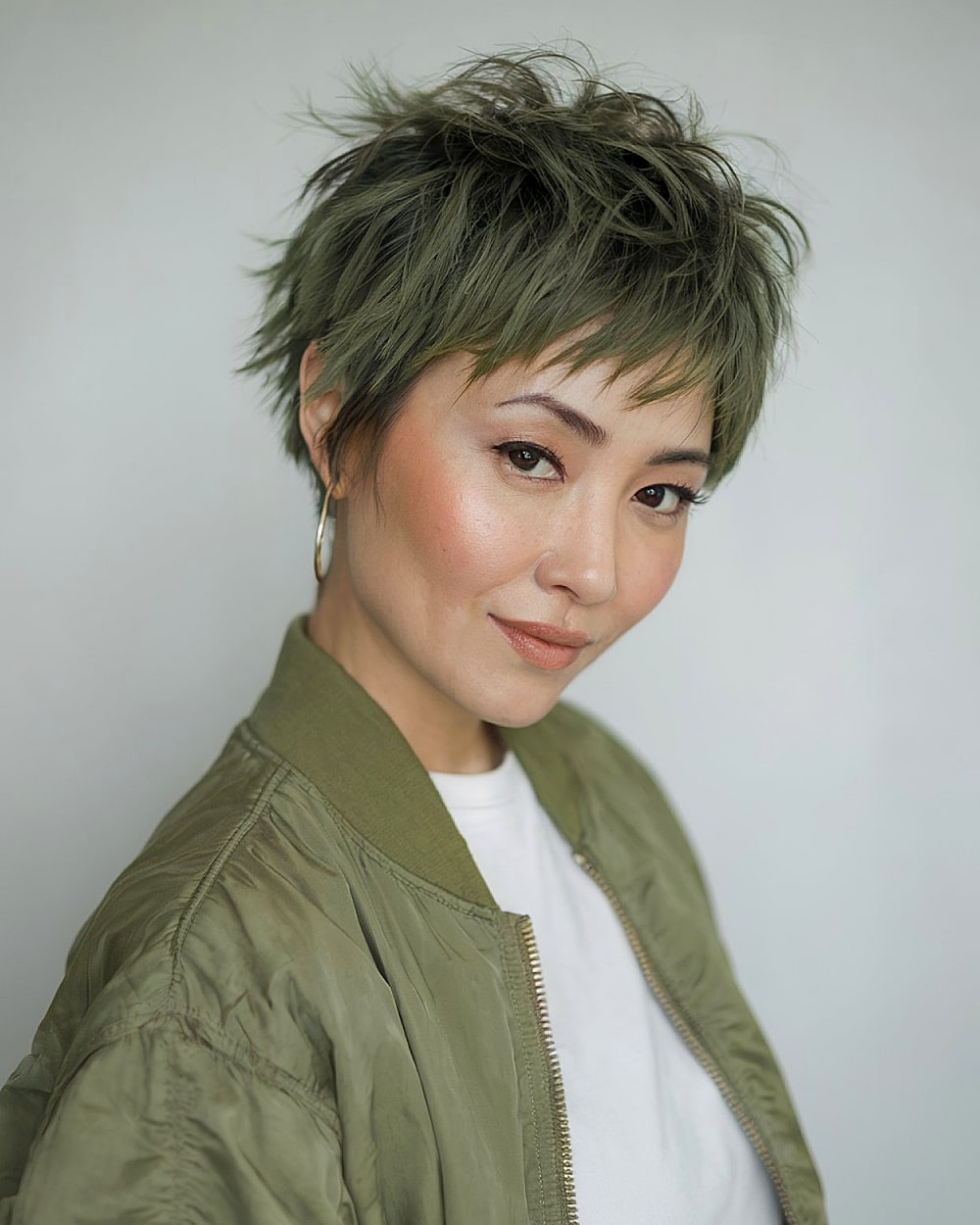
    The short textured spikes cut keeps everything — back, sides, and top — relatively short. The spikes themselves are only about an inch long, but they are heavily textured to create visible separation and movement.

    This cut is ideal for women who want a very low-maintenance style that still looks deliberate. The short length means no blow-drying is required. Just wash, towel-dry, rub in a small amount of texture paste, and rake through. The spikes will form naturally as the hair dries.

    The short textured spikes work best on hair that is naturally straight or has only a slight wave. Curly hair may not hold such short spikes.

    Who it flatters most: Women who want the shortest possible styling time — literally two minutes.

    Styling time: Two minutes. Product in wet hair, rake, air dry.


    8. The Long Top Spiky Pixie

    Some women want dramatic height without cutting the back and sides extremely short. The long top spiky pixie keeps the back and sides at a traditional pixie length (not shaved), while the top is left significantly longer — sometimes three to four inches — and styled into tall, soft spikes.

    The long top allows for more dramatic styling. The spikes can be worn straight up for maximum height, swept to the side for a softer look, or even left slightly messy for a relaxed finish. The longer length also means the cut can be styled in multiple ways, not just one.

    This cut requires a bit more styling time than shorter spike cuts, but the versatility is worth it for many women.

    Who it flatters most: Women who want dramatic height and styling versatility.

    Styling time: Eight minutes with a blow dryer and product.


    9. The Finger-Waved Spikes

    The finger-waved spikes cut is a hybrid style that combines vintage finger waves at the front with soft spikes at the crown. The result is elegant, sophisticated, and entirely unique.

    The front sections are styled into soft, S-shaped waves using fingers and a small amount of gel or mousse. The crown is lifted into gentle spikes that blend into the waves. The overall effect is polished and deliberate — perfect for evenings out or special occasions.

    This cut does require more styling skill than other spike styles, but the results are stunning. It works best on hair that is naturally straight or has a slight bend.

    Who it flatters most: Women who enjoy styling their hair and want a special-occasion look.

    Styling time: Fifteen minutes for the finger waves plus five for the spikes.


    10. The Cropped Spiky Pixie

    The cropped spiky pixie is the shortest option on this list. Everything — back, sides, and top — is cut very short, typically less than two inches. The spikes are subtle but present, created by texturizing the top rather than leaving significant length.

    This cut is ideal for women who want to embrace very short hair but still want some texture and movement. The cropped length means no styling is required beyond a quick rub of product through the top. It is wash-and-go in the truest sense.

    The cropped spiky pixie works best on women with strong facial features. With so little hair, the face becomes the center of attention.

    Who it flatters most: Women with strong bone structure and a desire for true low-maintenance hair.

    Styling time: One minute. Rub in product, done.


    11. The Soft Edge Spikes

    The soft edge spikes cut takes the edge off traditional spikes. The top is lifted and textured, but the spikes are rounded and soft rather than sharp and piece-y. The back and sides are kept longer than in other spike cuts, creating a more blended, cohesive silhouette.

    This cut is perfect for women who like the idea of spikes but worry about looking too harsh or severe. The soft edge version reads as modern and fresh without any of the punk associations. It is spikes for women who do not want to announce “spikes” — they just want great hair.

    To style, use a lightweight mousse rather than a heavy wax or pomade. Blow-dry upward with fingers, then let the spikes settle into soft, rounded shapes.

    Who it flatters most: Women who want a modern, youthful cut without looking like they are trying too hard.

    Styling time: Five minutes with mousse and a blow dryer.


    Final Thoughts

    The eleven short spiky hairstyles above prove that spikes are not just for the young or the rebellious. When done correctly — soft, piece-y, and deliberate — spikes add height, movement, and confidence for women over sixty.

    The beauty of spiky cuts is their honesty. They do not try to hide thinning or pretend you have more hair than you do. Instead, they work with what you have and create shape through architecture, not volume tricks.

    If you have been wearing the same soft, rounded cut for years, consider trying something with a little edge. You might be surprised how liberating it feels.

    Bring pictures to your stylist. Be honest about how much time you want to spend styling. And remember: the best spikes are the ones that feel like you.

  • 11 Medium Length Hairstyles for Thin Hair

    11 Medium Length Hairstyles for Thin Hair

    Finding the right medium length hairstyles for thin hair can feel like searching for a needle in a haystack. Go too long, and your hair falls flat within hours. Go too short, and you lose styling options. But medium length — typically from the chin to the collarbone — offers the perfect compromise. The challenge is choosing a cut that works with thin hair instead of against it.

    The eleven styles below have been specifically chosen because they address the unique needs of thin hair: lack of density, difficulty holding volume, and ends that can look transparent or stringy. Each cut uses shape, texture, or optical illusion to create the appearance of fullness without heavy products or complicated routines.

    Here are eleven medium length hairstyles for thin hair that actually deliver.


    1. The Blunt Medium Lob

    The blunt medium lob is the most reliable option for thin hair. It hits between the chin and collarbone — true medium length — and features a straight, unlayered perimeter across the bottom.

    Why does blunt work so well for thin hair? Because a clean, straight line tricks the eye into seeing thickness. When hair is cut evenly across the bottom, the ends gather together and appear denser than they actually are. It is a simple optical illusion, and it never fails.

    The blunt medium lob requires minimal styling. Air dry with a lightweight leave-in conditioner for a sleek, polished finish, or add a soft bend with a flat iron for gentle movement. Just avoid any internal layers. A truly blunt lob has no layering whatsoever.

    Who it flatters most: Oval and heart-shaped faces. The straight line adds subtle width at the jaw.

    Styling time: Five minutes for air drying, ten for a flat iron finish.


    2. The Layered Cut with Face-Framing Pieces

    Layers on thin hair have a bad reputation — and often for good reason. Bad layers leave gaps that make thin hair look even thinner. But long, soft layers placed correctly can add significant movement and the illusion of fullness.

    In this cut, the overall length stays at medium (chin to collarbone), while the front pieces are cut slightly shorter to frame the jawline and cheekbones. Those face-framing pieces create the illusion of fullness around your face, even if the back remains relatively thin. The rest of the hair receives very light internal layering — just enough to remove weight without creating visible gaps.

    The key is keeping layers long. Nothing shorter than the chin. No choppy, disconnected pieces. Just soft, graduated length that blends seamlessly.

    Who it flatters most: Round and square face shapes. The face-framing pieces soften angular jawlines.

    Styling time: Eight minutes. Blow-dry with a round brush, focusing on turning the face-framing pieces slightly outward.


    3. The Textured Medium Shag

    The shag has evolved far beyond its 1970s reputation. The modern medium length shag for thin hair is light, airy, and surprisingly sophisticated.

    This cut features gentle, elongated layers throughout the entire head, plus a soft fringe (bangs) that can be worn straight across or swept to the side. The layers are cut using a technique called point cutting, where the scissors snip vertically into the ends rather than horizontally across them. That creates soft, wispy edges that catch light and create movement.

    The shag works best on thin hair that has a little natural wave. Straight hair can also work, but you may need to add texture with a salt spray or texturizing mist. The overall effect should be slightly undone — never stiff or over-styled.

    Who it flatters most: Women with strong facial features. The shag has enough visual interest to balance a bold face.

    Styling time: Four minutes. Flip head upside down, blast with warm air, flip back, and finger-comb.


    4. The Inverted Medium Bob

    The inverted bob is shorter in the back and gradually longer in the front, creating a stacked silhouette at the nape of the neck. When done at medium length, the front pieces reach the collarbone while the back sits significantly shorter — sometimes at the mid-neck.

    That stacking in the back is the secret weapon for thin hair. The shorter layers underneath push the longer top layers upward, creating natural volume at the crown without any product. It is built-in lift, engineered by the cut itself.

    The inverted bob does require regular maintenance. The stacked back grows out quickly and loses its shape after about six weeks. But for women willing to commit to frequent trims, the volume payoff is unmatched.

    Who it flatters most: Women with longer necks. The exposed nape area looks elegant and elongated.

    Styling time: Seven minutes. Blow-dry the back upward with a round brush to enhance the stacked volume.


    5. The One-Length Curtain Cut (No Bangs)

    The curtain cut became famous for its face-framing bangs, but the technique works beautifully at medium length even without them.

    In this style, the hair is cut to one length at the collarbone, with the front pieces left slightly longer than the back. Those longer front pieces are then styled to sweep away from the face on both sides, creating a soft, open curtain effect. The result is warm, welcoming, and flattering for almost every face shape.

    The one-length curtain cut works best on thin hair that has a little natural bend. Straight hair can also work, but you may need to add a soft wave to the front pieces with a flat iron to achieve the curtain effect. Because there are no layers, the perimeter remains solid and dense-looking.

    Who it flatters most: Almost every face shape. The open front is universally flattering.

    Styling time: Six minutes. Flat iron the front pieces away from the face.


    6. The Wispy Ends Medium Cut

    This cut keeps most of the hair at medium length with minimal internal layering, then adds visible texture only to the last inch of the ends. Those wispy ends are cut with point shears to create soft, feathered tips that separate slightly.

    Why does this work for thin hair? Because thin hair often develops uneven, see-through ends when cut bluntly. Wispy ends disguise that transparency. The soft tips blend together instead of sitting in a heavy, unforgiving line that reveals every gap.

    The wispy ends cut is ideal for women who want to keep medium length but need help avoiding the stringy look that thin hair can develop as it grows longer.

    Who it flatters most: Women with fine, straight thin hair that tends to show every uneven end.

    Styling time: Five minutes. Air dry or rough dry with fingers — no round brush needed.


    7. The Deep Side Part Volume Cut

    Sometimes the most effective change is also the simplest. This cut is just a medium blunt lob — but worn with an extreme deep side part.

    The deep side part instantly lifts the roots on the lighter side. When thin hair is pushed to one side, the lighter side stands up naturally, creating genuine volume without any product. The deeper the part, the more dramatic the lift.

    To maximize the effect, ask your stylist to cut the lob with a slight asymmetry: slightly shorter on the heavier side of the part, slightly longer on the lighter side. That subtle difference enhances the volume even further.

    Who it flatters most: Women with round faces. The deep side part breaks up facial symmetry.

    Styling time: Three minutes. Create the deep side part with a tail comb, then blow-dry the roots on the lighter side upward.


    8. The Soft Waves Cut (Heatless Method)

    Some hairstyles for thin hair rely on the cut alone. This one relies on a specific styling approach combined with a wave-friendly shape.

    Ask your stylist for a medium length cut with long, invisible layers — layers so subtle you can barely see them when the hair is straight. Then, instead of blow-drying straight, create soft waves using a heatless method: braid damp hair overnight, or twist sections into pin curls and sleep on them. In the morning, shake out loose, gentle waves.

    The cut works because the invisible layers prevent the waves from looking bulky or triangular. Thin hair takes waves beautifully when the weight is properly distributed. The result is soft, romantic volume that lasts all day.

    Who it flatters most: Women with oval or long face shapes. Waves add width and softness.

    Styling time: Five minutes in the morning, plus overnight preparation.


    9. The Choppy Layered Cut (Carefully Done)

    Choppy layers sound risky for thin hair, and they can be — if done poorly. But the right kind of choppy layering adds deliberate, visible texture that reads as edgy and full, not sparse and damaged.

    In a proper choppy cut for thin hair, the layers are uneven in length but not dramatically so. Some pieces might be an inch shorter than others. The ends are cut at slightly different angles, creating a broken, piece-y effect. That irregularity catches light differently across the head, which tricks the eye into seeing more density.

    The key warning: find a stylist who understands thin hair. Choppy layers on thick hair look very different from choppy layers on thin hair. Bring reference photos of women with thin hair, not thick-haired models.

    Who it flatters most: Women with angular face shapes. The choppy texture echoes sharp bone structure.

    Styling time: Five minutes. Rub a pea-sized amount of texture paste between palms and rake through dry hair.


    10. The Sleek Straight Medium Cut

    Sometimes the most powerful statement is simplicity. The sleek straight medium cut requires no layers, no texture, no waves — just mirror-smooth, glass-like hair cut precisely at medium length.

    This style works because it embraces thin hair’s natural tendency toward sleekness instead of fighting it. Thin hair can achieve a level of smoothness that thick, coarse hair never can. That glassy finish looks expensive, polished, and modern. The absence of layers keeps the perimeter solid and dense.

    To achieve the sleek straight medium cut, you will need a high-quality flat iron and a heat protectant. Section the hair and flat iron in small subsections, working from root to tip. Finish with a few drops of lightweight serum applied to the mid-lengths and ends only (never the roots).

    Who it flatters most: Women with strong jawlines. The sleek shape highlights bone structure.

    Styling time: Twelve to fifteen minutes for flat ironing.


    11. The Tucked Under Medium Cut

    The tucked under style is less about the cut and more about the styling technique — but the cut matters. You need a medium length blunt cut with no layers whatsoever.

    To style, flat iron the hair completely smooth. Then, tuck the ends under on both sides, as if you were creating a soft inward roll. Secure the tucked sections with small clear elastics or bobby pins hidden beneath the top layer of hair. The result is a polished, faux-bob effect that lasts all day.

    This style gives you two looks in one: wear it loose for a sleek medium cut, or tucked under for a faux bob. For thin hair, the tucked version creates the illusion of thickness because the ends disappear, leaving only the fuller mid-lengths visible.

    Who it flatters most: Women who want versatility without committing to a shorter cut.

    Styling time: Ten minutes for flat ironing plus two minutes for tucking and pinning.


    Final Thoughts

    The eleven medium length hairstyles above share one common thread: they work with thin hair instead of fighting it. None of them rely on teasing, backcombing, or heavy products. Instead, each cut uses shape, texture, or optical illusion to create the appearance of fullness.

    Medium length is truly the sweet spot for thin hair. It is long enough to style in multiple ways, short enough to maintain volume at the roots, and universally flattering across face shapes. The key is choosing the right cut for your specific texture and lifestyle.

    Bring pictures to your stylist. Be honest about how much time you are willing to spend styling. And remember: the best haircut is the one that makes you feel confident the moment you walk out of the salon — and every morning after.

  • 10 Undercut Pixie Haircuts for Over 50 That Are Bold and Beautiful

    10 Undercut Pixie Haircuts for Over 50 That Are Bold and Beautiful

    The word “undercut” might sound intimidating, especially for women over fifty who grew up with very different hair expectations. But here is the truth: undercut pixie haircuts for over 50 are not about rebellion or looking young. They are about smart architecture. An undercut removes hair from the lower back and nape — an area that often becomes sparse or uneven with age — while leaving the top and crown full and styled.

    The result is a cut that feels lighter, looks cleaner, and requires significantly less maintenance than traditional pixies. No more bulky nape hair that sticks out under collars. No more flat crown with too much weight underneath. Just a sleek, modern shape that works with mature hair instead of against it.

    Here are ten undercut pixie haircuts for over 50 that balance edge with elegance.


    1. The Classic Undercut Pixie

    The classic undercut pixie keeps things simple: the back and sides are shaved or clipped very short (typically to a #2 or #3 guard), while the top remains longer and styled like a traditional pixie. The line between the short undercut and the longer top is clean and deliberate.

    This cut works exceptionally well for women over fifty because it removes weight from the nape — an area where hair often becomes thin or patchy with age. Instead of trying to hide thinning, the classic undercut embraces it. The shaved back looks intentional, modern, and clean.

    The top can be styled sleek, textured, or piece-y depending on your preference. A small amount of pomade or texture paste rubbed through the top sections is usually all you need.

    Who it flatters most: Women with shorter necks or who find traditional pixies too bulky in back.

    Styling time: Four minutes for the top. The undercut requires no styling.


    2. The Textured Top Undercut Pixie

    This version keeps the same shaved or clipped back and sides as the classic, but adds deliberate, visible texture to the longer top sections. The texture is created using point cutting, where the stylist snips vertically into the ends rather than horizontally across them.

    The textured top serves two purposes. First, it creates the illusion of density — a significant benefit for women with fine or thinning hair. Second, it softens the contrast between the short undercut and the longer top, making the overall look feel less severe.

    The textured top undercut pixie looks best when it is slightly messy. A pea-sized amount of texture paste, scrunched into dry hair, is all you need. Avoid heavy products that will weigh down the top.

    Who it flatters most: Women with fine hair. The texture creates visual density.

    Styling time: Three minutes. Rub in texture paste and go.


    3. The Disconnected Undercut Pixie

    A disconnected undercut pixie features a dramatic, intentional contrast between the shaved underlayer and the longer top. The two sections are not blended — hence “disconnected.” The top sits like a separate piece floating above the shaved back and sides.

    This is the boldest version of the undercut pixie. It is not for everyone, but for women who want to make a statement, it is unmatched. The disconnected style draws the eye directly to the top section, which can be styled in multiple ways: swept to the side, spiked up, or worn smooth and sleek.

    The disconnected undercut does require commitment. The contrast is most striking when the undercut is freshly shaved, which means maintenance every two to three weeks.

    Who it flatters most: Women who want a bold, edgy look and have the confidence to wear it.

    Styling time: Five minutes for the top. The undercut requires regular trimming.


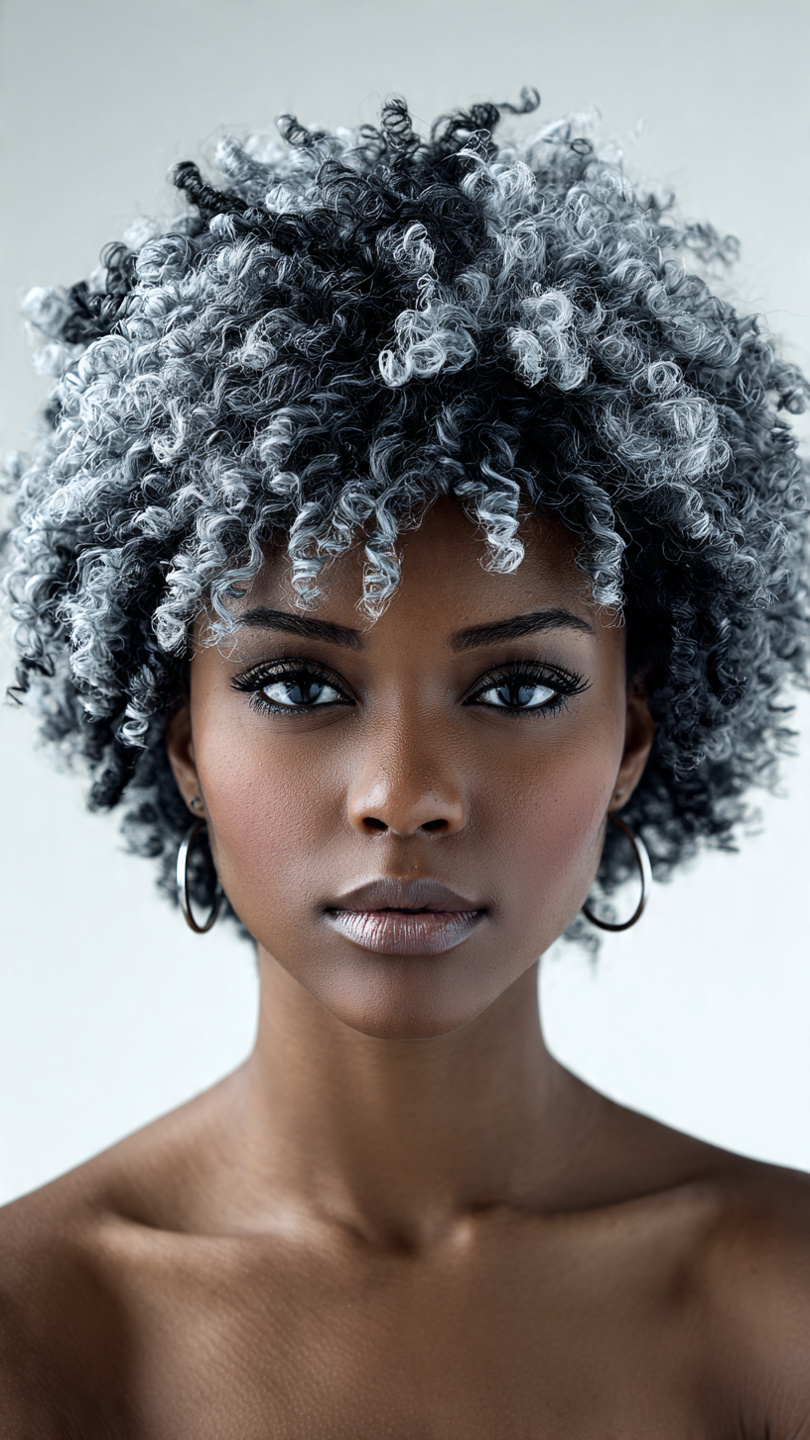
    4. The Curly Undercut Pixie

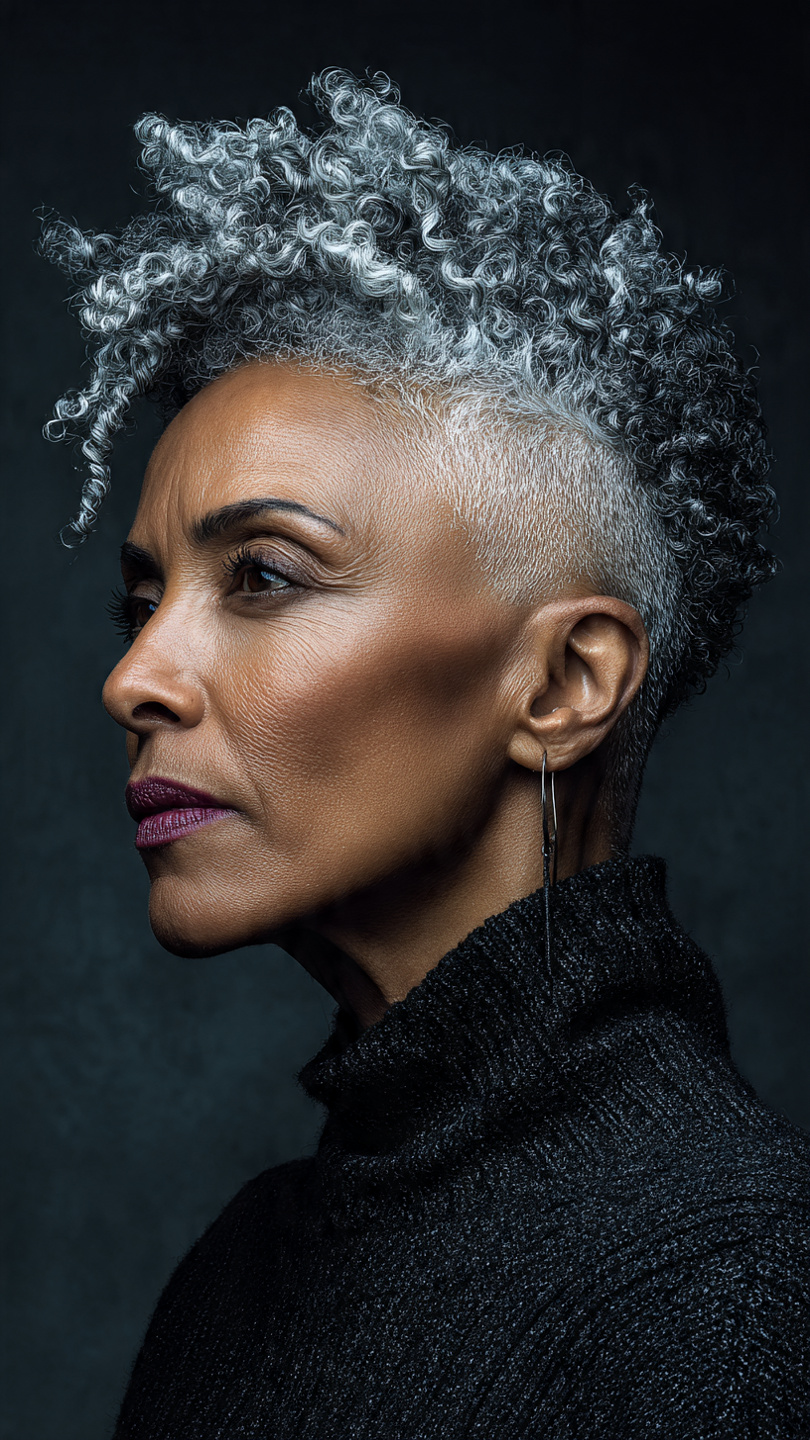
    Natural curls and waves can absolutely work in an undercut pixie — in fact, the undercut is a gift for curly-haired women. Why? Because removing the bulk from the back and sides prevents the dreaded “triangle head” shape that curls often create.

    The curly undercut pixie is cut dry, not wet, allowing the stylist to see exactly where each curl falls and how much weight to remove. The top is left long enough for the curls to form properly — sometimes several inches — while the back and sides are clipped short.

    For women over fifty with naturally curly hair, this cut is liberating. Curls retain volume better than straight hair, and the undercut removes the weight that often pulls curls flat. Use a lightweight leave-in conditioner and air dry or diffuse on low heat.

    Who it flatters most: Women with naturally curly or wavy hair. This cut is not for straight textures.

    Styling time: Five minutes of product application, then air dry.


    5. The Side-Swept Undercut Pixie

    The side-swept undercut pixie combines a deep side part with a dramatic sweep of longer hair across the forehead and crown. The undercut remains on both sides or just on the heavier side, depending on your preference.

    The deep side part does more than add drama. It physically lifts the roots on the lighter side, creating genuine volume without teasing or backcombing. The longer top section sweeps across the forehead, softening facial lines and drawing attention to the eyes.

    This cut works best on straight or slightly wavy hair. The side sweep requires enough length to reach across the forehead — typically three to four inches on the longest side.

    Who it flatters most: Women with round or square faces. The diagonal sweep breaks up horizontal lines.

    Styling time: Six minutes. Blow-dry the top in the direction of the sweep.


    6. The Spiky Undercut Pixie

    For women who want to embrace a little attitude, the spiky undercut pixie delivers. The back and sides are shaved close, while the top is cut in short, choppy sections that can be styled upward into soft spikes.

    The spikes are not the stiff, crunchy spikes of the 1990s. Modern spikes are soft, piece-y, and textured. A small amount of strong-hold pomade or wax is rubbed between the palms, then raked upward through the top sections. The result is lifted, directional, and surprisingly feminine.

    The spiky undercut pixie works best on hair that is naturally straight or has only a slight wave. Curly hair may not spike as effectively without significant product.

    Who it flatters most: Women with strong bone structure. The spikes add height and attitude.

    Styling time: Four minutes. Rub in pomade, rake upward, and go.


    7. The Long Top Undercut Pixie

    Some women want the lightweight benefits of an undercut but prefer to keep significant length on top. The long top undercut pixie answers that request. The back and sides are shaved or clipped short, while the top reaches four to six inches — long enough to sweep across the forehead or tuck behind an ear.

    This cut offers maximum versatility. The long top can be styled sleek and smooth, textured and piece-y, or even pulled into a tiny ponytail or topknot. The undercut keeps the overall silhouette clean and modern, preventing the long top from looking heavy or dated.

    The long top undercut pixie does require more styling time than shorter versions, but the versatility is worth it for many women.

    Who it flatters most: Women who want to keep length but need to remove bulk from the back.

    Styling time: Eight to ten minutes, depending on styling choice.


    8. The Undercut Pixie with Bangs

    Adding bangs to an undercut pixie softens the entire look and provides excellent coverage for a high forehead or thinning hairline. The bangs can be side-swept, straight across, or micro — depending on your preference.

    The undercut remains on the back and sides, while the bangs blend seamlessly into the longer top sections. This cut is particularly flattering for older women because the bangs draw attention to the eyes while the undercut keeps the back neat and lightweight.

    Side-swept bangs are the most universally flattering option. Micro bangs are bolder and more modern. Straight-across bangs (worn at eyebrow level) offer a classic, soft look.

    Who it flatters most: Women with high foreheads or who want to soften facial lines.

    Styling time: Six minutes, including bang styling.


    9. The Sleek Undercut Pixie

    At the opposite end of the spectrum from the spiky or textured versions, the sleek undercut pixie embraces polish and precision. The top is cut in a clean, smooth shape — often swept to one side — while the undercut remains hidden beneath.

    The sleek undercut pixie works because the undercut removes weight without announcing itself. From the front, the cut looks like a classic pixie. From the back or side, the shaved underlayer is visible, adding a subtle element of surprise.

    To achieve the sleek look, you will need a high-quality flat iron and a heat protectant. Flat iron the top sections in small subsections, working from root to tip. Finish with a few drops of lightweight serum applied to the ends only.

    Who it flatters most: Women with strong bone structure. The sleek shape highlights facial features.

    Styling time: Ten minutes for flat ironing.


    10. The Tapered Undercut Pixie

    The tapered undercut pixie takes a softer approach. Instead of a sharp, disconnected line between the undercut and the top, the hair is gradually tapered from very short at the nape to longer at the crown. The undercut is still present, but the transition is blended.

    This cut is ideal for women who like the idea of an undercut but find the sharp contrast too severe. The tapered version offers the same lightweight benefits — less bulk, cleaner nape, easier styling — but with a softer, more traditional silhouette.

    The tapered undercut pixie works on almost all hair types and textures. It is the most “approachable” undercut on this list, making it an excellent choice for first-time undercut wearers.

    Who it flatters most: Women who want the benefits of an undercut without the bold contrast.

    Styling time: Five minutes. Blow-dry the top upward with a small round brush.


    Final Thoughts

    The ten undercut pixie haircuts above prove that an undercut is not about rebellion — it is about smart design. Removing weight from the back and nape solves real problems for women over fifty: thinning hair, bulk in the wrong places, flat crowns, and difficult-to-style nape areas.

    An undercut pixie is not for everyone. But for women who are tired of fighting their hair, who want a clean, modern shape that takes minutes to style, it might be exactly the solution.

    Bring pictures to your stylist. Be honest about how much contrast you want between the undercut and the top. And remember: the undercut can always be grown out if you change your mind. But most women who try it never go back.