Category: Hairstyles

  • 11 Curly Updo Hairstyles: Elegant, Effortless Looks for Every Occasion

    11 Curly Updo Hairstyles: Elegant, Effortless Looks for Every Occasion

    The Magic of Curly Updos

    There is something undeniably special about curly hair. The volume, the texture, the bounce—curls have a personality all their own. But for many women with curly hair, the default style is often wearing it down. The thought of curly updo hairstyles can seem intimidating when you are working with coils, kinks, and waves instead of straight, sleek strands. However, the truth is that curly hair was made for updos. The natural texture provides built-in volume, grip, and visual interest that straight hair simply cannot replicate.

    In this guide, we explore 11 curly updo hairstyles that range from casual and carefree to formal and sophisticated. Whether you have tight coils, loose waves, or something in between, there is an updo here for you. We will discuss which updos work best for different curl types, how to prep your hair for styling, what products to use, and how to make your updo last all day or all night. Say goodbye to boring buns and hello to curly elegance.


    1. The Pineapple Updo

    The pineapple updo is one of the most famous curly hairstyles, named because the hair is gathered loosely at the very top of the head, resembling the spiky leaves of a pineapple. While many curlies use this as a nighttime protective style, it is also a chic, casual daytime updo.

    Why it works: The pineapple preserves your curl definition while keeping hair off your face and neck. It is incredibly easy to create and works for all curl types, from loose waves to tight coils. It is also a great second-day or third-day style when your curls are no longer fresh.

    How to style: Flip your head upside down. Gather all your hair loosely at the very crown of your head. Secure with a soft, satin scrunchie or a large hair tie. Do not pull the hair all the way through on the final loop if you want a looser look. Let the ends fan out naturally. For a more polished version, smooth down your edges with a small amount of edge control or gel.

    Best for: Casual days, running errands, working from home, or as a base for a more elaborate updo.

    Curl types: All curl types, from 2A to 4C.

    Products needed: Satin scrunchie, edge control (optional).


    2. The Curly High Bun

    The curly high bun is a classic updo that never goes out of style. Unlike a sleek, polished bun on straight hair, a curly high bun is voluminous, textured, and intentionally imperfect. It sits high on the crown and can be as messy or as structured as you like.

    Why it works: A high bun lifts the face, elongates the neck, and shows off your earrings and makeup. The volume of the curls creates a dramatic, eye-catching shape that works for both casual and formal occasions.

    How to style: Start with dry, stretched curls (you can stretch them by braiding or twisting damp hair the night before). Gather your hair into a high ponytail at the crown. Secure with a strong hair tie. Then, take sections of the ponytail, twist or braid them loosely, and wrap them around the base of the ponytail. Use bobby pins to secure each section. Leave some ends poking out for a messy, textured look. Do not try to smooth every curl—the texture is the beauty.

    Best for: Date nights, weddings, parties, or any occasion where you want to look polished but not stiff.

    Curl types: Best for type 3A to 4B. Very loose waves (type 2) may need extra texturizing spray to hold the shape.

    Products needed: Strong hold hair ties, bobby pins, edge control, light-hold hairspray.


    3. The Curly Low Bun

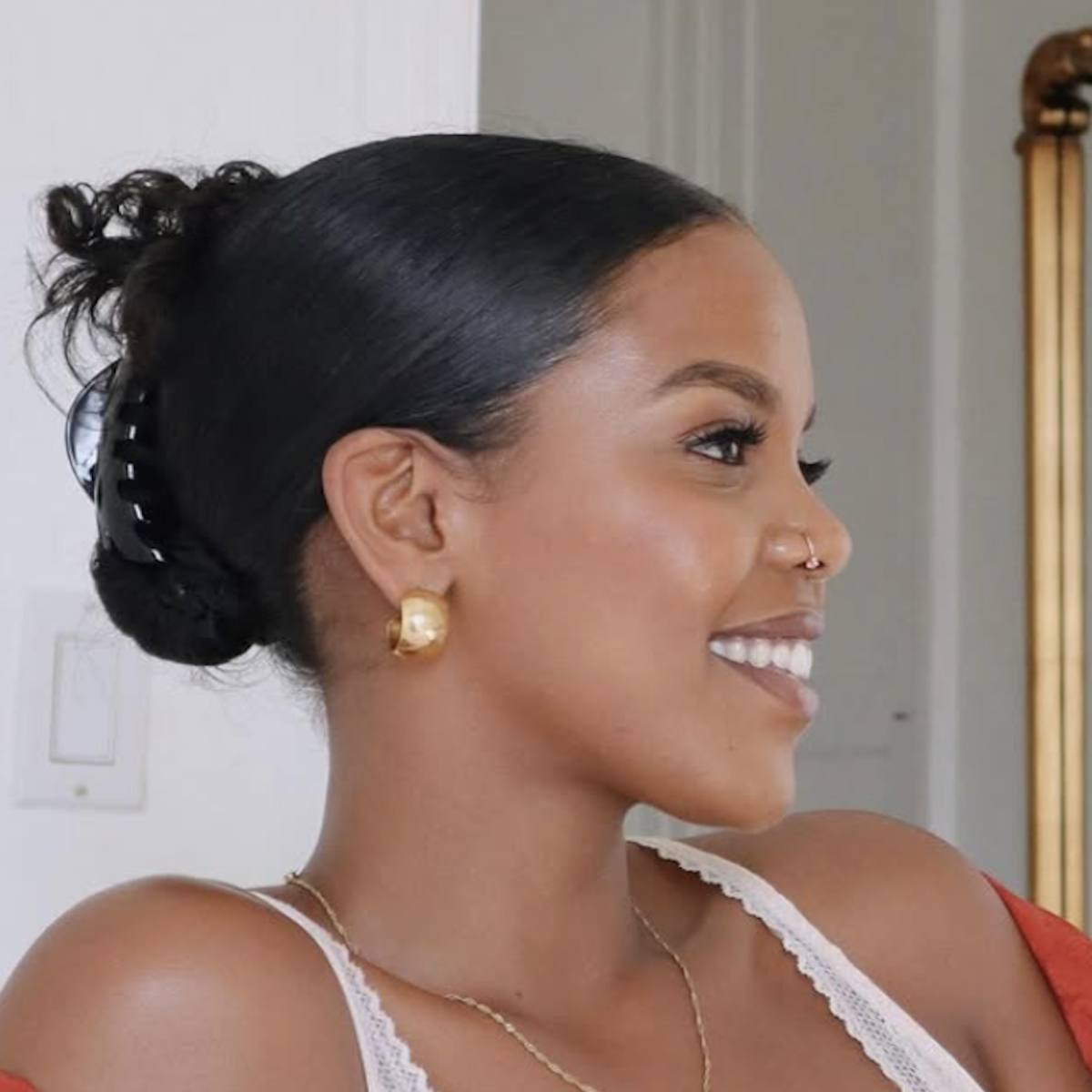
    The low bun is the elegant cousin of the high bun. Instead of sitting on top of the head, it rests at the nape of the neck. This updo is sophisticated, romantic, and perfect for formal events.

    Why it works: A low bun is understated and graceful. It draws attention to the back of the head and the neckline, making it a beautiful choice for weddings, galas, or any event where you are wearing a dress with an open back or statement necklace.

    How to style: Part your hair in the middle or on the side, depending on your preference. Gather your hair loosely at the nape of your neck. Secure with a hair tie. Twist or braid the ponytail, then wrap it around the base. Pin securely. For a softer look, pull out a few face-framing curls around your ears and forehead. Smooth your edges with a small amount of gel.

    Best for: Weddings (as a guest or bride), formal dinners, work events, or any occasion requiring elegance.

    Curl types: All curl types. Type 4 hair may benefit from stretching the curls first to make the bun larger and more visible.

    Products needed: Hair ties, bobby pins, edge control, shine spray.


    4. The Curly French Twist

    The French twist is a timeless updo that looks surprisingly beautiful on curly hair. While traditional French twists are sleek and smooth, a curly French twist embraces texture, creating a soft, romantic version of the classic style.

    Why it works: The French twist is universally flattering. It elongates the neck, highlights the cheekbones, and looks effortlessly chic. On curly hair, the twist has added dimension and visual interest.

    How to style: Start with stretched curls (blow-dried, braided out, or twisted out). Gather all your hair to one side at the back of your head. Roll the hair vertically inward toward the center of your head, creating a twist. Use long bobby pins or hairpins to secure the roll against your head. The ends should be tucked inside or left to fan out slightly at the top. Smooth the top section with a small amount of gel or pomade.

    Best for: Black-tie events, weddings, galas, or any formal occasion.

    Curl types: Best for type 3A to 4A. Very tight coils (type 4B/4C) may need to be stretched significantly or blown out for this style to work.

    Products needed: Long bobby pins or hairpins, gel or pomade for smoothing, hairspray.


    5. The Curly Space Buns

    Space buns are two high buns—one on each side of the head. This playful, youthful updo has been popular for years and looks especially charming on curly hair. The volume of the curls makes the buns look bigger and more whimsical.

    Why it works: Space buns are fun, flirty, and perfect for festivals, concerts, or casual summer days. They keep all your hair off your face and neck while making a bold style statement.

    How to style: Part your hair down the middle. On each side, gather the hair into a high ponytatil near the crown. Secure with a hair tie. Twist or braid each ponytail, then wrap it into a bun and pin in place. For a messier look, leave pieces of curls sticking out. For a sleeker look, smooth the front sections with gel before creating the buns.

    Best for: Music festivals, concerts, beach days, workout classes, or any casual, fun occasion.

    Curl types: All curl types. Type 2 hair may need texturizing spray to help the buns hold their shape.

    Products needed: Hair ties, bobby pins, edge control (optional), colorful scrunchies or accessories (optional).


    6. The Curly Puff (Pineapple Puff)

    The curly puff is essentially a high ponytail that is fluffed out into a round, cloud-like shape. It is one of the simplest curly updo hairstyles and a favorite among women with type 4 hair.

    Why it works: The puff celebrates volume. It is big, bold, and beautiful. It keeps hair off the face while showing off the full glory of your curls or coils. It is also a great protective style because the ends are tucked or left loose without tension.

    How to style: Flip your head upside down. Gather your hair into a high ponytail at the crown. Use a soft, satin scrunchie or a coated hair tie that will not snag your curls. Do not pull the hair tight—leave it loose and full. Fluff the ponytail with your fingers or a wide-tooth comb to create maximum volume. Smooth your edges with edge control for a polished finish.

    Best for: Everyday wear, casual outings, gym sessions, or days when you want big hair with minimal effort.

    Curl types: Best for type 3B to 4C. Looser curls may not hold the rounded puff shape as well.

    Products needed: Satin scrunchie or coated hair tie, edge control, leave-in conditioner for shine.


    7. The Curly Top Knot

    The top knot is similar to the high bun but smaller and more concentrated. Instead of a large, voluminous bun, the top knot is a compact, coiled knot sitting directly on the crown.

    Why it works: The top knot is sleek, modern, and minimalist. It works beautifully for women who want an updo that is polished but not overly fussy. It is also a great style for second-day or third-day hair when your curls have loosened.

    How to style: Gather your hair into a high ponytail at the crown. Instead of wrapping the ponytail around the base, twist the ponytail tightly into a rope. Coil the rope around itself to form a knot. Tuck the ends under the knot and secure with bobby pins. The result should be a tight, compact bun. Smooth the front of your hair with gel for a sleek finish, or leave a few curls out for softness.

    Best for: Work, brunch, travel, or any occasion where you want a clean, put-together look.

    Curl types: Best for type 3A to 4A. Very tight coils may be difficult to twist into a compact knot without significant stretching.

    Products needed: Hair ties, bobby pins, strong-hold gel, edge control.


    8. The Curly Half-Up Half-Down

    The half-up half-down style is exactly what it sounds like: the top half of your hair is pulled into an updo, while the bottom half is left down. This style offers the best of both worlds—the elegance of an updo and the beauty of flowing curls.

    Why it works: The half-up style frames the face beautifully. It keeps hair out of your eyes while still showing off your length and curl pattern. It is versatile enough for both casual and formal occasions, depending on how you style the top section.

    How to style: Section off the top half of your hair, from ear to ear. Gather this section into a ponytail, bun, twist, or braid at the crown or back of your head. Leave the bottom half loose and curly. For a more polished look, smooth the front edges with gel. For a romantic look, pull out a few face-framing curls from the top section.

    Best for: Weddings, date nights, brunch, or any occasion where you want to show off your length while keeping hair off your face.

    Curl types: All curl types. This style is especially flattering for women with longer curls (shoulder-length or longer).

    Products needed: Hair ties, bobby pins, edge control (optional), decorative clips or pins (optional).


    9. The Curly Braided Updo

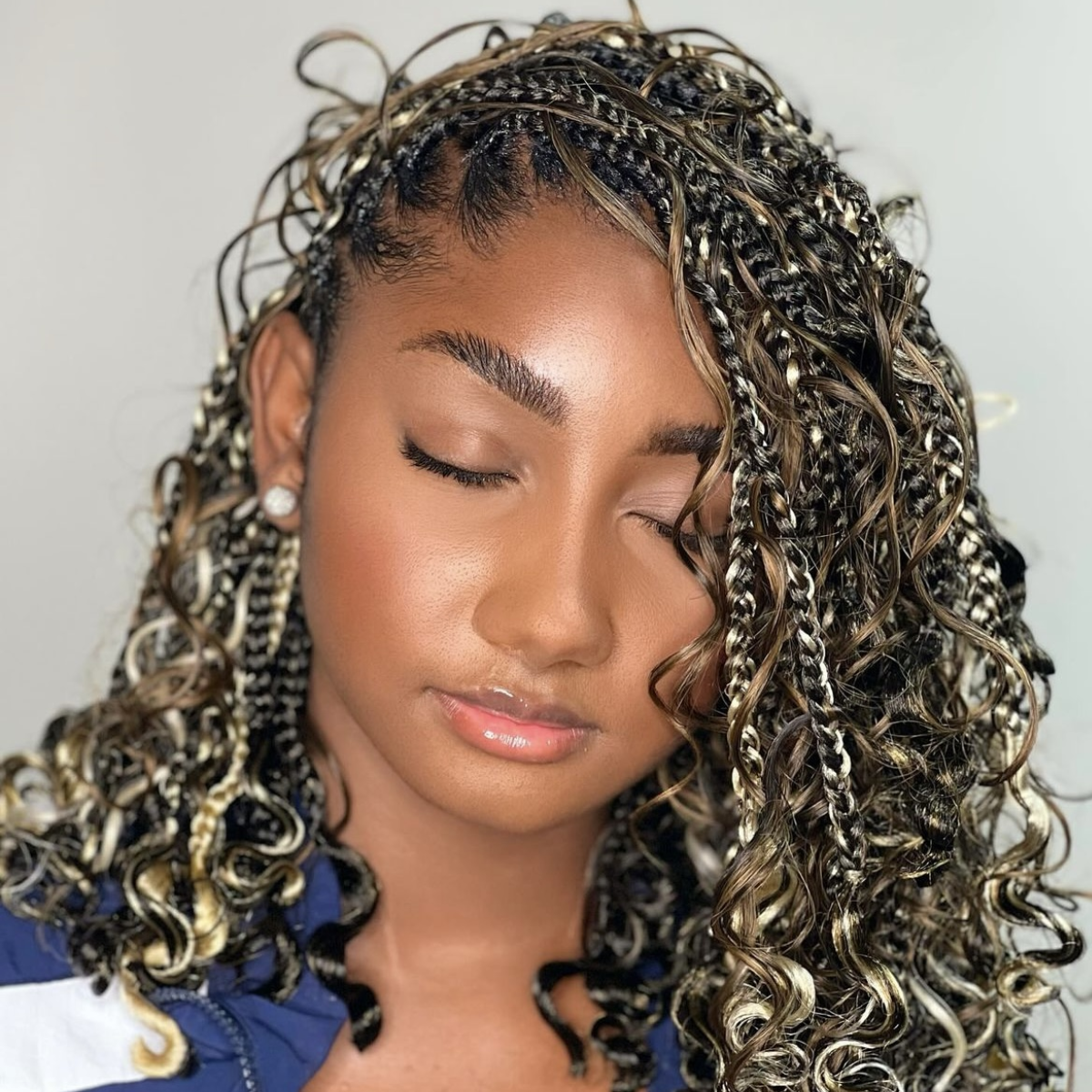
    Braids and curls are a match made in heaven. A curly braided updo incorporates one or more braids into the updo, adding texture, visual interest, and hold. This style is perfect for women who want something more intricate than a simple bun.

    Why it works: Braids add structure to the softness of curls. They also help hold the updo in place, reducing the number of bobby pins needed. Braided updos look intricate and time-consuming, but many are surprisingly simple to create.

    How to style: There are many variations. One simple method: create two or three flat twists or cornrows along your hairline, leading back toward the crown. Gather the remaining hair into a bun or puff at the crown, incorporating the ends of the braids into the bun. Another method: braid your entire ponytail before wrapping it into a bun, creating a braided bun.

    Best for: Weddings, formal events, vacations, or any day you want a style that looks elaborate but is actually low-maintenance.

    Curl types: Best for type 3B to 4C. Braids hold best in textured hair.

    Products needed: Hair ties, bobby pins, edge control, braid gel or cream.


    10. The Curly Messy Bun

    The messy bun is a beloved classic for a reason. It is intentionally imperfect, with pieces of curls sticking out in every direction. This style works for almost any occasion, from the gym to a gala, depending on how you accessorize it.

    Why it works: The messy bun is the ultimate low-effort, high-reward style. It embraces the natural wildness of curly hair instead of fighting it. It takes minutes to create and looks effortlessly chic.

    How to style: Gather your hair into a loose ponytail at whatever height you prefer (high, medium, or low). On the final loop of the hair tie, do not pull the hair all the way through. Leave a loop of hair and let the ends stick out. Pull and tug at the bun gently to loosen it and create more “mess.” Pull out a few curls around your face and ears. Do not use gel or smoothing products—the messier, the better.

    Best for: Everyday wear, running errands, lazy Sundays, or any day when you want to look cute with minimal effort.

    Curl types: All curl types. This style is especially forgiving for second-day or third-day hair.

    Products needed: Hair tie, bobby pins (optional), dry shampoo for texture (optional).


    11. The Curly Crown Braid (Halo Braid)

    The crown braid, also known as a halo braid, is a stunning updo where a braid wraps around the head like a crown. On curly hair, the braid has added texture and the remaining curls can be left loose or pinned up.

    Why it works: The crown braid is regal and romantic. It is a favorite for brides, bridesmaids, and festival-goers. The braid keeps hair off the face while the remaining curls add softness and volume.

    How to style: Part your hair down the middle or on the side. Starting at one ear, create a Dutch braid or French braid along your hairline, moving across the top of your head toward the opposite ear. Continue braiding until you reach the other ear. Secure the braid with a small elastic. Tuck the tail of the braid under the opposite side of the braid and pin in place. Leave the rest of your hair down and curly, or gather it into a low bun for a more formal look.

    Best for: Weddings (as a bride or guest), proms, formal events, music festivals, or any occasion requiring a romantic, ethereal look.

    Curl types: Best for type 3A to 4A. Very tight coils may be difficult to braid smoothly without stretching or blow-drying first.

    Products needed: Small clear elastics, bobby pins, edge control, hairspray.


    How to Choose the Right Curly Updo for You

    With 11 options, here is a quick guide based on your needs:

    • The “I have 5 minutes” Woman: Pineapple Updo, Curly Puff, or Curly Messy Bun.
    • The “I have a formal event” Woman: Curly Low Bun, Curly French Twist, or Curly Crown Braid.
    • The “I want something fun and playful” Woman: Curly Space Buns or Curly High Bun.
    • The “I want to show off my length” Woman: Curly Half-Up Half-Down or Curly High Bun.
    • The “I love intricate styles” Woman: Curly Braided Updo or Curly Crown Braid.

    Prepping Your Curly Hair for an Updo

    The success of any curly updo depends on how you prepare your hair. Here are essential steps:

    Start with dry, stretched curls. Freshly washed and dried curls are often too soft and slippery to hold an updo. For best results, style your curls on day two or three. If you must start with freshly washed hair, use a mousse or gel with strong hold.

    Stretch your curls if needed. Tight coils (type 4B/4C) can be stretched by braiding or twisting damp hair the night before, blow-drying with a diffuser and tension, or using a light blowout. Stretched curls are easier to manipulate and create larger-looking updos.

    Use the right products. For hold: lightweight gel, mousse, or hairspray. For shine: a few drops of hair oil after the updo is complete. For edge control: a non-flaking gel specifically designed for edges. Avoid heavy creams or butters, which will weigh down your updo.

    Detangle thoroughly. Tangled curls will not go smoothly into an updo. Use a wide-tooth comb or your fingers with plenty of conditioner or detangler before styling.


    Tools and Accessories for Curly Updos

    Having the right tools makes all the difference:

    • Satin scrunchies: Gentle on curls and prevent breakage.
    • Coated hair ties: Do not snag or pull on curly strands.
    • Bobby pins: Use the ones with ridges for better grip. Match the color to your hair.
    • Long hairpins: Essential for French twists and other rolled styles.
    • Edge control brush: A small, firm brush for smoothing edges.
    • Wide-tooth comb: For gentle detangling.
    • Hairspray: Light-hold for casual styles, strong-hold for formal events.

    Making Your Curly Updo Last

    Curly hair has a mind of its own. Here is how to keep your updo in place:

    1. Use enough pins. Most people underestimate how many bobby pins they need. For a full updo, use 10-20 pins. Cross the pins in an “X” shape for maximum hold.

    2. Pin into the elastic. When creating a bun, pin through the hair tie or scrunchie, not just the hair. The elastic gives the pins something to grip.

    3. Finish with hairspray. A light mist of flexible-hold hairspray will keep flyaways at bay without making your hair crunchy.

    4. Sleep in it (carefully). If you want your updo to last multiple days, wrap your head in a satin scarf or use a satin pillowcase. In the morning, fluff and respray as needed.


    Curly Updos for Different Curl Types

    Type 2 (Wavy): Your hair may need extra texture and hold. Use sea salt spray or texturizing mousse before styling. Braided updos work especially well because the braids add structure.

    Type 3 (Curly): You have the most versatility. Most updos work beautifully on type 3 hair. Focus on products with medium hold to maintain definition without crunch.

    Type 4 (Coily/Kinky): Your hair has incredible grip, which means updos stay in place with fewer pins. Stretch your hair before styling for more length and volume. The curly puff, pineapple, and braided updos are especially flattering.


    Final Thoughts: Embrace Your Curls Up

    Curly hair is a gift, and updos are one of the best ways to show it off. Whether you are heading to a black-tie wedding or just trying to keep your hair off your neck on a hot summer day, there is a curly updo for every mood and moment. The 11 curly updo hairstyles in this guide prove that you do not need straight hair to achieve elegance, volume, or style. Your natural texture is your greatest asset.

    So experiment. Try the pineapple for a lazy Sunday. Master the French twist for your cousin’s wedding. Rock space buns at your next concert. And remember: the beauty of curly hair is that it never looks exactly the same way twice. Embrace the imperfection, celebrate the volume, and wear your curls up with pride.

  • 15 Angled Bob Hairstyles for Women: Sharp Cuts for Every Face Shape and Texture

    15 Angled Bob Hairstyles for Women: Sharp Cuts for Every Face Shape and Texture

    The Timeless Appeal of the Angled Bob

    Few haircuts have endured as long or evolved as gracefully as the bob. And within the bob family, the angled bob stands apart as the most dynamic, flattering, and versatile option. In this guide, we explore 15 angled bob hairstyles for women that showcase the full range of this iconic cut. Unlike a classic one-length bob that sits uniformly around the head, the angled bob is shorter in the back and gradually longer in the front. This diagonal line creates instant drama, lifts the face, and gives the illusion of longer, leaner features.

    The angled bob works for almost every woman, regardless of age, hair texture, or lifestyle. It can be sleek and corporate or messy and beachy. It can showcase natural curls or celebrate pin-straight precision. It can frame a round face to make it appear slimmer or soften a square jaw with gentle layers. In short, the angled bob is a masterpiece of geometry and style.

    In this guide, we explore 15 angled bob hairstyles for women. Whether you have fine hair that needs volume, thick hair that needs shaping, curly hair that needs definition, or straight hair that needs edge, there is an angled bob here for you. We will discuss face shapes, styling time, maintenance needs, and how to communicate your desired look to your stylist.


    1. The Classic Angled Bob (Stacked Back)

    The classic angled bob is the foundation of all angled bobs. It features a tightly stacked back that is cut short at the nape of the neck, with the hair gradually lengthening toward the front. The front pieces typically fall anywhere from chin-length to collarbone-length.

    Why it works: The stacked back creates incredible volume at the crown, making it an excellent choice for women with fine or thin hair. The sharp angle draws the eye downward, creating a slimming effect for round or heart-shaped faces.

    Styling & Maintenance: This cut looks best when blown dry with a round brush, curling the ends under slightly for a polished finish. For a modern twist, curl the ends outward. The stacked back requires trims every 4-6 weeks to maintain the shape; without regular trims, the stack will flatten and lose its architecture.

    Best Face Shapes: Round, heart, and oval. The height at the back elongates round faces, while the length in front balances a wider forehead.

    How to personalize it: Add a deep side part to increase volume at the crown. Or, keep a middle part for a more symmetrical, sophisticated look.


    2. The Sleek, Straight Angled Bob

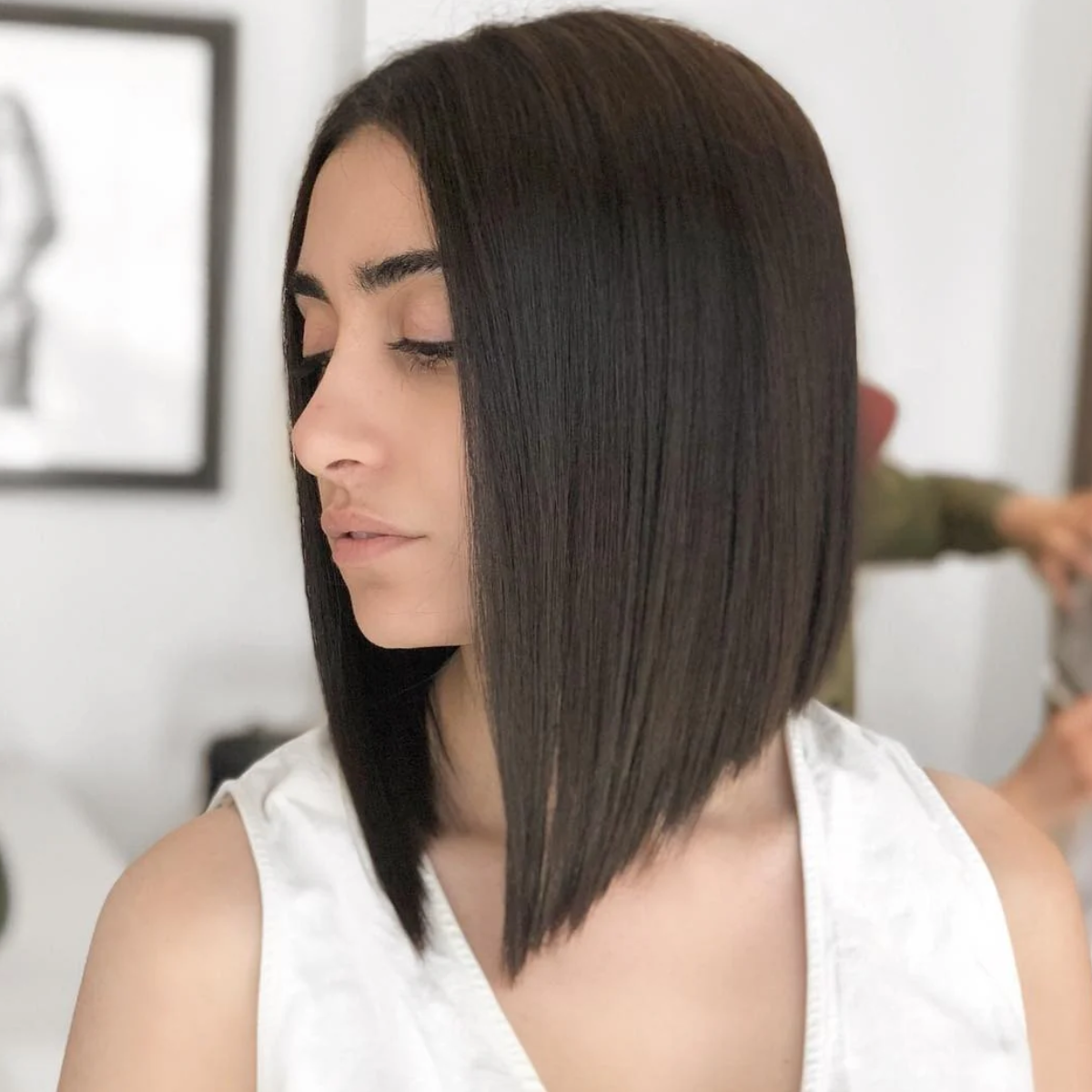
    For women with naturally straight hair or those who love heat styling, the sleek, straight angled bob is the epitome of polished elegance. The hair is cut at a sharp diagonal and styled to be glass-smooth and shiny.

    Why it works: The contrast between the severe straightness of the hair and the diagonal line of the cut is visually striking. This style looks expensive and editorial. It also makes fine hair appear thicker because the blunt ends create a solid line of density.

    Styling & Maintenance: You will need a high-quality flat iron, heat protectant, and shine serum. Blow-dry the hair smooth first, then flat iron small sections for a mirror finish. A trim every 4-5 weeks is essential; even a small amount of growth will ruin the sharp line.

    Best Face Shapes: Oval, square, and heart. Women with very round faces may find that the sleekness accentuates roundness, so a softer texture might be better.

    How to personalize it: Tuck one side behind the ear for an asymmetrical moment. Or, add a deep side part with a dab of gel to keep the shorter side sleek against the head.


    3. The Curly Angled Bob

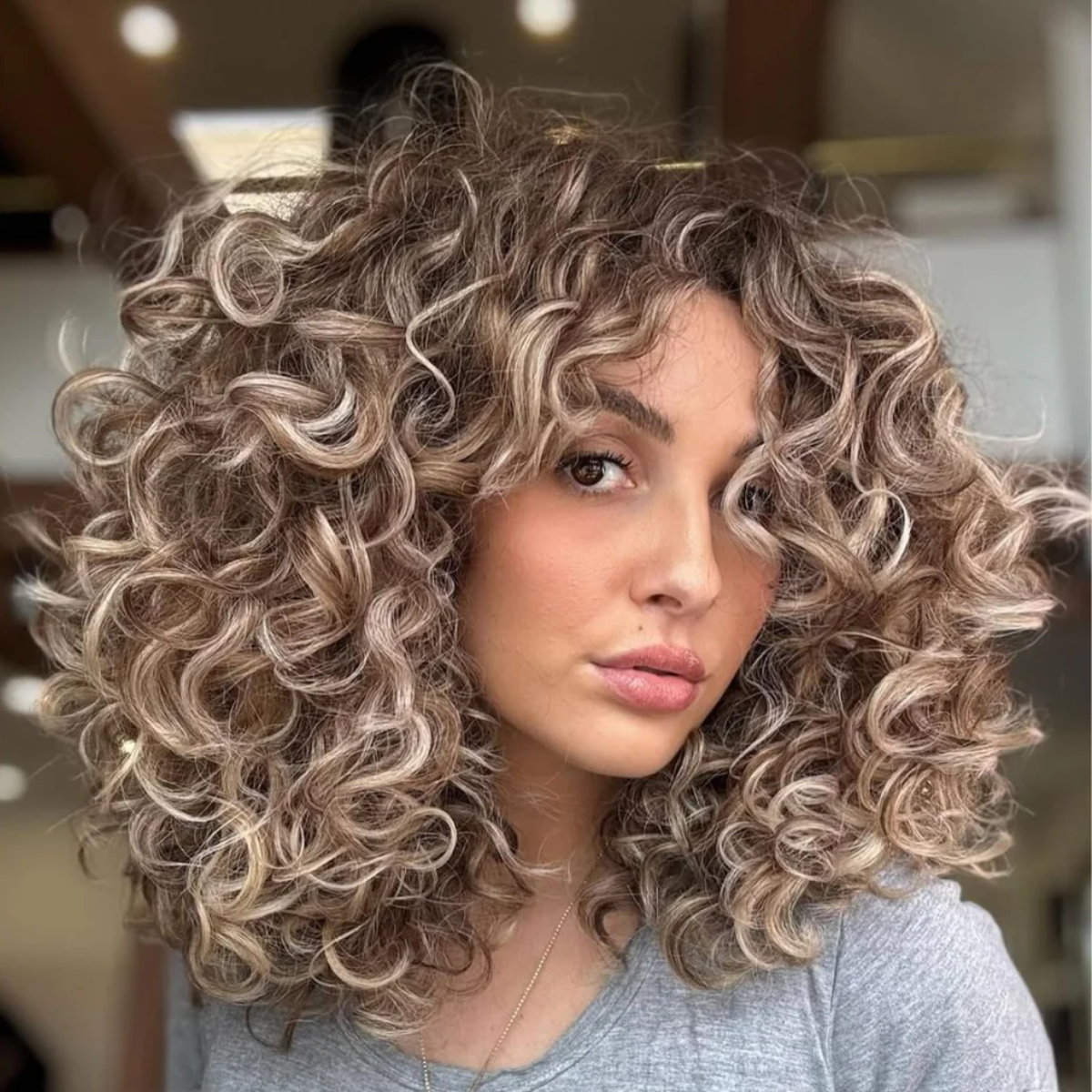
    Curly hair and angled bobs are a match made in heaven. The angled shape prevents the dreaded “triangle head” that curly-haired women often experience with one-length cuts. By keeping the back shorter and the front longer, the curls stack beautifully and fall into a natural, face-framing shape.

    Why it works: Curls have natural volume, and the angled cut enhances that volume where you want it most—at the crown and around the face. The shorter back also prevents the hair from rubbing against collars and causing frizz.

    Styling & Maintenance: Wash with moisturizing shampoo and conditioner. Apply a leave-in conditioner and a curl cream or gel to soaking wet hair. Scrunch with a microfiber towel, then air dry or use a diffuser. To refresh on non-wash days, spritz with water mixed with conditioner and scrunch again. Trims every 6-8 weeks keep the shape from becoming too round.

    Best Face Shapes: Oval, square, and diamond. The softness of the curls counteracts strong angles, while the length in front elongates rounder faces.

    How to personalize it: Ask your stylist for “invisible layers” within the curls to remove bulk without changing the overall shape. You can also add highlights to the longer front pieces to draw attention to the angle.


    4. The Inverted Bob

    The inverted bob is a more dramatic version of the classic angled bob. The back is cut extremely short—sometimes almost to the skin—while the front is left significantly longer, often reaching the collarbone or beyond.

    Why it works: The extreme angle creates maximum lift at the crown and maximum drama in the front. This is a bold, confident cut that works beautifully for women with thick hair that needs to be lightened or fine hair that needs volume.

    Styling & Maintenance: The inverted bob requires regular styling to maintain the dramatic line. Blow-dry with a round brush, focusing on lifting the short back section. The front long pieces can be curled under, flipped out, or left straight. Trims every 4 weeks are non-negotiable; the extreme angle becomes obvious when it grows out.

    Best Face Shapes: Oval, heart, and long. The short back and long front create horizontal movement that balances long faces. Women with round faces should be cautious, as the extreme angle can sometimes emphasize width.

    How to personalize it: Shave the back into an undercut for an edgy surprise. Or, color the longer front pieces a lighter shade than the back for a modern ombré effect.


    5. The Textured Angled Bob

    The textured angled bob is all about movement and piece-y separation. Instead of a blunt, uniform line, the ends are cut with point-cutting or slicing techniques to create softness and dimension.

    Why it works: Texture is the secret weapon for women with fine or thin hair. The choppy ends create the illusion of density by adding “air” between the strands. Texture also makes the cut look effortlessly cool—like you just rolled out of bed looking amazing.

    Styling & Maintenance: This is a low-maintenance cut. Apply a texturizing spray or sea salt spray to damp hair, then scrunch and air dry. For a more polished look, use a small amount of pomade or wax on dry hair to define the piece-y ends. The textured cut grows out gracefully, so you can stretch trims to 8 weeks.

    Best Face Shapes: All face shapes. The soft, choppy ends can be customized to flatter any face by adjusting where the texture falls.

    How to personalize it: Ask for “disconnected” layers, where some pieces are significantly shorter than others for maximum texture. You can also add balayage highlights to make the texture even more visible.


    6. The Blunt Angled Bob

    The blunt angled bob combines the sharp diagonal of an angled cut with the solid, heavy ends of a blunt cut. The back is stacked or tapered, but the front is cut with a straight, unlayered line.

    Why it works: The blunt ends create the illusion of thicker, healthier hair. This is an excellent choice for women with fine hair who want to maximize density or for women with thick hair who want a clean, architectural shape.

    Styling & Maintenance: This cut requires precision. Blow-dry with a round brush, making sure the ends are perfectly straight. A flat iron can help achieve a razor-sharp finish. Use a shine spray to emphasize the bluntness. Trims every 4-5 weeks are essential; blunt ends look ragged when they grow out.

    Best Face Shapes: Oval, square, and heart. The strong horizontal line of the blunt ends balances a pointy chin or a wide forehead.

    How to personalize it: Angle the blunt line more dramatically in the front for a fashion-forward look. Or, keep the angle subtle for a more classic, wearable style.


    7. The Wavy Angled Bob

    For women with natural waves or those who love using a curling wand, the wavy angled bob is a romantic, effortless choice. The waves add softness and movement to the sharp diagonal line.

    Why it works: The contrast between the structured angle and the soft, organic waves is visually interesting. The waves also add volume, making this a great choice for women with fine or limp hair.

    Styling & Maintenance: After washing, apply a heat protectant and a volumizing mousse. Blow-dry roughly, then use a large-barrel curling wand or a flat iron to create loose, beachy waves. Run your fingers through the waves to break them up, then finish with a light-hold hairspray. Trims every 6-8 weeks.

    Best Face Shapes: Oval, round, and heart. The softness of the waves counteracts the sharpness of the angle, making this a universally flattering combination.

    How to personalize it: Keep the waves tighter and more defined for a vintage look, or looser and more relaxed for a modern beachy vibe. You can also add a deep side part to change the wave pattern.


    8. The Asymmetrical Angled Bob

    Take the angled bob one step further with asymmetry. In this cut, one side of the front is noticeably longer than the other. The back is still shorter, but the diagonal line is uneven from left to right.

    Why it works: Asymmetry adds drama and edge. It draws the eye across the face, making it an excellent choice for women with long or oval faces. It also looks modern and artistic without being “too young.”

    Styling & Maintenance: This cut requires a skilled stylist who understands asymmetrical shapes. The longer side may need to be blown dry or curled to maintain the line, while the shorter side can be left natural. Trims every 5-6 weeks are essential; if the asymmetry grows out, it just looks like a bad haircut.

    Best Face Shapes: Oval, square, and heart. The diagonal line breaks up the symmetry of a square jaw beautifully.

    How to personalize it: Color the longer side a slightly lighter shade than the shorter side to emphasize the difference. Or, shave the shorter side very close to the head for a bold contrast.


    9. The Layered Angled Bob

    Layers and angles work beautifully together. In a layered angled bob, the hair is cut at a diagonal, but additional layers are added throughout to remove bulk, add movement, or create volume.

    Why it works: Layers are incredibly customizable. For women with thick hair, layers remove weight and prevent the “pyramid” shape. For women with fine hair, short layers at the crown create lift and volume. For women with curly hair, layers allow the curls to spring up into their natural shape.

    Styling & Maintenance: Styling depends on your hair type and the specific layers you choose. Generally, a volumizing mousse and a blow-dry with a round brush work well. The layered cut grows out more gracefully than a blunt cut, so you can stretch trims to 6-8 weeks.

    Best Face Shapes: All face shapes. Layers can be customized to flatter any face by adjusting where the shortest layers fall.

    How to personalize it: Ask for “long layers” if you want to keep more weight and length, or “short layers” for maximum volume and texture. Face-framing layers that start at the cheekbones are especially flattering for mature women.


    10. The Long Angled Bob (The “Lob”)

    The lob (long bob) is an angled bob that falls somewhere between the chin and the collarbone in the front, with a back that is only slightly shorter. The angle is subtle rather than dramatic.

    Why it works: The lob is the most versatile and low-commitment angled bob. It offers the flattering benefits of the angle—face-framing, slimming—without the high maintenance of a very short back. It also works for women who are nervous about cutting their hair too short.

    Styling & Maintenance: The lob can be styled in dozens of ways: straight, wavy, curly, half-up, or even in a low ponytail. This makes it perfect for women who like variety. Trims every 8-10 weeks are usually sufficient.

    Best Face Shapes: All face shapes. The subtle angle and longer length make this the most universally flattering angled bob.

    How to personalize it: Add curtain bangs that blend into the longer front pieces. Or, keep it completely blunt for a sleek, polished look. You can also add soft, beachy waves for a relaxed vibe.


    11. The Choppy Angled Bob

    The choppy angled bob is the edgy cousin of the textured bob. Instead of soft, piece-y ends, this cut features bold, disconnected chunks of hair at different lengths throughout the angle.

    Why it works: The choppy cut is rebellious and modern. It works best for women with thick hair that can handle the removal of significant weight. The choppiness adds rock-and-roll attitude to an otherwise classic shape.

    Styling & Maintenance: Use a texturizing paste or wax on dry hair to define the individual chunks. Messy is the goal—do not over-brush or over-smooth. A little bit of dry shampoo at the roots will add even more texture. Trims every 6-8 weeks.

    Best Face Shapes: Oval and square. The choppiness softens a square jaw, while the angle elongates an oval face.

    How to personalize it: Ask your stylist to use a razor or texturizing shears to create the choppy effect. You can also add an undercut or shaved design on one side for maximum edge.


    12. The A-Line Angled Bob

    The A-line bob is a specific type of angled bob where the back is cut very short and stacked, and the front is significantly longer, creating a shape that resembles the letter “A.”

    Why it works: The A-line bob is the most dramatic version of the angled bob. The steep angle creates maximum lift at the crown and maximum length in the front. This is a glamorous, red-carpet-ready cut.

    Styling & Maintenance: This cut requires regular styling to maintain the dramatic line. Blow-dry with a round brush, curling the longer front pieces under for a classic A-line shape or flipping them out for a modern twist. Trims every 4 weeks are non-negotiable.

    Best Face Shapes: Oval and heart. The steep angle elongates round faces and balances a pointy chin.

    How to personalize it: Add a deep side part to increase volume at the crown. Or, keep the front pieces pin-straight for a sleek, severe look.


    13. The Feathered Angled Bob

    The feathered angled bob features soft, wispy ends that curve away from the face, creating a “feathered” effect. This style was popular in the 1970s and 1990s and is now making a strong comeback.

    Why it works: The feathered ends add softness and movement. This is an excellent choice for women with fine hair because the feathering creates the illusion of volume without adding weight. It also softens strong facial features.

    Styling & Maintenance: Blow-dry with a round brush, rolling the ends away from your face to create the feathered flip. A light-hold hairspray will keep the feathers in place. Trims every 6-8 weeks.

    Best Face Shapes: Square, heart, and diamond. The soft, outward-curving ends counteract sharp jawlines and angular features.

    How to personalize it: Add long, feathered bangs that blend into the rest of the cut. Or, keep the feathers concentrated at the ends only for a more subtle effect.


    14. The Undercut Angled Bob

    For the bold woman who loves surprises, the undercut angled bob combines the classic angled shape with a shaved or closely cropped section underneath, usually at the nape of the neck or behind one ear.

    Why it works: The undercut removes significant bulk, making it a great choice for women with very thick, heavy hair. It also adds an element of surprise—the cut looks conservative from the front but edgy from the back or side.

    Styling & Maintenance: The visible hair is styled just like a regular angled bob. The undercut section requires its own maintenance; shaved areas need trimming every 2-4 weeks to prevent stubble from showing. If the undercut is hidden, you can let it grow out without anyone noticing.

    Best Face Shapes: Oval, square, and heart. The undercut does not change the face-framing effect of the angle, so it works for the same face shapes as a classic angled bob.

    How to personalize it: Add a design to the undercut—lines, zigzags, or even a small shape like a star or heart. Or, keep the undercut completely bare for a clean, minimalist look.


    15. The Angled Bob with Bangs

    Adding bangs to an angled bob creates a completely new hairstyle. The bangs can be blunt, side-swept, wispy, or curtain-style. The angle of the bob remains, but the bangs add an additional layer of face-framing.

    Why it works: Bangs are incredibly flattering for women who want to disguise a high forehead, soften wrinkles, or draw attention to their eyes. When combined with the angled bob, bangs create a cohesive, polished look.

    Styling & Maintenance: Styling depends on the type of bangs you choose. Blunt bangs require regular trims every 2-3 weeks and daily styling with a round brush or flat iron. Side-swept bangs are lower maintenance and can be blended into the longer front pieces. Curtain bangs are the most forgiving as they grow out.

    Best Face Shapes: Oval, heart, and long. Bangs shorten the appearance of a long face, while the angle balances a wider forehead.

    How to personalize it: Pair a blunt angled bob with blunt, eyebrow-grazing bangs for a bold, graphic look. Or, pair a soft, textured angled bob with wispy, side-swept bangs for a romantic feel.


    How to Choose the Right Angled Bob for You

    With 15 options, narrowing down the choice can feel overwhelming. Here is a quick guide based on your priorities:

    • The “I have fine or thin hair” Woman: Classic Angled Bob, Textured Angled Bob, or Feathered Angled Bob.
    • The “I have thick, heavy hair” Woman: Inverted Bob, Undercut Angled Bob, or Choppy Angled Bob.
    • The “I have curly or wavy hair” Woman: Curly Angled Bob, Wavy Angled Bob, or Layered Angled Bob.
    • The “I want low maintenance” Woman: Textured Angled Bob or Long Angled Bob (Lob).
    • The “I love drama and edge” Woman: Asymmetrical Angled Bob, A-Line Bob, or Undercut Angled Bob.
    • The “I want to look polished every day” Woman: Sleek Straight Angled Bob, Blunt Angled Bob, or Angled Bob with Bangs.

    Understanding Your Face Shape for the Perfect Angle

    The angle of your bob should complement your natural features. Here is a breakdown:

    Round Face: Look for an angled bob with significant height at the crown and length in the front that reaches past the chin. The angle should be steep. Avoid blunt ends that end exactly at the chin, as this will emphasize roundness.

    Oval Face: You are lucky—almost any angled bob works for you. Experiment with dramatic angles, blunt ends, or soft textures. The world is your oyster.

    Square Face: Soften your strong jawline with textured ends, waves, or curls. Avoid blunt, straight-across ends that end at the jaw. A side part also helps soften squareness.

    Heart Face: Balance a wider forehead with volume at the chin. Look for an angled bob that is fuller and longer in the front. Side-swept bangs are also very flattering.

    Long Face: You want to create width, not length. Choose an angled bob with a less dramatic angle and more volume on the sides. Avoid very short backs that add height at the crown.

    Diamond Face: Highlight your cheekbones with an angled bob that hits right at or just below the chin. Soft waves or textured ends are especially flattering.


    Talking to Your Stylist: What to Say

    Clear communication is the key to getting the angled bob of your dreams. Here is what to discuss with your stylist:

    • “I want an angled bob that is shorter in the back and longer in the front. Can you show me how steep the angle will be?”
    • “My face shape is [round, square, oval, etc.]. What angle length would be most flattering for me?”
    • “I have [fine, thick, curly, straight] hair. Should we add layers or keep it blunt?”
    • “How much styling time will this cut require each morning?”
    • “How often will I need to come in for trims to maintain this shape?”

    Bring photos! Find 2-3 images of angled bobs on women with similar hair texture and face shape to yours. This is much more effective than trying to describe the cut with words alone.


    Maintenance Cheat Sheet for Angled Bobs

    Regardless of which angled bob you choose, these maintenance tips will keep your cut looking fresh:

    1. Trims are non-negotiable. The angled bob relies on precise lines. Depending on the style, you will need a trim every 4-8 weeks. The more dramatic the angle, the more frequent the trims.

    2. Invest in the right products. Volumizing mousse for fine hair, smoothing serum for thick hair, curl cream for curly hair, and heat protectant for anyone who uses hot tools.

    3. Learn two or three styling methods. Even if you love wearing your angled bob straight, learn how to add waves or curls for variety. This will extend the life of your cut between trims.

    4. Protect your style at night. A satin or silk pillowcase reduces friction and prevents frizz. For curly or wavy angled bobs, a satin bonnet or “pineapple” (loose ponytail on top of your head) is even better.

    5. Dry shampoo is your friend. On second-day hair, dry shampoo at the roots absorbs oil and adds volume. This is especially useful for the stacked back section, which can flatten overnight.


    The Angled Bob Through the Decades

    The angled bob has been reinvented by every generation. In the 1920s, it was the “Eton crop” worn by flappers. In the 1960s, Vidal Sassoon popularized the geometric, architectural bob. In the 1990s, the “A-line” bob became a signature of supermodels like Linda Evangelista. Today, the angled bob continues to evolve, with textured, curly, and asymmetrical variations leading the way.

    What makes the angled bob so enduring? It is the perfect balance of structure and softness. It is professional but not stuffy, edgy but not intimidating, trendy but not fleeting. It is a haircut that announces, “I know what works for me.”


    Final Thoughts: The Confidence of a Great Angle

    Choosing a new haircut is always a leap of faith. But the angled bob has one of the highest satisfaction rates of any hairstyle. Women who try it rarely go back to one-length cuts. There is something about the way the shorter back lifts the crown, the way the longer front frames the face, and the way the diagonal line creates movement and energy.

    Whether you choose a dramatic A-line bob that turns heads or a subtle lob that quietly flatters, the angled bob is a celebration of geometry and grace. It works for women in their twenties experimenting with style and women in their seventies embracing ease. It works for sleek, straight hair and wild, curly hair. It works for the boardroom, the beach, and everywhere in between.

    So book that appointment. Bring your inspiration photos. Trust your stylist. And get ready to experience one of the most flattering, freeing, and fabulous haircuts of your life. Here is to the angle—and to the confidence it brings.

  • 12 Short Hairstyles for Women Over 70: Effortless Cuts for Confidence and Grace

    12 Short Hairstyles for Women Over 70: Effortless Cuts for Confidence and Grace

    Embracing Beauty at Every Age

    There is a unique freedom that comes with age. For women over 70, beauty routines often shift from chasing trends to celebrating what works—comfort, confidence, and authenticity. Few decisions reflect this shift more clearly than the choice to wear short hair. Short hairstyles for women over 70 are not about “giving up” or “settling.” They are about smart choices: less time under the dryer, more volume where it matters, and cuts that highlight the eyes, cheekbones, and smile.

    As hair naturally changes with age—thinning, graying, or changing texture—the right haircut can work wonders. Fine hair can look fuller. Curly hair can become more manageable. Gray and silver strands can shine like never before. The key is finding a cut that respects your hair’s current condition while making you feel like the best version of yourself.

    In this guide, we explore 12 short hairstyles for women over 70. Each style is chosen for its practicality, elegance, and ability to flatter mature features. We will discuss face shapes, styling time, maintenance needs, and how to adapt each look to your unique hair texture. Whether you have pin-straight silver hair, soft waves, or tight curls, there is a short cut here for you.


    1. The Classic Pixie Cut

    The pixie cut is perhaps the most iconic short hairstyle for women over 70. It is short on the back and sides with slightly longer layers on top. The pixie is timeless, elegant, and surprisingly versatile.

    Why it works: A pixie cut lifts the face. By keeping the hair close to the head at the nape and building height at the crown, the pixie draws the eye upward, softening the appearance of jowls and neck lines. It also makes fine hair look thicker because there is less weight pulling the hair down.

    Styling & Maintenance: This is a low-maintenance style. After washing, apply a lightweight mousse or volumizing spray to the roots on top. Blow-dry with a round brush, lifting the hair at the crown. For a softer look, simply finger-comb a pea-sized amount of styling cream through dry hair. Trims are needed every 4-6 weeks to keep the shape crisp.

    Best Face Shapes: Oval, heart, and round. Women with very long faces should keep a little more length on the sides to add width.

    How to personalize it: Add soft, side-swept bangs that graze the eyebrow. Or, keep the top piece longer so you can sweep it to one side for asymmetry.


    2. The Soft Curly Pixie

    For women with naturally curly or permed hair, the soft curly pixie is a dream. It takes the structure of a traditional pixie but embraces the natural texture instead of fighting it with heat.

    Why it works: Curls add automatic volume. As hair thins with age, curls can create the illusion of density. A curly pixie also softens facial features, making it an excellent choice for women with sharp jawlines or angular faces.

    Styling & Maintenance: Wash with a moisturizing shampoo and conditioner designed for curls. Apply a leave-in conditioner and a light gel or curl cream while the hair is soaking wet. Scrunch with a microfiber towel or an old t-shirt (never a terry cloth towel, which causes frizz). Air dry or use a diffuser on low heat. To refresh on non-wash days, spritz with water mixed with a little conditioner and scrunch again.

    Best Face Shapes: Square, oval, and diamond. The softness of the curls counteracts strong angles.

    How to personalize it: Keep the curls tighter and shorter on the sides while leaving more length on top for a “curly mohawk” effect. Or, ask your stylist to taper the nape very short for a cleaner look.


    3. The Tapered Cut (Natural or Relaxed)

    The tapered cut is short on the sides and back, gradually increasing in length as you move toward the crown. This works beautifully for both natural Black hair and relaxed textures.

    Why it works: A taper removes bulk where you don’t need it (the sides) and concentrates volume where you do (the top). This is especially flattering for women whose hair has become thinner overall. It also keeps the neck cool and clean.

    Styling & Maintenance: For natural hair, apply a curl defining cream and use a curl sponge or your fingers to shape the top. For relaxed hair, a small amount of pomade or wax will keep the top sleek. The faded sides require a barber or stylist every 3-4 weeks to maintain the clean lines.

    Best Face Shapes: Round and square. The height on top elongates the face, while the short sides slim the silhouette.

    How to personalize it: Ask your barber to add a subtle design into the fade—a simple line or curve. You can also color the top section a soft platinum or lavender for a modern touch.


    4. The Modern Bob (Chin-Length)

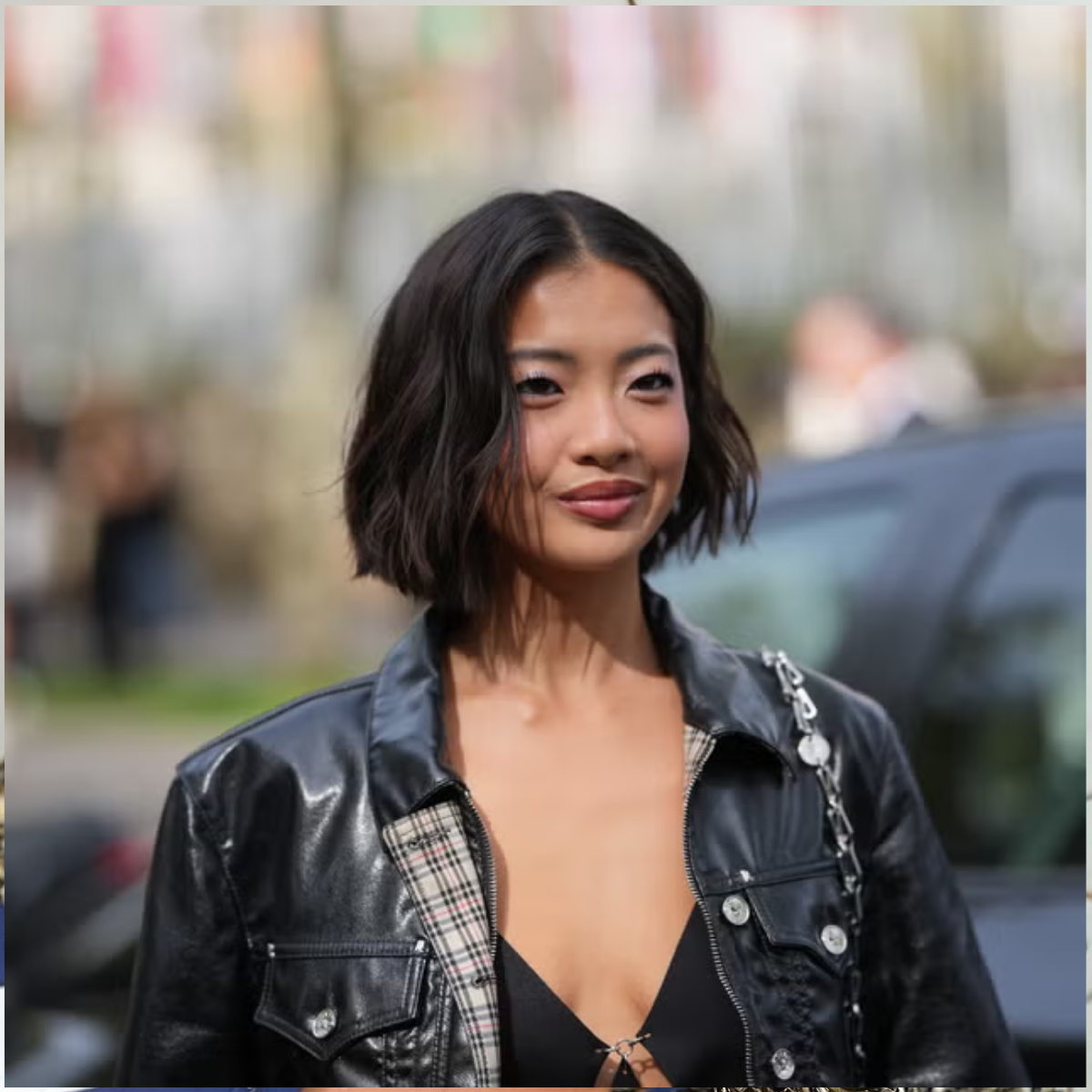
    Not all short hairstyles for women over 70 are pixie-short. A chin-length bob offers more length while still being easy to manage. The modern bob is typically blunt-cut or slightly stacked in the back.

    Why it works: A bob frames the face beautifully. It can hide a double chin by drawing the eye to the jawline instead. It also works well for women who are not ready to go extremely short but want to lose the weight of long hair.

    Styling & Maintenance: This is a versatile cut. You can blow-dry it straight with a round brush for a sleek look, or let it air dry with a little mousse for soft waves. A bob requires trims every 6-8 weeks to prevent the ends from looking ragged. If you have fine hair, ask your stylist for internal layers to create movement without losing density.

    Best Face Shapes: Oval, oblong, and heart. Women with round faces should keep the bob slightly longer in the front (a lob) to create a slimming effect.

    How to personalize it: Add soft, curtain bangs that part in the middle. Or, keep the bob asymmetrical—slightly shorter in the back and longer in the front.


    5. The Layered Short Cut

    Layers are the secret weapon for aging hair. A layered short cut involves cutting the hair at different lengths throughout, creating texture, movement, and the illusion of fullness.

    Why it works: As hair thins, a one-length cut can look flat and lifeless. Layers add “air” between the strands, making the hair look bouncier and thicker. Layers also reduce bulk for women with thick, coarse hair that has become unruly.

    Styling & Maintenance: This cut is designed to be wash-and-go. Apply a volumizing mousse to damp hair, then blow-dry using your fingers or a round brush. For curly hair, apply a curl cream and air dry. The layers will do the work for you. Trims every 6 weeks will keep the layers from growing out into a heavy shape.

    Best Face Shapes: All face shapes. Layers can be customized to flatter any face by adjusting where the shortest layers fall.

    How to personalize it: Ask for “long layers” if you want to keep more length, or “short layers” for maximum volume and texture. You can also add highlights to the top layers to make the texture even more visible.


    6. The Textured Crop

    The textured crop is shorter than a pixie but softer than a buzz cut. It is uniform in length (usually 1 to 2 inches all over) but with plenty of texture cut into the ends to prevent a “helmet” look.

    Why it works: This is the ultimate low-maintenance style. You can wash it, towel dry it, and walk out the door. The textured crop works beautifully for women with fine, thin hair because the texture creates the illusion of density. It also highlights the eyes and bone structure like no other cut.

    Styling & Maintenance: Virtually zero styling time. Apply a tiny amount of texturizing paste or a lightweight wax to dry hair, rubbing it between your palms, then scrunching it through the hair. This will separate the strands and enhance the texture. Trims every 4-5 weeks keep the shape from becoming too round.

    Best Face Shapes: Oval, heart, and diamond. Women with very round faces may prefer a little more height on top to elongate the face.

    How to personalize it: Keep the texture piece-y and messy for an editorial look, or smooth it down with a light gel for a cleaner, more polished appearance.


    7. Finger Waves (Vintage Glam)

    Finger waves are a classic short hairstyle that has been beloved by women for nearly a century. This style involves sculpting the hair into continuous “S” shapes using only fingers and a comb. It is often seen as a formal or special occasion style.

    Why it works: Finger waves are undeniably elegant. They look like a work of art. For women over 70, finger waves can evoke a sense of nostalgia while still feeling fresh and modern. They also work beautifully on gray and silver hair, as the waves catch the light and show off the color’s dimension.

    Styling & Maintenance: This is not an everyday style for most women, as it requires setting lotion and a hooded dryer. However, once set, finger waves can last up to a week if you sleep with a satin scarf. To style, apply strong-hold gel to damp hair, then use your fingers and a fine-tooth comb to pinch the waves into place. Sit under a dryer until completely dry. Do not touch until dry, or the waves will frizz.

    Best Face Shapes: Oval and heart. The soft curves of the waves balance a pointed chin or a wide forehead.

    How to personalize it: Add a deep side part for drama. Or, pin a decorative clip or fresh flower behind one ear for a special event.


    8. The Asymmetrical Cut

    For the bold woman over 70 who loves modern style, the asymmetrical cut is a fantastic choice. This cut is longer on one side than the other, creating a diagonal line across the head.

    Why it works: Asymmetry adds interest and movement. It draws the eye across the face rather than up and down, which can be flattering for women with longer faces. It also looks edgy and contemporary without being “too young.”

    Styling & Maintenance: This cut requires precision, so find a stylist who is comfortable with asymmetrical shapes. The longer side may need to be blown dry or curled slightly to maintain the line, while the shorter side can be left natural. Trims every 5-6 weeks are essential; if the asymmetry grows out, it just looks like a bad haircut.

    Best Face Shapes: Oval and square. The diagonal line breaks up the symmetry of a square jaw beautifully.

    How to personalize it: Shave the shorter side very close to the head for a dramatic contrast. Or, color the longer side a slightly lighter shade than the shorter side to emphasize the difference.


    9. The Sleek Short Bob (Blunt Cut)

    A sleek, blunt short bob is the definition of polished. This cut sits right at the jawline or just below the ears and is cut in a straight, even line without layers.

    Why it works: A blunt cut makes fine hair look thicker because the ends are all the same length, creating a solid line of density. On gray or white hair, a blunt bob looks especially striking—almost architectural. It is a power haircut for the confident woman.

    Styling & Maintenance: This cut requires regular heat styling to keep it sleek unless your hair is naturally pin-straight. Use a heat protectant, then blow-dry with a round brush or flat iron. A shine serum will add polish. The blunt ends need trims every 4-5 weeks; even a quarter-inch of growth will ruin the clean line.

    Best Face Shapes: Oval, heart, and square. Women with round faces should avoid this cut, as the blunt line can emphasize roundness.

    How to personalize it: Tuck one side behind the ear for an asymmetrical moment. Or, add a deep side part and use a lightweight gel to keep the shorter side sleek against the head.


    10. The Short Shag

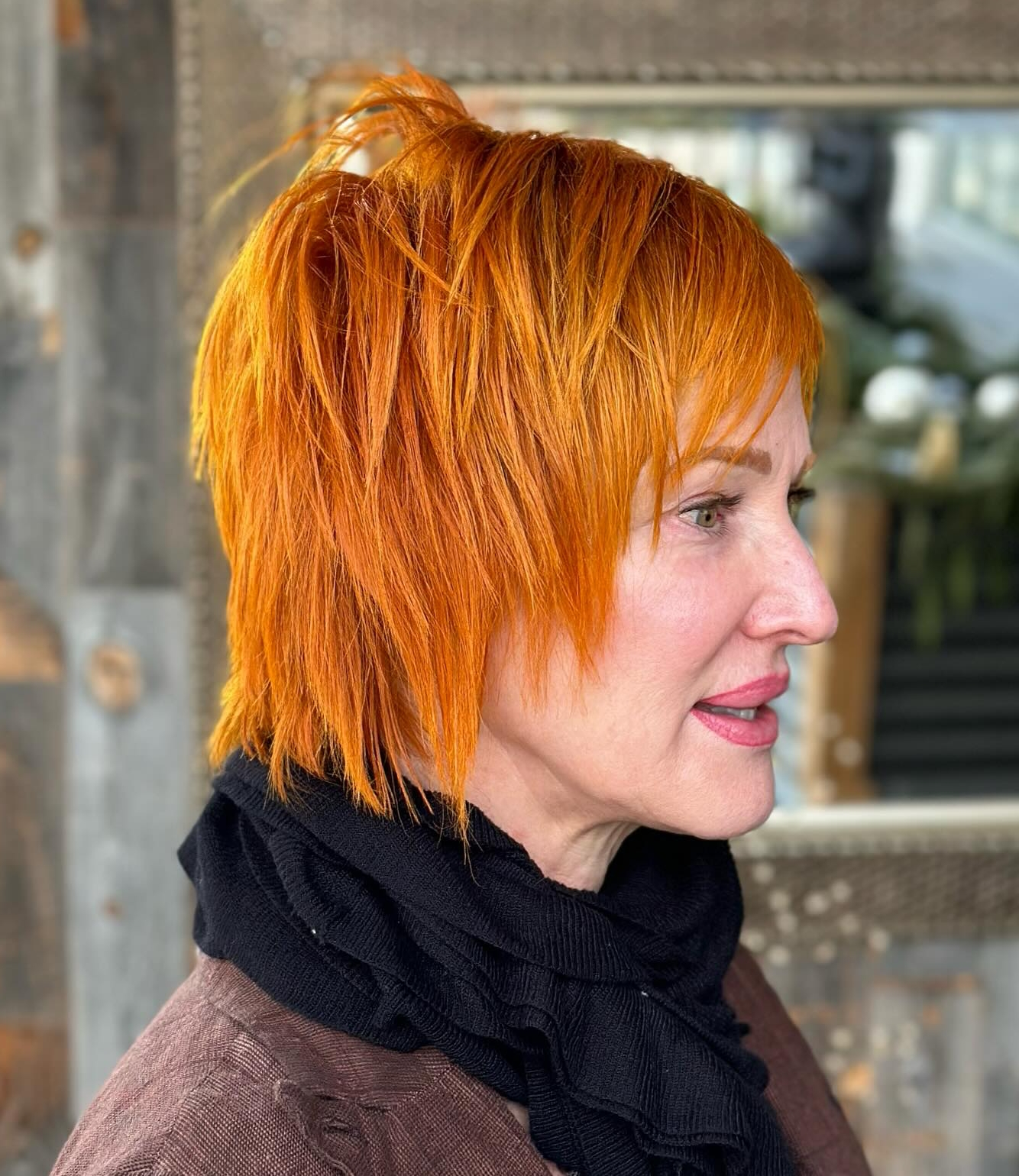
    The shag haircut has made a major comeback, and it works wonderfully for women over 70. A short shag features choppy layers, lots of texture, and often, wispy bangs.

    Why it works: The shag is messy in the best possible way. It requires almost no perfect styling. The choppy layers create volume and movement, making thin hair look fuller. The wispy bangs soften forehead wrinkles and draw attention to the eyes.

    Styling & Maintenance: This is a wash-and-go cut. Apply a texturizing spray or sea salt spray to damp hair, then scrunch and air dry. For a more polished shag, use a round brush to curl the ends under slightly. The shag grows out gracefully because the layers are intentionally uneven, so you can stretch trims to 8 weeks.

    Best Face Shapes: Oval, round, and heart. The layers soften roundness, while the bangs balance a high forehead.

    How to personalize it: Ask for “micro-bangs” (very short, above-the-eyebrow bangs) for a bold, fashion-forward look. Or, keep the bangs longer and side-swept for a softer feel.


    11. The Side-Swept Pixie

    A variation on the classic pixie, the side-swept pixie keeps the back and one side very short while allowing a longer sweep of hair to fall across the forehead and over the opposite ear.

    Why it works: The side sweep is incredibly flattering for women who want to disguise a high forehead or asymmetrical features. It adds drama and softness simultaneously. The longer piece can be tucked behind the ear or left to frame the face.

    Styling & Maintenance: After washing, blow-dry the longer section with a round brush, sweeping it to the desired side. Use a small amount of pomade or wax to keep the short side in place. The longer section may need a light hairspray to hold the sweep. Trims every 5-6 weeks.

    Best Face Shapes: Oval, heart, and square. The diagonal line of the sweep elongates round faces and softens square jaws.

    How to personalize it: Add a subtle wave or curl to the long sweep for texture. Or, keep it pin-straight for a sleek, sophisticated look.


    12. The Cropped Afro (TWA for Silver Sisters)

    For Black women over 70, the cropped Afro—often called a TWA (Teeny Weeny Afro)—is a stunning, liberating choice. This is a short, rounded natural style, typically 1 to 2 inches in length all over.

    Why it works: A cropped Afro celebrates natural texture at its most authentic. It requires no chemicals, no heat, and no manipulation. On silver, gray, or white hair, a cropped Afro is breathtaking—the color catches the light, and the tight coils create beautiful shadows and highlights. It is a confident, powerful look.

    Styling & Maintenance: This is the lowest-maintenance style on this list. Wash with a moisturizing shampoo and conditioner. Apply a leave-in conditioner and a light oil to seal in moisture. Use your fingers or a curl sponge to define the coils if desired. Air dry. That is it. Trims every 4-6 weeks keep the shape round and neat.

    Best Face Shapes: Oval, heart, and diamond. The uniform shape follows the head’s natural contours, highlighting cheekbones and eyes.

    How to personalize it: Add a deep side part using edge control for a different silhouette. Or, keep it perfectly rounded for a classic Afro shape. You can also add a single decorative hairpin or a colorful headband for special occasions.


    How to Choose the Right Short Hairstyle for You

    With 12 options, narrowing down the choice can feel overwhelming. Here is a quick guide based on your priorities:

    • The “I want the lowest maintenance possible” Woman: Textured Crop or Cropped Afro.
    • The “I still love going to the salon” Woman: Finger Waves or Sleek Short Bob.
    • The “My hair has become thin and fine” Woman: Layered Short Cut or Short Shag.
    • The “I have naturally curly hair” Woman: Soft Curly Pixie or Tapered Cut.
    • The “I want to look polished every day” Woman: Classic Pixie or Side-Swept Pixie.
    • The “I love modern, edgy style” Woman: Asymmetrical Cut or Modern Bob.

    Understanding How Hair Changes After 70

    Before committing to a new haircut, it helps to understand what is happening to your hair. Age-related changes are normal and manageable:

    Thinning: Hair follicles can shrink over time, leading to finer strands and less density. Shorter cuts remove weight, allowing the remaining hair to stand up and look fuller.

    Graying: Gray hair lacks melanin, which makes it coarser, drier, and more resistant to styling. It also reflects light differently, which is why gray hair can look stunning in textured cuts. Use purple shampoo once a week to prevent yellowing.

    Texture Changes: Some women find their straight hair becomes wavy with age, or their curls loosen. Embrace the change. A new texture often looks beautiful in a new cut.

    Dryness: Scalp oils decrease with age. Use moisturizing shampoos and conditioners, and consider a leave-in conditioner or hair oil to keep strands supple.

    Slower Growth: Hair grows more slowly, which is actually an advantage for short styles. Your cut will stay fresher for longer between trims.


    Styling Tips for Mature Hair

    Regardless of which short hairstyle you choose, these tips will help you get the best results:

    1. Use volumizing products at the roots. Apply mousse or spray directly to the roots before blow-drying. Avoid heavy creams or butters, which will weigh fine hair down.

    2. Invest in a good round brush. A small-to-medium round brush is essential for lifting roots and creating gentle curves at the ends.

    3. Dry shampoo is your friend. On days between washes, dry shampoo absorbs oil and adds texture and volume. Spray it at the roots, wait 30 seconds, then massage it in.

    4. Protect your scalp from the sun. With short hair, your scalp is more exposed. Wear a hat or use a sunscreen spray designed for scalps when spending time outdoors.

    5. Sleep on satin. A satin pillowcase or a satin bonnet reduces friction, preventing breakage and preserving your style overnight.

    6. Embrace your gray. If you have been coloring your hair for years, consider letting the gray grow in. Modern silver hair is celebrated, not hidden. A short cut makes the transition much easier.


    Talking to Your Stylist: What to Say

    When you go to the salon, clear communication is key. Instead of showing a picture of a 25-year-old model, bring photos of women over 70 with similar hair texture to yours. Here is what to discuss:

    • “I want a low-maintenance cut that I can style in under 10 minutes.”
    • “My hair has become thinner on top. Can we add layers to create volume?”
    • “I want to keep some length around my face to soften it.”
    • “I am ready to embrace my gray. Can you help me transition?”
    • “I need a cut that looks good air-dried because I don’t like using heat.”

    A good stylist will listen to your lifestyle needs, not just your aesthetic wishes.


    Short Hair and Glasses: A Perfect Pairing

    Many women over 70 wear glasses, and short hair is actually the best partner for eyewear. Long hair can get caught in the hinges or obscure the frames. Short hair shows off your glasses as an accessory.

    • Bold, dark frames look striking with a classic pixie or a textured crop.
    • Thin, wire-rimmed glasses pair beautifully with soft curly pixies or finger waves.
    • Colorful or patterned frames pop against a sleek short bob or an asymmetrical cut.

    When choosing a haircut, bring your glasses to the consultation. Try the frames on while looking at the proposed cut in the mirror.


    Embracing the Freedom of Short Hair

    For many women, cutting their hair short after 70 is a revelation. They discover that they save hours every week. They no longer battle with tangles or heavy blow-dryers. They feel the breeze on their necks for the first time in decades. And most importantly, they receive compliments not on their hair, but on them—their eyes, their smile, their energy.

    Short hair has a way of revealing the person underneath. Without the distraction of long lengths or elaborate styles, your natural beauty takes center stage. Your cheekbones become more visible. Your earrings become a statement. Your confidence becomes undeniable.


    Final Thoughts: Age Is Just a Number

    There is no age limit on style. A woman over 70 can wear a pixie cut just as beautifully as a woman in her twenties—often more so, because she wears it with the confidence that only comes from decades of living. The 12 short hairstyles for women over 70 in this guide are not about hiding or conforming. They are about celebrating who you are right now.

    Whether you choose the timeless elegance of finger waves, the bold modernity of an asymmetrical cut, the liberating simplicity of a cropped Afro, or the polished sophistication of a sleek bob, the right haircut will make you feel seen. It will make your morning routine easier. And it will remind you—every time you catch your reflection—that beauty does not fade with age. It evolves.
    So book that appointment. Take a deep breath. Watch the long locks fall to the floor if that is what you choose. And step into the most graceful, confident chapter of your life. Here is to short hair, easy mornings, and the freedom of being exactly who you are.

  • 9 Short Hairstyles for Black Women

    9 Short Hairstyles for Black Women

    The Power Move of Going Short

    There is a specific kind of magic that happens when a Black woman decides to cut her hair. It is a declaration of independence, a celebration of texture, and often, the most liberating beauty decision one can make. For decades, the natural hair movement has reshaped the beauty landscape, proving that shrinkage is beautiful, coils are versatile, and short hair is never boring. Whether you are transitioning from a relaxer, recovering from damage, or simply bored with the weight of long extensions, 9 short hairstyles for black women stand out as timeless options that offer architectural precision, playful edge, and undeniable elegance.

    For decades, the natural hair movement has reshaped the beauty landscape, proving that shrinkage is beautiful, coils are versatile, and short hair is never boring. Whether you are transitioning from a relaxer, recovering from damage, or simply bored with the weight of long extensions, short hairstyles for Black women offer a world of architectural precision, playful edge, and undeniable elegance.

    The myth that short hair limits your styling options is just that—a myth. From the razor-sharp lines of a tapered cut to the romantic swirls of finger waves, short hair can be a chameleon. It highlights your bone structure, draws attention to your eyes, and most importantly, it puts your earrings and your nails on full display.

    Imagine a fresh, angular bob with a deep side part, paired with long, coffin-shaped nude nails. Or a curly, wash-and-go TWA (Teeny Weeny Afro) contrasted against a set of bright, neon almond tips. The synergy is everything.

    In this guide, we are breaking down 9 short hairstyles for Black women that are trending right now. We will discuss maintenance, face shapes, and most importantly, which nail styles pair best with each cut to create a cohesive, head-to-toe look. Ready for the chop? Let’s dive in.


    1. The Classic TWA (Teeny Weeny Afro)

    You cannot discuss short hairstyles for Black women without starting at the foundation: the TWA. This is often the first stop for women doing the “Big Chop.” Defined as an Afro that is 2 inches or shorter, the TWA is low-maintenance, high-impact, and incredibly honest.

    Why it works: It celebrates your natural curl pattern without manipulation. It requires no heat, no relaxers, and minimal product. For the busy professional or the creative minimalist, the TWA is a uniform of confidence.

    Styling & Maintenance: The key to a great TWA is moisture and shape. You need a good water-based leave-in conditioner and a curl sponge or your fingers to define the coils. Visit your barber every 2-3 weeks to keep the hairline crisp.

    Best Face Shapes: Oval, Heart, and Diamond. Because the TWA follows the shape of your head, it accentuates high cheekbones and a strong jawline.

    Nail Pairing: Since the TWA is bold and natural, your nails can be a conversation piece. Consider a set of long, sharp stiletto nails with clear acrylic and encapsulated dried flowers. The contrast between the short, soft hair

    I do not need nail pairing advice, just focus on the keyword

    Here is the revised article focusing exclusively on the keyword “9 Short Hairstyles for Black Women.” All nail pairing advice, beauty synergy commentary, and off-topic references have been removed. The article is strictly about the hairstyles themselves: their descriptions, maintenance, face shape suitability, and styling.


    9 Short Hairstyles for Black Women: Chic Cuts That Celebrate Texture and Confidence

    Introduction: The Power Move of Going Short

    There is a specific kind of magic that happens when a Black woman decides to cut her hair. It is a declaration of independence, a celebration of texture, and often, the most liberating beauty decision one can make. For decades, the natural hair movement has reshaped the beauty landscape, proving that shrinkage is beautiful, coils are versatile, and short hair is never boring. Whether you are transitioning from a relaxer, recovering from damage, or simply bored with the weight of long extensions, short hairstyles for Black women offer a world of architectural precision, playful edge, and undeniable elegance.

    The myth that short hair limits your styling options is just that—a myth. From the razor-sharp lines of a tapered cut to the romantic swirls of finger waves, short hair can be a chameleon. It highlights your bone structure, draws attention to your eyes, and frames your face in ways that long hair sometimes cannot. It is low-maintenance in terms of daily detangling but high-impact in terms of style.

    In this guide, we are breaking down 9 short hairstyles for Black women that are trending right now and have stood the test of time. We will discuss how to style each look, the maintenance required, which face shapes they flatter best, and how to keep your hair healthy while wearing it short. Ready for the chop? Let’s dive in.


    1. The Classic TWA (Teeny Weeny Afro)

    You cannot discuss short hairstyles for Black women without starting at the foundation: the TWA. This is often the first stop for women doing the “Big Chop.” Defined as an Afro that is 2 inches or shorter, the TWA is low-maintenance, high-impact, and incredibly honest.

    Why it works: It celebrates your natural curl pattern without manipulation. It requires no heat, no relaxers, and minimal product. For the busy professional or the creative minimalist, the TWA is a uniform of confidence. It says, “This is me, and I am enough.”

    Styling & Maintenance: The key to a great TWA is moisture and shape. You need a good water-based leave-in conditioner to keep your coils hydrated, as short hair can dry out faster than longer hair because the natural oils from your scalp have less length to travel. A curl sponge or your fingers can help define the coils for a more textured look. Visit your barber or stylist every 2-3 weeks to keep the hairline crisp and the shape rounded. Without regular trims, a TWA can look unkempt rather than intentional.

    Best Face Shapes: Oval, Heart, and Diamond. Because the TWA follows the natural shape of your head, it accentuates high cheekbones and a strong jawline. Women with round faces can also wear a TWA, but they may prefer to keep a little more height on top to elongate the face.

    How to personalize it: You can add a deep side part using edge control, or you can leave it completely rounded. Some women add a single hair accessory like a small gold hoop or a floral clip to dress it up for special occasions.


    2. The Tapered Cut (The “Fro-Hawk”)

    If you want the volume of an Afro but the edge of a mohawk, the tapered cut is your answer. This style is short on the sides and back (usually faded down to the skin or a #1 guard) while leaving significant length on top.

    Why it works: It is the best of both worlds. You get the versatility of styling the top—whether in coils, twists, or a small puff—but the clean, cool sensation of a shaved side. It is inherently edgy and often associated with artistic, bold personalities. It also keeps you cool in hot weather because the sides are exposed to air.

    Styling & Maintenance: You need a barber who understands fading. The maintenance is high-frequency (every two weeks) to keep the fade looking fresh. On top, you can leave the curls loose for a soft look, do two-strand twists for definition, or even create a flat twist coil pattern. At night, protect the length on top with a satin scarf or bonnet, but the shaved sides need nothing more than a quick wipe with a damp cloth in the morning.

    Best Face Shapes: Round and Square. The height on top elongates the face, while the shaved sides slim the silhouette. Women with heart-shaped faces should be cautious, as the volume on top can sometimes exaggerate a wider forehead.

    How to personalize it: You can ask your barber to add designs into the fade—lines, zigzags, or even stars. You can also color the top section a different shade than your natural color for a dramatic contrast.


    3. Finger Waves (Retro Glam)

    Channeling the 1920s and the 1990s revival, finger waves are a sophisticated short hairstyle for Black women that relies on sculpting the hair into continuous “S” shapes. While traditionally done on relaxed hair, modern techniques allow this on natural hair using strong-hold gels and setting lotions.

    Why it works: Nothing says “red carpet” like finger waves. It is a formal, structured look that feels vintage but looks avant-garde. It is perfect for weddings, galas, or any event where you want to look polished and timeless.

    Styling & Maintenance: This is a “special occasion” style for most, as sleeping on it is difficult. However, with a satin scarf and a hooded dryer, you can make finger waves last up to a week. You will need a strong-hold gel, a setting lotion, and patience. The process involves using your fingers and a fine-tooth comb to pinch the hair into wave patterns while it is wet, then sitting under a dryer until completely dry. Never touch the waves while they are drying, or they will frizz.

    Best Face Shapes: Oval and Heart. The structured waves soften the angles of a heart-shaped face beautifully. Women with square faces should also consider finger waves, as the curved lines counteract the sharpness of the jaw.

    How to personalize it: Add a deep side part for drama, or keep the waves uniform all around. You can also add a decorative comb, a pearl clip, or a satin ribbon to one side for a vintage flourish.


    4. The Short Pixie Cut

    Often underrated in Black hair circles, the pixie cut is a staple. When tailored for Black women, it usually involves leaving the top longer and textured, while the nape and sides are cropped close.

    Why it works: It is lightweight and playful. Unlike the TWA which is uniform all over, the pixie has distinct layers that create movement. It allows for side-swept bangs that can hide or accentuate the forehead, depending on your preference. It is also one of the fastest styles to wash and go.

    Styling & Maintenance: Very low maintenance. You can wet it, add a little mousse or curl cream, and go. If you have color-treated hair (like a honey blonde or platinum pixie), you need purple shampoo once a week to prevent brassiness. The nape of the neck will need trimming every 3-4 weeks to prevent the dreaded “mullet” effect.

    Best Face Shapes: Square and Oval. The height on top softens a square jawline, while the exposed ears and neck highlight delicate features. Women with oblong faces should add more volume to the sides rather than the top to avoid making the face look longer.

    How to personalize it: You can leave the top curly, straightened, or somewhere in between. Some women add a sharp, shaved design into the side (like a zigzag or a teardrop) for an edgy twist on a classic cut.


    5. The Short Curly Bob (The “Curly Bob”)

    A bob usually implies length past the chin, but for Black women with shrinkage, a “short bob” often sits right at the jawline when dry, stretching to the neck when wet. This is the perfect middle ground between the TWA and longer hair.

    Why it works: It frames the face directly. A curly bob gives you something to tuck behind your ear. It allows for a side part or a middle part, offering more versatility than the TWA. It also gives the illusion of longer hair without the weight and tangling.

    Styling & Maintenance: You will need a good curl defining cream and a diffuser attachment for your blow dryer. To avoid “triangle head” (where the sides poof out too wide), ask your stylist for internal layers that remove weight from the interior of the cut. Nighttime “pineapple-ing” (putting your hair in a loose ponytail right on top of your head) is essential to preserve the curl definition. In the morning, shake it out and go.

    Best Face Shapes: Oblong and Oval. The width of the bob balances out a long face. Women with round faces should keep the bob longer in the front (a lob) to create a slimming effect.

    How to personalize it: Add bangs! Curly bangs are adorable and trendy. You can also add highlights or lowlights throughout the bob to give the curls more dimension and depth.


    6. The Short Straight Cut (Sleek and Severe)

    While many Black women prefer to wear their natural texture, a short, sleek, blunt cut is a powerful option. Think of a stacked bob or a chin-length blunt cut that has been pressed or chemically straightened.

    Why it works: It offers a completely different silhouette. Where curls create width, straight hair creates sharp lines. A short straight cut looks expensive, architectural, and very “editorial.” It also allows you to see every angle of your face clearly.

    Styling & Maintenance: This style requires heat or chemical straightening (relaxer, texturizer, or keratin treatment). If using heat, you will need a high-quality flat iron and heat protectant. Humidity is the enemy; you will need anti-humidity sprays and possibly a silk wrap at night to maintain the straightness. Trims are non-negotiable because split ends are highly visible on straight hair.

    Best Face Shapes: Heart and Diamond. The blunt edges draw the eye outward and balance a pointy chin. Women with square faces should soften the look with slightly rounded ends rather than a razor-sharp blunt cut.

    How to personalize it: Add an undercut! Shave a hidden design into the nape of the neck that is only revealed when you put your hair up. Or, add a bold color like jet black, platinum silver, or burgundy to make the sleekness even more dramatic.


    7. The Twist-Out on Short Hair

    Just because your hair is short doesn’t mean you can’t have defined, rope-like curls. A twist-out on short hair (4 inches or less) creates a beautiful, fluffy halo of texture that looks intentional and polished.

    Why it works: It stretches your natural curl pattern without heat. This reduces single-strand knots (often called “fairy knots”) and gives a uniform, “done” look that lasts for days. It also creates more volume than a simple wash-and-go.

    Styling & Maintenance: You will spend an evening twisting damp hair with a cream or butter. The smaller the twists, the more defined the final look. Unravel them carefully in the morning, using a tiny drop of oil on your fingers to reduce frizz. To maintain, wear a satin bonnet at night and fluff with a pick in the morning. Do not retwist wet hair; instead, refresh with a light oil or refresher spray.

    Best Face Shapes: All face shapes. Because the volume is even all around, it is universally flattering. However, women with very round faces may want to pin back one side to create asymmetry.

    How to personalize it: You can do two-strand twists or three-strand twists for different textures. You can also twist damp hair and sit under a dryer for a tighter, longer-lasting set. Add gold cuffs or beads to individual twists for decoration.


    8. The Short Bixie (Bob + Pixie)

    The Bixie is the hybrid haircut taking over social media. It has the length of a bob at the crown but the short, textured layers of a pixie at the nape and sides.

    Why it works: It is incredibly flattering for fine hair textures or those with low density. It creates volume where there is none by removing weight from the bottom and redistributing it to the top. It also looks “messy” in a chic, intentional way.

    Styling & Maintenance: This cut relies on texturizing shears. You need a stylist who specializes in razor cuts or point-cutting for natural hair (though razors on coils can be tricky; scissors-over-comb is often safer). Use a salt spray for a beachy, piece-y look, or use a curl cream for soft bends. The Bixie grows out gracefully, so you can stretch trims to 6-8 weeks.

    Best Face Shapes: Round. The disconnect between the longer top and short sides creates an optical illusion of a slimmer face. It also works well on heart shapes, as the texture softens the forehead.

    How to personalize it: Push all the length to one side for an asymmetrical Bixie. Or, keep it perfectly centered for a more conservative look. This is a great cut for showing off earrings, as the ears are often partially exposed.


    9. The Asymmetrical Cut

    Rules are meant to be broken. An asymmetrical cut is longer on one side than the other. It might be shaved entirely on the left, with a chin-length swoop on the right, or it might have a gradual diagonal line from one ear to the other.

    Why it works: It is dramatic and artistic. It draws the eye across the face horizontally, which is great for balancing facial features that are not perfectly symmetrical. It is a conversation starter and a confidence booster.

    Styling & Maintenance: You must commit to the shape. You cannot part it differently to hide the asymmetry; you have to own it. Use a heavy edge control to lay down the short side if it is not fully shaved. The longer side may need regular trims to maintain the exact diagonal line. This is not a “low-maintenance” cut; it requires precision.

    Best Face Shapes: Oval and Square. The diagonal line breaks up the symmetry of a square jaw beautifully. Women with round faces may find that asymmetry adds length and angles where there are none.

    How to personalize it: Shave the short side completely bald and add a temporary tattoo or henna design on the scalp. Or, color the long side a completely different color than the short side for a bold, graphic look.


    How to Choose the Right Short Hairstyle for You

    With these 9 options, decision paralysis is real. Here is a quick decision matrix based on your lifestyle and preferences:

    • The “I have 5 minutes to get ready” Woman: TWA or Short Pixie.
    • The “I love the salon experience” Woman: Finger Waves or Asymmetrical Cut.
    • The “I want volume and texture” Woman: Twist-out on Short Hair or Tapered Cut.
    • The “I want to look expensive” Woman: Short Straight Cut or Short Curly Bob.
    • The “I can’t decide between short and long” Woman: The Short Bixie.

    The Maintenance Cheat Sheet (Keeping the Chop Fresh)

    Short hair exposes your edges, your scalp, and the shape of your head. Here is how to keep it healthy and fresh between salon visits:

    1. Edge Control is your friend, but not your crutch.
    Use water-based gels to avoid buildup. Buildup on short hair is visible immediately, especially around the hairline. Wash your edges with a gentle cleanser every few days.

    2. Scalp massages are mandatory.
    With less hair, your scalp is more exposed to the sun and environmental damage. Use oils like rosemary, peppermint, or jojoba to stimulate blood flow and promote healthy growth. Massage for 3-5 minutes daily.

    3. Barber visits every 3-4 weeks.
    Unlike long hair where you can hide split ends, short hair shows every single stray hair. Keep the shape tight and the lines clean. Do not skip trims, or your cute cut will turn into a shapeless blob.

    4. Moisture, moisture, moisture.
    Just because the hair is short doesn’t mean it isn’t thirsty. The LOC method (Liquid, Oil, Cream) works even on 1 inch of hair. Spray water, apply oil to seal, then add a cream for softness. Dry, brittle short hair breaks off quickly.

    5. Nighttime protection is non-negotiable.
    Satin pillowcases or satin bonnets are essential. Cotton absorbs moisture and creates friction, leading to breakage and frizz. If you wear a TWA, a satin scarf tied around your edges is usually enough.


    Transitioning to Short Hair: What to Expect

    If you have never worn short hair as an adult, the transition can feel emotional. Here is what to expect during the first 30 days:

    Week 1: Euphoria. You love how light your head feels. You save time in the shower. You cannot stop touching your nape.

    Week 2: Adjustment. You reach for a ponytail holder that you no longer need. You realize you need new styling products because your old ones are too heavy.

    Week 3: The “Is it growing?” phase. You stare in the mirror willing your hair to grow. Resist the urge to cut it again or to start protective styling too soon.

    Week 4: Acceptance. You have figured out your 5-minute routine. You have found a barber you trust. You look in the mirror and see you—not your hair.

    The key is to remember that hair grows back. Cutting it short is not a permanent decision; it is a chapter. And it is a chapter that teaches you more about your face, your confidence, and your style than any other hairstyle can.


    Short Hair and Protective Styling

    One concern many Black women have about short hair is whether they can still use protective styles. The answer is yes, but the styles look different. Instead of box braids down your back, you might try:

    • Short two-strand twists (just 2-3 inches long) that you rock as a twist-out later.
    • A small crochet Afro installed over your short hair.
    • Faux locs cut to chin length.
    • Wigs that give you the option of long hair on weekends and short hair during the week.

    Protective styles on short hair are actually healthier because there is less weight pulling on your roots.


    Embracing Your Gray Hair with Short Cuts

    Many Black women choose to go short when they decide to stop coloring their gray hair. A short cut makes the grow-out process seamless. Silver, white, and salt-and-pepper textures look stunning in TWA styles, tapered cuts, and finger waves. The contrast between dark skin and silver coils is striking. If you are considering transitioning to gray, a short chop is the fastest and most elegant way to do it.


    Final Thoughts: The Freedom of the Chop

    Cutting your hair short is a rite of passage. It strips away the crutch of “hiding behind your hair” and forces you to look at yourself—really look at yourself. And what you will see is a strong Black woman with killer bone structure, a glowing complexion, and the kind of confidence that cannot be bought in a bottle.

    Whether you choose the rebellious taper, the vintage finger wave, the playful Bixie, or the simple TWA, know that you are joining a legacy of women who understand that beauty is not about length; it is about presence. Short hair demands that you show up as you are—unfiltered, unapologetic, and unforgettable.

    So, book that barber appointment. Pick your favorite from these 9 short hairstyles for Black women. Take a deep breath, watch the hair fall to the floor, and step into the most liberating version of yourself. Here is to short hair, don’t care—and the beautiful freedom that comes with the chop

  • 13 Edgy Choppy Pixie Haircuts Over 50 That Feel Modern and Fresh

    13 Edgy Choppy Pixie Haircuts Over 50 That Feel Modern and Fresh

    There is a misconception that women over fifty should stick to soft, rounded, “safe” haircuts. That choppy, textured, edgy styles belong to younger women. Let us put that idea to rest right now. An edgy choppy pixie haircut over 50 can be one of the most flattering, confidence-boosting choices you ever make.

    The key is in the execution. Edgy does not mean extreme. Choppy does not mean messy. When done correctly — with deliberate texture, thoughtful shape, and respect for mature hair — a choppy pixie adds movement, volume, and a modern sophistication that softer cuts simply cannot match.
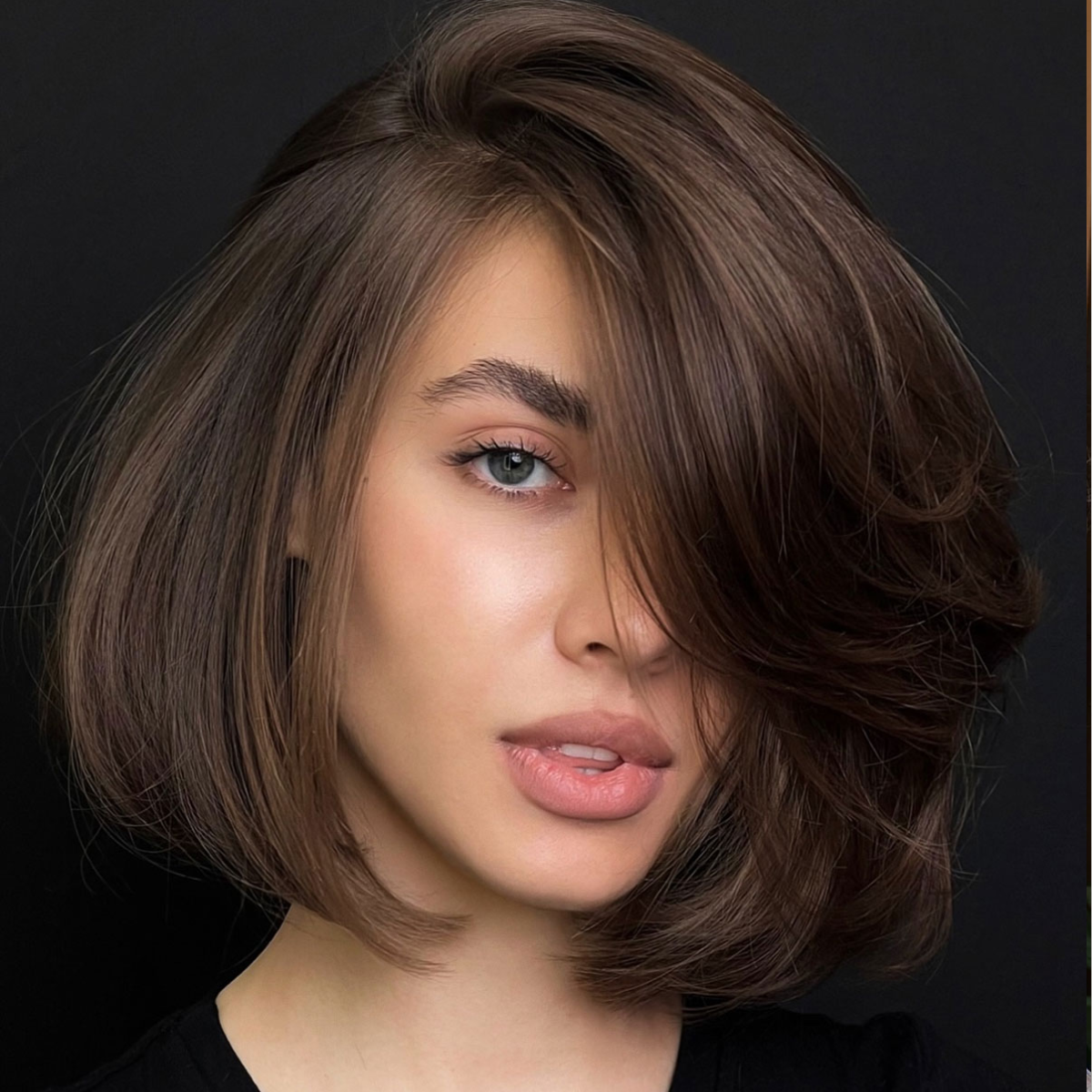
    For women with fine or thinning hair, the choppy pixie is particularly effective. The visible texture creates the illusion of density. The shorter length removes weight that pulls hair flat. And the deliberate imperfection reads as intentional and stylish, not as damage or neglect.

    Here are thirteen edgy choppy pixie haircuts over 50 that prove modern and mature can coexist beautifully.


    1. The Classic Choppy Pixie

    The classic choppy pixie is the foundation of this style family. It keeps the back and sides relatively short and neat, while the top is cut with point shears to create soft, visible texture throughout.
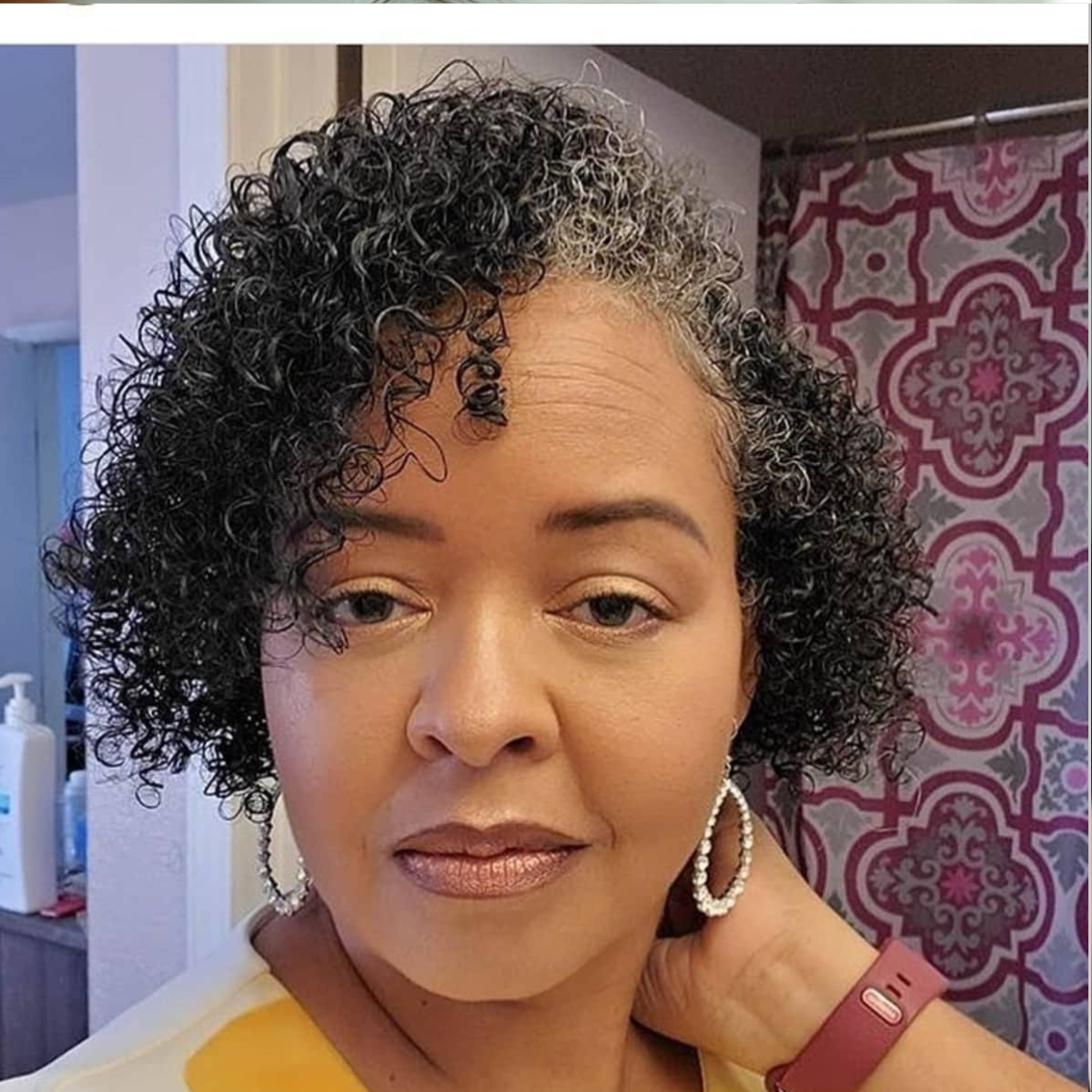
    The choppiness comes from the cutting technique, not from extreme length differences. Your stylist will hold the scissors vertically and snip into the ends at different angles, creating pieces that range from half an inch to two inches long. Those uneven lengths catch light differently across the head, which tricks the eye into seeing more density.

    The classic choppy pixie can be styled sleek or messy depending on your mood. For a polished look, use a small amount of lightweight pomade and smooth the top pieces in one direction. For a more relaxed finish, rub texture paste between your palms and rake through randomly.

    Who it flatters most: Oval and heart-shaped faces. The texture softens angular features.

    Styling time: Four minutes.


    2. The Piece-Y Pixie with Micro Bangs

    Adding micro bangs to a choppy pixie elevates the entire cut from simple to striking. Micro bangs — cut well above the eyebrows — create a deliberate, graphic element that makes the rest of the texture look intentional rather than accidental.

    The piece-y texture on top should be soft and separated, with each piece having its own direction. The micro bangs provide a clean, sharp contrast to the tousled top. Together, they create a look that is modern, confident, and surprisingly sophisticated.

    For women over fifty, micro bangs serve an additional purpose: they draw the eye upward, away from any thinning at the hairline or along the part. They also showcase the eyes, which is always flattering. Micro bangs do require maintenance — a trim every two to three weeks — but they dry in seconds.

    Who it flatters most: Women with strong brows or good eye definition. The micro bangs put them on display.

    Styling time: Three minutes for the bangs, three for the rest.


    3. The Asymmetrical Choppy Pixie

    Asymmetry is a secret weapon for mature hair. When one side of the cut is noticeably longer than the other, the eye stops looking for uniform density and starts appreciating the shape instead.

    In the asymmetrical choppy pixie, the shorter side is often tucked behind the ear, while the longer side sweeps forward toward the jaw or cheekbone. The difference is usually one to two inches. Both sides feature the same choppy, textured finish, but the length difference adds visual interest.

    This cut works best on straight or slightly wavy hair. Curly textures may not show the asymmetry clearly. Styling is minimal: flat iron the ends to define the difference, then tuck the shorter side behind one ear. A small amount of texture paste on the longer side will enhance the choppiness.

    Who it flatters most: Women with round or square faces. The diagonal line breaks up horizontal or angular features.

    Styling time: Seven minutes. Flat iron the ends, then tuck and go.


    4. The Spiky Choppy Pixie

    Spikes are not just for punk rockers. The modern spiky choppy pixie features soft, piece-y spikes that add height and movement without looking harsh or aggressive.

    The spikes are created by cutting the top into short, uneven sections — typically one to two inches long — and then styling them upward with a small amount of lightweight pomade or wax. The spikes should be soft and rounded, not sharp or crunchy. Think “morning texture” rather than “competition hair.”
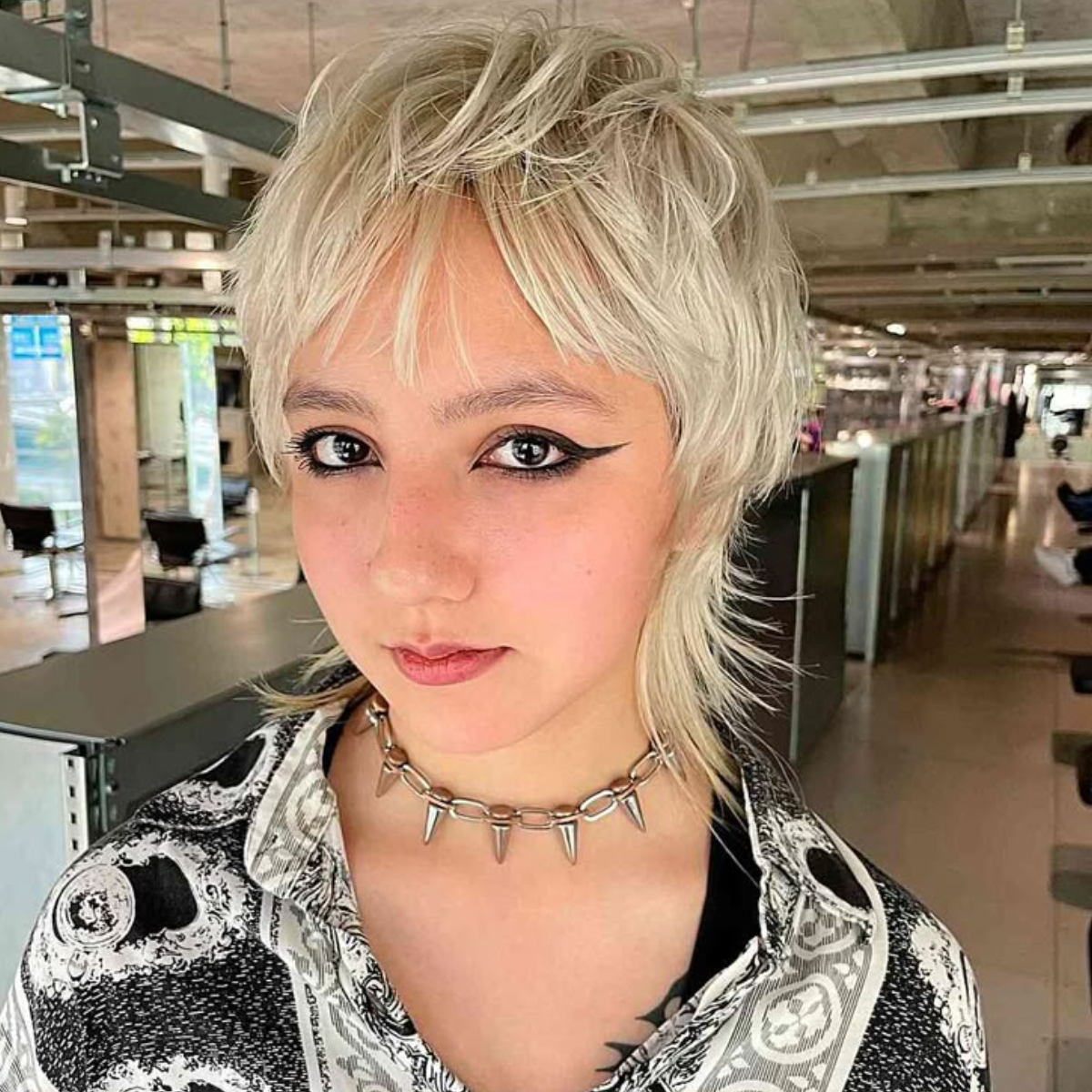
    The spiky choppy pixie is excellent for women with fine or thinning hair because the lifted top creates the illusion of density. The shorter back and sides remove weight, which allows the crown to stand up naturally. A pea-sized amount of product, rubbed between the palms and raked upward, is all you need.
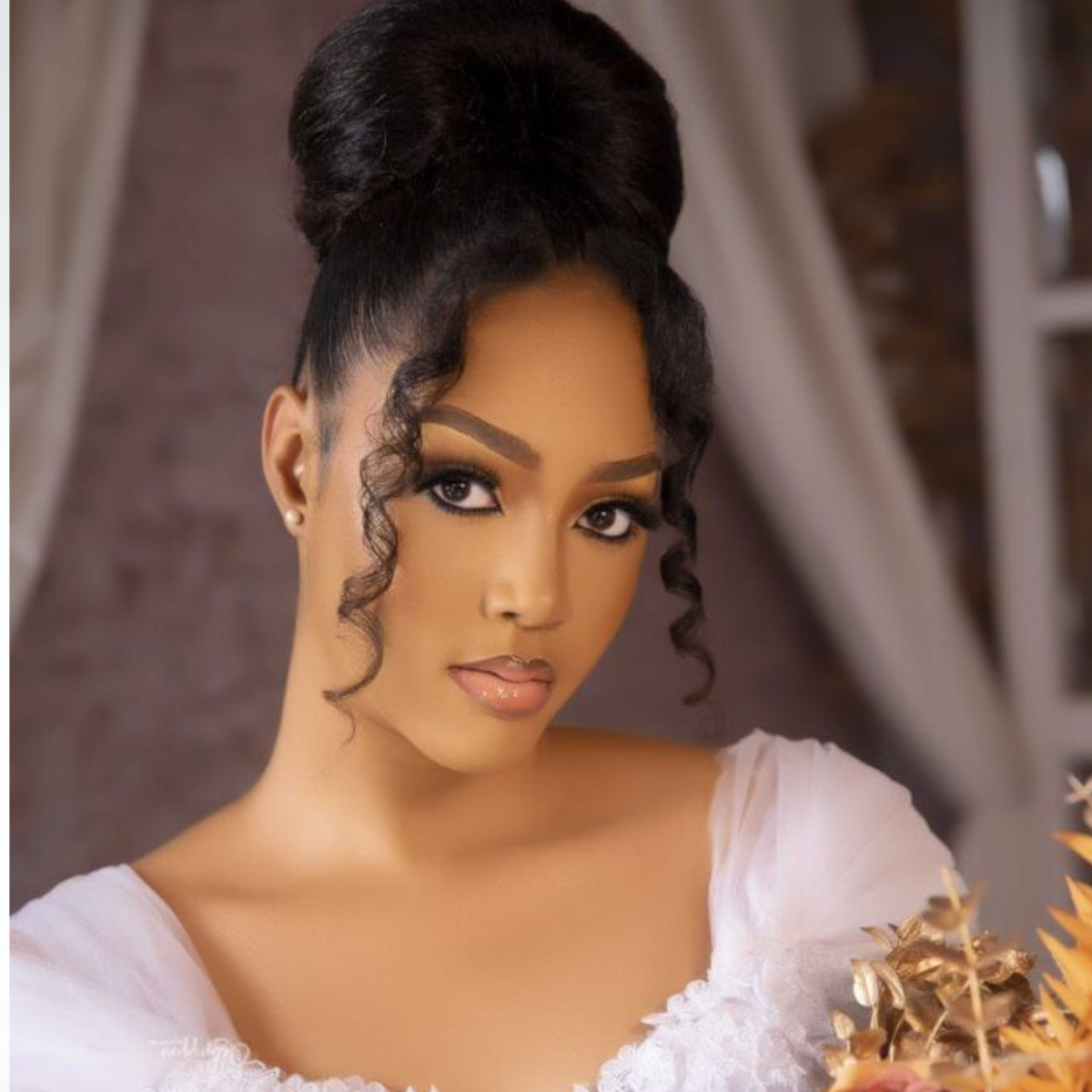
    Who it flatters most: Women with strong bone structure. The spikes add height and attitude.

    Styling time: Four minutes. Rub in pomade, rake upward, and go.


    5. The Undercut Choppy Pixie

    The undercut choppy pixie takes the concept of weight removal to its logical conclusion. The back and sides are shaved or clipped very short (typically to a #2 or #3 guard), while the top remains longer and cut into choppy, textured pieces.

    The contrast between the shaved underlayer and the textured top is intentional and striking. The undercut removes significant weight from the back and sides, which allows the top spikes or pieces to stand up with very little product. This cut is ideal for women with very thick or heavy hair that tends to fall flat.

    The undercut choppy pixie is not for everyone. It is bold and modern. But for women who are tired of fighting their hair, who want a clean shape that takes minutes to style, it might be exactly the solution. The undercut requires maintenance every two to three weeks to keep the contrast sharp.

    Who it flatters most: Women who want a bold look and have the confidence to wear it.

    Styling time: Three minutes for the top. The undercut requires no styling.


    6. The Tapered Choppy Pixie

    The tapered choppy pixie takes a softer approach than the undercut. Instead of a sharp disconnect between the short back and the longer top, the hair is gradually tapered from very short at the nape to longer at the crown. The choppy texture is concentrated on top.
    This cut is ideal for women who like the idea of a choppy pixie but find the undercut too severe. The tapered version offers the same benefits — less bulk, easier styling, natural lift — but with a softer, more traditional silhouette. The gradual taper creates a smooth transition that reads as polished rather than edgy.
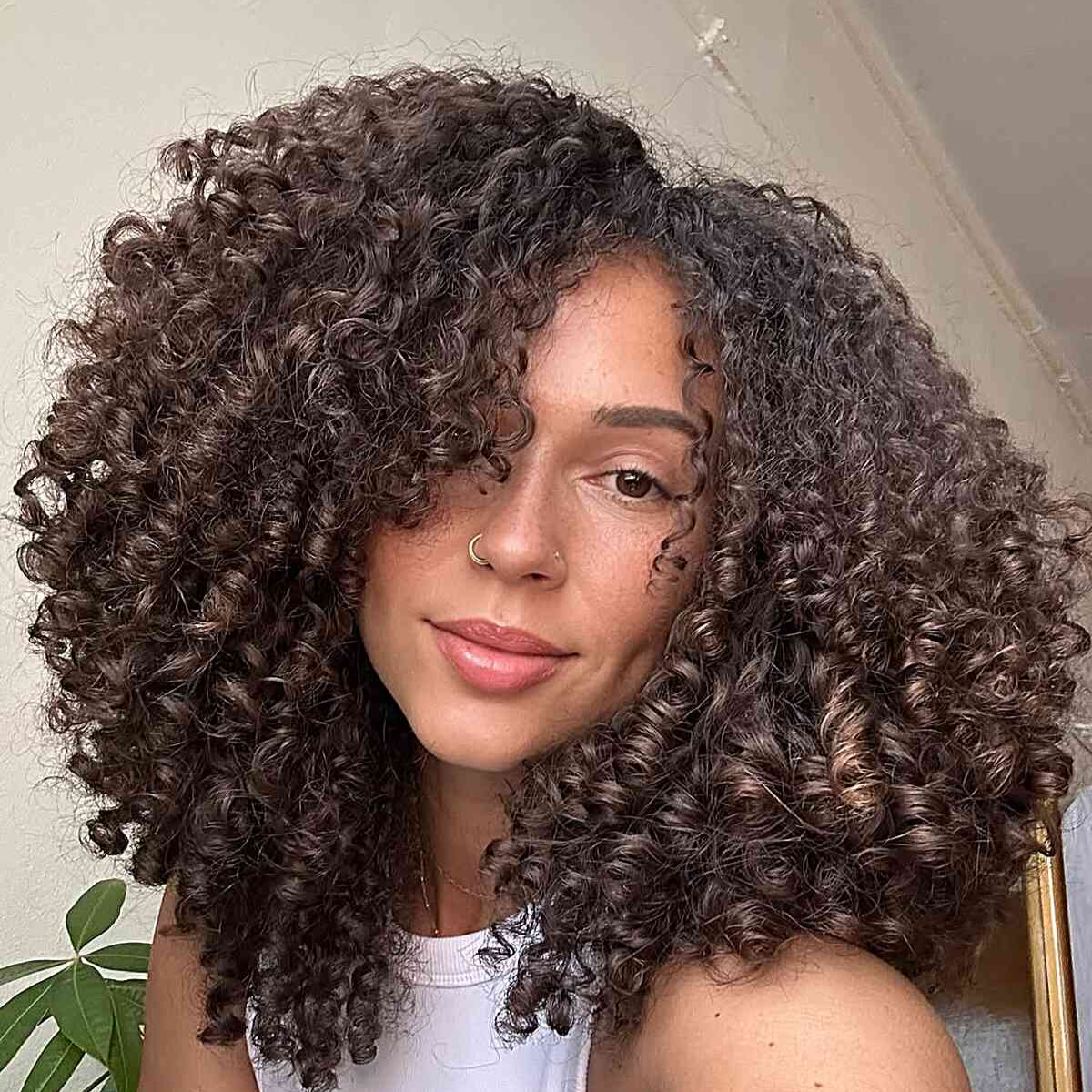
    The tapered choppy pixie works on almost all hair types and textures. It is the most “approachable” choppy cut on this list, making it an excellent choice for first-time choppy pixie wearers.

    Who it flatters most: Women who want choppy texture without a dramatic contrast in lengths.

    Styling time: Five minutes. Blow-dry the top upward with a small round brush.


    7. The Side-Swept Choppy Pixie

    The side-swept choppy pixie combines the texture of a choppy cut with the softness of a deep side sweep. The top is cut into choppy, piece-y sections, then swept deeply to one side.

    The deep side sweep does more than add softness. It physically lifts the roots on the lighter side, creating genuine volume without any product. When the choppy pieces are swept to one side, they stack and layer on top of each other, creating the illusion of even more density.

    This cut is particularly flattering for women with round or square faces. The diagonal line created by the side sweep breaks up facial symmetry and adds length. The choppy texture on top provides movement that softens angular features.

    Who it flatters most: Women with round or square faces. The diagonal sweep is very forgiving.

    Styling time: Six minutes. Blow-dry in the sweep direction, then add texture.


    8. The Choppy Pixie with Long Sideburns

    Long sideburns on a choppy pixie add an unexpected element of softness and frame the face beautifully. The sideburns are left longer than the rest of the cut — typically reaching the earlobe or even the jawline — while the back and top remain short and textured.

    The long sideburns serve two purposes. First, they soften the transition between the short hair and the face, preventing the cut from looking too severe. Second, they provide length that can be tucked behind the ears or left to frame the cheeks.

    This cut works best on women with oval or heart-shaped faces. The long sideburns add width at the cheekbones, which balances longer features. Styling is simple: apply texture paste to the top and sideburns, then rake through with fingers.

    Who it flatters most: Women with oval or heart-shaped faces. The sideburns add soft framing.

    Styling time: Four minutes. Product through top and sideburns, then go.


    9. The Choppy Pixie with Wispy Nape

    The nape of the neck is often an afterthought in pixie cuts, but the choppy pixie with a wispy nape makes it a feature. Instead of a clean, blunt line at the hairline, the nape is cut into soft, feathery wisps that graze the neck.

    The wispy nape serves two purposes. First, it softens the overall silhouette, making the cut feel less severe. Second, it disguises any thinning or unevenness at the hairline, which is common in mature hair. The soft wisps blend together naturally, hiding what you do not want to show.

    This cut works beautifully for women who want a choppy pixie but worry about the back looking too bare or harsh. The wispy nape adds a romantic, feminine touch that balances the edgy texture on top.

    Who it flatters most: Women with longer necks. The wispy nape adds softness and movement.

    Styling time: Four minutes. Product on top only — the nape requires no styling.


    10. The Choppy Pixie with Curly Texture

    Natural curls and waves can absolutely work in a choppy pixie — in fact, curls are naturally choppy. The curly choppy pixie is cut dry, not wet, allowing the stylist to see exactly where each curl falls and how much weight to remove.

    The back and sides are kept short to prevent the dreaded “triangle head” shape that curls can create. The top is left longer and cut into visible, separated curl clumps. The choppiness comes from the natural curl pattern, not from cutting technique.

    For women over fifty with naturally curly hair, this cut is liberating. Curls retain volume better than straight hair, and the choppy texture disguises any thinning at the roots. Use a lightweight leave-in conditioner and air dry or diffuse on low heat. Scrunching with a microfiber towel will enhance the choppy separation.

    Who it flatters most: Women with naturally curly or wavy hair. This cut is not for straight textures.

    Styling time: Five minutes of product application, then air dry.


    11. The Choppy Pixie with Hidden Undercut

    The hidden undercut takes the undercut concept and makes it discreet. The back and sides are shaved or clipped short, but the longer top pieces are cut to fall over the undercut, hiding it from view.

    From the front, the cut looks like a standard choppy pixie. From the back or side, the shaved underlayer is visible, adding a subtle element of surprise. The hidden undercut removes weight without announcing itself, making it an excellent choice for first-time undercut wearers.

    The hidden undercut works best on straight or slightly wavy hair. The top pieces need enough length and density to cover the shaved areas — typically two to three inches on top. Styling is simple: apply texture paste to the top and let the pieces fall naturally.

    Who it flatters most: Women who want the benefits of an undercut without the bold visible contrast.

    Styling time: Four minutes. Product on top, then go.


    12. The Choppy Pixie with Blunt Fringe

    A blunt fringe (bangs cut straight across at eyebrow level) paired with a choppy pixie creates a striking contrast between clean lines and messy texture. The fringe is precise and deliberate. The rest of the cut is soft and piece-y.

    The blunt fringe draws attention to the eyes and adds a graphic element that elevates the entire cut. It also provides excellent coverage for a high forehead or thinning hairline. The choppy texture on top and at the crown adds movement and volume that balances the weight of the fringe.

    This cut works best on straight or slightly wavy hair. Curly textures may not hold a blunt fringe without significant straightening. The fringe requires maintenance — a trim every two to three weeks — but the styling is minimal: blow-dry the fringe forward with a small round brush.

    Who it flatters most: Women with high foreheads or strong eyes. The blunt fringe frames the eyes beautifully.

    Styling time: Six minutes (one minute for fringe, five for the rest).


    13. The Messy Choppy Pixie

    The messy choppy pixie celebrates imperfection. The cut itself is intentionally uneven and textured, with pieces ranging from half an inch to three inches long. The goal is to look like you just rolled out of bed — in the most stylish way possible.

    This cut is ideal for women who want to eliminate heat styling entirely. No blow dryer, no flat iron, no round brush. Just wash, towel-dry, apply a small amount of sea salt spray or texture paste, scrunch, and walk away. The messy texture will form naturally as the hair dries.

    The messy choppy pixie works best on hair that has a little natural wave or bend. Stick-straight hair may need help holding the messiness, but a lightweight mousse will do the trick. The overall effect should be tousled, relaxed, and completely natural.

    Who it flatters most: Women who want the shortest possible styling time and a relaxed, modern look.

    Styling time: Two minutes of scrunching, then air dry.


    Final Thoughts

    The thirteen edgy choppy pixie haircuts above prove that women over fifty can wear texture, attitude, and edge with grace. The key is choosing a cut that respects mature hair — its texture, its density, its behavior — while adding deliberate, intentional shape.

    Choppy does not mean damaged. Edgy does not mean extreme. A well-executed choppy pixie is one of the most sophisticated, confident choices a woman can make. It says you know what works for you. It says you are not afraid of a little texture. It says you are modern, polished, and entirely in charge.

    Bring pictures to your stylist. Be honest about how much texture you want. And remember: the best choppy pixie is the one that makes you feel like the best version of yourself — just a little more interesting.