Category: Hairstyles

  • 13 Pixie Bob Haircuts for Older Women That Balance Edge and Elegance

    13 Pixie Bob Haircuts for Older Women That Balance Edge and Elegance

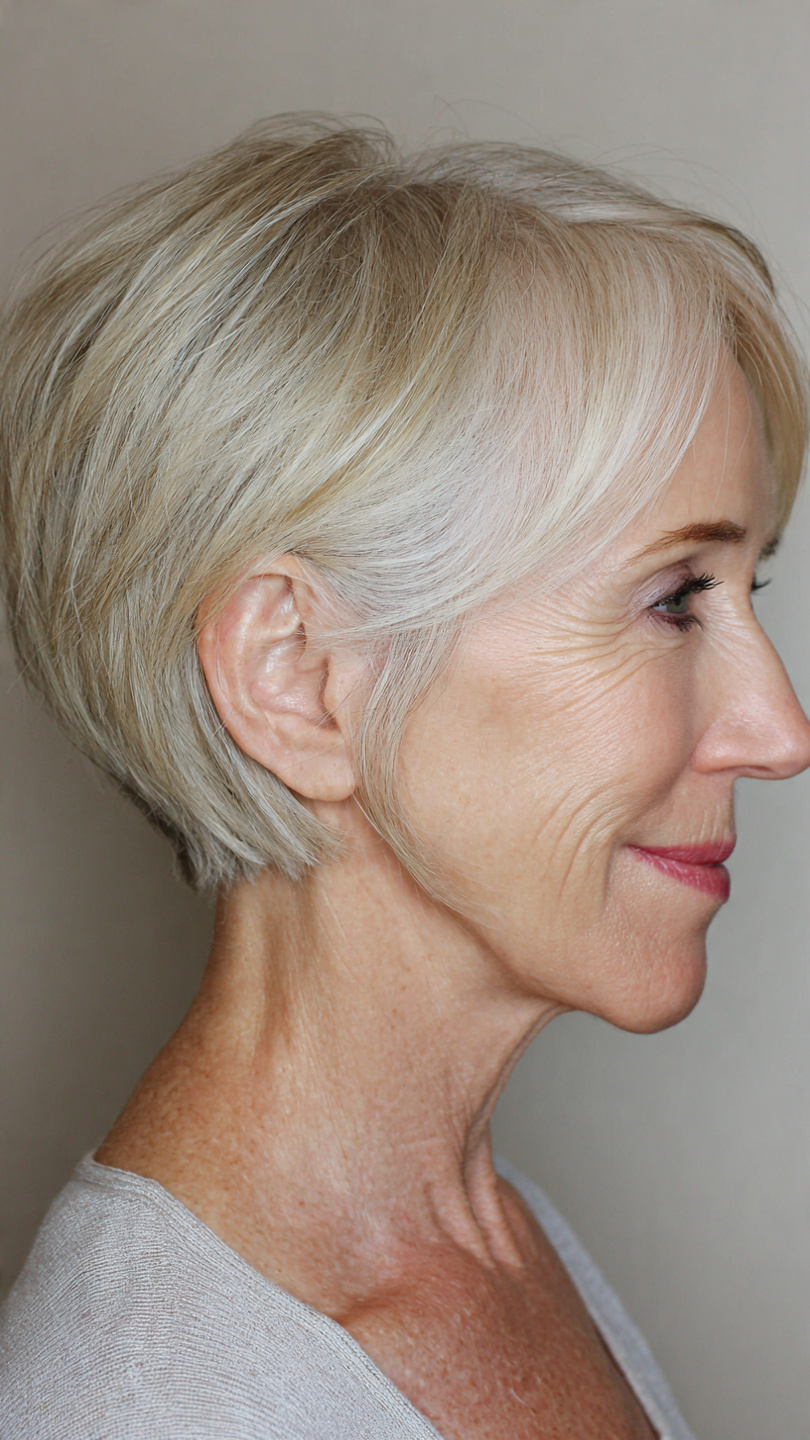
    Finding the right pixie bob haircuts for older women means solving a common dilemma: you want the easy maintenance of a pixie but miss the softness and versatility of a bob. The pixie bob — a hybrid cut that is short in the back and longer in the front — delivers exactly that. It keeps the nape neat and cool while leaving enough length around the face to frame your features and offer styling options.

    For women over sixty, the pixie bob is particularly forgiving. It works with mature hair texture (which often becomes finer and less dense), requires minimal daily effort, and looks modern without trying too hard. The thirteen cuts below represent the best of this hybrid style.

    Here are thirteen pixie bob haircuts for older women that deliver on every front.


    1. The Classic Pixie Bob

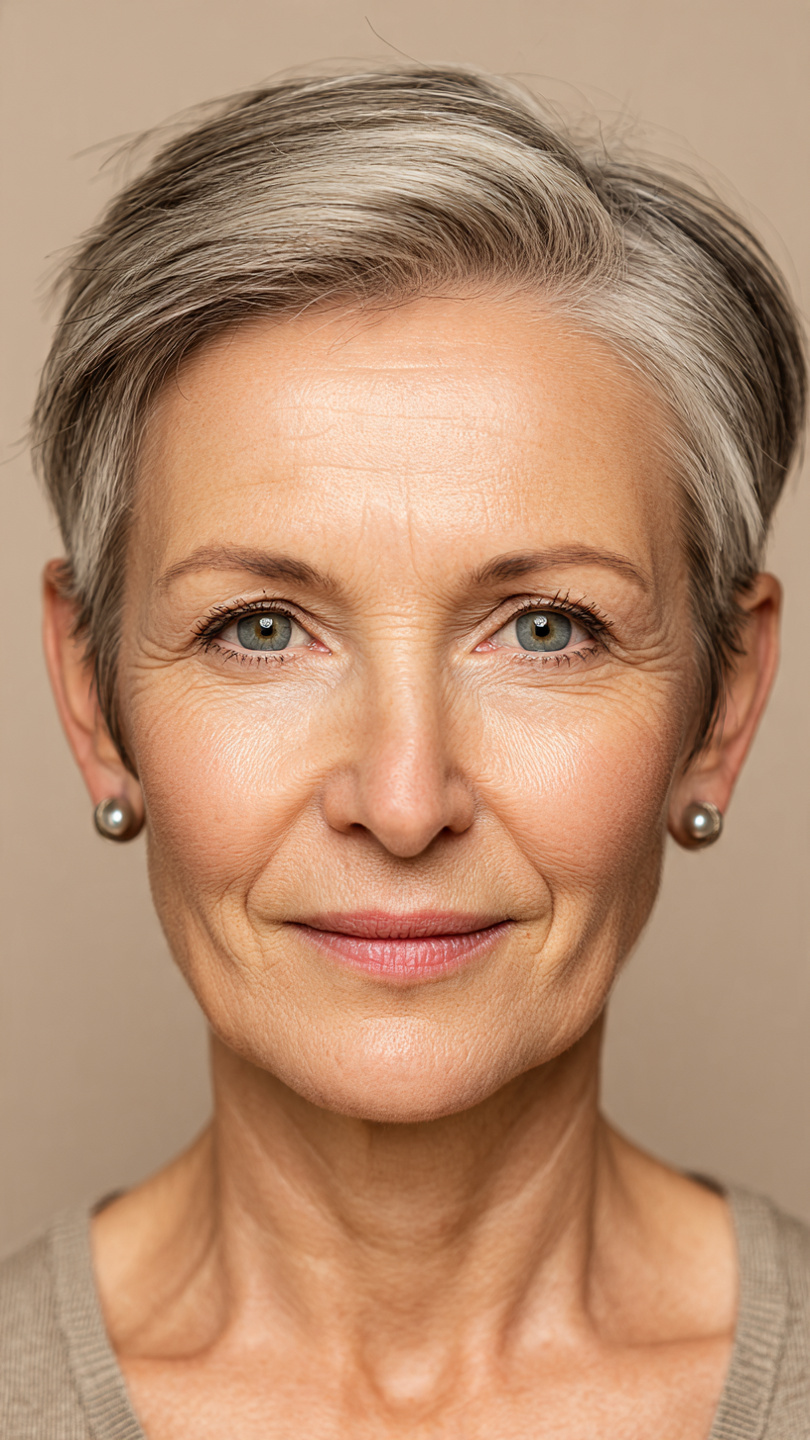
    The classic pixie bob is the foundation from which all other variations spring. It features a short, tapered back and sides, with the top and front sections lengthening gradually until they reach the cheekbone or jawline.

    This cut works because the short back removes weight and bulk, which is especially helpful for fine or thinning hair. The longer front provides softness around the face, drawing attention to your eyes and smile rather than to your hair’s density. The transition between the short back and longer front is smooth and gradual — no harsh lines.

    The classic pixie bob can be styled sleek or piece-y. For a polished look, blow-dry with a small round brush. For a more relaxed finish, rub a pea-sized amount of texture paste between your palms and rake it through the top sections.

    Who it flatters most: Oval and heart-shaped faces. The graduated length balances features beautifully.

    Styling time: Five minutes.


    2. The Textured Pixie Bob

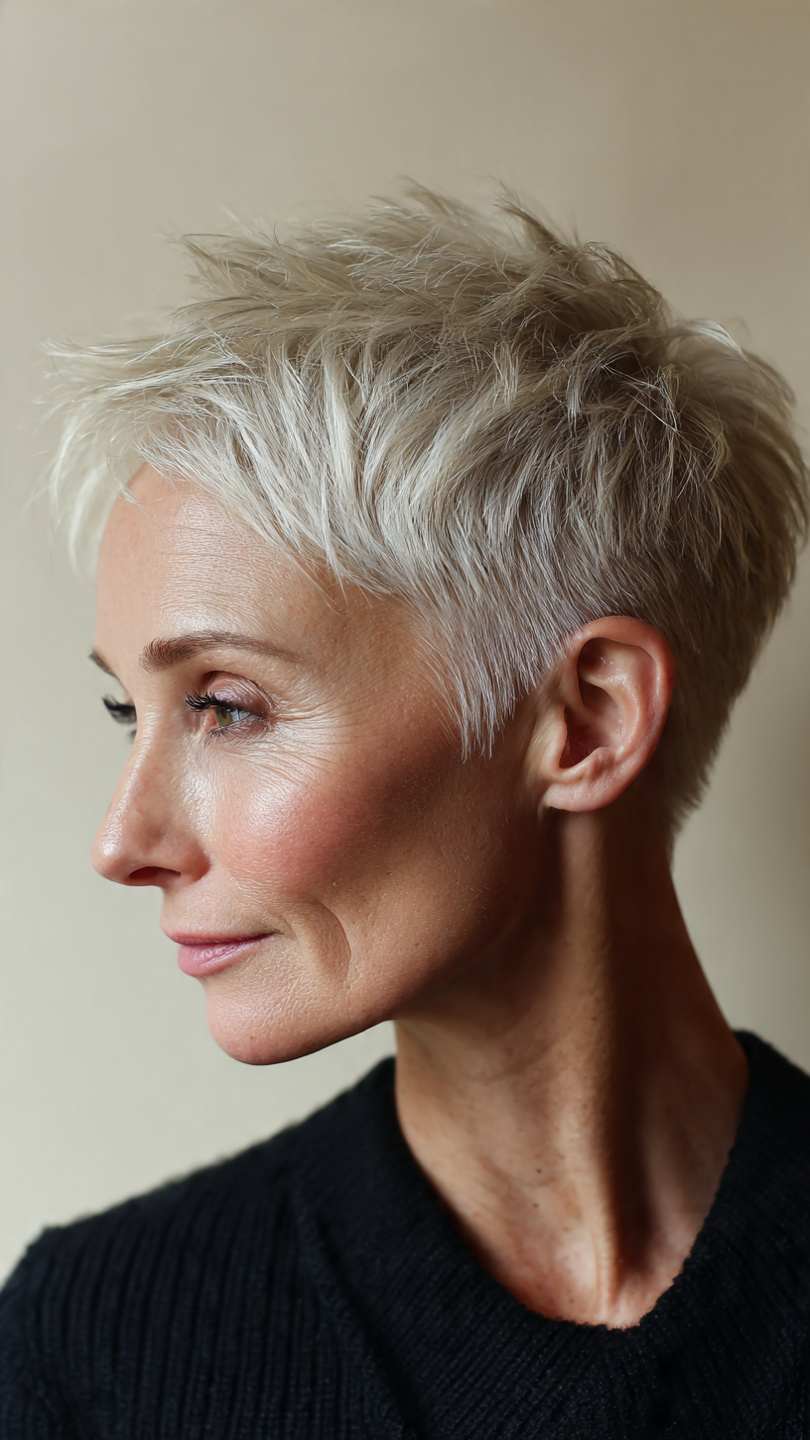
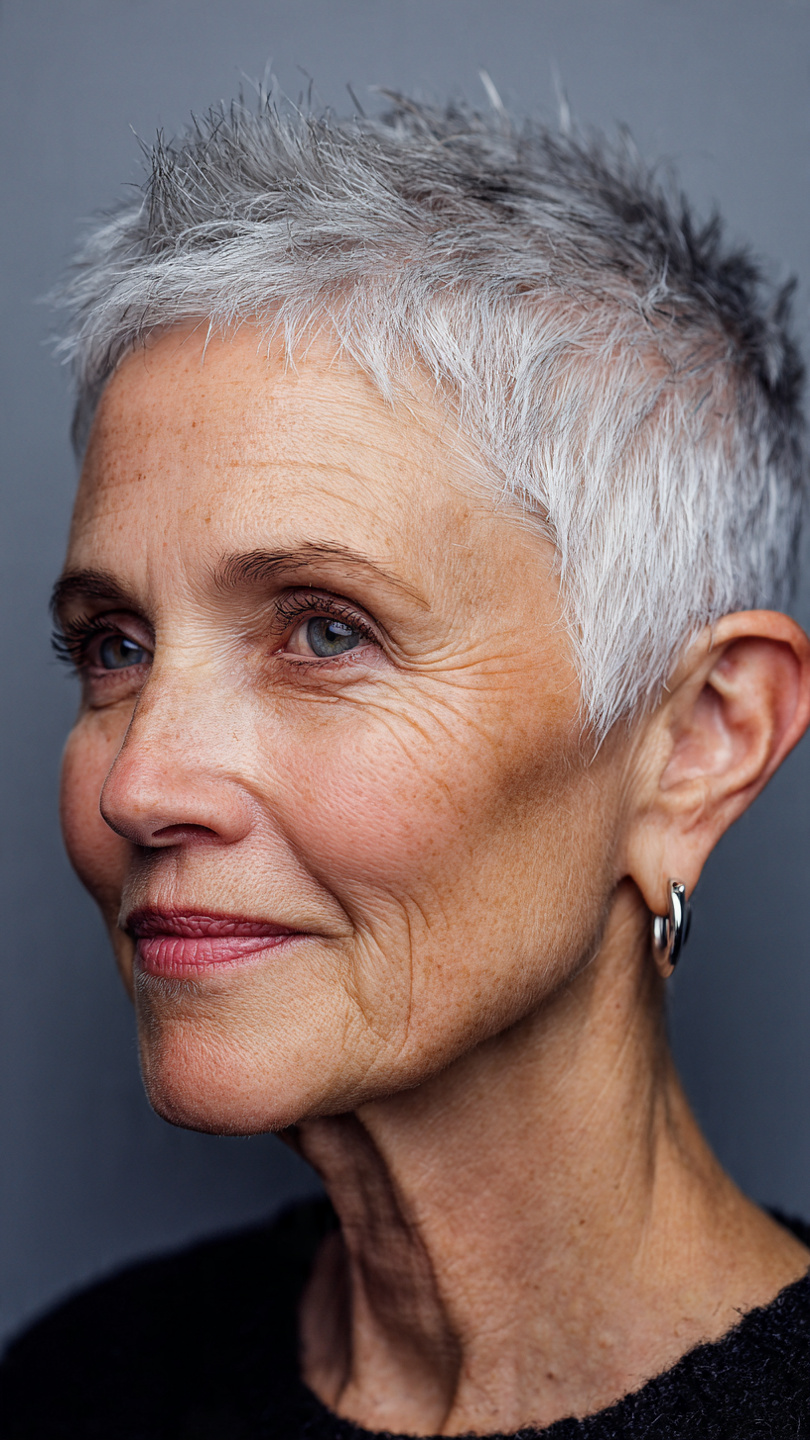
    The textured pixie bob takes the classic version and adds deliberate, visible texture throughout the top and front sections. The texture is created using point cutting, where the stylist snips vertically into the ends rather than horizontally across them.

    That technique produces soft, wispy tips that separate slightly and catch light. The overall effect is modern, relaxed, and age-appropriate without reading as “trying too hard.” The texture also creates the illusion of density — a significant benefit for women with fine or thinning hair.

    The textured pixie bob looks best when it is slightly messy. A small amount of texture paste or sea salt spray, scrunched into dry hair, is all you need.

    Who it flatters most: Women with fine hair. The texture creates visual density.

    Styling time: Three minutes. Rub in texture paste and go.


    3. The Long Pixie Bob (Chin-Length Front)

    Some women want to keep more length in the front without sacrificing the short back. The long pixie bob answers that request. The back is cropped short and close to the head, but the front sections reach the chin — sometimes even grazing the collarbone.

    This cut offers the best of both worlds. The short back keeps the nape area neat and prevents the “mullet” effect that some hybrids develop. The longer front provides substantial framing around the face and can even be tucked behind the ears for a different look.

    The long pixie bob works best on straight or slightly wavy hair. Curly textures may not show the length contrast as clearly. Styling is minimal: blow-dry the front forward and to the side, or let it air dry for a more relaxed finish.

    Who it flatters most: Women who want short hair in back but cannot commit to a full pixie.

    Styling time: Five minutes.


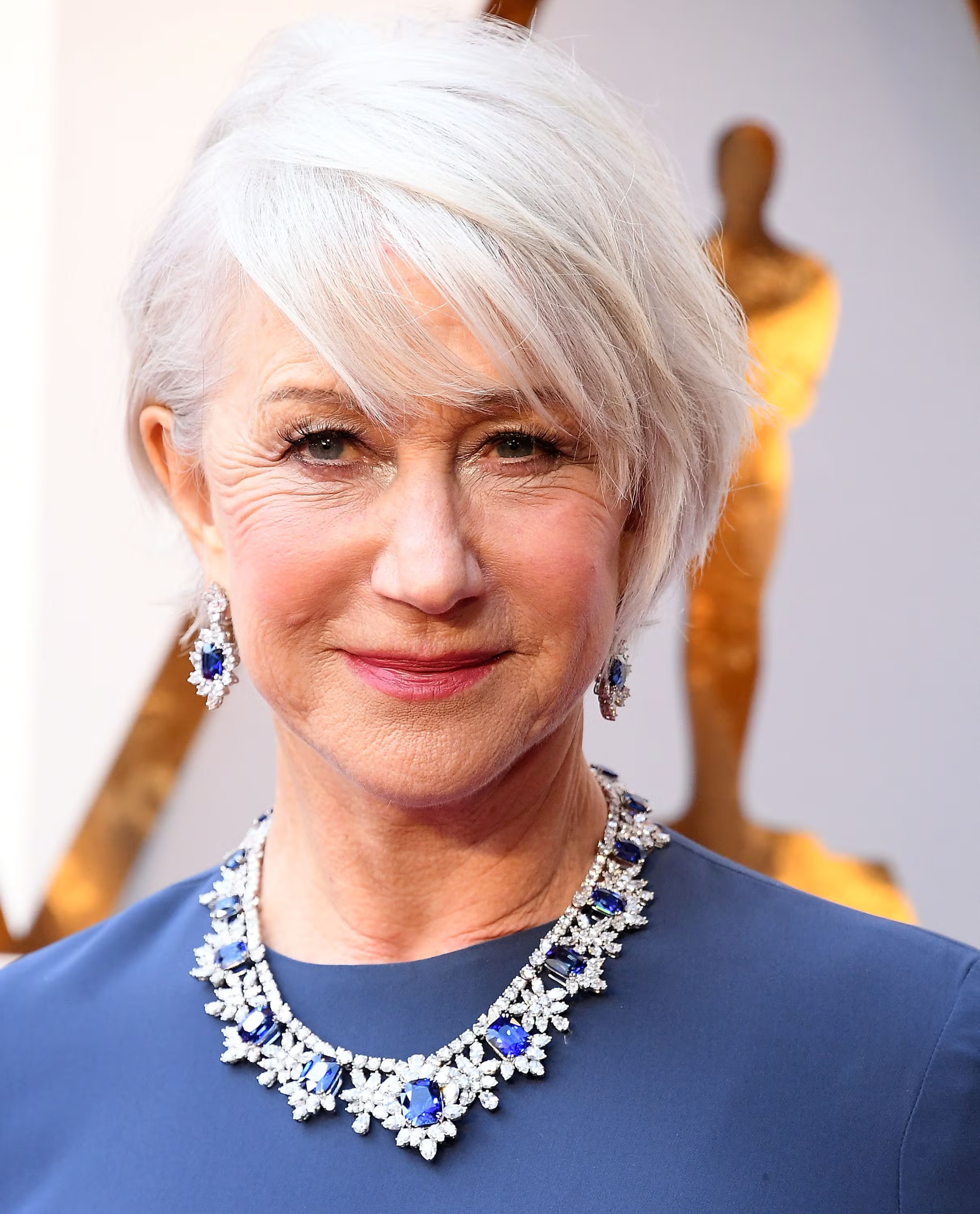
    4. The Pixie Bob with Side Swept Bangs

    Adding side swept bangs to a pixie bob softens the entire cut and provides excellent coverage for a high forehead or thinning hairline. The bangs are cut to sweep across the forehead from a deep side part, ending around the eyebrow or cheekbone.

    The side swept bangs blend seamlessly into the longer front sections of the pixie bob, creating a continuous, flowing line. This cut is particularly flattering for older women because the bangs draw attention to the eyes while minimizing any concerns about the hairline.

    To style, blow-dry the bangs in the direction of the sweep using a small round brush. A touch of lightweight hairspray will keep them in place without stiffness.

    Who it flatters most: Women with high foreheads or who want to soften facial lines.

    Styling time: Six minutes, including bang styling.


    5. The Pixie Bob with Micro Bangs

    For a bolder, more modern look, pair a pixie bob with micro bangs — bangs cut well above the eyebrows. The contrast between the ultra-short bangs and the longer front sections creates a striking, editorial effect.

    Micro bangs work exceptionally well for older women because they draw the eye upward, away from any thinning at the crown or along the part. They also add a deliberate, confident edge that prevents the cut from reading as “safe” or dated.

    Micro bangs do require maintenance — a trim every two to three weeks — but they dry in seconds and require no styling beyond a quick blow-dry forward. The rest of the pixie bob can be styled as usual.

    Who it flatters most: Women with strong brows or good eye definition. The micro bangs put them on display.

    Styling time: Three minutes for the bangs, three for the rest.


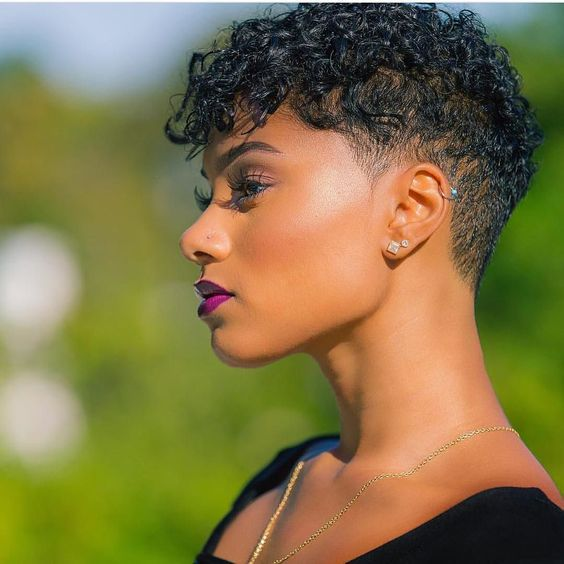
    6. The Curly Pixie Bob

    Natural curls and waves can absolutely work in a pixie bob — but the cut must be approached differently. The curly pixie bob is cut dry, not wet, allowing the stylist to see exactly where each curl falls and how much weight to remove.

    The back and sides are kept short to prevent the dreaded “triangle head” shape that curls can create. The front sections are left longer — sometimes significantly longer — so the curls have room to form properly. When cut correctly, the curly pixie bob is soft, voluminous, and surprisingly easy to maintain.

    For older women with naturally curly hair, this cut is a game-changer. Curls retain volume better than straight hair, and the texture disguises any thinning at the roots. Use a lightweight leave-in conditioner and air dry or diffuse on low heat.

    Who it flatters most: Women with naturally curly or wavy hair. This cut is not for straight textures.

    Styling time: Five minutes of product application, then air dry.


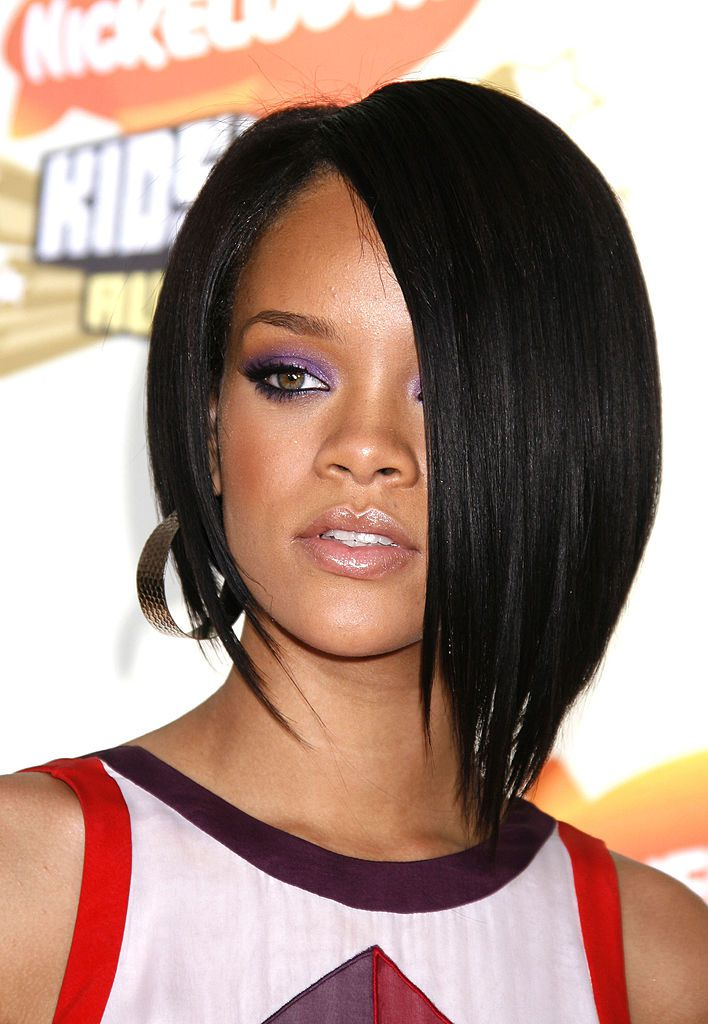
    7. The Asymmetrical Pixie Bob

    Asymmetry is a secret weapon for mature fine hair, and the asymmetrical pixie Bob takes full advantage. In this cut, one side of the front section is noticeably longer than the other — typically by one to two inches.

    That imbalance creates visual interest and draws attention away from any thin areas. The eye stops looking for uniform density and starts appreciating the shape instead. The shorter side is often tucked behind the ear, while the longer side sweeps forward toward the jaw or chin.

    The asymmetrical pixie bob works best on straight or slightly wavy hair. Curly textures may not show the asymmetry clearly. Styling is minimal: flat iron the ends to define the difference, then tuck the shorter side behind one ear.

    Who it flatters most: Women with round or square faces. The diagonal line breaks up horizontal or angular features.

    Styling time: Seven minutes. Flat iron the ends, then tuck and go.


    8. The Stacked Pixie Bob

    The stacked pixie bob takes the short back of a traditional pixie and adds visible stacking — graduated layers that build upon each other to create volume and lift at the nape.

    This stacking is the secret weapon for fine or thinning hair. The shorter layers underneath push the longer top layers upward, creating natural volume at the crown and back without any product. It is built-in lift, engineered by the cut itself.

    The stacked pixie Bob does require regular maintenance. The stacked back grows out quickly and loses its shape after about five to six weeks. But for women willing to commit to frequent trims, the volume payoff is unmatched.

    Who it flatters most: Women with longer necks. The exposed nape area looks elegant and elongated.

    Styling time: Six minutes. Blow-dry the back upward with a small round brush to enhance the stacked volume.


    9. The Sleek Pixie Bob

    Sometimes the most powerful statement is simplicity. The sleek pixie Bob requires no texture, no pieces, no mess — just mirror-smooth, glass-like hair with a clean, precise shape.

    This style works because it embraces fine hair’s natural tendency toward sleekness instead of fighting it. Fine hair can achieve a level of smoothness that thick, coarse hair never can. That glassy finish looks expensive, polished, and modern.

    To achieve the sleek pixie bob, you will need a high-quality flat iron and a heat protectant. Flat iron the top and front sections in small subsections, working from root to tip. Finish with a few drops of lightweight serum applied to the ends only (never the roots).

    Who it flatters most: Women with strong bone structure. The sleek shape highlights facial features.

    Styling time: Ten minutes for flat ironing.


    10. The Messy Pixie Bob

    At the opposite end of the spectrum from the sleek version, the messy pixie Bob celebrates imperfection. The cut itself is intentionally textured and piece-y, with uneven ends and soft, broken lines.

    The messy pixie Bob looks best when it is styled with minimal effort. After washing, towel-dry the hair until it is damp but not wet. Apply a small amount of sea salt spray or texture paste, then scrunch and air dry. The result should be tousled, relaxed, and completely natural.

    This cut is ideal for women who want to eliminate heat styling entirely. No blow dryer, no flat iron, no round brush — just scrunch and go.

    Who it flatters most: Women with naturally wavy or slightly curly hair. Stick-straight hair may need help holding the messiness.

    Styling time: Three minutes of scrunching, then walk away.


    11. The Pixie Bob with Undercut

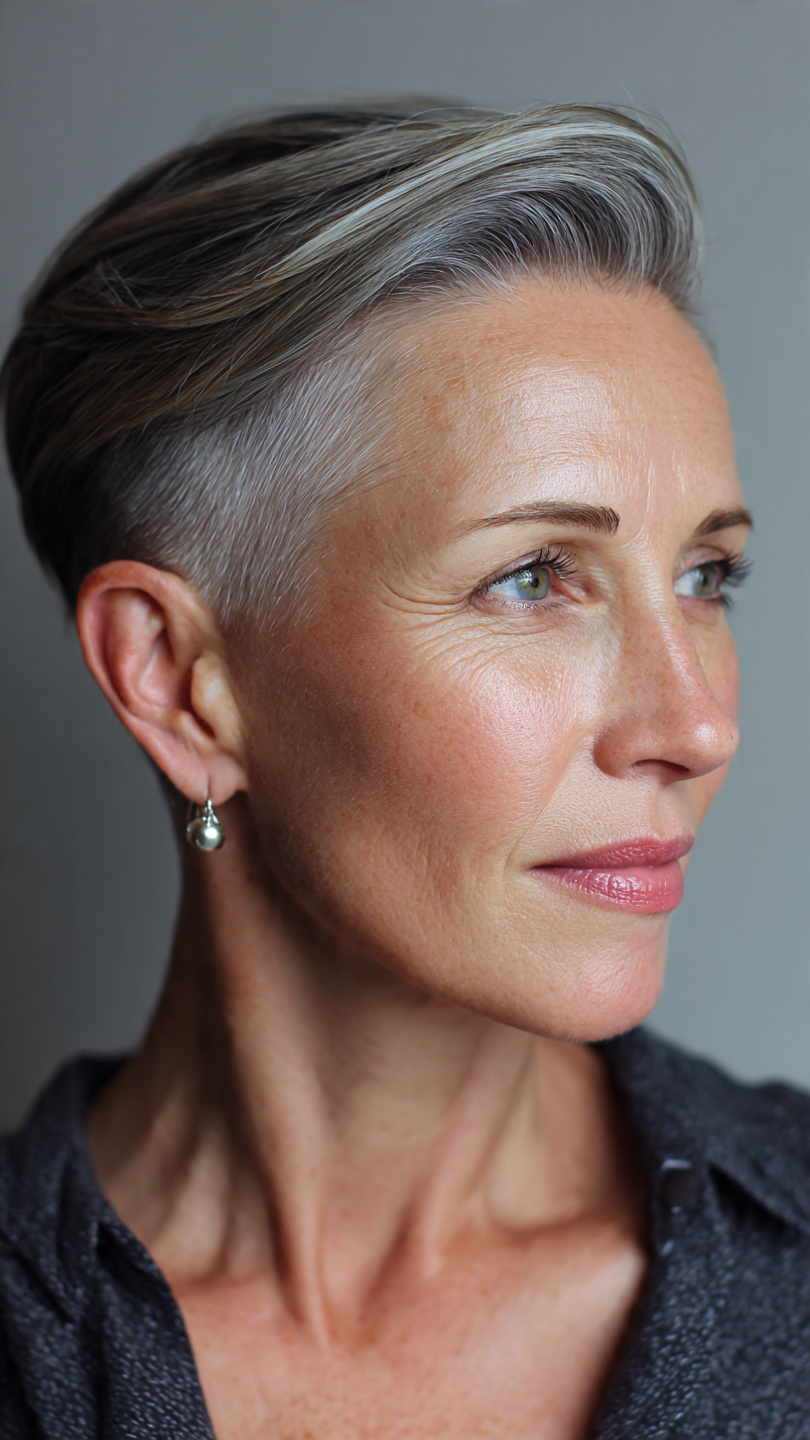
    For women who want to go even shorter in the back, the pixie bob with an undercut delivers. The undercut removes hair from the lower back and nape, leaving that area very short or even shaved, while the upper back and front retain the classic pixie bob shape.

    The undercut serves two purposes. First, it removes significant weight from the back, which is excellent for women with very thick or heavy hair. Second, it creates a striking contrast between the short underlayer and the longer top sections.

    This cut is not for everyone. It is bold, modern, and requires confidence to wear. But for the right woman, the pixie bob with an undercut is liberating and stylish.

    Who it flatters most: Women who want a bold, edgy look and have the confidence to wear it.

    Styling time: Five minutes. The undercut requires no styling — just maintain the shaved area with regular trims.


    12. The Soft Volume Pixie Bob

    Some women want volume without texture. The soft volume pixie bob delivers exactly that. This cut features long, sweeping layers on top that are cut to lift at the roots, with minimal texturizing on the ends.

    The soft volume pixie Bob relies on proper cutting technique rather than products or heat. The stylist removes weight from the interior of the hair while leaving the exterior surface smooth, creating lift without choppiness. The result is soft, rounded volume that looks natural and elegant.

    To style, blow-dry the top sections upward using a large round brush. Focus on lifting the roots rather than curling the ends. A light mist of volumizing spray at the roots before drying will enhance the effect.

    Who it flatters most: Women who want volume but dislike visible texture or piece-y ends.

    Styling time: Eight minutes with a round brush and blow dryer.


    13. The Tucked Pixie Bob

    The tucked pixie Bob is less about the cut and more about the styling technique — but the cut matters. You need a pixie bob with enough length in the front to tuck behind your ears.

    To style, blow-dry or flat iron the front sections smoothly. Then, tuck one or both sides behind your ears, allowing the tucked sections to fall naturally. The tucked effect creates a cleaner, more open look that showcases your face and earrings.

    The tucked pixie Bob is perfect for days when you want your hair out of your face or when you are dressing up for an evening out. It takes thirty seconds to achieve but looks like you spent time on it.

    Who it flatters most: Women who wear statement earrings. The tucked style puts them on display.

    Styling time: Six minutes for styling, plus thirty seconds to tuck.


    Final Thoughts

    The thirteen pixie bob haircuts above prove that you do not have to choose between the ease of a pixie and the softness of a bob. The hybrid cut gives you both — short-back convenience with face-framing length.

    For older women, the pixie Bob offers something even more valuable: confidence. It is a cut that says you know what works for you. It is modern without being trendy. It is low-maintenance without being boring.

    Bring pictures to your stylist. Be honest about how much time you are willing to spend styling. And remember: the best pixie bob is the one that makes you feel like the best version of yourself.

  • 14 Medium Hairstyles for Women Over 60 That Flatter and Simplify

    14 Medium Hairstyles for Women Over 60 That Flatter and Simplify

    Finding the right medium hairstyles for women over 60 is about more than just following trends. It is about finding a cut that respects your texture, complements your features, and fits your lifestyle. Medium length — typically from the chin to the collarbone — offers the perfect balance. It is long enough to style in multiple ways, short enough to maintain volume, and universally flattering at any age.

    The fourteen hairstyles below have been chosen specifically for women over sixty. They work with mature hair texture (which often becomes finer and less dense with age), require minimal daily effort, and put the focus where it belongs: on you.

    Here are fourteen medium hairstyles for women over 60 that deliver on every front.


    1. The Classic Chin-Length Bob

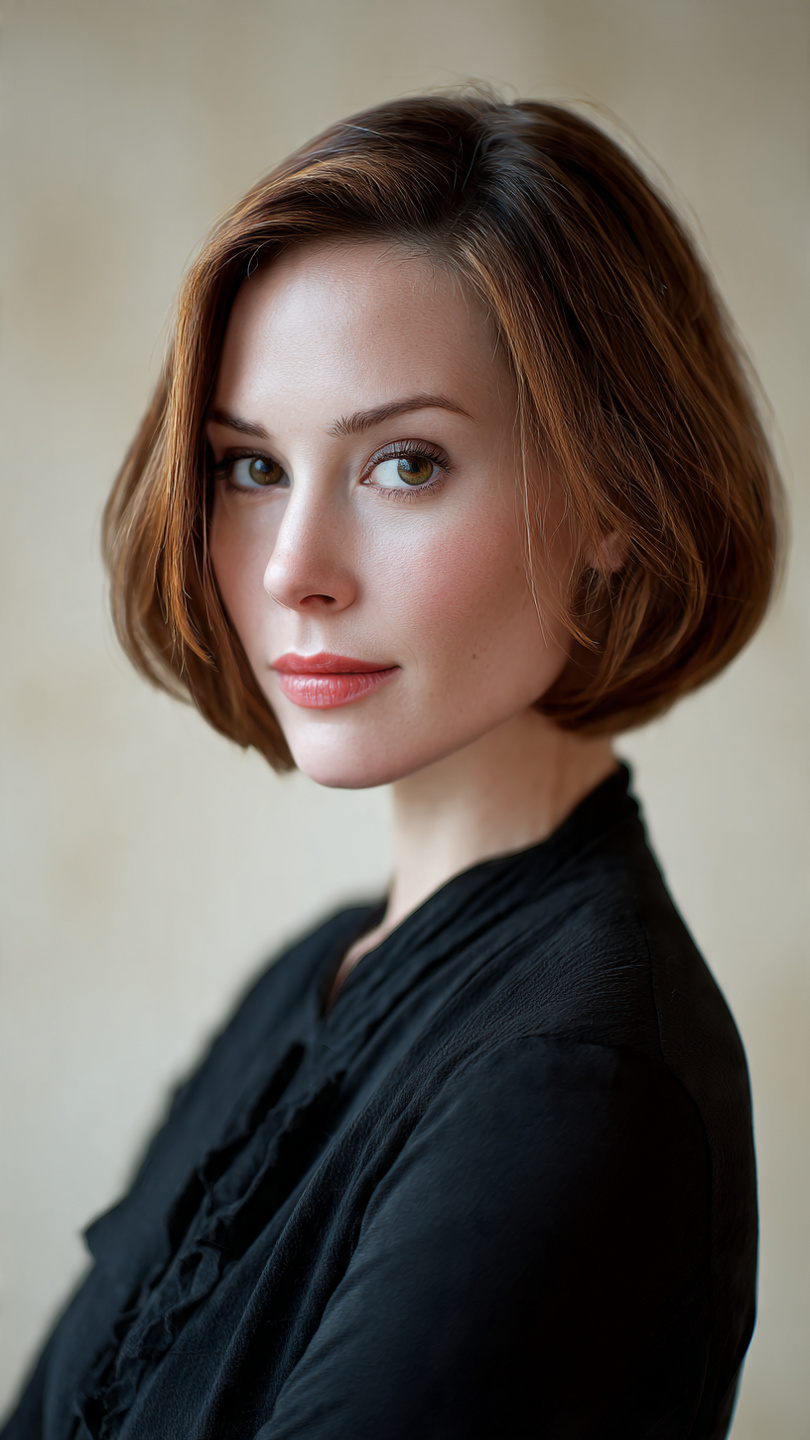
    The chin-length bob is timeless for good reason. It sits exactly at the jawline, creating a clean, polished silhouette that draws the eye upward toward your face.

    Those on the look out for medium hairstyles for women over 60, this cut works because it removes weight from the ends, allowing fine hair to appear fuller. The blunt perimeter tricks the eye into seeing density, while the shorter length prevents the dreaded “stringy ends” look that plagues longer fine hair.

    The classic bob requires very little styling. Air dry with a leave-in conditioner for a sleek finish, or add a soft bend with a round brush. Just keep the cut truly blunt — no internal layers, no thinning shears.

    Who it flatters most: Oval and heart-shaped faces. The chin-length line balances longer features.

    Styling time: Five minutes.


    2. The Soft Layered Cut with Side Sweep

    Layers on mature hair need to be handled carefully. Too many layers create gaps. Too few leave the hair flat. The soft layered cut with a side sweep gets it exactly right.

    In this style, the hair is cut to medium length (around the collarbone) with long, gentle layers that begin at the cheekbone. Those layers are subtle — barely visible when the hair is dry — but they remove just enough weight to allow movement. The deep side sweep then lifts the roots on the lighter side, creating natural volume without teasing or backcombing.

    This cut works beautifully for women who have experienced some thinning at the crown. The side sweep covers the area while adding lift.

    Who it flatters most: Women with round or square faces. The side sweep breaks up facial symmetry.

    Styling time: Six minutes. Blow-dry in the direction of the sweep.


    3. The Textured Lob (Long Bob)

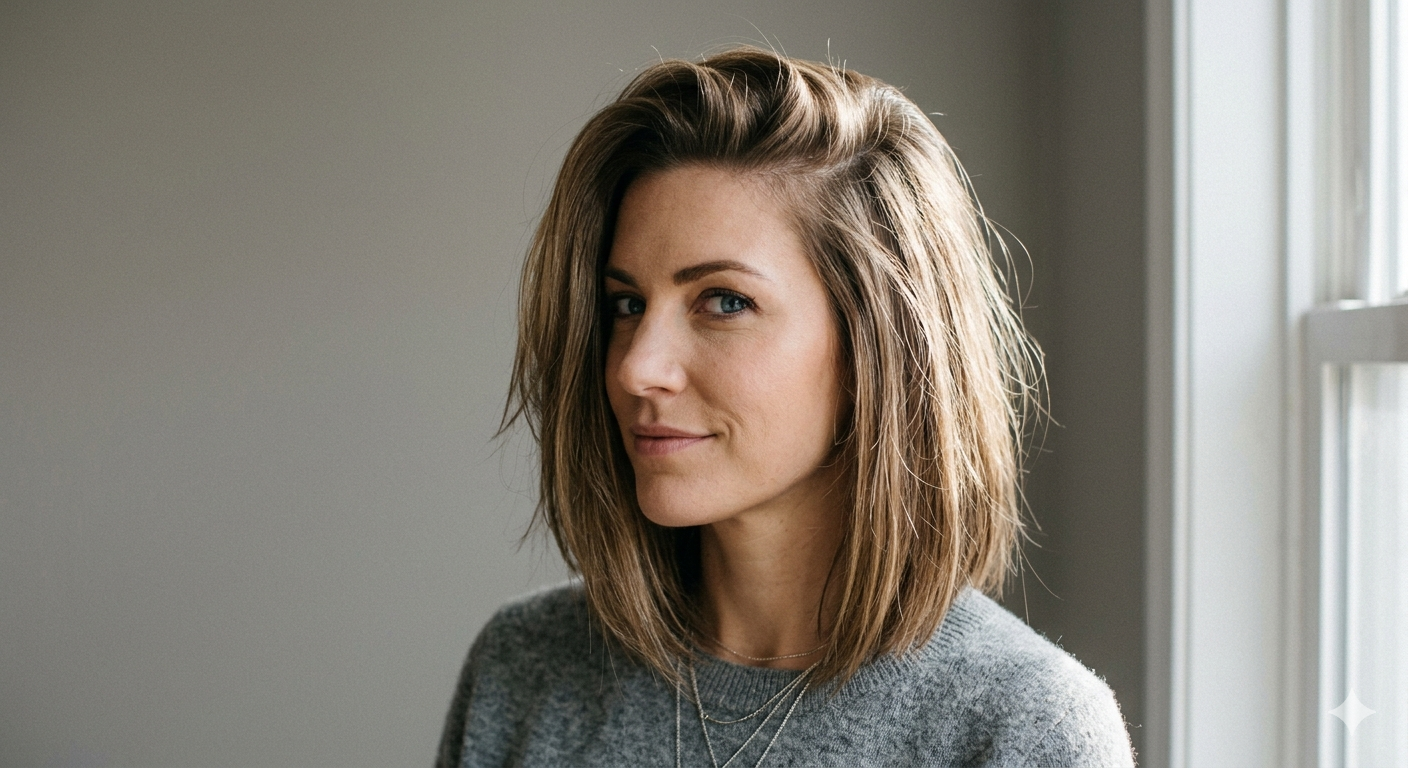
    The textured lob has become a favorite among women over sixty because it offers versatility without complexity. It hits at the collarbone — true medium length — and features light, piece-y texture throughout.

    The texture is created using point cutting, where the stylist snips vertically into the ends rather than horizontally across them. That technique produces soft, wispy tips that separate slightly and catch light. The overall effect is modern, relaxed, and age-appropriate without reading as “old.”

    The textured lob can be worn straight, wavy, or air-dried with a salt spray. It is one of the few medium cuts that looks better slightly messy than perfectly polished.

    Who it flatters most: Women with strong bone structure. The texture softens angular features.

    Styling time: Four minutes. Rough dry with fingers, then add texture paste to the ends.


    4. The Curly Medium Cut (for Natural Texture)

    If you have naturally curly or wavy hair, do not fight it. The curly medium cut works with your texture instead of against it.

    This cut keeps the length between the chin and shoulders, with layers that are cut dry — not wet. Cutting curly hair dry allows the stylist to see exactly where each curl falls and how much weight to remove. The goal is to eliminate bulk without creating a triangular shape.

    For women over sixty, natural curls can be a tremendous asset. Curly hair often retains volume better than straight hair, and the texture disguises any thinning at the roots. The key is hydration. Use a lightweight leave-in conditioner and air dry or diffuse on low heat.

    Who it flatters most: Women with naturally curly or wavy hair. This cut is not for straight textures.

    Styling time: Five minutes of product application, then air dry.


    5. The Shoulder-Length Shag

    The modern shag has shed its 1970s associations and emerged as a sophisticated option for mature women. The shoulder-length version features soft, elongated layers throughout, plus a light fringe (bangs) that can be worn straight across or swept aside.

    What makes the shag work as part of medium hairstyles for women over 60 is its built-in volume. The layers are cut specifically to lift at the crown, creating height without backcombing. The fringe softens forehead lines and draws attention to the eyes.

    The shag does require a stylist who understands fine or mature hair. Avoid aggressive texturizing, which can leave gaps. Instead, ask for “soft, elongated layers with a light fringe.”

    Who it flatters most: Women with strong eyes or good brow definition. The fringe frames the eyes directly.

    Styling time: Four minutes. Flip head upside down, blast with warm air, flip back, and finger-comb.


    6. The Blunt Cut with Micro Fringe

    A blunt cut at medium length — anywhere from chin to collarbone — creates a solid, dense-looking line that makes fine hair appear thicker. Adding a micro fringe (bangs cut well above the eyebrows) transforms the style from simple to striking.

    The micro fringe works exceptionally well for women over sixty because it draws the eye upward, away from any thinning at the hairline or along the part. It also adds a deliberate, modern edge that prevents the cut from reading as “safe” or dated.

    Micro bangs do require maintenance — a trim every two to three weeks — but they dry in seconds and require no styling beyond a quick blow-dry forward.

    Who it flatters most: Women with good eye definition or strong brows. The micro fringe puts them on display.

    Styling time: Three minutes for the bangs, five for the rest.


    7. The Asymmetrical Medium Cut

    Asymmetry is a secret weapon for mature fine hair. When one side of the cut is noticeably longer than the other, the eye stops looking for uniform density and starts appreciating the shape instead.

    In the asymmetrical medium cut, one side reaches the collarbone while the other sits at the chin or jawline. The difference is usually one to two inches. That imbalance creates visual interest and draws attention away from any thin areas.

    This cut works best on straight or slightly wavy hair. Curly textures may not show the asymmetry clearly. Styling is minimal: flat iron the ends to define the difference, then tuck the shorter side behind one ear.

    Who it flatters most: Women with round or square faces. The diagonal line breaks up horizontal or angular features.

    Styling time: Seven minutes. Flat iron the ends, then tuck and go.


    8. The Voluminous Blowout Cut (Medium Length)

    Some women love the ritual of a good blowout. For them, the voluminous blowout cut is ideal.

    This cut features internal volume layers — layers cut into the interior of the hair while leaving the exterior surface smooth. Those hidden layers remove weight from the crown, allowing the roots to lift easily with a round brush and blow dryer. The length stays at the shoulders or slightly below.

    The voluminous blowout cut requires styling. Air drying will not activate the volume layers. But for women willing to spend ten minutes with a round brush, the payoff is salon-worthy body that lasts for days.

    Who it flatters most: Women who enjoy styling their hair and want maximum volume.

    Styling time: Ten minutes with a round brush and blow dryer.


    9. The One-Length Curtain Cut (No Bangs)

    The curtain cut became famous for its face-framing bangs, but the technique works beautifully at medium length even without them.

    In this style, the hair is cut to one length at the collarbone, with the front pieces left slightly longer than the back. Those longer front pieces are then styled to sweep away from the face on both sides, creating a soft, open curtain effect. The result is warm, welcoming, and flattering for almost every face shape.

    The one-length curtain cut works best on fine hair that has a little natural bend. Straight hair can also work, but you may need to add a soft wave to the front pieces with a flat iron to achieve the curtain effect.

    Who it flatters most: Almost every face shape. The open front is universally flattering.

    Styling time: Six minutes. Flat iron the front pieces away from the face.


    10. The Wispy Ends Cut

    This cut keeps most of the hair at medium length with minimal layering, then adds visible texture only to the last inch of the ends. Those wispy ends are cut with point shears to create soft, feathered tips that separate slightly.

    Why does this work for women over sixty? Because fine, mature hair often develops uneven, see-through ends when cut bluntly. Wispy ends disguise that transparency. The soft tips blend together instead of sitting in a heavy, unforgiving line.

    The wispy ends cut is ideal for women who want to keep medium length but need help avoiding the stringy look that fine hair can develop as it ages.

    Who it flatters most: Women with fine, straight hair that tends to show every uneven end.

    Styling time: Five minutes. Air dry or rough dry with fingers — no round brush needed.


    11. The Deep Side Part Volume Cut

    Sometimes the most effective change is also the simplest. This cut is just a medium blunt lob — but worn with an extreme deep side part.

    The deep side part instantly lifts the roots on the heavier side. When fine hair is pushed to one side, the lighter side stands up naturally, creating genuine volume without any product. The deeper the part, the more dramatic the lift.

    To maximize the effect, ask your stylist to cut the lob with a slight asymmetry: slightly shorter on the heavier side of the part, slightly longer on the lighter side. That subtle difference enhances the volume even further.

    Who it flatters most: Women with round faces. The deep side part breaks up facial symmetry.

    Styling time: Three minutes. Create the deep side part with a tail comb, then blow-dry the roots on the lighter side upward.


    12. The Graduated Bob (Medium Length)

    The graduated bob is shorter in the back and gradually longer in the front, with soft stacking at the nape of the neck. When done at medium length, the front pieces reach the collarbone while the back sits at the mid-neck.

    That stacking in the back is the secret weapon for mature fine hair. The shorter layers underneath push the longer top layers upward, creating natural volume at the crown without any product. It is built-in lift, engineered by the cut itself.

    The graduated bob does require regular maintenance. The stacked back grows out quickly and loses its shape after about six weeks. But for women willing to commit to frequent trims, the volume payoff is unmatched.

    Who it flatters most: Women with longer necks. The exposed nape area looks elegant and elongated.

    Styling time: Seven minutes. Blow-dry the back upward with a round brush to enhance the stacked volume.


    13. The Relaxed Air-Dry Cut

    Not every woman wants to blow-dry her hair every day. The relaxed air-dry cut is designed specifically for those mornings.

    This cut features long, invisible layers that are cut to follow the natural fall of your hair. The perimeter is soft, not blunt. The ends are slightly textured. When washed and left to air dry, the hair falls into its own natural pattern without looking messy or unkempt.

    The relaxed air-dry cut works best on hair that has some natural wave or bend. Stick-straight hair may look too flat without heat styling. For wavy textures, a quick scrunch with a microfiber towel and a drop of lightweight serum is all you need.

    Who it flatters most: Women who want to eliminate heat styling entirely.

    Styling time: Two minutes of scrunching, then walk away.


    14. The Modern Medium Pixie-Bob Hybrid

    The pixie-bob hybrid is exactly what it sounds like: a pixie in the back, a bob in the front. The back is cropped short and close to the head, while the front sections lengthen gradually until they reach the chin or collarbone.

    This cut offers the best of both worlds. The short back keeps the nape area neat and prevents the “mullet” effect that some medium cuts develop. The longer front provides softness and framing around the face. For women over sixty, the pixie-bob hybrid is modern, edgy, and surprisingly easy to maintain.

    The key is keeping the transition between the short back and longer front smooth and gradual. A harsh line will look dated. A soft blend looks current.

    Who it flatters most: Women who want short hair in back but cannot commit to a full pixie.

    Styling time: Five minutes. Blow-dry the front forward and to the side.


    Final Thoughts

    The fourteen medium hairstyles above share one thing in common: they respect mature hair. They do not try to force your texture into something it is not. Instead, each cut works with what you have to create shape, movement, and confidence.

    Medium length is often the sweet spot for women over sixty. It is long enough to feel like you still have hair to style, short enough to maintain volume and shape, and forgiving enough to look good even on days when you do nothing at all.

    Bring pictures to your stylist. Be honest about how much time you are willing to spend styling. And remember: the best haircut is the one that makes you feel like yourself — just a little more polished.

  • 14 Shoulder Length Hairstyles for Fine Hair That Actually Look Full

    14 Shoulder Length Hairstyles for Fine Hair That Actually Look Full

    Finding the right shoulder length hairstyles for fine hair can feel like a Goldilocks problem. Go too short, and you lose styling options. Go too long, and your hair falls flat within hours. Shoulder length, however, hits that perfect middle zone — provided you choose the right cut.

    The problem is that not every shoulder length style works for fine hair. Heavy blunt cuts can look stringy. Overly layered styles can look gap-toothed. The fourteen options below have been specifically chosen because they work with fine hair’s natural texture, not against it. No miracle products required. No complicated routines. Just smart, deliberate shapes that create the illusion of density while keeping your morning routine simple.

    Here are fourteen shoulder length hairstyles for fine hair that actually deliver on their promise.


    1. The Classic Blunt Lob

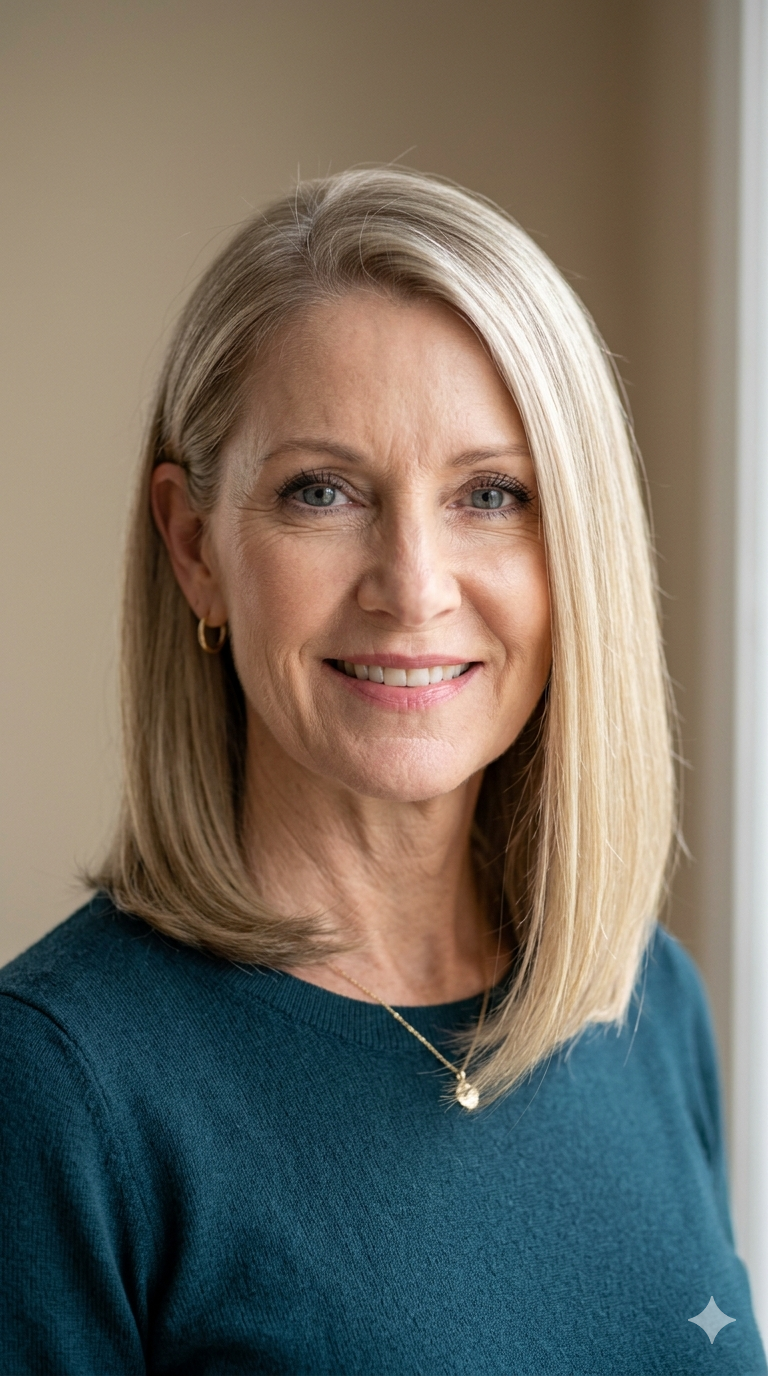
    The blunt lob (long bob) is the workhorse of fine hair cuts. It hits right at the collarbone — the true definition of shoulder length — and features a straight, unlayered perimeter across the bottom.

    Why does blunt work so well for fine hair? Because a clean, straight line tricks the eye into seeing thickness. When hair is cut evenly across the bottom, the ends gather together and appear denser than they actually are. It’s a simple optical illusion, and it never fails.

    The blunt lob requires minimal styling. Air dry with a leave-in conditioner for a sleek, polished finish, or add a slight bend with a flat iron for soft movement. Just avoid over-texturizing the ends. A truly blunt lob has no internal layers whatsoever.

    Who it flatters most: Oval and heart-shaped faces. The straight line adds subtle width at the jaw.

    Styling time: Five minutes for air drying, ten for a flat iron finish.


    2. The Long Layered Cut with Face-Framing Pieces

    Layers on fine hair get a bad reputation, but long, soft layers placed correctly can add significant movement. The key is keeping layers long — no shorter than the chin — and concentrating them around the face.

    In this cut, the overall length stays at the shoulders, while the front pieces are cut slightly shorter to frame the jawline and cheekbones. Those face-framing pieces create the illusion of fullness around your face, even if the back remains relatively fine. The rest of the hair receives very light internal layering — just enough to remove weight without creating visible gaps.

    This is an excellent choice if you prefer to wear your hair down most days but want something softer than a severe blunt cut.

    Who it flatters most: Round and square face shapes. The face-framing pieces soften angular jawlines.

    Styling time: Eight minutes. Blow-dry with a round brush, focusing on turning the face-framing pieces slightly outward.


    3. The Textured Shag (Shoulder Length Version)

    The shag has evolved far beyond its 1970s reputation. The modern shoulder length shag for fine hair is light, airy, and surprisingly sophisticated.

    This cut features gentle, elongated layers throughout the entire head, plus a soft fringe (bangs) that can be worn straight across or swept to the side. The layers are cut using a technique called “point cutting,” where the scissors snip vertically into the ends rather than horizontally across them. That creates soft, wispy edges that catch light and create movement.

    The shag works best on fine hair that has a little natural wave. Straight hair can also work, but you may need to add texture with a salt spray or texturizing mist. The overall effect should be slightly undone — never stiff or over-styled.

    Who it flatters most: Women with strong facial features. The shag has enough visual interest to balance a bold face.

    Styling time: Four minutes. Flip head upside down, blast with warm air, flip back, and finger-comb.


    4. The Inverted Bob (Shoulder Length)

    The inverted bob is shorter in the back and gradually longer in the front, creating a stacked silhouette at the nape of the neck. When done at shoulder length, the front pieces reach the collarbone while the back sits significantly shorter — sometimes at the mid-neck.

    That stacking in the back is the secret weapon for fine hair. The shorter layers underneath push the longer top layers upward, creating natural volume at the crown without any product. It’s built-in lift, engineered by the cut itself.

    The inverted bob does require regular maintenance. The stacked back grows out quickly and loses its shape after about six weeks. But for women willing to commit to frequent trims, the volume payoff is unmatched.

    Who it flatters most: Women with longer necks. The exposed nape area looks elegant and elongated.

    Styling time: Seven minutes. Blow-dry the back upward with a round brush to enhance the stacked volume.


    5. The Soft Waves Cut (Heatless Method)

    Some hairstyles for fine hair rely on the cut alone. This one relies on a specific styling approach combined with a wave-friendly shape.

    Ask your stylist for a shoulder length cut with long, invisible layers — layers so subtle you can barely see them when the hair is straight. Then, instead of blow-drying straight, create soft waves using a heatless method: braid damp hair overnight, or twist sections into pin curls and sleep on them. In the morning, shake out loose, gentle waves.

    The cut works because the invisible layers prevent the waves from looking bulky or triangular. Fine hair takes waves beautifully when the weight is properly distributed. The result is soft, romantic volume that lasts all day.

    Who it flatters most: Women with oval or long face shapes. Waves add width and softness.

    Styling time: Five minutes in the morning, plus overnight preparation.


    6. The Center-Parted Lob

    The center part has returned to fashion for good reason: it creates symmetry and draws the eye vertically, which can make fine hair appear longer and fuller.

    This cut is simply a blunt lob worn with a precise center part. The key is keeping the length exactly at the collarbone — not above, not below. That specific length, combined with the center part, creates a curtain of hair that frames both sides of the face equally.

    The center-parted lob works best on fine hair that is naturally straight or only slightly wavy. Curly or very wavy textures may not hold the clean center line as effectively. For straight hair, a quick pass with a flat iron creates a mirror-smooth finish that looks expensive and intentional.

    Who it flatters most: Women with symmetrical features. The center part puts symmetry on display.

    Styling time: Six minutes. Flat iron smooth, then use a tail comb to create a razor-sharp center part.


    7. The Choppy Layered Cut

    Choppy layers sound risky for fine hair, and they can be — if done poorly. But the right kind of choppy layering adds deliberate, visible texture that reads as edgy and full, not sparse and damaged.

    In a proper choppy cut for fine hair, the layers are uneven in length but not dramatically so. Some pieces might be an inch shorter than others. The ends are cut at slightly different angles, creating a broken, piece-y effect. That irregularity catches light differently across the head, which tricks the eye into seeing more density.

    The key warning: find a stylist who understands fine hair. Choppy layers on thick hair look very different from choppy layers on fine hair. Bring reference photos of fine-haired women, not thick-haired models.

    Who it flatters most: Women with angular face shapes. The choppy texture echoes sharp bone structure.

    Styling time: Five minutes. Rub a pea-sized amount of texture paste between palms and rake through dry hair.


    8. The Sleek Straight Lob

    Sometimes the most powerful statement is simplicity. The sleek straight lob requires no layers, no texture, no waves — just mirror-smooth, glass-like hair cut precisely at shoulder length.

    This style works because it embraces fine hair’s natural tendency toward sleekness instead of fighting it. Fine hair can achieve a level of smoothness that thick, coarse hair never can. That glassy finish looks expensive, polished, and modern.

    To achieve the sleek straight lob, you will need a high-quality flat iron and a heat protectant. Section the hair and flat iron in small subsections, working from root to tip. Finish with a few drops of lightweight serum applied to the mid-lengths and ends only (never the roots).

    Who it flatters most: Women with strong jawlines. The sleek shape highlights bone structure.

    Styling time: Twelve to fifteen minutes for flat ironing.


    9. The Voluminous Blowout Cut

    Certain cuts are designed specifically for women who love a good blowout. This is one of them.

    Ask your stylist for a shoulder length cut with internal volume layers — layers that are cut into the interior of the hair while leaving the exterior surface smooth. These hidden layers remove weight from the crown, allowing the roots to lift easily with a round brush and a blow dryer.

    The voluminous blowout cut also features slightly longer pieces around the face, which can be curled away from the face during styling for an extra lift. When blown out properly, this cut can achieve the kind of body that looks like you just left a salon — even if you did it yourself.

    The trade-off is that this cut requires styling. Air drying will not activate the volume layers. You need heat and a round brush.

    Who it flatters most: Women willing to spend ten minutes blow-drying. The payoff is worth it.

    Styling time: Ten minutes with a round brush and blow dryer.


    10. The One-Length Curtain Cut

    The curtain cut has become famous for its face-framing “curtain” bangs, but the technique works beautifully at shoulder length even without bangs.

    In this cut, the hair is cut to one length at the shoulders, with the front pieces left slightly longer than the back. Those longer front pieces are then styled to sweep away from the face on both sides, creating a curtain effect. The result is soft, open, and flattering for almost every face shape.

    The one-length curtain cut works best on fine hair that has a little natural bend. Straight hair can also work, but you may need to add a soft wave to the front pieces with a flat iron to achieve the curtain effect.

    Who it flatters most: Almost every face shape. The curtain effect is universally flattering.

    Styling time: Six minutes. Flat iron the front pieces away from the face, leaving the rest natural.


    11. The Layered Lob with Bottleneck Bangs

    Bottleneck bangs are the newer, softer cousin of curtain bangs. They are shortest at the center (hovering just above the eyebrows) and gradually lengthen toward the ears, where they blend into the rest of the hair.

    Paired with a layered lob at shoulder length, bottleneck bangs add interest and movement without requiring heavy styling. The bangs disguise a thinning hairline or high forehead, while the lob’s layers keep the overall shape light and airy.

    This combination works particularly well for women who wear glasses. The bottleneck shape clears the lenses while still providing soft framing.

    Who it flatters most: Women with high foreheads or who wear glasses regularly.

    Styling time: Eight minutes. Blow-dry bangs forward with a small round brush, then sweep to the sides.


    12. The Tucked Under Shoulder Cut

    The tucked under style is less about the cut and more about the styling technique — but the cut matters. You need a shoulder length blunt cut with no layers whatsoever.

    To style, flat iron the hair completely smooth. Then, tuck the ends under on both sides, as if you were creating a soft inward roll. Secure the tucked sections with small clear elastics or bobby pins hidden beneath the top layer of hair. The result is a polished, faux-bob effect that lasts all day.

    This style gives you two looks in one: wear it loose for a sleek lob, or tucked under for a faux bob. For fine hair, the tucked version creates the illusion of thickness because the ends disappear, leaving only the fuller mid-lengths visible.

    Who it flatters most: Women who want versatility without committing to a shorter cut.

    Styling time: Ten minutes for flat ironing plus two minutes for tucking and pinning.


    13. The Textured Ends Cut

    This cut keeps most of the hair at shoulder length with minimal layering, then adds visible texture only to the last inch of the ends. Those textured ends are cut with point shears or a razor to create soft, wispy tips that separate slightly.

    Why does this work for fine hair? Because textured ends prevent the “chopped off” look that can make fine hair appear even thinner. Soft, feathered tips blend together instead of sitting in a heavy line. The rest of the hair remains smooth and intact.

    The textured ends cut is ideal for women who want to keep length but need help avoiding the stringy, see-through ends that fine hair often develops.

    Who it flatters most: Women with fine, straight hair that tends to show every uneven end.

    Styling time: Five minutes. Air dry or rough dry with fingers — no round brush needed.


    14. The Deep Side Part Volume Cut

    Sometimes the most effective change is also the simplest. This cut is just a shoulder length blunt lob — but worn with an extreme deep side part.

    The deep side part instantly lifts the roots on the heavier side. When fine hair is pushed to one side, the lighter side stands up naturally, creating genuine volume without any product. The deeper the part, the more dramatic the lift.

    To maximize the effect, ask your stylist to cut the lob with a slight asymmetry: slightly shorter on the heavier side of the part, slightly longer on the lighter side. That subtle difference enhances the volume even further.

    Who it flatters most: Women with round faces. The deep side part breaks up facial symmetry.

    Styling time: Three minutes. Create the deep side part with a tail comb, then blow-dry the roots on the lighter side upward.


    Final Thoughts

    The fourteen shoulder length hairstyles above share one thing in common: none of them try to force fine hair into behaving like thick hair. Instead, each cut works with your natural texture to create shape, movement, and the illusion of density.

    Shoulder length is truly the sweet spot for fine hair. It is long enough to style in multiple ways, short enough to maintain volume at the roots, and universally flattering across face shapes and ages. The key is choosing the right cut for your specific texture and lifestyle.

    Bring pictures to your stylist. Be honest about how much time you are willing to spend styling. And remember: the best haircut is the one that makes you feel confident the moment you walk out of the salon — and every morning after.

  • 10 Hairstyles for Thin Fine Hair Over 50 That Look Anything But Thin
    10 Hairstyles for Thin Fine Hair Over 50 That Look Anything But Thin
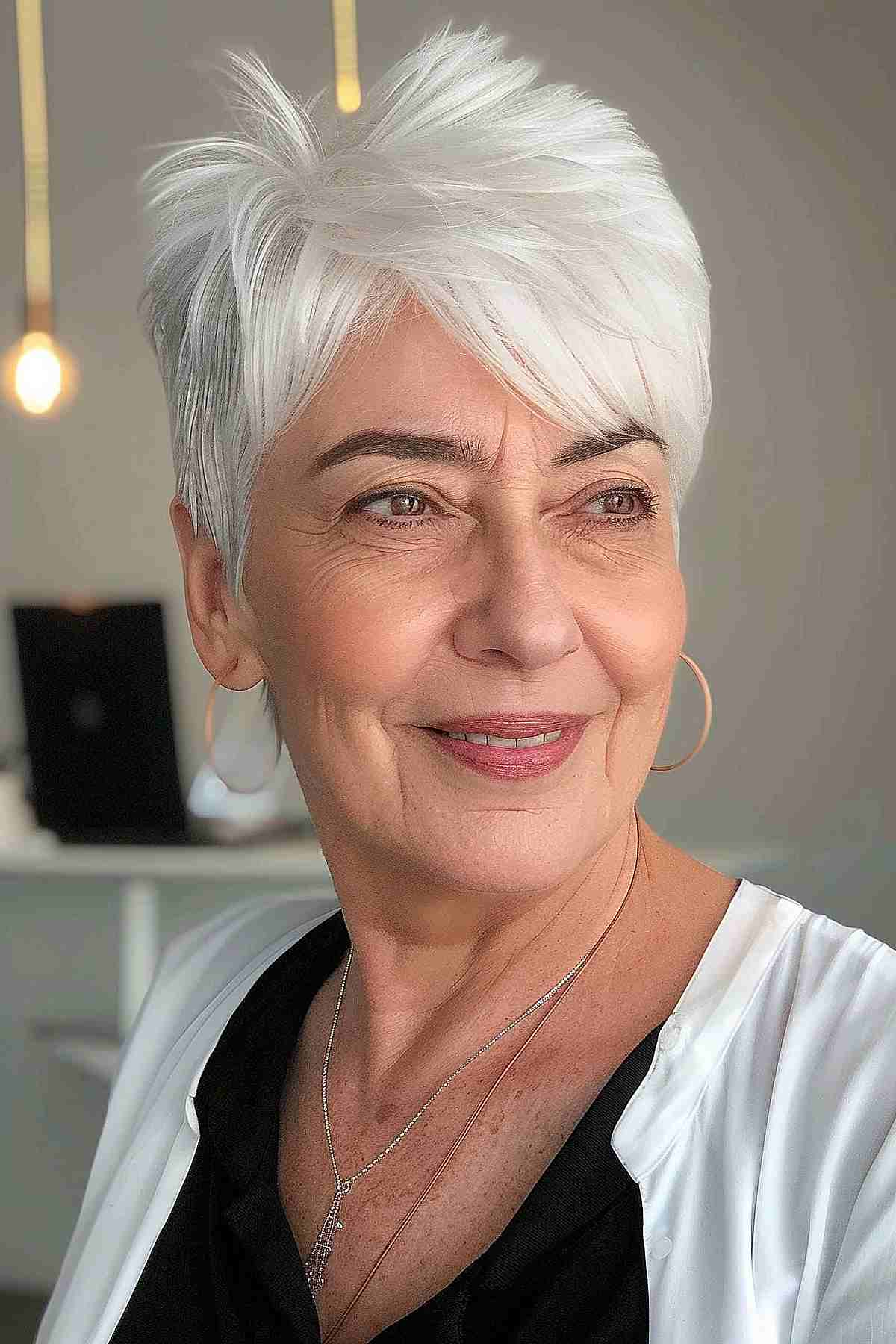
    Finding the right hairstyles for thin fine hair over 50 can feel like a frustrating search. You want volume that lasts past noon, shape that flatters your features, and a cut that doesn’t require forty minutes of hot tools every morning. The good news? The perfect style exists — and it starts by working with your texture, not against it.

    If you’ve spent years feeling like your hair is working against you, here’s a shift in perspective worth trying: fine, thin hair after 50 isn’t a limitation. It’s an invitation to become more intentional.

    At this stage, you know what doesn’t work. Heavy layers that go nowhere. Long, limp strands that cling to your neck. Overly teased styles that announce themselves before you enter a room. The right haircut can deliver something far better than false volume. It can deliver shape, movement, confidence, and a quietly polished look that never shouts for attention.

    Below are ten hairstyles specifically designed for thin, fine hair over 50. Each one has been chosen because it works with your texture, not against it. No miracle products required. No complicated routines. Just smart architecture.


    1. The Textured Pixie

    The textured pixie is arguably the most reliable option for fine hair. Why? Because it removes length — the single biggest enemy of limp strands — while adding something even better: deliberate, visible texture.

    A proper textured pixie stays short on the sides and back, then leaves slightly more length on top. That extra inch or two on the crown is where the magic happens. When cut with a technique called point cutting (where the stylist holds the scissors vertically and snips into the ends), the top pieces gain separation and movement. Instead of lying flat, each section seems to have its own gentle direction.

    This is not the uniform, helmet-like pixie of decades past. The modern version is softer, more piece-y, and infinitely more forgiving. It also grows out beautifully. As the sides lengthen, the shape simply shifts from cropped to textured without entering that awkward in-between phase that plagues other short cuts.

    Best of all, the textured pixie puts the focus exactly where it belongs: on your eyes, your bone structure, and your expression. When the hair recedes from the face, the face itself becomes the center of attention.

    Who it flatters most: Oval, heart, and square face shapes. Works beautifully with glasses.

    Styling time: Under five minutes. A pea-sized amount of light pomade or texture paste, rubbed between palms and raked through the top, is all you need.


    2. The French Bob

    The French bob has enjoyed a well-deserved revival, and for fine-haired women over fifty, it might be the most elegant option on this list. This cut sits at chin length — never shorter, rarely longer — with a soft, barely-there bend at the ends.

    What makes the French bob different from a standard bob is its attitude. It rejects perfection. The ends should not curl under uniformly. Instead, they flick slightly outward, or bend in different directions, or simply follow the natural fall of your hair. That relaxed finish is the entire point. Fine hair that tries too hard to be smooth and round often looks thinner than it is. Hair that accepts its own gentle imperfections looks fuller.

    The French bob also avoids heavy internal layers. While other bobs rely on layering to create shape, the French bob keeps the perimeter clean and solid. That solid line tricks the eye into seeing more density. It’s a classic optical illusion, and it works every time.

    To style, let your hair air dry about eighty percent of the way, then run a small round brush through the ends while hitting them with low heat. Or skip the heat entirely. A salt spray applied to damp hair, followed by scrunching and air drying, creates that effortless Parisian finish.

    Who it flatters most: Round and long face shapes. The chin-length line balances fullness and length beautifully.

    Styling time: Five to ten minutes, or zero if air drying.


    3. The Long Pixie with Micro Bangs

    The long pixie keeps more coverage on top and at the crown than a traditional short pixie, which is excellent news if you prefer not to go extremely short. The back and sides remain neat and close to the head, but the top grows longer — sometimes two to three inches — allowing for softness and versatility.

    Adding micro bangs (bangs cut well above the eyebrows) transforms this cut from simple to striking. Micro bangs serve two important purposes for fine hair. First, they draw the eye upward, which cleverly disguises any thinning along the hairline or part line. Second, they add a graphic, deliberate element that makes the rest of the cut look intentional rather than merely short.

    Women over fifty sometimes hesitate before trying micro bangs, worrying they will read as childish or severe. The opposite is true. On fine hair, micro bangs look modern, confident, and slightly edgy — in the most sophisticated way possible. They also require very little maintenance. A quick snip every two to three weeks keeps them at the ideal length, and they dry in seconds.

    Who it flatters most: Women with strong brows or good eye definition. The bangs frame the eyes directly, so make sure that frame is worth highlighting.

    Styling time: Three minutes. A bit of lightweight mousse at the roots, blow-dry the top forward, and go.


    4. The Blunt Lob with Invisible Layers

    The lob (long bob) has become a staple for good reason. It hits the sweet spot between short and long, offers styling flexibility, and works on almost every face shape. But for fine hair, a standard lob can fall flat — literally. The weight of the hair pulls down, eliminating any chance of volume.

    The solution is the blunt lob with invisible layers. Here’s how it works: the outer perimeter of the cut remains completely blunt, giving the illusion of thick, healthy ends. But beneath that solid exterior, your stylist cuts very light, long layers that exist only on the interior of the hair. Those hidden layers remove just enough weight to allow movement and lift without sacrificing the clean bottom line.

    Invisible layers are the opposite of the choppy, heavily textured cuts that were popular a decade ago. Those cuts often left fine hair looking gap-toothed and sparse. Invisible layers leave the surface smooth while the inside breathes.

    This cut works best when the length falls just above the collarbone. Any longer, and the weight becomes an issue again. Any shorter, and you lose the elegant elongation that makes the lob so flattering.

    Who it flatters most: Women with longer necks or narrower faces. The blunt line adds width at the jaw, balancing length.

    Styling time: Ten minutes. Focus your blow-dry on the roots for lift, then let the ends air dry or give them a quick pass with a flat iron for polish.


    5. The Asymmetrical Bob

    If you want to add volume without adding product, change the geometry instead. The asymmetrical bob achieves precisely that.

    In this cut, one side sits noticeably longer than the other — typically by one to two inches. The shorter side is often tucked behind the ear, while the longer side sweeps forward toward the collarbone. That imbalance does something unexpected for fine hair: it tricks the eye into seeing more density on one side, which makes the overall head of hair appear fuller than it actually is.

    Think of it like a visual sleight of hand. When the eye registers asymmetry, it stops looking for uniform thickness and starts appreciating the shape instead. Fine hair always benefits when the focus shifts from density to design.

    The asymmetrical bob also allows you to play with your part. A deep side part on the longer side creates instant lift at the root, while a center part on the same cut creates a sleek, severe look that works beautifully for evening.

    Who it flatters most: Round and square face shapes. The diagonal line of the cut breaks up the horizontal lines of a round face or softens the angles of a square jaw.

    Styling time: Five to seven minutes. Flat iron the ends slightly to define the asymmetry, then mist with a flexible hold hairspray.


    6. The Cropped Shag

    The word “shag” might conjure images of the 1970s — big, fluffy, and absolutely wrong for fine hair. The modern cropped shag could not be more different.

    Today’s version is light, wispy, and carefully restrained. The cut features gentle, elongated layers throughout, with a soft fringe (bangs) that can be worn straight across or swept to the side. The key difference between a bad shag and a good shag for fine hair is texture density. A good stylist will use a technique called “slithering” — running the closed scissors down the length of the hair to remove a small amount of weight without creating visible gaps. The result is movement without emptiness.

    The cropped shag works exceptionally well for women who prefer a slightly undone, lived-in look. It does not require precision styling. In fact, it looks best when it is a little messy, a little tossed, and completely natural. That makes it an ideal choice if you want to minimize heat styling and maximize your morning routine.

    One caution: avoid over-texturizing. Some stylists, eager to please, will take thinning shears to fine hair and accidentally remove too much. Be clear that you want light, internal movement — not visible chunks or missing sections.

    Who it flatters most: Women with strong facial features. The shag has a lot of visual interest, so it pairs best with a face that can hold its own.

    Styling time: Four minutes. Flip your head upside down, blast with warm air for thirty seconds, flip back, and finger-comb.


    7. The Side-Swept Pixie Bob

    The pixie bob hybrid is exactly what it sounds like: a pixie in the back, a bob in the front. The back is cropped short and close to the head, while the front sections lengthen gradually until they reach the chin or jawline. Then — and this is the crucial step — everything is swept deeply to one side.

    That deep side sweep does more than add drama. It physically lifts the hair at the root. When fine hair is pushed to one side, the roots on the lighter side stand up naturally, creating genuine volume without teasing, backcombing, or products. Gravity does the work for you.

    The side-swept pixie bob also offers versatility. On days when you want more coverage, you can sweep the longer pieces across your forehead. On days when you want more openness, tuck the longer side behind your ear. One cut, multiple moods.

    This style works best on hair that is naturally straight or has only a slight wave. Curly or very wavy textures may not hold the side sweep as effectively without significant product.

    Who it flatters most: Women with high foreheads or longer face shapes. The deep side part and sweeping front pieces break up vertical length.

    Styling time: Three minutes. Apply a root-lifting spray to damp hair, blow-dry in the direction of the sweep, and secure with a single bobby pin if needed.


    8. The Wispy Layered Cut

    Layers on fine hair have a bad reputation, and unfairly so. Bad layers — short, choppy, uneven — will absolutely ruin fine hair. But good layers, specifically wispy layers, can save it.

    Wispy layers are long, soft, and feather-light. They begin no shorter than the earlobe and continue to the ends, with each layer only slightly shorter than the one below it. The effect is gentle graduation, not dramatic steps. When light hits wispy layers, it catches the edges and creates the illusion of movement and depth. Flat, one-length hair reflects light uniformly, which often emphasizes thinness. Wispy layers scatter light, which disguises it.

    This cut works best on hair that falls between the ears and the shoulders. Any longer, and the layers lose their lift. Any shorter, and you might as well commit to a pixie. The wispy layered cut is for women who want to keep some length but need help creating body.

    A note on styling: use the lightest products possible. Heavy creams, oils, or butters will weigh down wispy layers and defeat their purpose. A lightweight mousse or a volumizing spray is plenty.

    Who it flatters most: Women with fine, straight hair. Wavy textures can also work, but curly hair may not show the wispy effect clearly.

    Styling time: Eight to ten minutes. Blow-dry with a round brush, focusing on lifting the roots and turning the ends under slightly.


    9. The Rounded Bob

    The rounded bob is often misunderstood. Inexperienced stylists hear “rounded” and reach for the curling iron. That is not what this cut is about.

    A proper rounded bob is cut to follow the natural curve of your head. The back is shorter — usually right at the nape of the neck — and the hair gradually lengthens toward the front until it reaches the chin. When viewed from the side, the silhouette forms a gentle C-curve. That curve mirrors the softness of a mature face, which is why the rounded bob looks so harmonious on women over fifty.

    What the rounded bob does not do is curl under artificially. The shape comes from the cut itself, not from styling. When you wash and air dry a well-cut rounded bob, the ends should fall into a soft inward curve naturally. If you need a round brush and a blow dryer to create the shape, the cut is wrong.

    For fine hair, the rounded bob offers a significant advantage: it keeps the heaviest part of the hair (the ends) close to the jawline, where the hair can appear thickest. Meanwhile, the shorter back removes weight from the crown, allowing for natural lift.

    Who it flatters most: Women with softer jawlines or rounder face shapes. The C-curve echoes what is already there.

    Styling time: Five minutes. Rough dry the roots with your fingers, then use a paddle brush to smooth the ends into their natural curve.


    10. The Tucked Under Lob

    Last but certainly not least, the tucked under lob delivers maximum sophistication with minimum effort.

    This cut is a long bob — typically grazing the collarbone — that is styled asymmetrically by tucking one side behind the ear while the other side falls forward. That simple asymmetry, like the asymmetrical bob mentioned earlier, creates visual interest that distracts from any lack of density. But the tucked under lob adds one more benefit: it showcases the jawline and neck on the exposed side, drawing the eye to bone structure rather than hair volume.

    The tucked under lob works beautifully with very fine, straight hair because it does not require any volume whatsoever. A sleek, flat finish is actually desirable here. Think less “big hair” and more “polished architectural shape.” This is the cut for evenings out, professional headshots, or any time you want to look deliberate and composed.

    To style, flat iron the entire head smoothly, then tuck the shorter side (or the side with less hair) behind your ear. Secure with a single clear elastic or a small decorative clip if needed. Mist with a lightweight hairspray to hold the tucked position.

    Who it flatters most: Women with defined jawlines or elegant necklines. This cut puts those features on display, so wear it proudly.

    Styling time: Twelve minutes for flat ironing, plus thirty seconds to tuck and secure.


    Final Thoughts

    The ten hairstyles above share one common thread: none of them try to fake what isn’t there. They do not rely on teasing, backcombing, extensions, or heavy products. Instead, they work with fine hair’s natural characteristics — its lightness, its movement, its honesty — and build a shape around those qualities.

    As you consider which cut to try next, remember that the best hairstyle is not the one that looks the fullest in a magazine. It is the one that makes you feel most like yourself when you look in the mirror. If you have been hiding your fine hair under heavy lengths or fighting it with hot tools every morning, give one of these ten options a chance. You might be surprised how much better your hair behaves when you stop fighting its nature and start working with it.

    Ask your stylist for a consultation before any cut. Bring pictures. And do not be afraid to say these words: “I have fine hair. I want shape, not volume. Work with my texture, not against it.”

    Your best cut is out there. It is probably on this list.