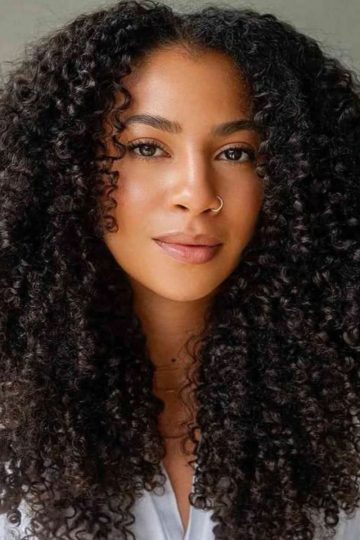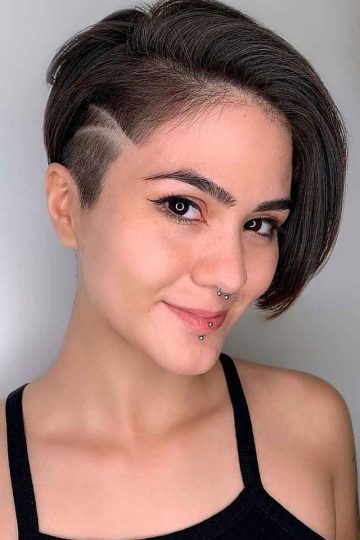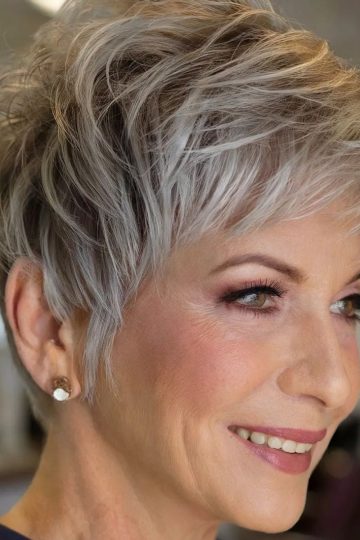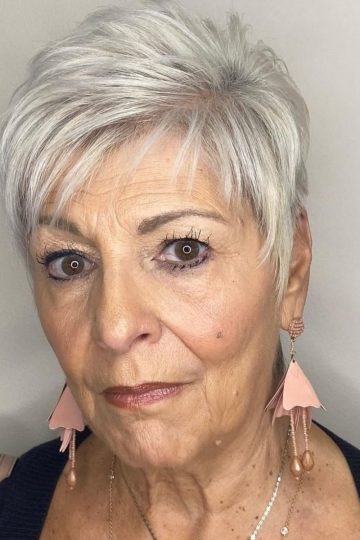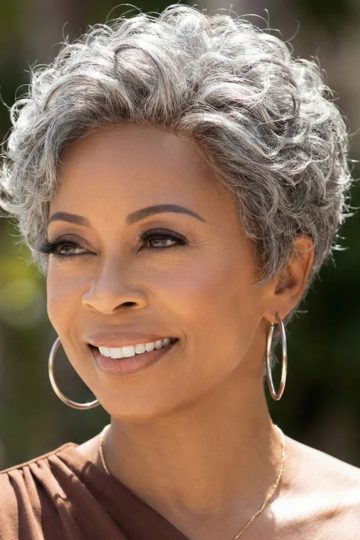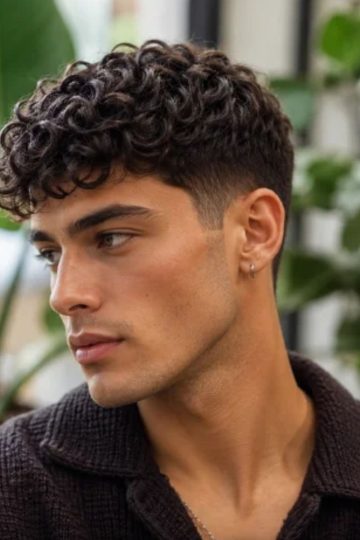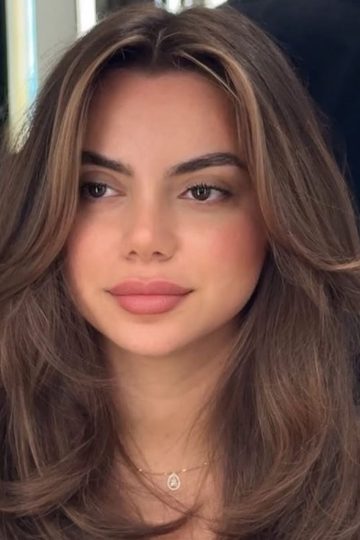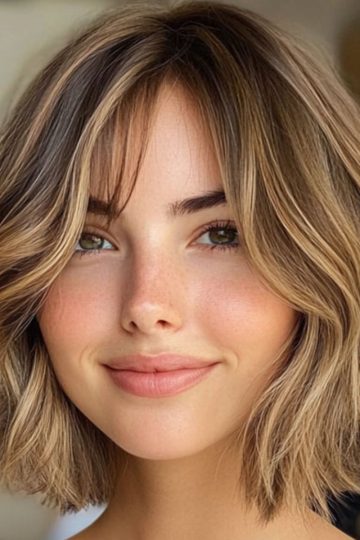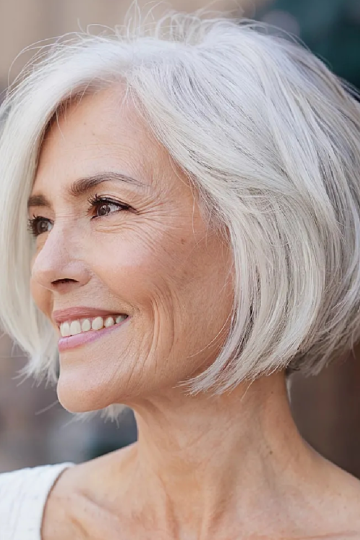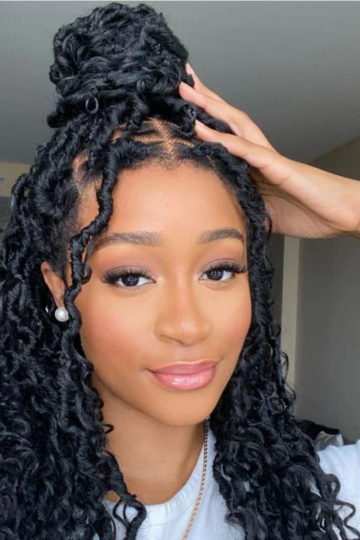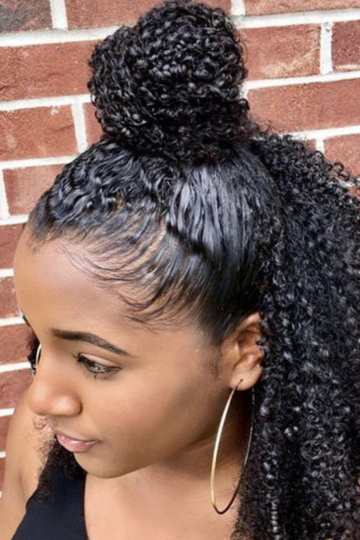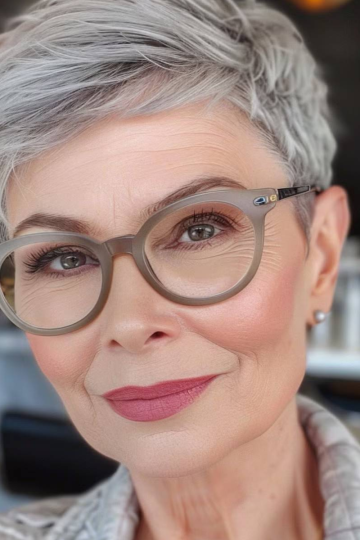
Category: Hairstyles

  • 16 Short Hair Ideas for Plus Size Women: Flattering, Confident, and Stylish

    16 Short Hair Ideas for Plus Size Women: Flattering, Confident, and Stylish

    The Perfect Cut for Your Beautiful Face

    16 short hair ideas for plus size women prove that the right haircut is not about hiding or minimizing—it is about celebrating. For too long, plus size women have been given outdated advice about their hair. “Wear it long to elongate your face.” “Keep it dark to slim your silhouette.” “Avoid volume because it adds width.” These so-called rules are not only false but also deeply limiting. The truth is that short hair can be incredibly flattering for plus size women when it is chosen with intention and styled with confidence.

    The key to a great short haircut for any woman, regardless of size, is balance, proportion, and personal style. A well-chosen short cut can highlight your best features—your eyes, your cheekbones, your smile—while minimizing the features you are less confident about. It can add volume where you want it, create angles where you need them, and make you feel like the best version of yourself.

    In this guide, we explore 16 short hair ideas for plus size women, ranging from pixie cuts and bobs to undercuts and curly styles. We will discuss which cuts work best for different face shapes, how to style them, and how to communicate with your stylist. Whether you have fine hair, thick hair, straight hair, or curly hair, there is a short style here that will make you look and feel amazing.


    1. The Angled Bob

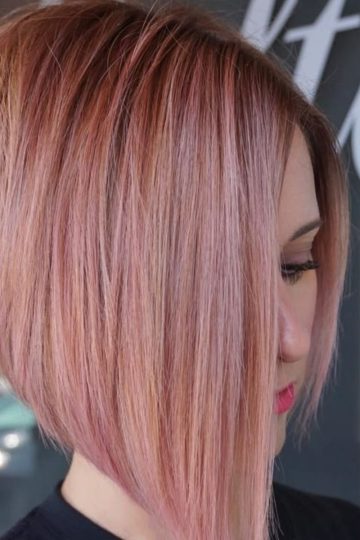
    The angled bob is shorter in the back and gradually longer in the front. This diagonal line creates instant lift and elongation, making it one of the most flattering short haircuts for plus size women.

    Why it works: The angle draws the eye downward, creating a lengthening effect that balances the face. The longer front pieces frame the face beautifully, while the shorter back keeps the cut from looking too heavy. This is a versatile cut that works on straight, wavy, and curly hair.

    How to style: Blow-dry with a round brush, curling the ends under for a classic look or flipping them out for a modern twist. For a more relaxed style, apply a texturizing spray and air dry.

    Best face shapes: Round, oval, and heart. The angle elongates round faces and balances wider foreheads.

    Maintenance: Trims every 4-6 weeks to maintain the angle.


    2. The Textured Pixie

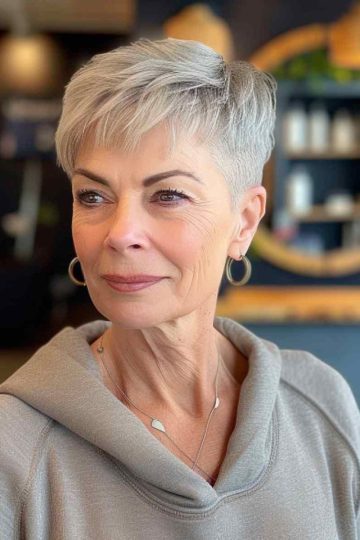
    The textured pixie is short on the back and sides, with longer, choppy layers on top. The texture adds volume and movement, making it a great choice for plus size women with fine or thin hair.

    Why it works: The height on top created by the textured layers elongates the face, creating a slimming effect. The choppy ends add visual interest and draw the eye upward. Plus, the pixie is incredibly easy to style and maintain.

    How to style: Apply a texturizing paste or wax to dry hair. Rub it between your palms, then scrunch and pull the top sections upward. The messier, the better. A small amount of dry shampoo at the roots can add even more texture.

    Best face shapes: Oval, round, and square. The height on top balances round faces and softens square jaws.

    Maintenance: Trims every 4-5 weeks to keep the shape tight.


    3. The Asymmetrical Bob

    The asymmetrical bob is longer on one side than the other. The difference in length can be subtle or dramatic, but the effect is always modern and eye-catching.

    Why it works: Asymmetry creates a diagonal line across the face, which is inherently lengthening and slimming. The unexpected shape draws the eye across the face rather than around it, making it an excellent choice for plus size women who want to add interest and movement to their look.

    How to style: Blow-dry with a round brush, emphasizing the longer side. Use a small amount of pomade or gel to keep the shorter side sleek. A deep side part emphasizes the asymmetry.

    Best face shapes: Oval and square. The diagonal line breaks up the symmetry of a square jaw beautifully.

    Maintenance: Trims every 4-6 weeks. The asymmetry becomes less obvious as it grows out.


    4. The Curly Pixie (For Natural Curls)

    For plus size women with naturally curly or coily hair, a curly pixie is a stunning, low-maintenance option. The hair is cut short all over, allowing the curls to spring up into tight, dense coils.

    Why it works: Curls add automatic volume and texture. A curly pixie looks fuller and more voluminous than a straight pixie because the curls stack on top of each other. The height of the curls elongates the face, while the softness of the texture flatters all features.

    How to style: Apply a curl cream or gel to soaking wet hair. Use your fingers to define individual curls. Air dry or diffuse on low heat. Do not touch while drying. Once dry, fluff gently at the roots.

    Best face shapes: Oval, heart, and diamond. The softness of the curls flatters most face shapes.

    Maintenance: Low. Trims every 6-8 weeks to maintain the shape. Curly hair hides grow-out well.


    5. The Stacked Bob

    The stacked bob features layers that are cut shorter at the back and gradually longer toward the front, with significant volume built into the crown. This creates a rounded, “stacked” shape in the back.

    Why it works: The volume at the crown adds height, which elongates the face and creates a slimming effect. The stacked back also adds fullness to fine or thin hair, making it look denser and healthier.

    How to style: Apply a volumizing mousse to damp hair. Blow-dry with a round brush, lifting the crown section for maximum volume. The ends can be curled under or left straight.

    Best face shapes: Round, oval, and heart. The height on top balances round faces.

    Maintenance: Trims every 4-6 weeks. The stacked shape loses its volume as the hair grows.


    6. The Side-Swept Pixie

    The side-swept pixie features longer bangs that are swept to one side, while the rest of the hair is short and close to the head. The deep side part and sweeping bang create a dramatic, face-framing effect.

    Why it works: The diagonal line created by the side-swept bang is lengthening and slimming. The deep side part adds height at the crown, further elongating the face. This is a sophisticated, elegant look that works beautifully for plus size women.

    How to style: Blow-dry the bangs with a round brush, sweeping them to one side. Use a small amount of pomade to keep them in place. The short back and sides can be left textured or smooth.

    Best face shapes: Oval, round, and square. The diagonal line softens round faces and square jaws.

    Maintenance: Trims every 4-5 weeks. The bangs will grow into your eyes quickly.


    7. The Undercut Pixie

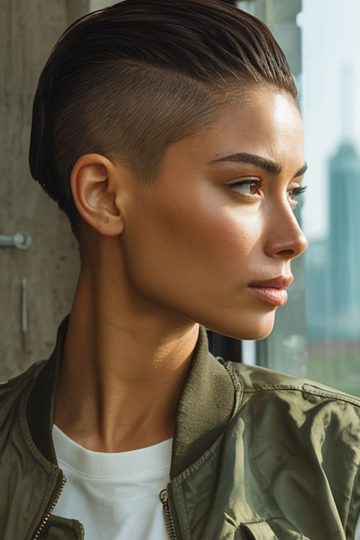
    The undercut pixie features shaved or closely cropped sections, usually on one side or at the nape of the neck, while the top remains longer. This hidden (or not-so-hidden) detail adds instant edge and attitude.

    Why it works: The undercut removes bulk from the sides and back, which can actually make the face look slimmer by contrast. The longer top adds height and volume, while the shaved sections add a modern, edgy touch.

    How to style: Style the top as you would any pixie—textured, spiky, or smooth. The undercut requires no styling but needs regular maintenance with a trimmer every 2-4 weeks to keep the shaved section clean.

    Best face shapes: All face shapes. The undercut does not change the face-framing effect of the top layer.

    Maintenance: High for the shaved section (trims every 2-4 weeks), low for the top.


    8. The Long Bob (Lob) with Layers

    The long bob, or lob, falls somewhere between the chin and the collarbone. Adding layers throughout creates movement, volume, and a soft, face-framing effect.

    Why it works: The lob is long enough to still feel feminine and soft but short enough to remove weight and add volume. The layers prevent the cut from looking heavy or boxy, which is especially important for plus size women. The length also allows for versatility—you can wear it straight, wavy, curly, or in a ponytail.

    How to style: Apply a volumizing mousse or texturizing spray to damp hair. Blow-dry with a round brush, adding gentle bends at the ends. For a more relaxed look, let the hair air dry.

    Best face shapes: All face shapes. The lob is universally flattering.

    Maintenance: Trims every 6-8 weeks.


    9. The Faux Hawk (Fohawk)

    The faux hawk mimics the look of a mohawk without shaving the sides completely. The sides are short but not bald, and the center section is longer and styled upward.

    Why it works: The faux hawk adds significant height at the crown, which elongates the face and creates a slimming effect. The vertical lines of the style draw the eye upward, making it an excellent choice for plus size women who want a bold, edgy look.

    How to style: Apply a volumizing mousse or texturizing paste to the center section. Blow-dry the center upward and back. Use your fingers or a comb to create height. The sides can be left smooth or textured.

    Best face shapes: Oval, round, and square. The height on top elongates round faces and softens square jaws.

    Maintenance: Trims every 4-6 weeks. The faux hawk loses its shape as the sides grow out.


    10. The Blunt Bob (Chin-Length)

    The blunt bob is cut in a straight, even line at the chin or just below. Unlike layered bobs, the blunt bob has a solid, heavy end line that creates the illusion of thick, healthy hair.

    Why it works: The strong horizontal line of the blunt bob can actually be very flattering for plus size women when paired with the right face shape. It adds structure and definition, especially for women with oval or heart-shaped faces. The key is keeping the length at or below the chin—never above.

    How to style: Blow-dry with a round brush, tucking the ends under for a classic shape. A shine spray will add polish and make the hair look healthy.

    Best face shapes: Oval and heart. Women with round faces should avoid this cut, as the blunt line can emphasize roundness.

    Maintenance: Trims every 4-5 weeks. Blunt ends look ragged when they grow out.


    11. The Shaggy Crop

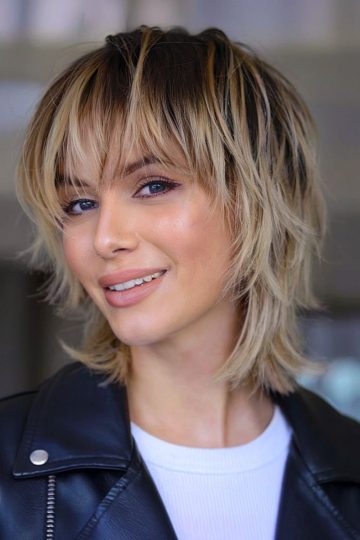
    The shaggy crop is a short cut with lots of choppy layers and texture. It is intentionally messy and disheveled, like you just rolled out of bed looking amazing.

    Why it works: The shaggy crop is effortlessly cool. The choppy layers create movement and volume, which is especially flattering for plus size women with fine or thin hair. The texture hides imperfections and makes the hair look thicker than it is.

    How to style: Apply a texturizing spray or sea salt spray to damp hair. Scrunch and air dry or diffuse. Do not brush—use your fingers to separate the layers. A small amount of pomade or wax can define individual pieces.

    Best face shapes: All face shapes. The soft, choppy texture flatters everyone.

    Maintenance: Low. The shaggy crop grows out gracefully. Trims every 6-8 weeks.


    12. The Tapered Natural (For Textured Hair)

    For plus size Black women with natural hair, the tapered cut is a modern, flattering classic. The sides and back are faded or tapered down to the skin, while the top is left longer in its natural curly or coily state.

    Why it works: The contrast between the clean, faded sides and the voluminous top is sharp and stylish. The height on top elongates the face, while the short sides slim the silhouette. This cut celebrates natural texture while looking undeniably cool.

    How to style: Apply a curl defining cream or gel to the top section. Use a curl sponge or your fingers to define the coils. The faded sides need only a clean shave. Visit your barber every 2-3 weeks to maintain the fade.

    Best face shapes: Round and square. The height on top elongates round faces, while the short sides slim the silhouette.

    Maintenance: Moderate to high. The fade requires frequent barber visits, but the top is low-maintenance.


    13. The Buzz Cut (Super Short All Over)

    The buzz cut is the ultimate low-maintenance short style. Hair is clipped to a uniform short length all over the head, typically between 1/4 inch and 1 inch.

    Why it works: A buzz cut is bold, confident, and undeniably flattering. Without hair to distract, your face—your eyes, your cheekbones, your smile—becomes the focus. Plus size women often worry that a buzz cut will make them look “bigger,” but the opposite is true. The clean, uniform shape draws attention to your features, not your size.

    How to style: There is no styling. Wash, dry, and go. That is the beauty of the buzz cut. You can add bold earrings or a bright lipstick to complete the look.

    Best face shapes: Oval, heart, and diamond. Women with round faces may prefer a little more length on top to elongate the face.

    Maintenance: Low. You will need a trim every 3-4 weeks to maintain the uniform length, but many women learn to buzz their own hair at home.


    14. The Curly Shag

    The curly shag combines the choppy, layered texture of a shag with natural curls or waves. The result is a voluminous, romantic, effortlessly cool style.

    Why it works: The curly shag adds volume exactly where you want it—at the crown and around the face. The layers remove weight, allowing curls to spring up and create height. For plus size women, this height is slimming and face-elongating.

    How to style: Apply a curl cream or gel to soaking wet hair. Scrunch and diffuse or air dry. Do not brush—use your fingers to separate the curls. A texturizing spray can add even more volume.

    Best face shapes: Oval, round, and heart. The softness of the curls flatters most face shapes.

    Maintenance: Low to moderate. Trims every 6-8 weeks.


    15. The Deep Side Part Pixie

    The deep side part pixie is exactly what it sounds like: a pixie cut with a deep side part, creating a dramatic sweep of hair across the forehead.

    Why it works: The deep side part adds height at the crown, which elongates the face. The sweeping hair across the forehead softens features and draws attention to the eyes. This is a simple but effective way to make a pixie cut more flattering for plus size women.

    How to style: Create a deep side part (far to one side). Blow-dry the longer side with a round brush, sweeping it across the forehead. Use a small amount of pomade to keep it in place. The short side can be left smooth or textured.

    Best face shapes: Oval, round, and square. The diagonal line softens round faces and square jaws.

    Maintenance: Trims every 4-5 weeks.


    16. The Bowl Cut (Modern)

    The modern bowl cut is a soft, rounded shape that follows the natural curve of your head, creating a bold, graphic silhouette. It is nothing like the childhood haircut you remember.

    Why it works: The bowl cut is unexpected and artistic. On plus size women, the clean, rounded shape can be very flattering because it creates a strong, intentional line. The key is keeping the length longer (at the ears or below) rather than very short.

    How to style: Apply a lightweight gel or mousse to damp hair. Blow-dry with a round brush, keeping the rounded shape. For a messier look, use a texturizing spray and scrunch.

    Best face shapes: Oval and heart. Women with round faces should avoid this cut, as the round shape can emphasize roundness.

    Maintenance: Moderate. Trims every 5-6 weeks to maintain the perfect circle.


    How to Choose the Right Short Cut for You

    With 16 options, here is a quick guide:

    • The “I want low maintenance” Woman: Buzz Cut, Shaggy Crop, or Curly Pixie.
    • The “I want volume and height” Woman: Stacked Bob, Faux Hawk, or Textured Pixie.
    • The “I have natural textured hair” Woman: Tapered Natural or Curly Shag.
    • The “I want a classic, elegant look” Woman: Angled Bob, Side-Swept Pixie, or Blunt Bob.
    • The “I want something edgy and modern” Woman: Undercut Pixie, Asymmetrical Bob, or Faux Hawk.

    Why “Rules” About Plus Size Hair Are Wrong

    You may have heard outdated advice about what plus size women should and should not do with their hair. Let us debunk those myths:

    Myth #1: “Long hair is more slimming.” False. Long hair can actually drag the face down and make features look heavier. Short hair with height at the crown is much more elongating.

    Myth #2: “Avoid volume because it adds width.” False. Volume at the crown adds height, which slims the face. The key is concentrating volume on top, not on the sides.

    Myth #3: “Dark colors are more slimming.” False. Color has nothing to do with size. The right color is the one that makes you feel confident and complements your skin tone.

    Myth #4: “Plus size women should not wear pixie cuts.” False. Pixie cuts can be incredibly flattering for plus size women when they are cut and styled correctly. The key is adding height at the crown and keeping the sides proportionate.


    Talking to Your Stylist

    Communication is essential. Here is what to say:

    • “I am a plus size woman looking for a short haircut that flatters my face shape.”
    • “I want height at the crown to elongate my face.”
    • “I am open to [pixie, bob, undercut, etc.]. What do you recommend for my face shape and hair type?”
    • “I do not want a cut that adds width to the sides of my face.”
    • “I want something that makes me feel confident and beautiful.”

    Bring photos! Find 2-3 images of plus size women with short haircuts that you love. This is much more effective than describing the cut with words alone.


    Final Thoughts: Your Size Does Not Define Your Style

    The most beautiful thing about any woman is her confidence. A haircut that makes you feel powerful, stylish, and authentically yourself will always be flattering, regardless of your size. These 16 short hair ideas for plus size women are not rules—they are possibilities. They are starting points for conversations with your stylist and inspiration for your next transformation.

    So ignore the outdated advice. Ignore anyone who tells you what you “should” do with your hair. Choose the cut that makes you feel like the best version of yourself. Whether that is a bold buzz cut, a romantic curly shag, or a classic angled bob, own it. Your hair, your rules, your beautiful self.

  • 10 Curtain Bangs for Women Over 50: Soft, Face-Framing, and Age-Defying

    10 Curtain Bangs for Women Over 50: Soft, Face-Framing, and Age-Defying

    The Bangs That Changed Everything

    10 curtain bangs for women over 50 offer a solution that is both stylish and flattering. Curtain bangs have taken the beauty world by storm in recent years, and for good reason. Unlike the heavy, blunt bangs of the past, curtain bangs are soft, parted down the middle or slightly off-center, and gently frame the face like, well, curtains framing a window. They are universally flattering, low-commitment, and surprisingly easy to style.

    For women over 50, curtain bangs are a game-changer. As we age, our faces naturally change. Skin loses some elasticity, fine lines appear, and features that once seemed sharp may soften. The right haircut can work with these changes rather than against them. Curtain bangs are ideal because they soften the forehead, draw attention to the eyes, and create the illusion of lift and height. They can also disguise forehead wrinkles, balance a long face, or add volume to thinning hair.

    In this guide, we explore 10 curtain bangs for women over 50, tailored to different hair textures, face shapes, and lifestyle needs. Whether you have fine hair, thick hair, curly hair, or straight hair, there is a curtain bang style here for you. We will discuss how to style them, how to maintain them, and how to communicate with your stylist to get the perfect result.


    1. Classic Curtain Bangs on a Shoulder-Length Cut

    The classic curtain bang is soft, wispy, and parted in the middle. When paired with a shoulder-length cut, this combination is elegant, timeless, and incredibly flattering for women over 50.

    Why it works: The shoulder-length cut provides enough weight to keep the hair from looking too thin, while the curtain bangs add softness around the face. The middle part draws the eye downward, creating a lengthening effect that balances round or heart-shaped faces.

    How to style: After washing, blow-dry your bangs using a round brush, rolling the hair away from your face. The goal is a gentle curve that sweeps to the sides, not a heavy curl. The rest of the hair can be blown straight, waved, or left natural. A light-hold hairspray will keep the bangs in place without making them stiff.

    Best face shapes: Oval, round, and heart. The length of the cut balances wider faces, while the bangs soften the forehead.

    Maintenance: Trims every 4-6 weeks to keep the bangs at the ideal length (just below the eyebrows or at the cheekbones).


    2. Curtain Bangs with a Long Bob (Lob)

    The long bob, or lob, falls somewhere between the chin and the collarbone. Adding curtain bangs to a lob creates a chic, modern look that is perfect for women over 50 who want something stylish but not overly high-maintenance.

    Why it works: The lob is one of the most flattering cuts for mature women because it lifts the face without looking severe. Curtain bangs add an extra layer of softness. Together, they create a look that is polished, youthful, and incredibly easy to style.

    How to style: Apply a volumizing mousse to damp hair. Blow-dry the lob with a round brush, adding gentle bends at the ends. For the bangs, use a small round brush to create the signature curtain sweep. For a more relaxed look, let the hair air dry with a texturizing spray.

    Best face shapes: Oval, square, and long. The lob’s length softens a square jaw, while the bangs shorten the appearance of a long face.

    Maintenance: Trims every 6-8 weeks for the lob, every 4-5 weeks for the bangs.


    3. Curtain Bangs on Fine, Thin Hair

    Many women over 50 experience thinning hair. The good news is that curtain bangs can actually make fine hair look fuller and more voluminous.

    Why it works: Curtain bangs add density exactly where you want it—around your face. The soft, parted style creates the illusion of more hair because the bangs are not heavy or blunt. They blend into the rest of your hair, adding movement and texture without weighing anything down.

    How to style: Use a lightweight volumizing mousse or spray at the roots. Blow-dry the bangs with a small round brush, lifting at the roots for volume. Avoid heavy products like creams or butters, which will flatten fine hair. Dry shampoo at the roots can add texture and grip.

    Best face shapes: All face shapes. The softness of curtain bangs is universally flattering, especially for fine hair.

    Maintenance: Trims every 4-5 weeks. Fine hair shows grow-out more quickly than thick hair.


    4. Curtain Bangs with Layered Hair

    Layers and curtain bangs are a match made in heaven. The layers add movement and volume throughout the hair, while the bangs frame the face.

    Why it works: As hair ages, it can lose its natural bounce and body. Layers help restore that bounce by removing weight and allowing the hair to move freely. Curtain bangs add the finishing touch, drawing the eye to your best features.

    How to style: Apply a volumizing mousse or texturizing spray to damp hair. Blow-dry using a round brush, lifting the layers as you go. The bangs should be dried away from the face, creating the curtain effect. For curly or wavy hair, a diffuser will enhance the natural texture.

    Best face shapes: Oval, round, and heart. The layers add volume where needed, while the bangs soften the forehead.

    Maintenance: Trims every 6-8 weeks for the layers, every 4-5 weeks for the bangs.


    5. Curtain Bangs on Curly Hair

    Curtain bangs are not just for straight hair. On curly hair, they create a soft, romantic, effortlessly chic look that is perfect for women over 50.

    Why it works: Curly curtain bangs blend seamlessly into the rest of your curls, creating a unified, natural shape. Unlike blunt bangs, which can look awkward on curly hair, curtain bangs work with your curl pattern instead of fighting it. They add softness around the face and can make your curls look fuller.

    How to style: Apply a curl cream or gel to soaking wet hair. Use your fingers to define the bangs, guiding them to fall to the sides rather than straight down. Diffuse on low heat or air dry. Do not brush—use your fingers to separate and fluff. The bangs should look like soft, face-framing curls.

    Best face shapes: Oval, heart, and diamond. The softness of the curls flatters most face shapes.

    Maintenance: Trims every 6-8 weeks. Curly hair hides grow-out well, but the bangs should be trimmed when they start to fall into your eyes.


    6. Curtain Bangs with a Chin-Length Bob

    A chin-length bob is a classic, sophisticated cut. Adding curtain bangs transforms it into something softer, more modern, and more playful.

    Why it works: The chin-length bob highlights the jawline, while curtain bangs soften the forehead and draw attention to the eyes. Together, they create a balanced, face-framing effect that is both elegant and youthful. This is an excellent choice for women over 50 who want a polished, put-together look.

    How to style: Blow-dry the bob with a round brush, tucking the ends under for a classic shape. For the bangs, use a small round brush to create the curtain sweep. A shine spray will add polish and make the hair look healthy.

    Best face shapes: Oval, square, and heart. The chin-length bob balances a wider forehead, while the bangs soften a square jaw.

    Maintenance: Trims every 4-6 weeks for the bob, every 4 weeks for the bangs.


    7. Curtain Bangs with a Pixie Cut

    Yes, you can have curtain bangs with a pixie cut! On a short pixie, curtain bangs are longer pieces at the front that sweep across the forehead, creating softness and movement.

    Why it works: A pixie cut is bold and modern. Adding curtain bangs softens the look, making it more feminine and approachable. This combination is perfect for women over 50 who want short hair but still want something soft and face-framing.

    How to style: Apply a small amount of pomade or texturizing paste to dry hair. Use your fingers to sweep the bangs to the sides, creating the curtain effect. The rest of the pixie can be left textured or smooth. The key is keeping the bangs long enough to sweep but short enough to stay out of your eyes.

    Best face shapes: Oval, heart, and diamond. The pixie highlights your bone structure, while the bangs add softness.

    Maintenance: Trims every 4-5 weeks. The pixie requires regular maintenance, and the bangs will grow out quickly.


    8. Wispy Curtain Bangs (Low-Density)

    Wispy curtain bangs are lighter, thinner, and more piece-y than traditional curtain bangs. They are an excellent choice for women over 50 who want a very soft, low-commitment look.

    Why it works: Wispy bangs are less dense, which means they are easier to style and grow out more gracefully. They add just a hint of softness around the face without overwhelming your features. For women with fine or thinning hair, wispy bangs are ideal because they do not remove too much density from the front.

    How to style: Apply a lightweight texturizing spray to damp bangs. Blow-dry with a small round brush, but do not over-style—the goal is a soft, airy look. A small amount of dry shampoo can add texture and separation.

    Best face shapes: All face shapes. The wispy, lightweight nature of these bangs makes them universally flattering.

    Maintenance: Trims every 5-6 weeks. Wispy bangs are more forgiving than blunt bangs as they grow out.


    9. Curtain Bangs with Gray or Silver Hair

    Gray and silver hair are beautiful, but they can sometimes look flat or one-dimensional. Curtain bangs add movement, softness, and dimension to gray hair, making it look vibrant and modern.

    Why it works: The soft, sweeping lines of curtain bangs catch the light differently than the rest of your hair, creating natural highlights and shadows. This adds depth and interest to gray or silver hair. Plus, the softness of the bangs counteracts any harshness in the color.

    How to style: Use purple shampoo once a week to keep gray hair bright and free of yellow tones. Style the bangs with a round brush, creating the signature curtain sweep. A shine spray will make silver hair look glossy and healthy.

    Best face shapes: Oval, heart, and square. The softness of the bangs balances the features.

    Maintenance: Trims every 4-6 weeks. Gray hair can be coarser than pigmented hair, so use moisturizing products to keep the bangs soft.


    10. Curtain Bangs with a Textured Shag

    The shag haircut is back in style, and it pairs beautifully with curtain bangs. A textured shag features choppy layers, lots of movement, and an intentionally messy, lived-in look.

    Why it works: The shag is effortlessly cool. The choppy layers create volume and texture, which is especially flattering for women over 50 with fine or thinning hair. Curtain bangs blend perfectly into the shag’s layered structure, creating a cohesive, face-framing shape.

    How to style: Apply a texturizing spray or sea salt spray to damp hair. Scrunch and air dry or diffuse. Do not over-brush—the goal is a messy, piece-y texture. Use your fingers to separate the bangs and sweep them to the sides.

    Best face shapes: Oval, round, and heart. The shag’s softness flatters most face shapes.

    Maintenance: Low. The shag grows out gracefully. Trims every 6-8 weeks for the layers, every 5-6 weeks for the bangs.


    Why Curtain Bangs Are Perfect for Women Over 50

    Curtain bangs offer several unique benefits for mature women:

    They soften forehead wrinkles. The soft, sweeping hair across the forehead naturally disguises fine lines and wrinkles without the need for heavy foundation or concealer.

    They draw attention to your eyes. By framing the face, curtain bangs naturally guide the viewer’s gaze to your eyes—often the most expressive and beautiful feature on a mature face.

    They create the illusion of lift. The parted, sweeping shape of curtain bangs adds vertical lines to the face, creating the appearance of lift and height.

    They are low-commitment. Unlike blunt bangs, curtain bangs grow out gracefully. If you decide you do not like them, you can simply sweep them to the sides and let them blend into your hair.

    They work with thinning hair. Because curtain bangs are soft and wispy, they do not require a lot of density. They can actually make thin hair look fuller by adding volume at the front.


    How to Style Curtain Bangs (Step-by-Step)

    Regardless of which style you choose, here is a simple step-by-step guide to styling curtain bangs:

    Step 1: Start with damp, towel-dried hair.

    Step 2: Apply a heat protectant and a lightweight styling product (mousse, texturizing spray, or a small amount of gel).

    Step 3: Part your hair in the middle or slightly off-center. This is the “curtain” part.

    Step 4: Using a small round brush (about 1 inch in diameter), take a section of your bangs and place the brush under the hair at the roots.

    Step 5: Blow-dry, rolling the brush away from your face. The hair should curve gently to the side, not curl under.

    Step 6: Repeat on the other side. The two sides should sweep away from each other, like curtains.

    Step 7: For a more relaxed look, let the bangs cool for a minute, then run your fingers through them to break up the shape.

    Step 8: Finish with a light-hold hairspray or a small amount of dry shampoo for texture.


    Talking to Your Stylist

    Clear communication is essential for getting the perfect curtain bangs. Here is what to say:

    • “I want curtain bangs that are soft, wispy, and parted in the middle or slightly off-center.”
    • “I want the bangs to hit just below my eyebrows or at my cheekbones. Nothing shorter.”
    • “I have [fine, thick, curly, straight] hair. How should we adjust the bangs for my texture?”
    • “I am over 50 and want something that softens my forehead and draws attention to my eyes.”
    • “How often will I need to come in for bang trims?”

    Bring photos! Find 2-3 images of women over 50 with curtain bangs. This is much more effective than describing the cut with words alone.


    Common Mistakes to Avoid

    Mistake #1: Cutting the bangs too short. Curtain bangs should hit at or below the eyebrows. Any shorter, and they lose their soft, sweeping effect.

    Mistake #2: Making them too thick. Curtain bangs are meant to be soft and wispy. Thick, heavy bangs will look dated and harsh.

    Mistake #3: Skipping trims. Bangs grow faster than the rest of your hair. Plan to visit your stylist every 4-6 weeks just for a bang trim.

    Mistake #4: Using too much product. Heavy gels, waxes, or creams will make curtain bangs look greasy and stiff. Stick to lightweight mousses, texturizing sprays, and dry shampoo.

    Mistake #5: Giving up too soon. It may take a few days or a week to learn how to style your new bangs. Be patient. Watch YouTube tutorials if needed.


    Final Thoughts: Soft, Flattering, and Age-Defying

    Curtain bangs are not a trend that will disappear next season. They have earned their place as a modern classic because they work for almost everyone. For women over 50, they offer a unique combination of softness, sophistication, and subtle youthfulness. They do not try to hide your age—they simply make you look like the best version of yourself.

    So whether you choose wispy bangs on fine hair, bold bangs on a lob, or romantic bangs on curly hair, these 10 curtain bangs for women over 50 will leave you feeling refreshed, confident, and beautiful. Take the plunge. The curtain is waiting to open.

  • 13 Funky Short Hair for Young Women: Bold, Edgy, and Unapologetically You

    13 Funky Short Hair for Young Women: Bold, Edgy, and Unapologetically You

    Short, Funky, and Fearless

    13 funky short hair for young women prove that you do not need long hair to make a statement. In fact, the boldest statements often come in the shortest packages. Young women today are rejecting the old rules that said hair must be long, flowing, and “feminine” in a traditional sense. Instead, they are embracing pixies, undercuts, shaved designs, bold colors, and asymmetrical shapes that reflect their personalities, their creativity, and their refusal to blend in.

    There is a unique freedom that comes with cutting your hair short and funky. You no longer hide behind your hair. Your face, your earrings, your makeup, and your confidence take center stage. Whether you are a college student experimenting with identity, a young professional wanting to stand out, or simply someone who is bored with the same old styles, funky short hair is a thrilling adventure.

    In this guide, we explore 13 funky short haircuts for young women who want to turn heads and break rules. From neon colors and shaved patterns to textured crops and disconnected undercuts, these styles are designed for the bold, the creative, and the unapologetic. We will discuss maintenance, face shapes, styling tips, and how to bring your vision to life.


    1. The Neon Pixie

    A pixie cut is already bold. A neon pixie—think electric pink, lime green, bright orange, or vivid yellow—is unforgettable. The combination of the short, structured cut and the shocking color creates a look that is pure energy.

    Why it works: Neon colors are attention-grabbing by nature. On a short cut, the color is even more intense because there is less hair to dilute the pigment. This is a style for young women who want to be seen and remembered.

    How to style: The color does the heavy lifting. Style your pixie as usual—textured, spiky, or smooth. To maintain neon colors, wash with cold water and sulfate-free shampoo. Color-depositing conditioners help refresh the shade between salon visits.

    Best face shapes: Oval, heart, and square. The brightness draws attention to your face, so choose a neon shade that complements your skin tone.

    Maintenance: High. Neon colors fade quickly and require touch-ups every 3-5 weeks.


    2. The Disconnected Undercut

    A disconnected undercut features a sharp, intentional contrast between the top and the sides. The sides are shaved or cropped extremely short, while the top is left significantly longer, with no blending between the two sections.

    Why it works: The disconnect is dramatic and edgy. It is a statement cut for young women who want to look like they just stepped off a runway. The long top can be styled in dozens of ways—swept over, spiked up, braided, or even left in a messy puff.

    How to style: Style the top as desired. Use pomade, wax, or gel to create texture or height. The shaved sides need only a clean shave. The contrast is the style, so keep the top and sides distinct.

    Best face shapes: Oval and square. The vertical line of the disconnect elongates round faces.

    Maintenance: High for the shaved sides (trims every 2-3 weeks), moderate for the top.


    3. The Shaved Design (Hair Tattoo)

    A shaved design, also known as a hair tattoo, involves shaving a pattern or image into the short hair on the side or back of the head. Designs can range from simple lines and zigzags to intricate flowers, stars, geometric shapes, or even words.

    Why it works: A shaved design is the ultimate form of hair self-expression. It is temporary (it grows out in a few weeks) but makes a lasting impression. It is a conversation starter and a confidence booster.

    How to style: Style the rest of your hair as usual. The design speaks for itself. To maintain the design, visit your barber every 1-2 weeks to keep the shaved lines crisp.

    Best face shapes: All face shapes. The design is on the side or back, so it does not affect face framing.

    Maintenance: High. The design requires frequent touch-ups to remain visible and crisp.


    4. The Asymmetrical Bob

    The asymmetrical bob is longer on one side than the other. The difference in length can be subtle (an inch or two) or dramatic (one side at the ear, the other at the collarbone).

    Why it works: Asymmetry is inherently funky and modern. It breaks the rules of traditional haircuts and draws attention to your best features. The diagonal line created by the asymmetry can make a round face look longer or a square jaw look softer.

    How to style: Blow-dry with a round brush, emphasizing the longer side. Use a small amount of pomade or gel to keep the shorter side sleek. A deep side part emphasizes the asymmetry.

    Best face shapes: Oval and square. The diagonal line breaks up the symmetry of a square jaw beautifully.

    Maintenance: Trims every 4-6 weeks. The asymmetry becomes less obvious as it grows out.


    5. The Textured Crop with Bangs

    The textured crop is a short cut with lots of choppy layers and piece-y texture. Adding bangs—blunt, side-swept, or wispy—takes it to the next level.

    Why it works: The textured crop is effortlessly cool. The choppy layers create movement and volume, while the bangs add an element of intrigue. This style works especially well for young women with fine hair because the texture creates the illusion of density.

    How to style: Apply a texturizing spray or sea salt spray to damp hair. Scrunch and air dry or diffuse. Do not brush—use your fingers to separate the layers. A small amount of pomade or wax can define individual pieces.

    Best face shapes: All face shapes. The soft, choppy texture flatters everyone.

    Maintenance: Low. The textured crop grows out gracefully. Trims every 6-8 weeks.


    6. The Bowl Cut (Modern)

    The modern bowl cut is nothing like the childhood haircut you remember. Today’s version is a soft, rounded shape that follows the natural curve of your head, creating a bold, graphic silhouette.

    Why it works: The bowl cut is unexpected and artistic. It has been embraced by celebrities and fashion influencers as a high-fashion, avant-garde choice. On young women, it looks fresh, daring, and completely original.

    How to style: Apply a lightweight gel or mousse to damp hair. Blow-dry with a round brush, keeping the rounded shape. For a messier, more editorial look, use a texturizing spray and scrunch.

    Best face shapes: Oval and heart. Women with round faces should avoid this cut, as the round shape can emphasize roundness.

    Maintenance: Moderate. Trims every 5-6 weeks to maintain the perfect circle.


    7. The Spiky Pixie

    The spiky pixie is short on the back and sides, with longer pieces on top that are styled to stand up in soft or dramatic spikes. It is playful, rebellious, and full of attitude.

    Why it works: Spikes add height and volume. The vertical lines of the spikes elongate the face and draw the eye upward. It is a style that says, “I do not take myself too seriously, but I look amazing.”

    How to style: Apply a small amount of texturizing paste, wax, or styling glue to dry hair. Rub it between your palms, then scrunch and pull the top sections upward into spikes. The messier, the better.

    Best face shapes: Oval, heart, and square. The height of the spikes balances round faces and softens square jaws.

    Maintenance: Trims every 4-5 weeks to keep the shape tight.


    8. The Two-Tone Pixie

    A two-tone pixie features two distinct colors, usually a dark base with a bright contrast color on top or on one section. Think black and neon green, brown and pastel pink, or blonde and lavender.

    Why it works: Two-tone color is inherently funky. It adds depth, dimension, and personality. The contrast draws the eye and makes the haircut look intentional and artistic. It is a favorite among young women who want to experiment with color without committing to an all-over bright shade.

    How to style: Style your pixie as usual—spiky, smooth, or textured. The color does the heavy lifting. To maintain the two-tone effect, the colors will need touch-ups at different intervals.

    Best face shapes: All face shapes. The color draws attention to your face, so choose shades that complement your skin tone.

    Maintenance: High. Two-tone color requires regular salon visits to maintain the contrast.


    9. The Curly Pixie (For Natural Curls)

    For young women with naturally curly or coily hair, a curly pixie is a funky, low-maintenance option. The hair is cut short all over, allowing the curls to spring up into tight, dense coils.

    Why it works: Curls add automatic volume and texture. A curly pixie looks fuller than a straight pixie because the curls stack on top of each other. It is also incredibly easy to style—wash, apply product, and go.

    How to style: Apply a curl cream or gel to soaking wet hair. Use your fingers to define individual curls. Air dry or diffuse on low heat. Do not touch while drying. Once dry, fluff gently at the roots.

    Best face shapes: Oval, heart, and diamond. The softness of the curls flatters most face shapes.

    Maintenance: Low. Trims every 6-8 weeks to maintain the shape. Curly hair hides grow-out well.


    10. The Buzz Cut (Super Short All Over)

    The buzz cut is the ultimate low-maintenance funky style. Hair is clipped to a uniform short length all over the head, typically between 1/4 inch and 1 inch.

    Why it works: A buzz cut is bold, confident, and undeniably funky. It says, “I have nothing to hide and everything to show.” Without hair to distract, your face—your eyes, your cheekbones, your smile—becomes the focus. Many young women find a buzz cut liberating.

    How to style: There is no styling. Wash, dry, and go. That is the beauty of the buzz cut. You can add bold earrings, a bright lipstick, or dramatic eye makeup to complete the look.

    Best face shapes: Oval, heart, and diamond. Women with round faces may prefer a little more length on top to elongate the face.

    Maintenance: Low. You will need a trim every 3-4 weeks to maintain the uniform length, but many women learn to buzz their own hair at home.


    11. The Faux Hawk (Fohawk)

    The faux hawk mimics the look of a mohawk without shaving the sides completely. The sides are short but not bald, and the center section is longer and styled upward.

    Why it works: The faux hawk is edgy but less extreme than a full mohawk. It is a great entry-level funky cut for young women who want to try something bold without going all the way. It works on straight, wavy, and curly hair.

    How to style: Apply a volumizing mousse or texturizing paste to the center section. Blow-dry the center upward and back. Use your fingers or a comb to create height. The sides can be left smooth or textured.

    Best face shapes: Oval, round, and square. The height on top elongates round faces and softens square jaws.

    Maintenance: Trims every 4-6 weeks. The faux hawk loses its shape as the sides grow out.


    12. The Finger Wave Pixie

    This style combines the vintage elegance of finger waves with the modern shortness of a pixie. The hair is sculpted into continuous “S” shapes, creating a look that is simultaneously retro and fresh.

    Why it works: Finger waves are unexpected on a young woman. They add a touch of old Hollywood glamour to an otherwise edgy short cut. The contrast between the structured waves and the short length is striking.

    How to style: This is a salon-intensive style. Finger waves require strong-hold gel, a fine-tooth comb, and a hooded dryer. Once set, the waves can last up to a week with a satin scarf at night.

    Best face shapes: Oval and heart. The soft curves of the waves balance a pointed chin or a wide forehead.

    Maintenance: High. The finger waves need to be reset after washing.


    13. The Side-Shaved Long Top

    This style features one side (or both sides) shaved completely, while the top is left long enough to sweep across the head. The length on top can be worn down, pulled to one side, or styled into a small bun or ponytail.

    Why it works: The contrast between the shaved side and the long top is dramatic and sexy. It is a favorite among musicians, artists, and anyone who wants to look like they belong on a stage. The long top offers versatility—you can change your look dramatically just by changing how you style the top.

    How to style: The shaved side needs only a clean shave. The long top can be styled straight, wavy, curly, or braided. Sweep it to the opposite side of the shave for maximum contrast.

    Best face shapes: Oval and heart. The asymmetry draws the eye across the face.

    Maintenance: High for the shaved side (trims every 2-3 weeks), moderate for the top.


    How to Choose the Right Funky Cut for You

    With 13 options, here is a quick guide:

    • The “I want low maintenance” Woman: Buzz Cut, Curly Pixie, or Textured Crop.
    • The “I love color” Woman: Neon Pixie or Two-Tone Pixie.
    • The “I want edge without shaving” Woman: Asymmetrical Bob or Spiky Pixie.
    • The “I am ready for anything” Woman: Shaved Design, Disconnected Undercut, or Side-Shaved Long Top.
    • The “I have natural textured hair” Woman: Curly Pixie or Faux Hawk.

    Talking to Your Stylist

    Communication is key for funky cuts. Here is what to say:

    • “I want a funky, edgy short cut. I am not afraid of bold choices.”
    • “I am open to shaved sides, asymmetry, color, or designs. What do you recommend for my face shape and hair type?”
    • “I want something that stands out and reflects my personality.”
    • “I am willing to come in for regular trims to maintain the shape.”

    Bring photos! Find 2-3 images of funky short cuts on young women. This is much more effective than describing the cut with words alone.


    Final Thoughts: Your Hair, Your Rules

    Young womanhood is a time of exploration, identity, and self-discovery. Your hair should reflect that journey. Funky short hair is not just a haircut—it is an attitude. It says that you are creative, confident, and unwilling to conform to anyone else’s expectations.

    So go ahead. Shave a design into your head. Dye your pixie neon pink. Cut one side shorter than the other. These 13 funky short hair for young women are your inspiration. The rest is up to you.

  • 17 Funky Short Hair for Older Women: Bold, Edgy, and Age-Defying Cuts

    17 Funky Short Hair for Older Women: Bold, Edgy, and Age-Defying Cuts

    Age Is No Excuse for Boring Hair

    Funky short hair for older women prove that age is no excuse for boring hair. There is a common myth that women over a certain age should “calm down” with their style—shorter lengths, softer colors, safer cuts. But why? Why should age dictate creativity? The women who break this rule are the ones who look the most vibrant, confident, and alive. They understand that funky short hair is not about trying to look young; it is about looking like yourself—bold, unapologetic, and full of personality.

    In this guide, we explore these 17 funky short hair cuts for older women who refuse to fade into the background. From edgy pixies and undercuts to bold colors and unexpected textures, these styles celebrate individuality at every age. We will discuss maintenance, face shapes, styling tips, and how to bring your funky vision to life with your stylist.

    In this guide, we explore 17 funky short haircuts for older women who refuse to fade into the background. From edgy pixies and undercuts to bold colors and unexpected textures, these styles celebrate individuality at every age. We will discuss maintenance, face shapes, styling tips, and how to bring your funky vision to life with your stylist.


    1. The Spiky Pixie

    The spiky pixie is a classic funky cut that never goes out of style. Short on the back and sides, with longer pieces on top that are styled to stand up in soft or dramatic spikes, this cut is playful, youthful, and incredibly easy to maintain.

    Why it works: Spikes add height and volume, which is especially flattering for women with fine or thinning hair. The vertical lines of the spikes elongate the face and draw the eye upward. Plus, there is something undeniably fun about running your hands through spiky hair.

    How to style: Apply a small amount of texturizing paste, wax, or styling glue to dry hair. Rub it between your palms, then scrunch and pull the top sections upward into spikes. The messier, the better. For a softer look, use a lightweight mousse and blow-dry with your fingers.

    Best face shapes: Oval, heart, and square. The height of the spikes balances round faces and softens square jaws.

    Maintenance: Trims every 4-5 weeks to keep the shape tight. The spikes will grow out quickly and lose their definition.


    2. The Asymmetrical Pixie

    An asymmetrical pixie is longer on one side than the other. The longer side might sweep across the forehead or tuck behind an ear, while the shorter side is cropped close to the head.

    Why it works: Asymmetry is inherently funky. It breaks the rules of traditional haircuts and draws attention to your best features. The diagonal line created by the asymmetry can make a round face look longer or a square jaw look softer.

    How to style: Use a small amount of pomade or gel to smooth the shorter side against your head. The longer side can be left textured or swept across the forehead. A deep side part emphasizes the asymmetry.

    Best face shapes: Oval and square. The diagonal line breaks up the symmetry of a square jaw beautifully.

    Maintenance: Trims every 4-6 weeks. The asymmetry becomes less obvious as it grows out, so regular trims are essential.


    3. The Undercut Pixie

    The undercut pixie features shaved or closely cropped sections, usually on one side or at the nape of the neck, while the top remains longer. This hidden (or not-so-hidden) detail adds instant edge.

    Why it works: The undercut is rebellious without being overwhelming. From the front, it looks like a normal pixie. From the back or side, there is a surprising shaved section that reveals your funky side. It is a secret only you and those closest to you need to know.

    How to style: Style the top as you would any pixie—textured, spiky, or smooth. The undercut requires no styling but needs regular maintenance with a trimmer every 2-4 weeks to keep the shaved section clean.

    Best face shapes: All face shapes. The undercut does not change the face-framing effect of the top layer.

    Maintenance: High maintenance for the shaved section (trims every 2-4 weeks), low maintenance for the top.


    4. The Colored Pixie (Purple, Pink, Silver, or Blue)

    Adding a bold color to a short cut transforms it from simple to spectacular. Funky colors like lavender, hot pink, electric blue, or even a vibrant silver can make a pixie cut unforgettable.

    Why it works: Color is the fastest way to add personality to your hair. As women age, they often lose pigment in their skin and eyes. A bold color near your face can brighten your complexion and make your eyes pop. Plus, short hair is the perfect canvas for color because damaged ends are trimmed off regularly.

    How to style: The color does the work. Style your pixie as usual—spiky, smooth, or textured. To maintain the color, use sulfate-free shampoos and cold water. Wash less frequently to prevent fading. Color-depositing conditioners can refresh the shade between salon visits.

    Best face shapes: All face shapes. The color draws attention to your face, so choose a shade that complements your skin tone.

    Maintenance: Color requires touch-ups every 4-8 weeks depending on the shade and your natural gray growth.


    5. The Finger Wave Mohawk

    This style combines the vintage elegance of finger waves with the edgy silhouette of a mohawk. The sides are shaved or closely cropped, while the top is styled into sculpted finger waves.

    Why it works: The contrast between the smooth, structured waves and the shaved sides is striking. This is a head-turning style for the truly bold woman. It works beautifully on gray or silver hair, as the waves catch the light and show off the color’s dimension.

    How to style: This is a salon-intensive style. Finger waves require strong-hold gel, a fine-tooth comb, and a hooded dryer. Once set, the waves can last up to a week with a satin scarf at night. The shaved sides need regular trimming.

    Best face shapes: Oval and heart. The height of the mohawk elongates round faces.

    Maintenance: High. The finger waves need to be reset after washing, and the shaved sides need trimming every 2-3 weeks.


    6. The Tapered Natural (For Textured Hair)

    For older Black women with natural hair, the tapered cut is a funky, modern classic. The sides and back are faded or tapered down to the skin, while the top is left longer in its natural curly or coily state.

    Why it works: The contrast between the clean, faded sides and the voluminous top is sharp and stylish. The top can be shaped into a rounded Afro, a flat twist pattern, or even left as a curly puff. This cut celebrates natural texture while looking undeniably cool.

    How to style: Apply a curl defining cream or gel to the top section. Use a curl sponge or your fingers to define the coils. The faded sides need only a clean shave. Visit your barber every 2-3 weeks to maintain the fade.

    Best face shapes: Round and square. The height on top elongates the face, while the short sides slim the silhouette.

    Maintenance: Moderate to high. The fade requires frequent barber visits, but the top is low-maintenance.


    7. The Buzz Cut (Super Short All Over)

    The buzz cut is the ultimate low-maintenance funky style. Hair is clipped to a uniform short length all over the head, typically between 1/4 inch and 1 inch.

    Why it works: A buzz cut is bold, confident, and undeniably funky. It says, “I have nothing to hide and everything to show.” Without hair to distract, your face—your eyes, your cheekbones, your smile—becomes the focus. Many women find a buzz cut liberating after years of complicated styling.

    How to style: There is no styling. Wash, dry, and go. That is the beauty of the buzz cut. You can add a bold earring or a bright lipstick to complete the look.

    Best face shapes: Oval, heart, and diamond. Women with round faces may prefer a little more length on top to elongate the face.

    Maintenance: Low. You will need a trim every 3-4 weeks to maintain the uniform length, but many women learn to buzz their own hair at home.


    8. The Shaggy Crop

    The shaggy crop is a short cut with lots of choppy layers and texture. It is intentionally messy and disheveled, like you just rolled out of bed looking amazing.

    Why it works: The shaggy crop is effortless cool. The choppy layers create movement and volume, which is especially flattering for women with fine or thin hair. The texture hides imperfections and makes the hair look thicker than it is.

    How to style: Apply a texturizing spray or sea salt spray to damp hair. Scrunch and air dry or diffuse. Do not brush—use your fingers to separate the layers. A small amount of pomade or wax can define individual pieces.

    Best face shapes: All face shapes. The soft, choppy texture flatters everyone.

    Maintenance: Low. The shaggy crop grows out gracefully because the layers are intentionally uneven. Trims every 6-8 weeks.


    9. The Side-Swept Pixie with Bangs

    This variation of the pixie features longer, side-swept bangs that graze the eyebrow or cheekbone. The rest of the hair is short and close to the head.

    Why it works: The side-swept bangs add drama and softness. They can hide forehead wrinkles, balance a high forehead, or simply add a touch of mystery. The contrast between the long, sweeping bang and the short back is very flattering.

    How to style: Blow-dry the bangs with a round brush, sweeping them to one side. Use a small amount of pomade to keep them in place. The short back can be left textured or smooth.

    Best face shapes: Oval, heart, and long. The bangs shorten the appearance of a long face and balance a wide forehead.

    Maintenance: Trims every 4-5 weeks. The bangs will grow into your eyes quickly if not maintained.


    10. The Curly Pixie (For Naturally Curly Hair)

    For women with naturally curly hair, a curly pixie is a funky, low-maintenance option. The hair is cut short all over, allowing the curls to spring up into tight, dense coils.

    Why it works: Curls add automatic volume and texture. A curly pixie looks fuller than a straight pixie because the curls stack on top of each other. It is also incredibly easy to style—wash, apply product, and go.

    How to style: Apply a curl cream or gel to soaking wet hair. Use your fingers to define individual curls. Air dry or diffuse on low heat. Do not touch while drying. Once dry, fluff gently at the roots.

    Best face shapes: Oval, heart, and diamond. The softness of the curls flatters most face shapes.

    Maintenance: Low. Trims every 6-8 weeks to maintain the shape. Curly hair hides grow-out well.


    11. The Bowl Cut (Modern)

    The modern bowl cut is nothing like the childhood haircut you remember. Today’s version is a soft, rounded shape that follows the natural curve of your head, creating a bold, graphic silhouette.

    Why it works: The bowl cut is unexpected and artistic. It looks especially striking on gray or white hair, as the uniform shape highlights the color. It is a favorite among fashion-forward older women.

    How to style: Apply a lightweight gel or mousse to damp hair. Blow-dry with a round brush, keeping the rounded shape. For a messier look, use a texturizing spray and scrunch.

    Best face shapes: Oval and heart. Women with round faces should avoid this cut, as the round shape can emphasize roundness.

    Maintenance: Moderate. Trims every 5-6 weeks to maintain the perfect circle.


    12. The Pompadour Pixie

    The pompadour pixie features significant volume at the crown, with the hair swept upward and back. The sides and back are short and close to the head.

    Why it works: The pompadour adds height and drama. It elongates the face and draws attention to your eyes. It is a classic style with a funky, rock-and-roll edge.

    How to style: Apply a volumizing mousse to damp hair. Blow-dry the crown section upward and back using a round brush. Use a small amount of pomade or hairspray to hold the height. The sides can be left smooth or textured.

    Best face shapes: Oval, round, and square. The height on top elongates round faces and softens square jaws.

    Maintenance: Trims every 4-5 weeks. The height at the crown loses its shape as the hair grows.


    13. The Disconnected Undercut

    A disconnected undercut features a sharp contrast between the top and the sides. The sides are shaved or cropped extremely short, while the top is left significantly longer, with no blending between the two sections.

    Why it works: The disconnect is dramatic and edgy. It is a statement cut for women who want to be noticed. The long top can be styled in many ways—swept over, spiked up, or even braided—while the shaved sides keep the look funky.

    How to style: Style the top as desired. The shaved sides need only a clean shave. The contrast is the style, so keep the top and sides distinct.

    Best face shapes: Oval and square. The vertical line of the disconnect elongates round faces.

    Maintenance: High for the shaved sides (trims every 2-3 weeks), moderate for the top.


    14. The Textured French Crop

    The French crop is a short cut with a straight fringe (bangs) across the forehead and textured, choppy layers on top. The back and sides are short and tapered.

    Why it works: The French crop is effortlessly cool. The straight fringe adds a graphic, modern element, while the textured top keeps it from looking severe. It is a great choice for women with fine hair because the texture adds volume.

    How to style: Apply a texturizing paste or wax to dry hair. Work it through the top section, pulling the hair forward toward the fringe. The fringe should sit just above the eyebrows.

    Best face shapes: Oval, heart, and long. The fringe shortens the appearance of a long face.

    Maintenance: Trims every 4-5 weeks. The fringe grows into the eyes quickly.


    15. The Twisted Updo (Short Length)

    Even short hair can be styled into a funky updo. For hair that is long enough to twist (2-3 inches or more), small twists can be pinned into creative shapes on top of the head.

    Why it works: This style is unexpected on short hair. It shows that funky is not just about the cut—it is about how you style it. Twists can be arranged into a crown, a side cluster, or even a faux hawk.

    How to style: Dampen your hair and apply a twisting cream. Create small two-strand twists all over your head. Once dry, arrange the twists into your desired shape and pin them with bobby pins. Leave a few twists loose for texture.

    Best face shapes: All face shapes. The updo can be customized to flatter any face.

    Maintenance: Low. The twists can last up to a week. Take them down, wash, and retwist as needed.


    16. The Two-Tone Pixie

    A two-tone pixie features two distinct colors, usually a dark base with a bright contrast color on top or on one section. Think black and silver, brown and pink, or gray and lavender.

    Why it works: Two-tone color is inherently funky. It adds depth, dimension, and personality. The contrast draws the eye and makes the haircut look intentional and artistic.

    How to style: Style your pixie as usual—spiky, smooth, or textured. The color does the heavy lifting. To maintain the two-tone effect, the colors will need touch-ups at different intervals depending on how fast your hair grows.

    Best face shapes: All face shapes. The color draws attention to your face, so choose shades that complement your skin tone.

    Maintenance: High. Two-tone color requires regular salon visits to maintain the contrast.


    17. The Shaved Design (Hair Tattoo)

    A shaved design, also known as a hair tattoo, involves shaving a pattern or image into the short hair on the side or back of the head. Designs can range from simple lines and zigzags to intricate flowers, stars, or geometric shapes.

    Why it works: A shaved design is the ultimate funky statement. It is temporary (it grows out in a few weeks) but makes a lasting impression. It is a conversation starter and a confidence booster.

    How to style: Style the rest of your hair as usual. The design speaks for itself. To maintain the design, you will need to visit your barber every 1-2 weeks to keep the shaved lines crisp.

    Best face shapes: All face shapes. The design is on the side or back, so it does not affect face framing.

    Maintenance: High. The design requires frequent touch-ups to remain visible and crisp.


    How to Choose the Right Funky Cut for You

    With 17 options, here is a quick guide:

    • The “I want low maintenance” Woman: Buzz Cut, Shaggy Crop, or Curly Pixie.
    • The “I love color” Woman: Colored Pixie or Two-Tone Pixie.
    • The “I want edge without too much commitment” Woman: Undercut Pixie or Asymmetrical Pixie.
    • The “I am ready for anything” Woman: Finger Wave Mohawk, Shaved Design, or Disconnected Undercut.
    • The “I have natural textured hair” Woman: Tapered Natural or Curly Pixie.

    Talking to Your Stylist

    Communication is key for funky cuts. Here is what to say:

    • “I want a funky, edgy short cut. I am not afraid of bold choices.”
    • “I am open to shaved sides, asymmetry, or color. What do you recommend for my face shape and hair type?”
    • “I want something low-maintenance but still eye-catching.”
    • “I am willing to come in for regular trims to maintain the shape.”

    Bring photos! Find 2-3 images of funky short cuts on women over 60 or 70. This is much more effective than describing the cut with words alone.


    Final Thoughts: Funky Has No Age Limit

    The most beautiful women are not the ones with the most perfect hair. They are the ones who look like they are having fun. Funky short hair for older women is about joy, confidence, and self-expression. It is about looking in the mirror and smiling because your hair reflects who you truly are—not who society thinks you should be.

    So go ahead. Dye it purple. Shave one side. Spike it up. Add a design. You have earned the right to do whatever you want with your hair. These 17 funky short hair for older women are just the beginning. Your next great haircut is waiting.

  • 10 Curly Haircuts for Thin Hair: Volume, Bounce, and Confidence

    10 Curly Haircuts for Thin Hair: Volume, Bounce, and Confidence

    The Curly-Thin Hair Paradox

    Having curly hair is often associated with volume, fullness, and body. But what if your curls are thin? Curly haircuts for thin hair can solve this very problem. What if your strands are fine, your density is low, and you can see your scalp through your curls? This is the curly-thin hair paradox, and it affects countless women. The good news is that the right haircut can transform thin curly hair from flat and see-through to bouncy and voluminous. The key is working with your natural texture, not against it, and choosing cuts that create the illusion of density.

    In this guide, we explore 10 curly haircuts for thin hair that are specifically designed to add volume, reduce visible scalp, and make the most of every single curl. Whether you have loose waves, tight coils, or something in between, there is a cut here for you. We will discuss layering techniques, length recommendations, styling tips, and how to communicate with your stylist to achieve the best results for your unique hair type.


    1. The Layered Curly Bob

    The layered curly bob is a classic choice for women with thin curly hair. By keeping the length between the chin and shoulders and adding strategic layers, this cut removes weight that would otherwise pull curls flat while creating volume where you need it most.

    Why it works: Layers are the number one tool for adding volume to thin hair. When curls are all one length, they weigh each other down. Layers allow curls to stack on top of each other, creating the appearance of much fuller hair. The bob length is short enough to prevent gravity from stretching out your curls but long enough to still feel feminine.

    How to style: Apply a lightweight mousse or volumizing foam to damp hair. Flip your head upside down and diffuse on low heat until 80% dry. Do not touch your curls while they are drying—this causes frizz. Once dry, flip your head back and gently separate curls with your fingers. Avoid heavy creams or butters, which will weigh thin hair down.

    Best face shapes: Oval, heart, and round. The bob length flatters most face shapes.

    Curl types: Best for type 3A to 3C. Type 4 hair may need more length to prevent shrinkage from making the cut too short.


    2. The Curly Pixie Cut

    For women with very thin curly hair, the curly pixie cut is a game-changer. This short cut keeps hair close to the head, which actually makes thin hair look thicker because there is less length to reveal gaps and sparse areas.

    Why it works: When thin curly hair is long, the weight of the hair pulls the curls down, exposing the scalp and making the thinness more obvious. A pixie cut removes that weight entirely. The curls spring up into tight, dense coils that create the illusion of much fuller hair. Plus, a pixie cut makes your eyes and cheekbones the star of the show.

    How to style: Apply a curl cream or gel to soaking wet hair. Use your fingers to define individual curls or a curl sponge for tighter coils. Air dry or use a diffuser on low heat. Once dry, fluff gently at the roots with your fingertips. A small amount of dry shampoo at the roots can add even more texture and volume.

    Best face shapes: Oval, heart, and diamond. Women with round faces should keep a little more height on top to elongate the face.

    Curl types: Best for type 3B to 4C. Looser waves (type 2) may not have enough natural hold for a pixie and may require product.


    3. The Curly Shag Cut

    The shag haircut has made a major comeback, and it is one of the best curly haircuts for thin hair. The shag features choppy layers, lots of texture, and often, wispy bangs. It is intentionally messy and disheveled, which works perfectly for thin curls.

    Why it works: The shag’s secret is that it does not try to hide thinness—it embraces texture instead. The choppy layers create movement and “air” between curls, making the hair look intentionally piece-y rather than sparse. The shorter layers at the crown add lift, while the longer layers underneath provide just enough weight to keep the shape.

    How to style: Apply a texturizing spray or sea salt spray to damp hair. Scrunch and air dry or diffuse. Do not over-brush or over-smooth. The goal is a messy, lived-in texture. A small amount of pomade or wax on dry hair can define individual pieces.

    Best face shapes: Oval, round, and heart. The shag’s softness flatters most faces.

    Curl types: Best for type 2B to 3C. Very tight coils may need the shag cut on stretched hair to ensure the layers are visible.


    4. The Curly Asymmetrical Cut

    An asymmetrical curly cut is longer on one side than the other. This unexpected shape draws the eye across the head, making thin hair look intentionally artistic rather than simply sparse.

    Why it works: Asymmetry creates visual interest. When hair is thin, a symmetrical cut can look flat and lifeless. The diagonal line of an asymmetrical cut adds movement and drama, distracting the eye from any thin areas. It also allows you to concentrate volume on one side while keeping the other side sleeker.

    How to style: Apply a volumizing mousse to damp hair. Diffuse dry, focusing on lifting the shorter side for maximum volume. The longer side can be left slightly heavier. Use a small amount of gel or edge control to define the parting line. This cut looks especially striking with a deep side part.

    Best face shapes: Oval and square. The diagonal line breaks up the symmetry of a square jaw beautifully.

    Curl types: Best for type 3A to 4A. Looser curls may need product to hold the asymmetrical shape.


    5. The Curly Lob (Long Bob)

    The curly lob is a longer version of the bob, typically falling between the collarbone and the shoulders. For women who are not ready to go short but want to add volume to thin curls, the lob is the perfect compromise.

    Why it works: The lob is long enough to still feel like “long hair” but short enough to remove significant weight. Thin curly hair that is very long will always look thinner because gravity pulls the curls down and apart. The lob keeps curls closer to the scalp, allowing them to stack and create density.

    How to style: Apply a lightweight curl cream or mousse to damp hair. Use a diffuser to dry, lifting the roots with your fingers as you go. For extra volume at the crown, clip your roots up with small claw clips while your hair is drying. Once dry, flip your head upside down and shake out the curls.

    Best face shapes: All face shapes. The lob is universally flattering.

    Curl types: Best for type 2B to 3C. Type 4 hair may shrink the lob significantly, so ask your stylist to cut it longer than your desired dry length.


    6. The Curly Cut with Bangs

    Adding bangs to any curly haircut instantly changes the way thin hair is perceived. Bangs create a focal point at the front of the face, drawing attention away from any thin areas on the crown or sides.

    Why it works: Bangs add density exactly where you want it—around your face. Curly bangs, in particular, create a soft, romantic frame that makes thin hair look intentional and styled. The key is choosing the right type of bangs for your curl pattern and face shape.

    How to style: Apply curl cream to damp hair, paying special attention to the bangs. Use a small round brush or your fingers to guide the bangs into place while diffusing. Curly bangs should never be blown straight—embrace their natural texture. If your bangs are too curly and shrink too much, gently stretch them with your fingers while they dry.

    Best face shapes: Heart, oval, and long. Bangs shorten the appearance of a long face and balance a wide forehead.

    Curl types: Best for type 3A to 4A. Very tight coils may need bangs that are cut longer to account for shrinkage.


    7. The Curly Tapered Cut

    The tapered cut is short on the sides and back, with length concentrated on top. This style is especially popular among women with type 4 hair, but it works beautifully for thin curls of all textures.

    Why it works: By removing hair from the sides and back, the tapered cut forces all the volume to the top of your head. This creates the illusion of much thicker, fuller hair because the eye is drawn to the concentrated volume at the crown. The clean, faded sides also create a sharp contrast that makes the top look even fuller.

    How to style: Apply a curl defining cream to the top section. Use a curl sponge or your fingers to define the coils. The sides require no styling—just a clean shave or fade. Visit your barber every 2-3 weeks to maintain the taper. A fresh fade makes a huge difference in how polished the cut looks.

    Best face shapes: Round and square. The height on top elongates round faces, while the short sides slim the silhouette.

    Curl types: Best for type 3B to 4C. Looser curls may not hold the tapered shape as well.


    8. The Curly Bowl Cut (Modern)

    Before you dismiss the bowl cut, know that the modern version is nothing like the childhood haircut you remember. Today’s curly bowl cut is a soft, rounded shape that follows the natural curve of your head, creating a cloud-like halo of curls.

    Why it works: The bowl cut is essentially one length all around, but on curly hair, that one length creates a perfect circle of volume. For thin hair, this rounded shape makes the hair look dense and full because there are no long pieces dragging the curls down. It is a bold, fashion-forward choice that works surprisingly well for fine curls.

    How to style: Apply a lightweight gel or mousse to damp hair. Diffuse upside down for maximum volume. Once dry, do not separate the curls too much—keep them clumped together. Clumped curls look thicker than separated ones. A small amount of shine spray will finish the look.

    Best face shapes: Oval and heart. Women with round faces should avoid this cut, as the round shape can emphasize roundness.

    Curl types: Best for type 3A to 3C. Type 4 hair may shrink too much for the bowl shape to be visible.


    9. The Curly Undercut

    The undercut involves shaving or closely cropping the hair underneath, while leaving the top longer. From the front, it looks like a regular curly cut. From the back or side, there is a surprising shaved section.

    Why it works: The undercut removes significant bulk from the bottom layers of your hair. For women with thin hair, this sounds counterintuitive—why remove hair when you already have so little? The answer is that thin hair often looks thinner when it is all one length because you can see through the ends. By removing the thinnest, wispest ends (the underlayer), the top layer looks denser and healthier.

    How to style: Style the top layer as you normally would—with curl cream, gel, or mousse. The undercut requires no styling. If your undercut is visible (shaved up to the ears), you may need to maintain it every 2-4 weeks with a trimmer. If it is hidden, you can let it grow out without anyone noticing.

    Best face shapes: All face shapes. The undercut does not change the face-framing effect of your top layer.

    Curl types: Best for type 3A to 4C. This cut works for all curl types but is especially popular among type 4 women.


    10. The Curly Wash-and-Go Cut (Shape-Up)

    Sometimes the best curly haircut for thin hair is not a specific “style” but rather a precise shape-up. A wash-and-go cut is a dry cut performed on your natural curls in their natural state. The stylist shapes your hair curl by curl, removing only the ends and creating a perfect silhouette.

    Why it works: Most haircuts are performed on wet, stretched hair. When the hair dries and curls up, the shape can be unpredictable. A dry cut on curly hair allows the stylist to see exactly where each curl falls and cut accordingly. For thin hair, this precision is crucial. The stylist can remove individual curls that are thinner or sparser, creating a denser overall appearance.

    How to style: Your stylist will likely wash and dry your hair first, then cut it dry. After the cut, maintain the shape by keeping your ends trimmed every 6-8 weeks. Use lightweight products that will not weigh your curls down. A good wash-and-go cut should look great with minimal styling effort.

    Best face shapes: All face shapes, because the cut is customized to you.

    Curl types: Best for type 3A to 4C. This cutting method works for all curly textures.


    Understanding Why Thin Curly Hair Needs Special Cuts

    Thin curly hair presents unique challenges that straight thin hair does not. Here is what you need to know:

    Density vs. Strand Thickness: Thin hair can mean two different things. Low density means you have fewer hairs per square inch on your scalp. Fine strands means each individual hair is thin in diameter. You can have one or both. Understanding your specific situation helps you choose the right cut.

    The Scalp Visibility Problem: Because curly hair clumps together, thin spots and scalp visibility are more obvious than on straight hair. The right cut distributes your curls evenly to cover thin areas.

    Shrinkage Is Your Friend and Enemy: Shrinkage makes your hair look shorter than it actually is. For thin hair, shrinkage can be helpful because it makes curls look denser. However, too much shrinkage can make a well-planned cut look completely different.


    Products to Use (and Avoid) for Thin Curly Hair

    Your haircut is only half the battle. The right products make the difference between flat, see-through curls and bouncy, voluminous ones.

    Use:

    • Lightweight mousse or foam
    • Volumizing spray
    • Water-based gels
    • Curl refresher sprays
    • Dry shampoo (for texture and lift at the roots)

    Avoid:

    • Heavy butters and creams (shea butter, coconut oil-based creams)
    • Thick oils (castor oil, olive oil)
    • Leave-in conditioners that are not labeled “lightweight”
    • Any product with “heavy” or “ultra-moisturizing” in the name

    The Technique: Apply products to soaking wet hair. Dilute heavy products with water in your palms before applying. Less is more—start with a small amount and add more if needed.


    Styling Tips for Maximum Volume

    Even with the perfect cut, how you style matters. Here are volume-boosting techniques for thin curly hair:
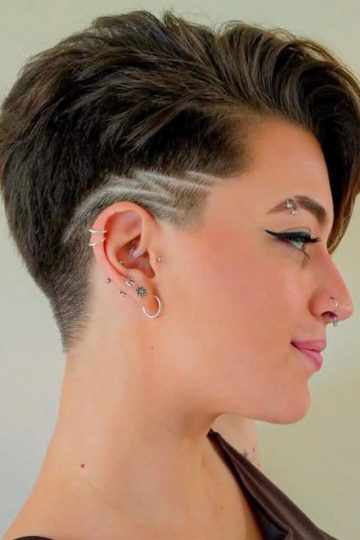
    1. Flip your head upside down. Diffuse, air dry, or even apply products with your head flipped. Gravity works against thin curls, so flipping reverses that.
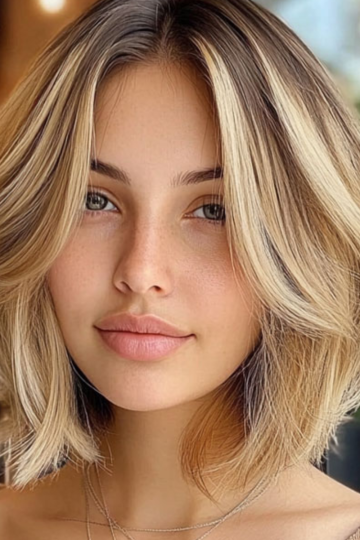
    2. Root clipping. While your hair is drying, use small claw clips at your roots to lift them away from your scalp. Remove the clips once your hair is completely dry.
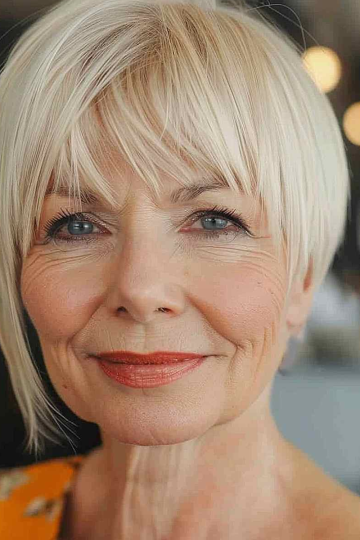
    3. Diffuse on low heat. High heat causes frizz and can damage fine strands. Low heat with a diffuser preserves curl definition while adding volume.

    4. Do not touch while drying. Touching wet or damp curls breaks up the clumps and creates frizz. Once you have applied your products, hands off until your hair is 100% dry.

    5. Fluff, do not brush. Once dry, flip your head over and fluff at the roots with your fingers. Never brush dry curly hair—this creates massive frizz and makes thin hair look even thinner.

    6. Dry shampoo at the roots. Even if your hair is not greasy, a spritz of dry shampoo at the roots adds texture, grip, and visible volume.


    Talking to Your Stylist

    Communication is critical when you have thin curly hair. Here is what to say:

    • “I have thin curly hair. I want a cut that adds volume and minimizes visible scalp.”
    • “Please cut my hair dry so we can see where each curl falls.”
    • “I want layers, but not so many that my ends look wispy.”
    • “I am willing to go shorter if it will make my hair look fuller.”
    • “What length do you recommend for my density and curl pattern?”

    Bring photos of women with thin curly hair who have great cuts. Do not bring photos of women with thick, dense curls—that is not a realistic goal for you.


    Common Mistakes to Avoid

    Mistake #1: Growing your hair long to “hide” the thinness. Long hair on thin curls makes the thinness more obvious because gravity pulls the curls apart.

    Mistake #2: Avoiding layers because you think they remove too much hair. Strategic layers add volume. One-length cuts on thin curly hair look flat and limp.

    Mistake #3: Using heavy products to “moisturize.” Heavy products weigh thin curls down. Use lightweight, water-based products instead.

    Mistake #4: Skipping trims. Split ends travel up the hair shaft, making thin hair look even thinner. Trim every 6-8 weeks.

    Mistake #5: Comparing your hair to women with thick curls. Your hair is beautiful as it is. The goal is to make the most of what you have, not to look like someone else.


    Final Thoughts: Embrace Your Thin Curls

    Thin curly hair is not a curse. It is simply a different texture that requires a different approach. The 10 curly haircuts for thin hair in this guide are all designed to work with your natural texture, not against it. The right cut will give you volume, bounce, and confidence. You will stop trying to hide your thin spots and start showing off your beautiful, bouncy curls.

    Remember: thin does not mean bad. Thin curls can be just as stunning as thick curls when they are cut and styled correctly. So book that appointment, have an honest conversation with your stylist, and get ready to fall in love with your hair all over again.