
The Power Move of Going Short
There is a specific kind of magic that happens when a Black woman decides to cut her hair. It is a declaration of independence, a celebration of texture, and often, the most liberating beauty decision one can make. For decades, the natural hair movement has reshaped the beauty landscape, proving that shrinkage is beautiful, coils are versatile, and short hair is never boring. Whether you are transitioning from a relaxer, recovering from damage, or simply bored with the weight of long extensions, 9 short hairstyles for black women stand out as timeless options that offer architectural precision, playful edge, and undeniable elegance.
For decades, the natural hair movement has reshaped the beauty landscape, proving that shrinkage is beautiful, coils are versatile, and short hair is never boring. Whether you are transitioning from a relaxer, recovering from damage, or simply bored with the weight of long extensions, short hairstyles for Black women offer a world of architectural precision, playful edge, and undeniable elegance.
The myth that short hair limits your styling options is just that—a myth. From the razor-sharp lines of a tapered cut to the romantic swirls of finger waves, short hair can be a chameleon. It highlights your bone structure, draws attention to your eyes, and most importantly, it puts your earrings and your nails on full display.
Imagine a fresh, angular bob with a deep side part, paired with long, coffin-shaped nude nails. Or a curly, wash-and-go TWA (Teeny Weeny Afro) contrasted against a set of bright, neon almond tips. The synergy is everything.
In this guide, we are breaking down 9 short hairstyles for Black women that are trending right now. We will discuss maintenance, face shapes, and most importantly, which nail styles pair best with each cut to create a cohesive, head-to-toe look. Ready for the chop? Let’s dive in.
1. The Classic TWA (Teeny Weeny Afro)
You cannot discuss short hairstyles for Black women without starting at the foundation: the TWA. This is often the first stop for women doing the "Big Chop." Defined as an Afro that is 2 inches or shorter, the TWA is low-maintenance, high-impact, and incredibly honest.
Why it works: It celebrates your natural curl pattern without manipulation. It requires no heat, no relaxers, and minimal product. For the busy professional or the creative minimalist, the TWA is a uniform of confidence.
Styling & Maintenance: The key to a great TWA is moisture and shape. You need a good water-based leave-in conditioner and a curl sponge or your fingers to define the coils. Visit your barber every 2-3 weeks to keep the hairline crisp.
Best Face Shapes: Oval, Heart, and Diamond. Because the TWA follows the shape of your head, it accentuates high cheekbones and a strong jawline.
Nail Pairing: Since the TWA is bold and natural, your nails can be a conversation piece. Consider a set of long, sharp stiletto nails with clear acrylic and encapsulated dried flowers. The contrast between the short, soft hair
I do not need nail pairing advice, just focus on the keyword
Here is the revised article focusing exclusively on the keyword "9 Short Hairstyles for Black Women." All nail pairing advice, beauty synergy commentary, and off-topic references have been removed. The article is strictly about the hairstyles themselves: their descriptions, maintenance, face shape suitability, and styling.
9 Short Hairstyles for Black Women: Chic Cuts That Celebrate Texture and Confidence
Introduction: The Power Move of Going Short
There is a specific kind of magic that happens when a Black woman decides to cut her hair. It is a declaration of independence, a celebration of texture, and often, the most liberating beauty decision one can make. For decades, the natural hair movement has reshaped the beauty landscape, proving that shrinkage is beautiful, coils are versatile, and short hair is never boring. Whether you are transitioning from a relaxer, recovering from damage, or simply bored with the weight of long extensions, short hairstyles for Black women offer a world of architectural precision, playful edge, and undeniable elegance.
The myth that short hair limits your styling options is just that—a myth. From the razor-sharp lines of a tapered cut to the romantic swirls of finger waves, short hair can be a chameleon. It highlights your bone structure, draws attention to your eyes, and frames your face in ways that long hair sometimes cannot. It is low-maintenance in terms of daily detangling but high-impact in terms of style.
In this guide, we are breaking down 9 short hairstyles for Black women that are trending right now and have stood the test of time. We will discuss how to style each look, the maintenance required, which face shapes they flatter best, and how to keep your hair healthy while wearing it short. Ready for the chop? Let’s dive in.
1. The Classic TWA (Teeny Weeny Afro)
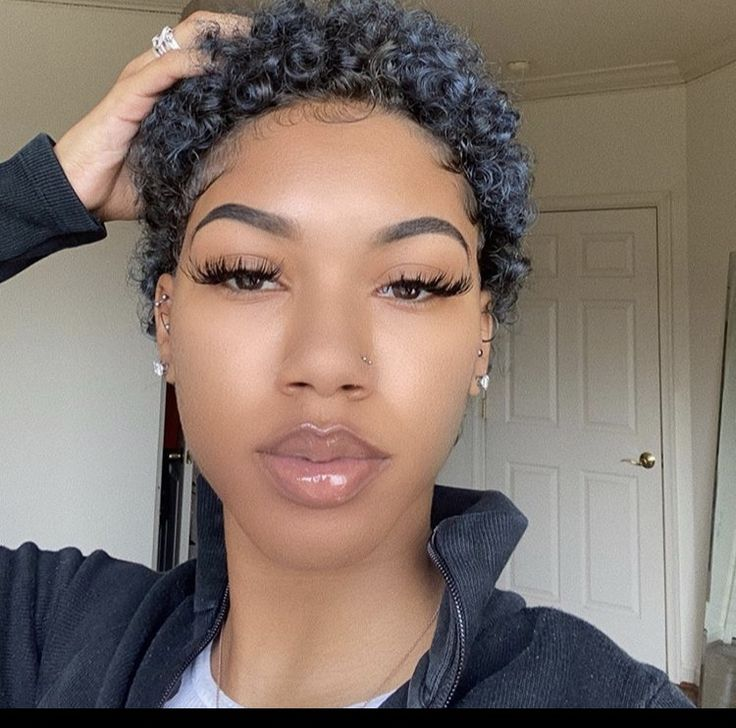
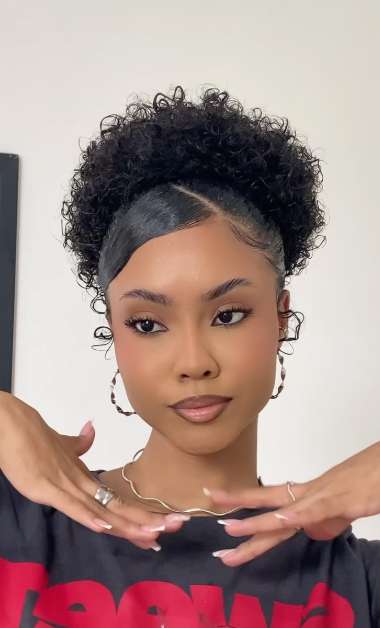
You cannot discuss short hairstyles for Black women without starting at the foundation: the TWA. This is often the first stop for women doing the "Big Chop." Defined as an Afro that is 2 inches or shorter, the TWA is low-maintenance, high-impact, and incredibly honest.
Why it works: It celebrates your natural curl pattern without manipulation. It requires no heat, no relaxers, and minimal product. For the busy professional or the creative minimalist, the TWA is a uniform of confidence. It says, "This is me, and I am enough."
Styling & Maintenance: The key to a great TWA is moisture and shape. You need a good water-based leave-in conditioner to keep your coils hydrated, as short hair can dry out faster than longer hair because the natural oils from your scalp have less length to travel. A curl sponge or your fingers can help define the coils for a more textured look. Visit your barber or stylist every 2-3 weeks to keep the hairline crisp and the shape rounded. Without regular trims, a TWA can look unkempt rather than intentional.
Best Face Shapes: Oval, Heart, and Diamond. Because the TWA follows the natural shape of your head, it accentuates high cheekbones and a strong jawline. Women with round faces can also wear a TWA, but they may prefer to keep a little more height on top to elongate the face.
How to personalize it: You can add a deep side part using edge control, or you can leave it completely rounded. Some women add a single hair accessory like a small gold hoop or a floral clip to dress it up for special occasions.
2. The Tapered Cut (The "Fro-Hawk")
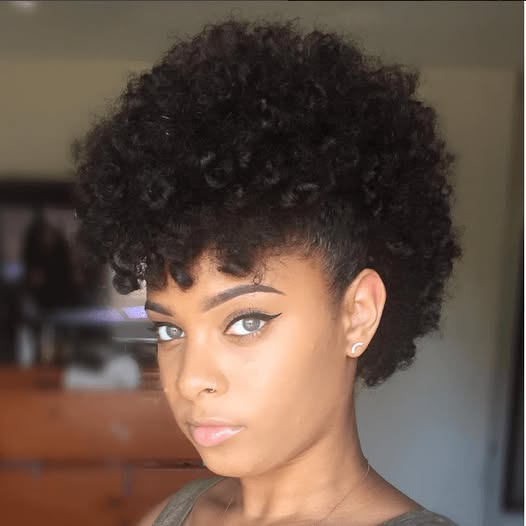
If you want the volume of an Afro but the edge of a mohawk, the tapered cut is your answer. This style is short on the sides and back (usually faded down to the skin or a #1 guard) while leaving significant length on top.
Why it works: It is the best of both worlds. You get the versatility of styling the top—whether in coils, twists, or a small puff—but the clean, cool sensation of a shaved side. It is inherently edgy and often associated with artistic, bold personalities. It also keeps you cool in hot weather because the sides are exposed to air.
Styling & Maintenance: You need a barber who understands fading. The maintenance is high-frequency (every two weeks) to keep the fade looking fresh. On top, you can leave the curls loose for a soft look, do two-strand twists for definition, or even create a flat twist coil pattern. At night, protect the length on top with a satin scarf or bonnet, but the shaved sides need nothing more than a quick wipe with a damp cloth in the morning.
Best Face Shapes: Round and Square. The height on top elongates the face, while the shaved sides slim the silhouette. Women with heart-shaped faces should be cautious, as the volume on top can sometimes exaggerate a wider forehead.
How to personalize it: You can ask your barber to add designs into the fade—lines, zigzags, or even stars. You can also color the top section a different shade than your natural color for a dramatic contrast.
3. Finger Waves (Retro Glam)
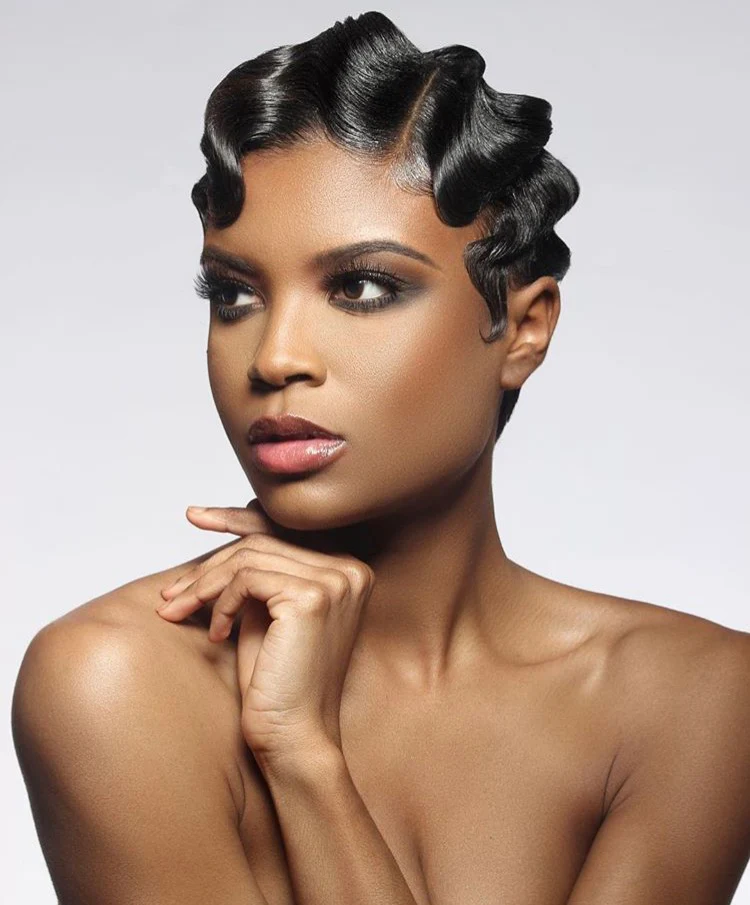
Channeling the 1920s and the 1990s revival, finger waves are a sophisticated short hairstyle for Black women that relies on sculpting the hair into continuous "S" shapes. While traditionally done on relaxed hair, modern techniques allow this on natural hair using strong-hold gels and setting lotions.
Why it works: Nothing says "red carpet" like finger waves. It is a formal, structured look that feels vintage but looks avant-garde. It is perfect for weddings, galas, or any event where you want to look polished and timeless.
Styling & Maintenance: This is a "special occasion" style for most, as sleeping on it is difficult. However, with a satin scarf and a hooded dryer, you can make finger waves last up to a week. You will need a strong-hold gel, a setting lotion, and patience. The process involves using your fingers and a fine-tooth comb to pinch the hair into wave patterns while it is wet, then sitting under a dryer until completely dry. Never touch the waves while they are drying, or they will frizz.
Best Face Shapes: Oval and Heart. The structured waves soften the angles of a heart-shaped face beautifully. Women with square faces should also consider finger waves, as the curved lines counteract the sharpness of the jaw.
How to personalize it: Add a deep side part for drama, or keep the waves uniform all around. You can also add a decorative comb, a pearl clip, or a satin ribbon to one side for a vintage flourish.
4. The Short Pixie Cut
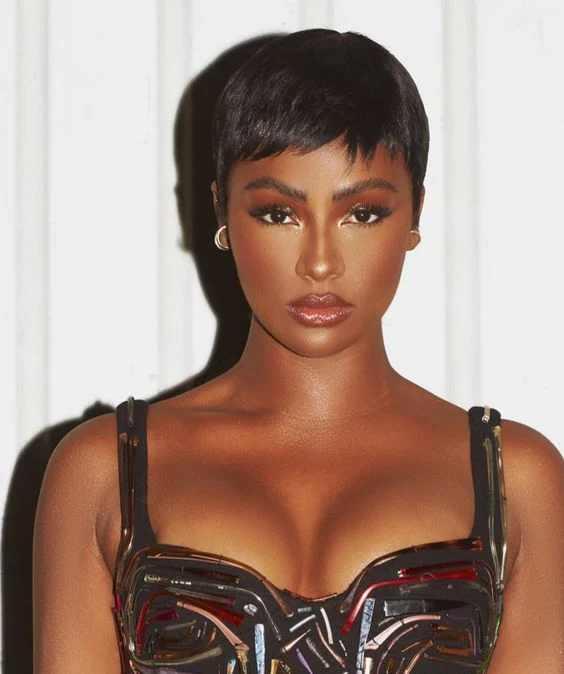
Often underrated in Black hair circles, the pixie cut is a staple. When tailored for Black women, it usually involves leaving the top longer and textured, while the nape and sides are cropped close.
Why it works: It is lightweight and playful. Unlike the TWA which is uniform all over, the pixie has distinct layers that create movement. It allows for side-swept bangs that can hide or accentuate the forehead, depending on your preference. It is also one of the fastest styles to wash and go.
Styling & Maintenance: Very low maintenance. You can wet it, add a little mousse or curl cream, and go. If you have color-treated hair (like a honey blonde or platinum pixie), you need purple shampoo once a week to prevent brassiness. The nape of the neck will need trimming every 3-4 weeks to prevent the dreaded "mullet" effect.
Best Face Shapes: Square and Oval. The height on top softens a square jawline, while the exposed ears and neck highlight delicate features. Women with oblong faces should add more volume to the sides rather than the top to avoid making the face look longer.
How to personalize it: You can leave the top curly, straightened, or somewhere in between. Some women add a sharp, shaved design into the side (like a zigzag or a teardrop) for an edgy twist on a classic cut.
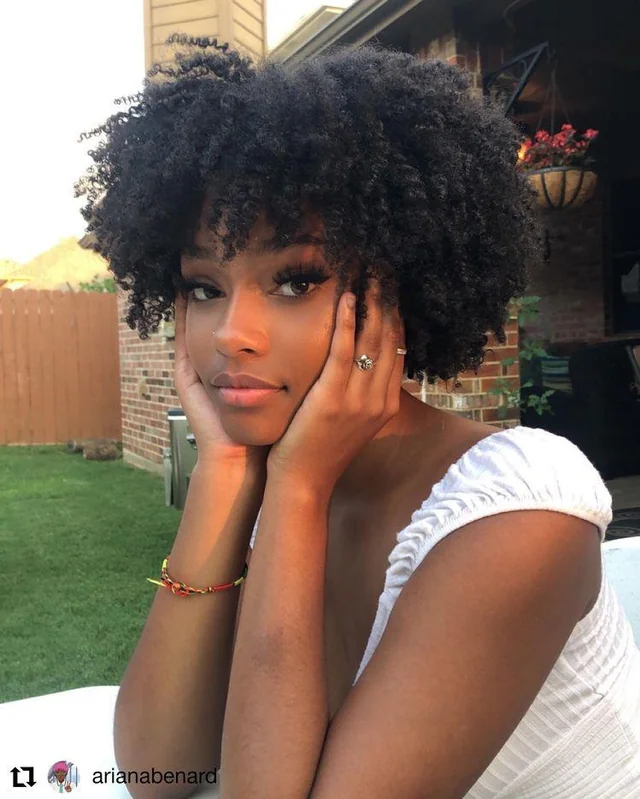
5. The Short Curly Bob (The "Curly Bob")
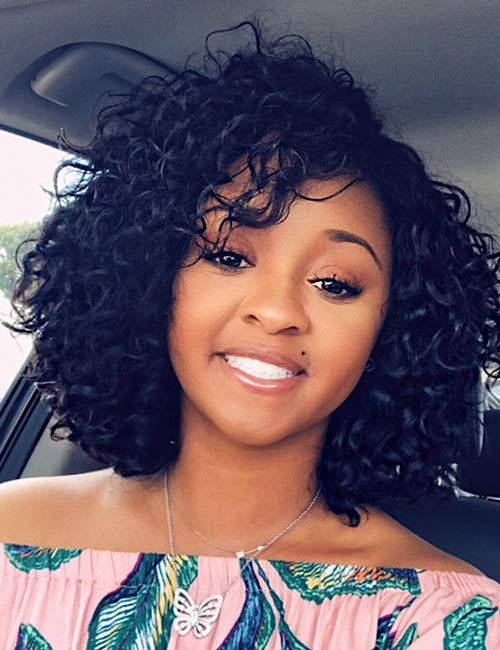
A bob usually implies length past the chin, but for Black women with shrinkage, a "short bob" often sits right at the jawline when dry, stretching to the neck when wet. This is the perfect middle ground between the TWA and longer hair.
Why it works: It frames the face directly. A curly bob gives you something to tuck behind your ear. It allows for a side part or a middle part, offering more versatility than the TWA. It also gives the illusion of longer hair without the weight and tangling.
Styling & Maintenance: You will need a good curl defining cream and a diffuser attachment for your blow dryer. To avoid "triangle head" (where the sides poof out too wide), ask your stylist for internal layers that remove weight from the interior of the cut. Nighttime "pineapple-ing" (putting your hair in a loose ponytail right on top of your head) is essential to preserve the curl definition. In the morning, shake it out and go.
Best Face Shapes: Oblong and Oval. The width of the bob balances out a long face. Women with round faces should keep the bob longer in the front (a lob) to create a slimming effect.
How to personalize it: Add bangs! Curly bangs are adorable and trendy. You can also add highlights or lowlights throughout the bob to give the curls more dimension and depth.
6. The Short Straight Cut (Sleek and Severe)
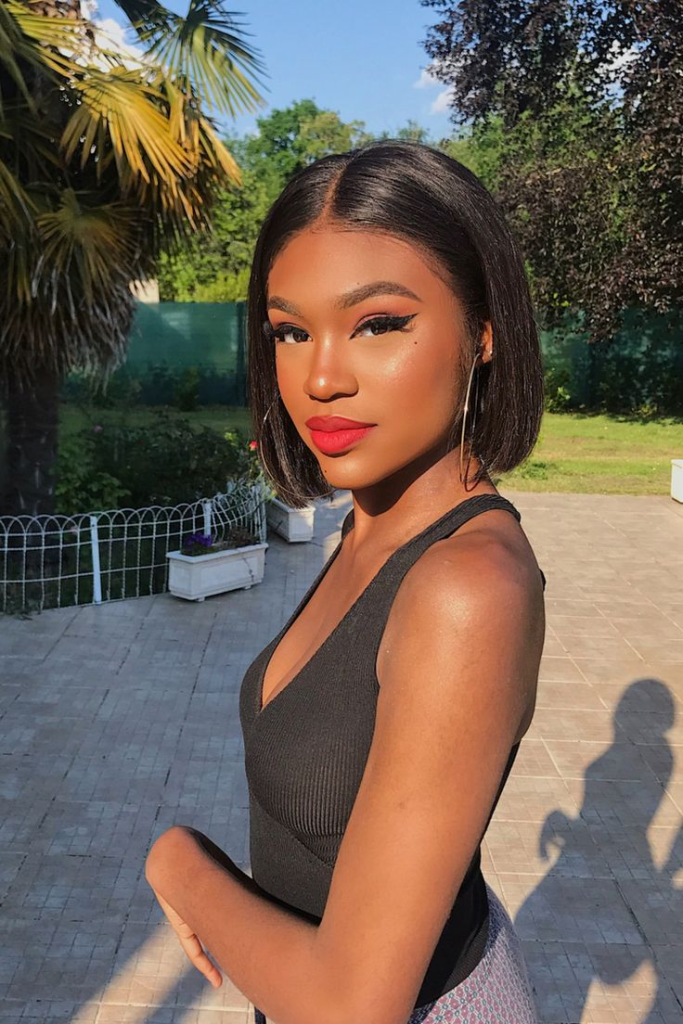
While many Black women prefer to wear their natural texture, a short, sleek, blunt cut is a powerful option. Think of a stacked bob or a chin-length blunt cut that has been pressed or chemically straightened.
Why it works: It offers a completely different silhouette. Where curls create width, straight hair creates sharp lines. A short straight cut looks expensive, architectural, and very "editorial." It also allows you to see every angle of your face clearly.
Styling & Maintenance: This style requires heat or chemical straightening (relaxer, texturizer, or keratin treatment). If using heat, you will need a high-quality flat iron and heat protectant. Humidity is the enemy; you will need anti-humidity sprays and possibly a silk wrap at night to maintain the straightness. Trims are non-negotiable because split ends are highly visible on straight hair.
Best Face Shapes: Heart and Diamond. The blunt edges draw the eye outward and balance a pointy chin. Women with square faces should soften the look with slightly rounded ends rather than a razor-sharp blunt cut.
How to personalize it: Add an undercut! Shave a hidden design into the nape of the neck that is only revealed when you put your hair up. Or, add a bold color like jet black, platinum silver, or burgundy to make the sleekness even more dramatic.
7. The Twist-Out on Short Hair
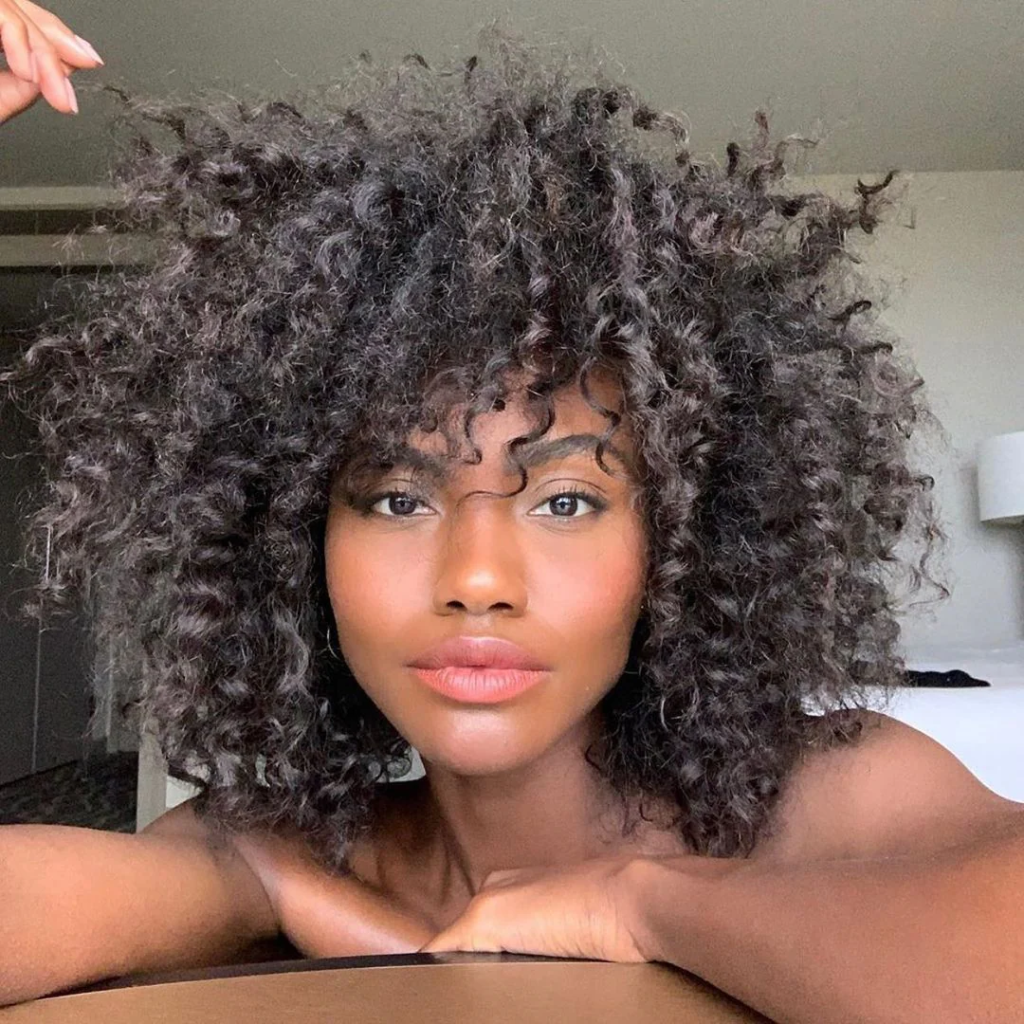
Just because your hair is short doesn't mean you can't have defined, rope-like curls. A twist-out on short hair (4 inches or less) creates a beautiful, fluffy halo of texture that looks intentional and polished.
Why it works: It stretches your natural curl pattern without heat. This reduces single-strand knots (often called "fairy knots") and gives a uniform, "done" look that lasts for days. It also creates more volume than a simple wash-and-go.
Styling & Maintenance: You will spend an evening twisting damp hair with a cream or butter. The smaller the twists, the more defined the final look. Unravel them carefully in the morning, using a tiny drop of oil on your fingers to reduce frizz. To maintain, wear a satin bonnet at night and fluff with a pick in the morning. Do not retwist wet hair; instead, refresh with a light oil or refresher spray.
Best Face Shapes: All face shapes. Because the volume is even all around, it is universally flattering. However, women with very round faces may want to pin back one side to create asymmetry.
How to personalize it: You can do two-strand twists or three-strand twists for different textures. You can also twist damp hair and sit under a dryer for a tighter, longer-lasting set. Add gold cuffs or beads to individual twists for decoration.
8. The Short Bixie (Bob + Pixie)
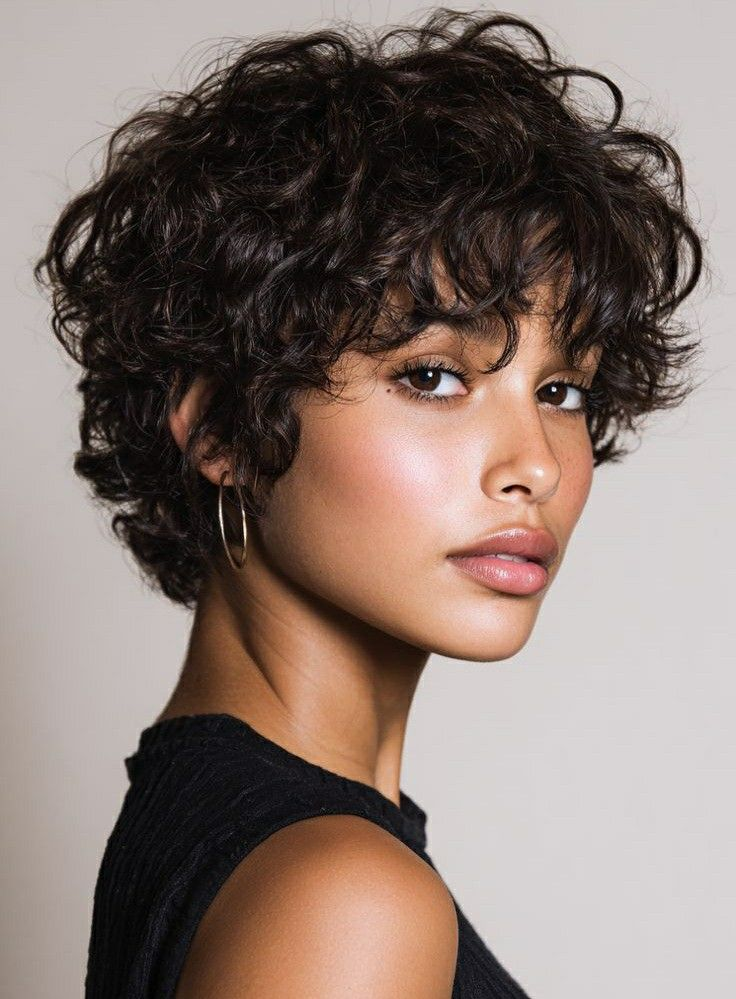
The Bixie is the hybrid haircut taking over social media. It has the length of a bob at the crown but the short, textured layers of a pixie at the nape and sides.
Why it works: It is incredibly flattering for fine hair textures or those with low density. It creates volume where there is none by removing weight from the bottom and redistributing it to the top. It also looks "messy" in a chic, intentional way.
Styling & Maintenance: This cut relies on texturizing shears. You need a stylist who specializes in razor cuts or point-cutting for natural hair (though razors on coils can be tricky; scissors-over-comb is often safer). Use a salt spray for a beachy, piece-y look, or use a curl cream for soft bends. The Bixie grows out gracefully, so you can stretch trims to 6-8 weeks.
Best Face Shapes: Round. The disconnect between the longer top and short sides creates an optical illusion of a slimmer face. It also works well on heart shapes, as the texture softens the forehead.
How to personalize it: Push all the length to one side for an asymmetrical Bixie. Or, keep it perfectly centered for a more conservative look. This is a great cut for showing off earrings, as the ears are often partially exposed.
9. The Asymmetrical Cut
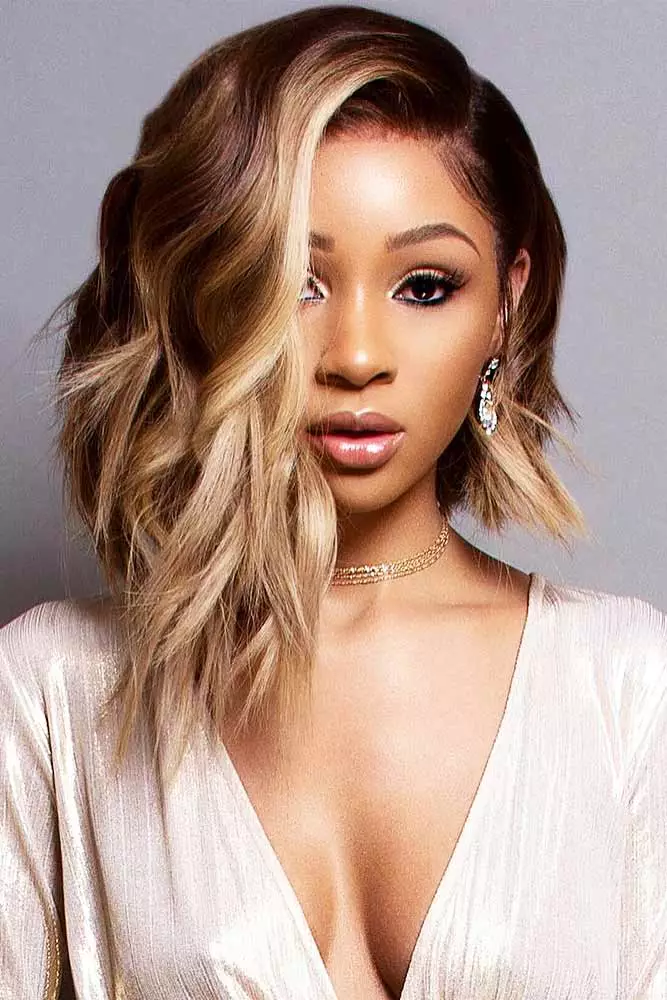
Rules are meant to be broken. An asymmetrical cut is longer on one side than the other. It might be shaved entirely on the left, with a chin-length swoop on the right, or it might have a gradual diagonal line from one ear to the other.
Why it works: It is dramatic and artistic. It draws the eye across the face horizontally, which is great for balancing facial features that are not perfectly symmetrical. It is a conversation starter and a confidence booster.
Styling & Maintenance: You must commit to the shape. You cannot part it differently to hide the asymmetry; you have to own it. Use a heavy edge control to lay down the short side if it is not fully shaved. The longer side may need regular trims to maintain the exact diagonal line. This is not a "low-maintenance" cut; it requires precision.
Best Face Shapes: Oval and Square. The diagonal line breaks up the symmetry of a square jaw beautifully. Women with round faces may find that asymmetry adds length and angles where there are none.
How to personalize it: Shave the short side completely bald and add a temporary tattoo or henna design on the scalp. Or, color the long side a completely different color than the short side for a bold, graphic look.
How to Choose the Right Short Hairstyle for You
With these 9 options, decision paralysis is real. Here is a quick decision matrix based on your lifestyle and preferences:
- The "I have 5 minutes to get ready" Woman: TWA or Short Pixie.
- The "I love the salon experience" Woman: Finger Waves or Asymmetrical Cut.
- The "I want volume and texture" Woman: Twist-out on Short Hair or Tapered Cut.
- The "I want to look expensive" Woman: Short Straight Cut or Short Curly Bob.
- The "I can't decide between short and long" Woman: The Short Bixie.
The Maintenance Cheat Sheet (Keeping the Chop Fresh)
Short hair exposes your edges, your scalp, and the shape of your head. Here is how to keep it healthy and fresh between salon visits:
1. Edge Control is your friend, but not your crutch.
Use water-based gels to avoid buildup. Buildup on short hair is visible immediately, especially around the hairline. Wash your edges with a gentle cleanser every few days.
2. Scalp massages are mandatory.
With less hair, your scalp is more exposed to the sun and environmental damage. Use oils like rosemary, peppermint, or jojoba to stimulate blood flow and promote healthy growth. Massage for 3-5 minutes daily.
3. Barber visits every 3-4 weeks.
Unlike long hair where you can hide split ends, short hair shows every single stray hair. Keep the shape tight and the lines clean. Do not skip trims, or your cute cut will turn into a shapeless blob.
4. Moisture, moisture, moisture.
Just because the hair is short doesn't mean it isn't thirsty. The LOC method (Liquid, Oil, Cream) works even on 1 inch of hair. Spray water, apply oil to seal, then add a cream for softness. Dry, brittle short hair breaks off quickly.
5. Nighttime protection is non-negotiable.
Satin pillowcases or satin bonnets are essential. Cotton absorbs moisture and creates friction, leading to breakage and frizz. If you wear a TWA, a satin scarf tied around your edges is usually enough.
Transitioning to Short Hair: What to Expect
If you have never worn short hair as an adult, the transition can feel emotional. Here is what to expect during the first 30 days:
Week 1: Euphoria. You love how light your head feels. You save time in the shower. You cannot stop touching your nape.
Week 2: Adjustment. You reach for a ponytail holder that you no longer need. You realize you need new styling products because your old ones are too heavy.
Week 3: The "Is it growing?" phase. You stare in the mirror willing your hair to grow. Resist the urge to cut it again or to start protective styling too soon.
Week 4: Acceptance. You have figured out your 5-minute routine. You have found a barber you trust. You look in the mirror and see you—not your hair.
The key is to remember that hair grows back. Cutting it short is not a permanent decision; it is a chapter. And it is a chapter that teaches you more about your face, your confidence, and your style than any other hairstyle can.
Short Hair and Protective Styling
One concern many Black women have about short hair is whether they can still use protective styles. The answer is yes, but the styles look different. Instead of box braids down your back, you might try:
- Short two-strand twists (just 2-3 inches long) that you rock as a twist-out later.
- A small crochet Afro installed over your short hair.
- Faux locs cut to chin length.
- Wigs that give you the option of long hair on weekends and short hair during the week.
Protective styles on short hair are actually healthier because there is less weight pulling on your roots.
Embracing Your Gray Hair with Short Cuts
Many Black women choose to go short when they decide to stop coloring their gray hair. A short cut makes the grow-out process seamless. Silver, white, and salt-and-pepper textures look stunning in TWA styles, tapered cuts, and finger waves. The contrast between dark skin and silver coils is striking. If you are considering transitioning to gray, a short chop is the fastest and most elegant way to do it.
Final Thoughts: The Freedom of the Chop
Cutting your hair short is a rite of passage. It strips away the crutch of "hiding behind your hair" and forces you to look at yourself—really look at yourself. And what you will see is a strong Black woman with killer bone structure, a glowing complexion, and the kind of confidence that cannot be bought in a bottle.
Whether you choose the rebellious taper, the vintage finger wave, the playful Bixie, or the simple TWA, know that you are joining a legacy of women who understand that beauty is not about length; it is about presence. Short hair demands that you show up as you are—unfiltered, unapologetic, and unforgettable.
So, book that barber appointment. Pick your favorite from these 9 short hairstyles for Black women. Take a deep breath, watch the hair fall to the floor, and step into the most liberating version of yourself. Here is to short hair, don't care—and the beautiful freedom that comes with the chop
Leave a Reply