
The Curly-Thin Hair Paradox
Having curly hair is often associated with volume, fullness, and body. But what if your curls are thin? Curly haircuts for thin hair can solve this very problem. What if your strands are fine, your density is low, and you can see your scalp through your curls? This is the curly-thin hair paradox, and it affects countless women. The good news is that the right haircut can transform thin curly hair from flat and see-through to bouncy and voluminous. The key is working with your natural texture, not against it, and choosing cuts that create the illusion of density.
In this guide, we explore 10 curly haircuts for thin hair that are specifically designed to add volume, reduce visible scalp, and make the most of every single curl. Whether you have loose waves, tight coils, or something in between, there is a cut here for you. We will discuss layering techniques, length recommendations, styling tips, and how to communicate with your stylist to achieve the best results for your unique hair type.
1. The Layered Curly Bob
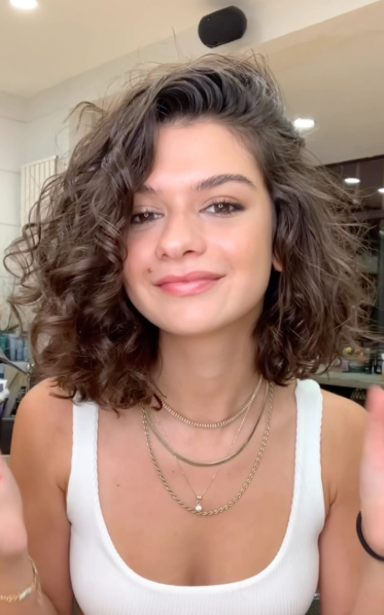
The layered curly bob is a classic choice for women with thin curly hair. By keeping the length between the chin and shoulders and adding strategic layers, this cut removes weight that would otherwise pull curls flat while creating volume where you need it most.
Why it works: Layers are the number one tool for adding volume to thin hair. When curls are all one length, they weigh each other down. Layers allow curls to stack on top of each other, creating the appearance of much fuller hair. The bob length is short enough to prevent gravity from stretching out your curls but long enough to still feel feminine.
How to style: Apply a lightweight mousse or volumizing foam to damp hair. Flip your head upside down and diffuse on low heat until 80% dry. Do not touch your curls while they are drying—this causes frizz. Once dry, flip your head back and gently separate curls with your fingers. Avoid heavy creams or butters, which will weigh thin hair down.
Best face shapes: Oval, heart, and round. The bob length flatters most face shapes.
Curl types: Best for type 3A to 3C. Type 4 hair may need more length to prevent shrinkage from making the cut too short.
2. The Curly Pixie Cut
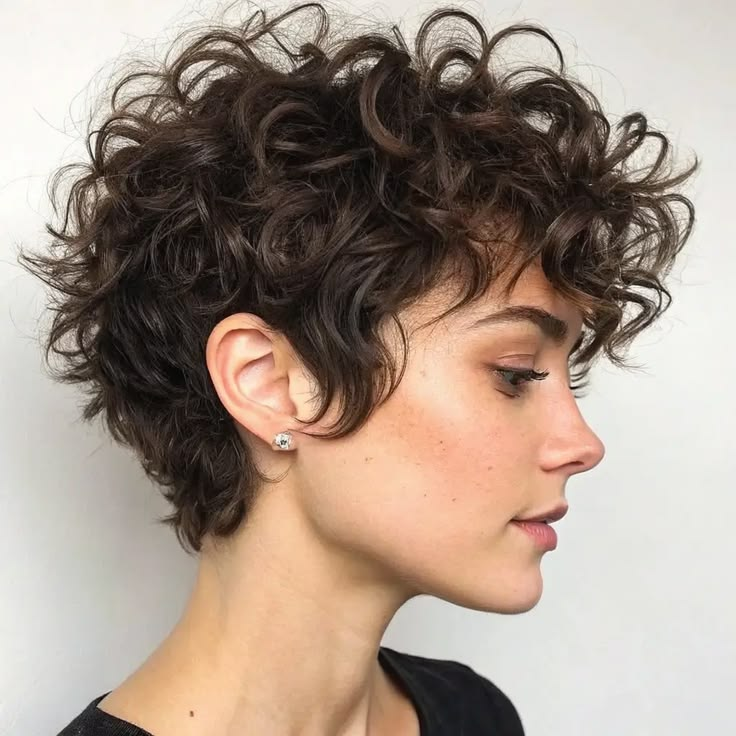
For women with very thin curly hair, the curly pixie cut is a game-changer. This short cut keeps hair close to the head, which actually makes thin hair look thicker because there is less length to reveal gaps and sparse areas.
Why it works: When thin curly hair is long, the weight of the hair pulls the curls down, exposing the scalp and making the thinness more obvious. A pixie cut removes that weight entirely. The curls spring up into tight, dense coils that create the illusion of much fuller hair. Plus, a pixie cut makes your eyes and cheekbones the star of the show.
How to style: Apply a curl cream or gel to soaking wet hair. Use your fingers to define individual curls or a curl sponge for tighter coils. Air dry or use a diffuser on low heat. Once dry, fluff gently at the roots with your fingertips. A small amount of dry shampoo at the roots can add even more texture and volume.
Best face shapes: Oval, heart, and diamond. Women with round faces should keep a little more height on top to elongate the face.
Curl types: Best for type 3B to 4C. Looser waves (type 2) may not have enough natural hold for a pixie and may require product.
3. The Curly Shag Cut
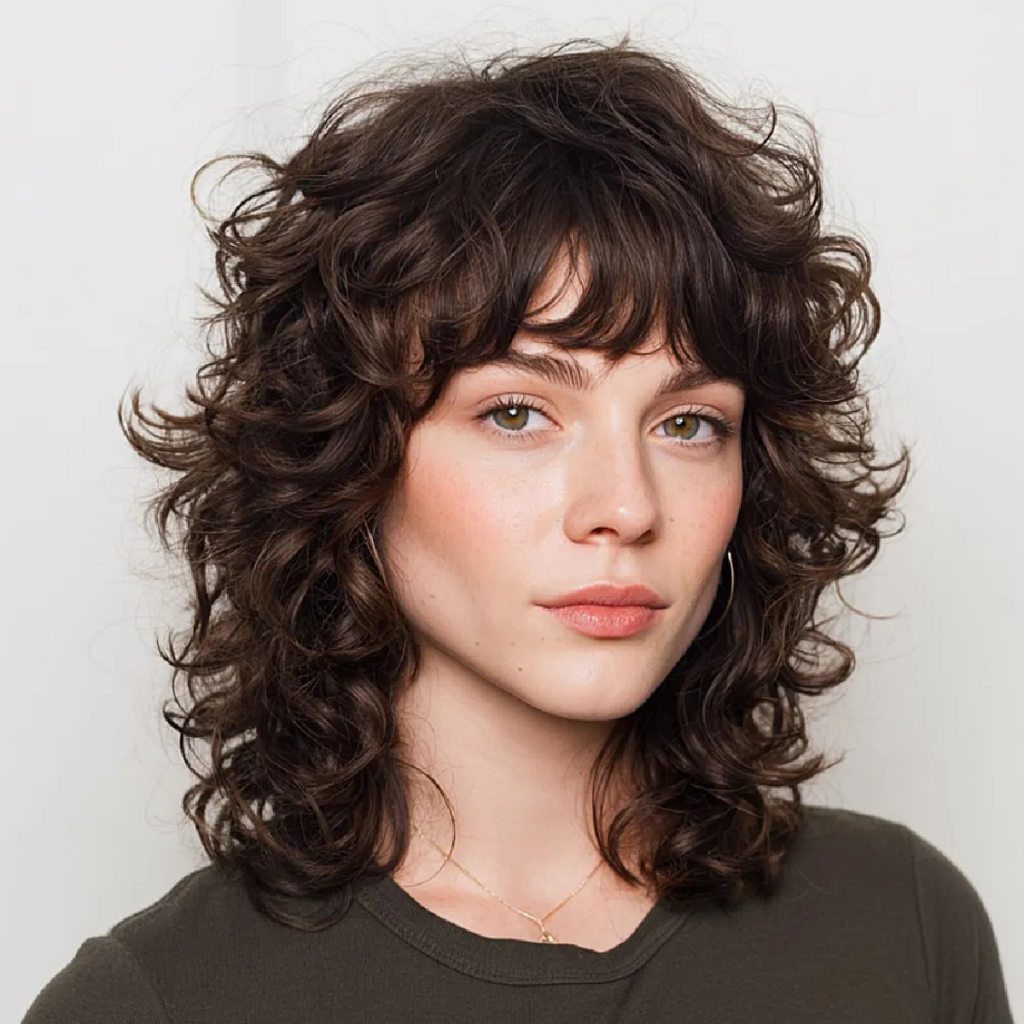
The shag haircut has made a major comeback, and it is one of the best curly haircuts for thin hair. The shag features choppy layers, lots of texture, and often, wispy bangs. It is intentionally messy and disheveled, which works perfectly for thin curls.
Why it works: The shag's secret is that it does not try to hide thinness—it embraces texture instead. The choppy layers create movement and "air" between curls, making the hair look intentionally piece-y rather than sparse. The shorter layers at the crown add lift, while the longer layers underneath provide just enough weight to keep the shape.
How to style: Apply a texturizing spray or sea salt spray to damp hair. Scrunch and air dry or diffuse. Do not over-brush or over-smooth. The goal is a messy, lived-in texture. A small amount of pomade or wax on dry hair can define individual pieces.
Best face shapes: Oval, round, and heart. The shag's softness flatters most faces.
Curl types: Best for type 2B to 3C. Very tight coils may need the shag cut on stretched hair to ensure the layers are visible.
4. The Curly Asymmetrical Cut

An asymmetrical curly cut is longer on one side than the other. This unexpected shape draws the eye across the head, making thin hair look intentionally artistic rather than simply sparse.
Why it works: Asymmetry creates visual interest. When hair is thin, a symmetrical cut can look flat and lifeless. The diagonal line of an asymmetrical cut adds movement and drama, distracting the eye from any thin areas. It also allows you to concentrate volume on one side while keeping the other side sleeker.
How to style: Apply a volumizing mousse to damp hair. Diffuse dry, focusing on lifting the shorter side for maximum volume. The longer side can be left slightly heavier. Use a small amount of gel or edge control to define the parting line. This cut looks especially striking with a deep side part.
Best face shapes: Oval and square. The diagonal line breaks up the symmetry of a square jaw beautifully.
Curl types: Best for type 3A to 4A. Looser curls may need product to hold the asymmetrical shape.
5. The Curly Lob (Long Bob)
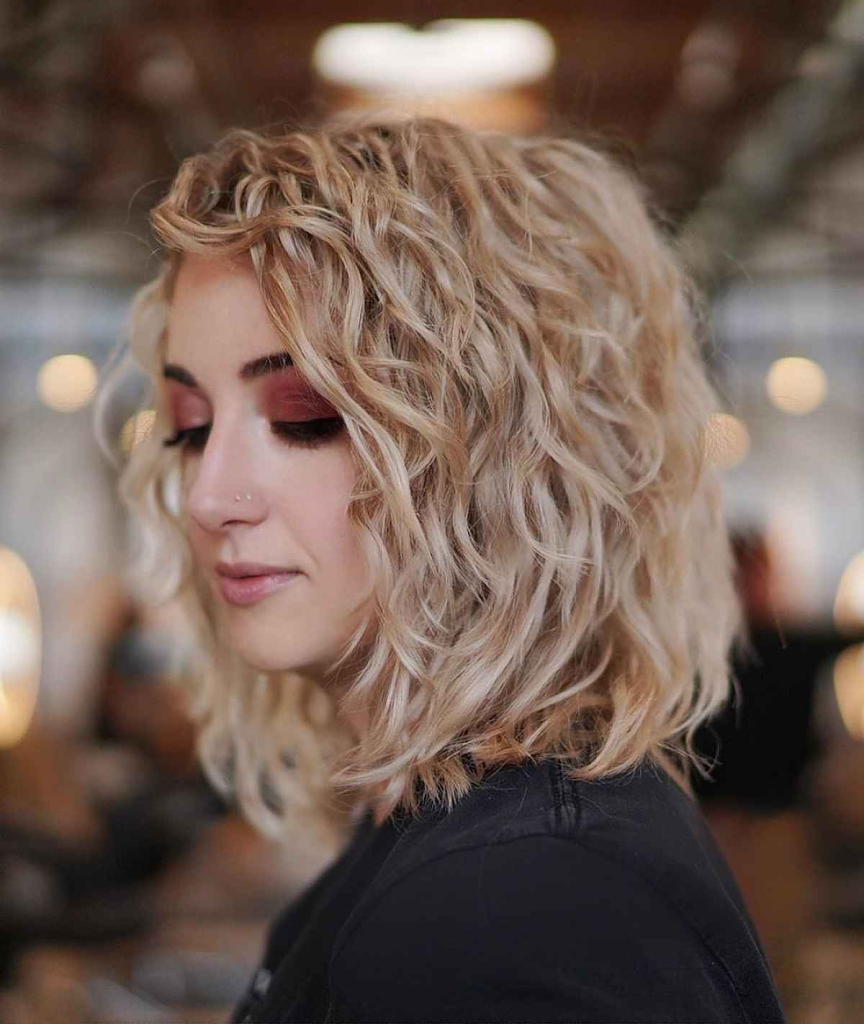
The curly lob is a longer version of the bob, typically falling between the collarbone and the shoulders. For women who are not ready to go short but want to add volume to thin curls, the lob is the perfect compromise.
Why it works: The lob is long enough to still feel like "long hair" but short enough to remove significant weight. Thin curly hair that is very long will always look thinner because gravity pulls the curls down and apart. The lob keeps curls closer to the scalp, allowing them to stack and create density.
How to style: Apply a lightweight curl cream or mousse to damp hair. Use a diffuser to dry, lifting the roots with your fingers as you go. For extra volume at the crown, clip your roots up with small claw clips while your hair is drying. Once dry, flip your head upside down and shake out the curls.
Best face shapes: All face shapes. The lob is universally flattering.
Curl types: Best for type 2B to 3C. Type 4 hair may shrink the lob significantly, so ask your stylist to cut it longer than your desired dry length.
6. The Curly Cut with Bangs
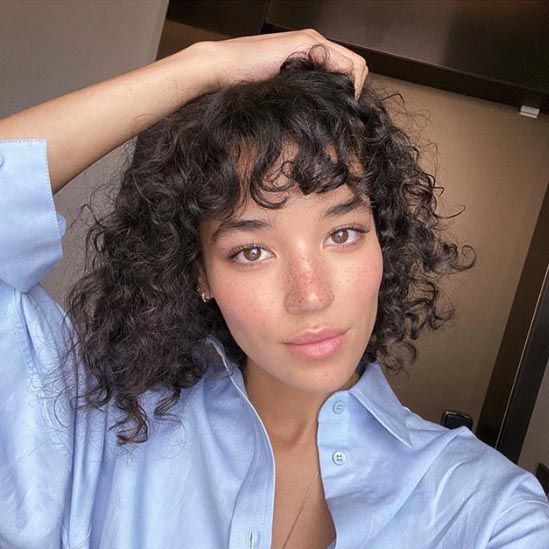
Adding bangs to any curly haircut instantly changes the way thin hair is perceived. Bangs create a focal point at the front of the face, drawing attention away from any thin areas on the crown or sides.
Why it works: Bangs add density exactly where you want it—around your face. Curly bangs, in particular, create a soft, romantic frame that makes thin hair look intentional and styled. The key is choosing the right type of bangs for your curl pattern and face shape.
How to style: Apply curl cream to damp hair, paying special attention to the bangs. Use a small round brush or your fingers to guide the bangs into place while diffusing. Curly bangs should never be blown straight—embrace their natural texture. If your bangs are too curly and shrink too much, gently stretch them with your fingers while they dry.
Best face shapes: Heart, oval, and long. Bangs shorten the appearance of a long face and balance a wide forehead.
Curl types: Best for type 3A to 4A. Very tight coils may need bangs that are cut longer to account for shrinkage.
7. The Curly Tapered Cut
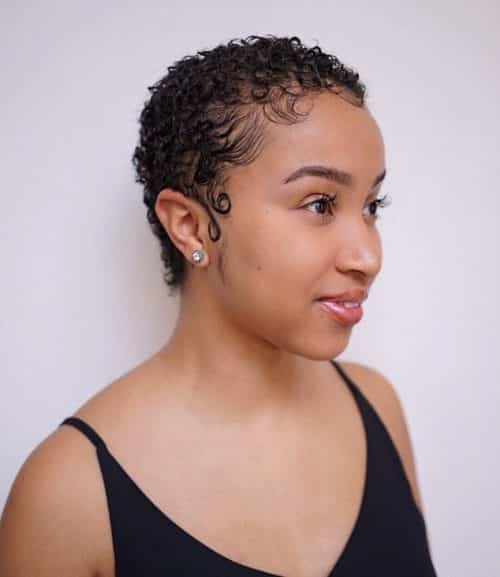
The tapered cut is short on the sides and back, with length concentrated on top. This style is especially popular among women with type 4 hair, but it works beautifully for thin curls of all textures.
Why it works: By removing hair from the sides and back, the tapered cut forces all the volume to the top of your head. This creates the illusion of much thicker, fuller hair because the eye is drawn to the concentrated volume at the crown. The clean, faded sides also create a sharp contrast that makes the top look even fuller.
How to style: Apply a curl defining cream to the top section. Use a curl sponge or your fingers to define the coils. The sides require no styling—just a clean shave or fade. Visit your barber every 2-3 weeks to maintain the taper. A fresh fade makes a huge difference in how polished the cut looks.
Best face shapes: Round and square. The height on top elongates round faces, while the short sides slim the silhouette.
Curl types: Best for type 3B to 4C. Looser curls may not hold the tapered shape as well.
8. The Curly Bowl Cut (Modern)
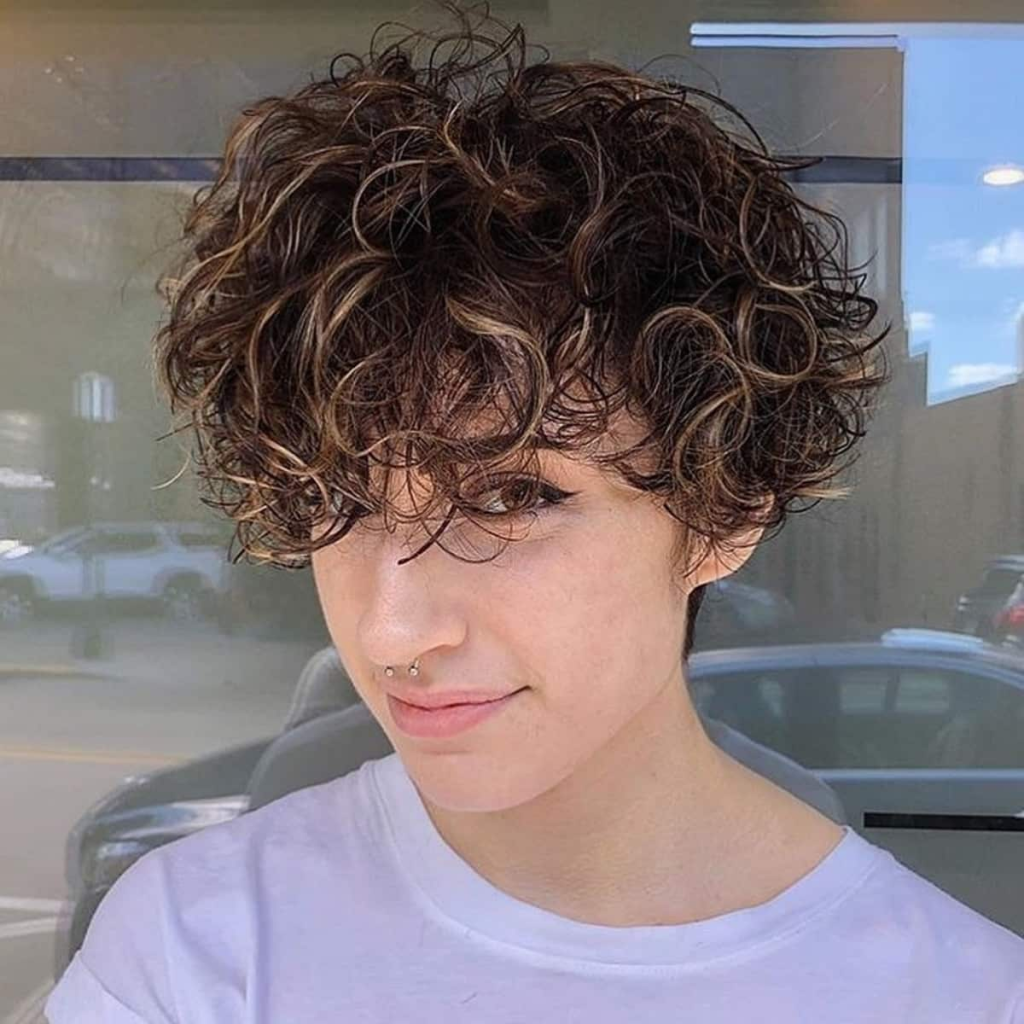
Before you dismiss the bowl cut, know that the modern version is nothing like the childhood haircut you remember. Today's curly bowl cut is a soft, rounded shape that follows the natural curve of your head, creating a cloud-like halo of curls.
Why it works: The bowl cut is essentially one length all around, but on curly hair, that one length creates a perfect circle of volume. For thin hair, this rounded shape makes the hair look dense and full because there are no long pieces dragging the curls down. It is a bold, fashion-forward choice that works surprisingly well for fine curls.
How to style: Apply a lightweight gel or mousse to damp hair. Diffuse upside down for maximum volume. Once dry, do not separate the curls too much—keep them clumped together. Clumped curls look thicker than separated ones. A small amount of shine spray will finish the look.
Best face shapes: Oval and heart. Women with round faces should avoid this cut, as the round shape can emphasize roundness.
Curl types: Best for type 3A to 3C. Type 4 hair may shrink too much for the bowl shape to be visible.
9. The Curly Undercut
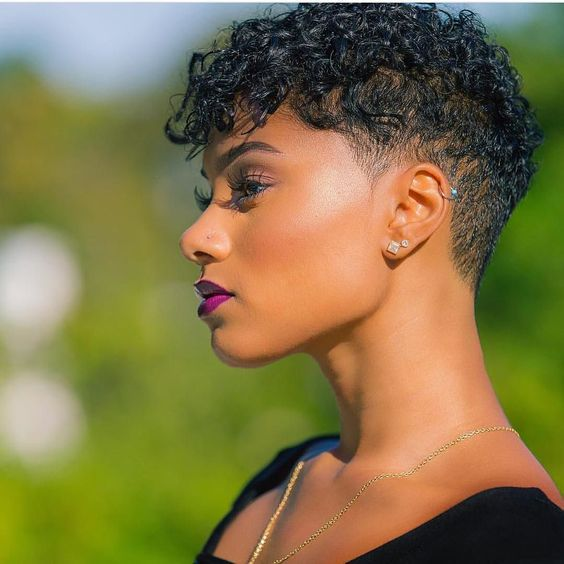
The undercut involves shaving or closely cropping the hair underneath, while leaving the top longer. From the front, it looks like a regular curly cut. From the back or side, there is a surprising shaved section.
Why it works: The undercut removes significant bulk from the bottom layers of your hair. For women with thin hair, this sounds counterintuitive—why remove hair when you already have so little? The answer is that thin hair often looks thinner when it is all one length because you can see through the ends. By removing the thinnest, wispest ends (the underlayer), the top layer looks denser and healthier.
How to style: Style the top layer as you normally would—with curl cream, gel, or mousse. The undercut requires no styling. If your undercut is visible (shaved up to the ears), you may need to maintain it every 2-4 weeks with a trimmer. If it is hidden, you can let it grow out without anyone noticing.
Best face shapes: All face shapes. The undercut does not change the face-framing effect of your top layer.
Curl types: Best for type 3A to 4C. This cut works for all curl types but is especially popular among type 4 women.
10. The Curly Wash-and-Go Cut (Shape-Up)
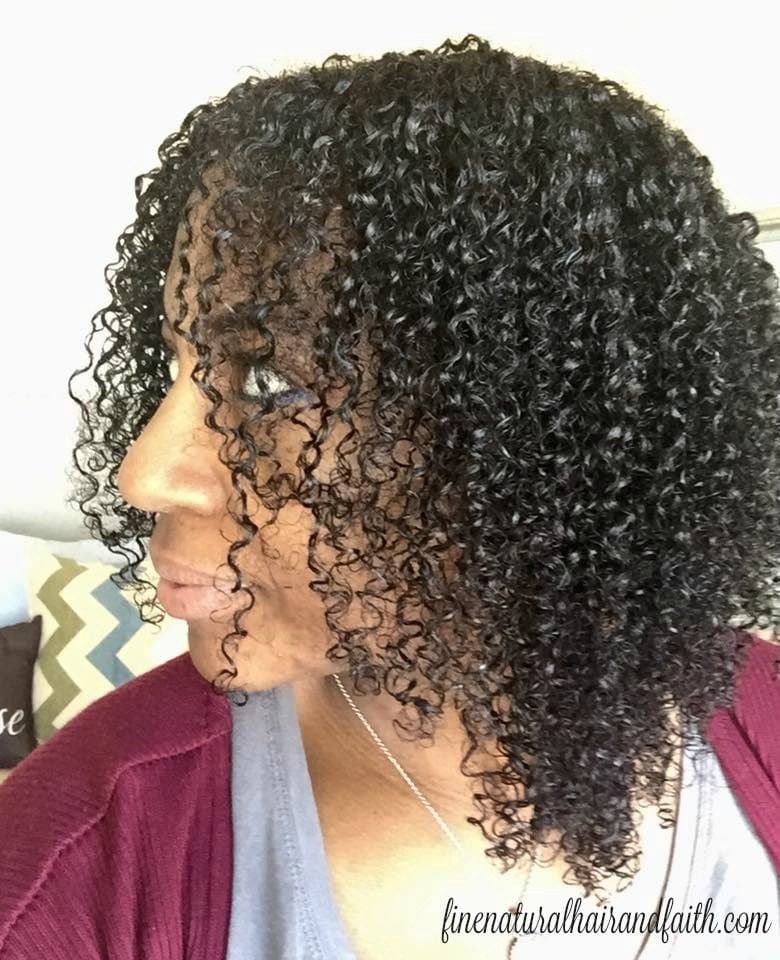
Sometimes the best curly haircut for thin hair is not a specific "style" but rather a precise shape-up. A wash-and-go cut is a dry cut performed on your natural curls in their natural state. The stylist shapes your hair curl by curl, removing only the ends and creating a perfect silhouette.
Why it works: Most haircuts are performed on wet, stretched hair. When the hair dries and curls up, the shape can be unpredictable. A dry cut on curly hair allows the stylist to see exactly where each curl falls and cut accordingly. For thin hair, this precision is crucial. The stylist can remove individual curls that are thinner or sparser, creating a denser overall appearance.
How to style: Your stylist will likely wash and dry your hair first, then cut it dry. After the cut, maintain the shape by keeping your ends trimmed every 6-8 weeks. Use lightweight products that will not weigh your curls down. A good wash-and-go cut should look great with minimal styling effort.
Best face shapes: All face shapes, because the cut is customized to you.
Curl types: Best for type 3A to 4C. This cutting method works for all curly textures.
Understanding Why Thin Curly Hair Needs Special Cuts
Thin curly hair presents unique challenges that straight thin hair does not. Here is what you need to know:
Density vs. Strand Thickness: Thin hair can mean two different things. Low density means you have fewer hairs per square inch on your scalp. Fine strands means each individual hair is thin in diameter. You can have one or both. Understanding your specific situation helps you choose the right cut.
The Scalp Visibility Problem: Because curly hair clumps together, thin spots and scalp visibility are more obvious than on straight hair. The right cut distributes your curls evenly to cover thin areas.
Shrinkage Is Your Friend and Enemy: Shrinkage makes your hair look shorter than it actually is. For thin hair, shrinkage can be helpful because it makes curls look denser. However, too much shrinkage can make a well-planned cut look completely different.
Products to Use (and Avoid) for Thin Curly Hair
Your haircut is only half the battle. The right products make the difference between flat, see-through curls and bouncy, voluminous ones.
Use:
- Lightweight mousse or foam
- Volumizing spray
- Water-based gels
- Curl refresher sprays
- Dry shampoo (for texture and lift at the roots)
Avoid:
- Heavy butters and creams (shea butter, coconut oil-based creams)
- Thick oils (castor oil, olive oil)
- Leave-in conditioners that are not labeled "lightweight"
- Any product with "heavy" or "ultra-moisturizing" in the name
The Technique: Apply products to soaking wet hair. Dilute heavy products with water in your palms before applying. Less is more—start with a small amount and add more if needed.
Styling Tips for Maximum Volume
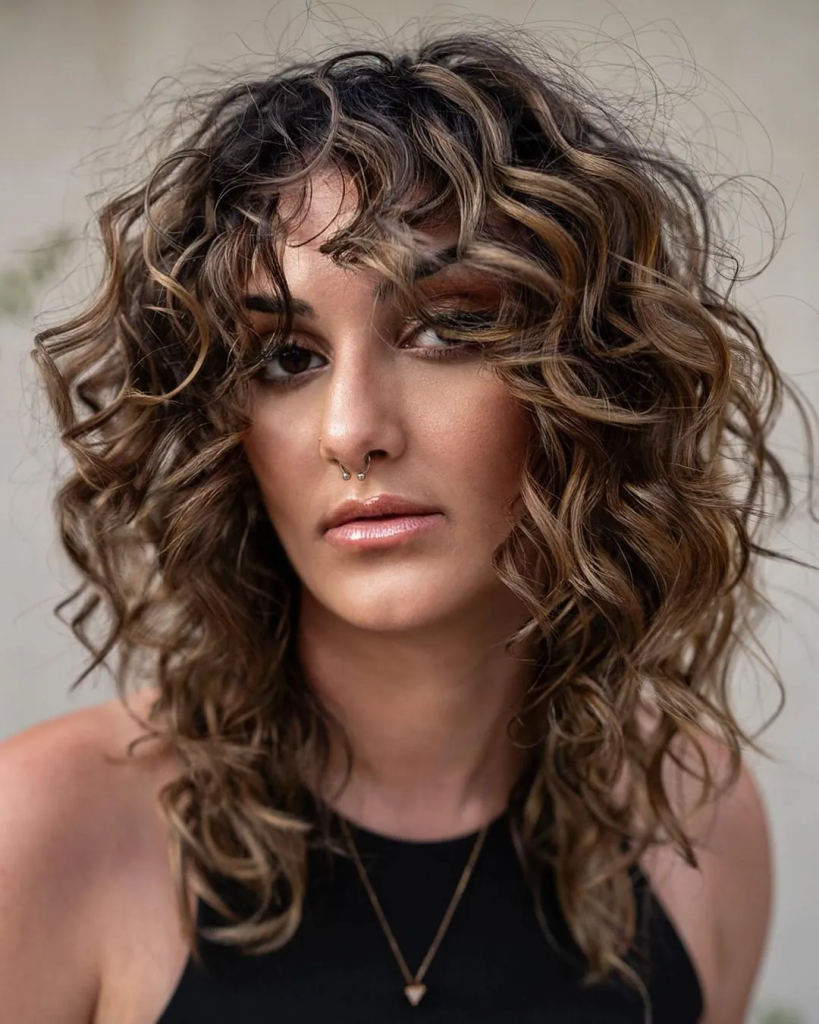
Even with the perfect cut, how you style matters. Here are volume-boosting techniques for thin curly hair:
1. Flip your head upside down. Diffuse, air dry, or even apply products with your head flipped. Gravity works against thin curls, so flipping reverses that.
2. Root clipping. While your hair is drying, use small claw clips at your roots to lift them away from your scalp. Remove the clips once your hair is completely dry.
3. Diffuse on low heat. High heat causes frizz and can damage fine strands. Low heat with a diffuser preserves curl definition while adding volume.
4. Do not touch while drying. Touching wet or damp curls breaks up the clumps and creates frizz. Once you have applied your products, hands off until your hair is 100% dry.
5. Fluff, do not brush. Once dry, flip your head over and fluff at the roots with your fingers. Never brush dry curly hair—this creates massive frizz and makes thin hair look even thinner.
6. Dry shampoo at the roots. Even if your hair is not greasy, a spritz of dry shampoo at the roots adds texture, grip, and visible volume.
Talking to Your Stylist
Communication is critical when you have thin curly hair. Here is what to say:
- "I have thin curly hair. I want a cut that adds volume and minimizes visible scalp."
- "Please cut my hair dry so we can see where each curl falls."
- "I want layers, but not so many that my ends look wispy."
- "I am willing to go shorter if it will make my hair look fuller."
- "What length do you recommend for my density and curl pattern?"
Bring photos of women with thin curly hair who have great cuts. Do not bring photos of women with thick, dense curls—that is not a realistic goal for you.
Common Mistakes to Avoid
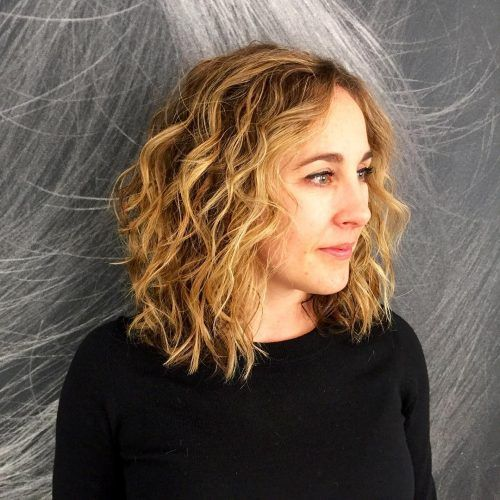
Mistake #1: Growing your hair long to "hide" the thinness. Long hair on thin curls makes the thinness more obvious because gravity pulls the curls apart.
Mistake #2: Avoiding layers because you think they remove too much hair. Strategic layers add volume. One-length cuts on thin curly hair look flat and limp.
Mistake #3: Using heavy products to "moisturize." Heavy products weigh thin curls down. Use lightweight, water-based products instead.
Mistake #4: Skipping trims. Split ends travel up the hair shaft, making thin hair look even thinner. Trim every 6-8 weeks.
Mistake #5: Comparing your hair to women with thick curls. Your hair is beautiful as it is. The goal is to make the most of what you have, not to look like someone else.
Final Thoughts: Embrace Your Thin Curls
Thin curly hair is not a curse. It is simply a different texture that requires a different approach. The 10 curly haircuts for thin hair in this guide are all designed to work with your natural texture, not against it. The right cut will give you volume, bounce, and confidence. You will stop trying to hide your thin spots and start showing off your beautiful, bouncy curls.
Remember: thin does not mean bad. Thin curls can be just as stunning as thick curls when they are cut and styled correctly. So book that appointment, have an honest conversation with your stylist, and get ready to fall in love with your hair all over again.
Leave a Reply