
For men who want a haircut that looks cool without trying too hard, the grown-out shag is the perfect answer. This style embraces length, texture, and intentional imperfection—think rock-and-roll vibes meets effortless everyday wearability. Unlike precision cuts that require frequent trims, the grown-out shag is designed to look better as it gets longer. The layers create movement, the texture adds interest, and the relaxed silhouette works for everything from casual weekends to creative professional settings. In this guide, you'll discover 10 grown-out shag variations for men, each designed to work with different hair types and face shapes. If you love textured, low-maintenance styles, these curly haircuts for men offer additional inspiration.
What Is a Grown-Out Shag?
The grown-out shag is a layered haircut that's intentionally kept longer than a traditional shag. Key characteristics include:
- Extended length – Typically falls between chin and shoulders when dry
- Heavy layering throughout – Creates movement and reduces bulk
- Textured ends – Wispy, piecey finishes that look lived-in
- Often paired with curtain bangs or fringe – Softens the face and adds character
- Minimal maintenance – Designed to look better as it grows
- Versatile styling – Can be worn messy, slicked back, or pushed to the side
The grown-out shag works exceptionally well for men with wavy or curly hair, but can be adapted for straight textures with the right styling products.
Why the Grown-Out Shag Is Trending
The grown-out shag has become increasingly popular among men for several reasons:
- Low maintenance – Requires fewer salon visits than precision cuts
- Effortless cool – The lived-in look projects confidence without appearing try-hard
- Works with natural texture – Enhances waves and curls rather than fighting them
- Hides thinning – The layers and texture camouflage sparse areas
- Versatile length – Long enough to tie back, short enough to stay off the neck
- Ages well – Looks intentional at every stage of growth
For men experiencing thinning hair, the grown-out shag's texture can be especially flattering. These haircuts for thinning hair men over 50 offer additional options.
The 10 Grown-Out Shag Variations for Men
1. The Classic Grown-Out Shag
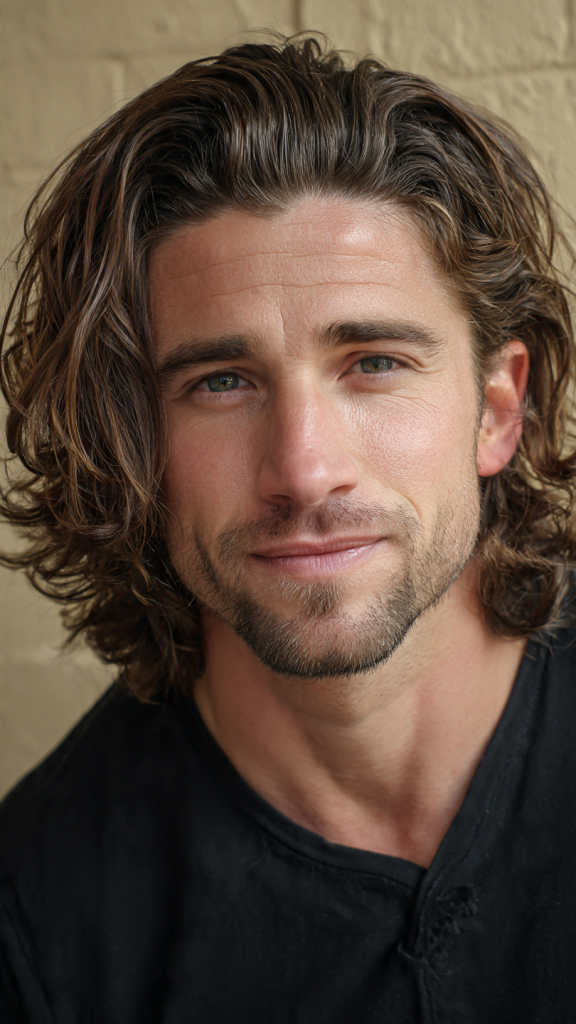
Why it works: The classic grown-out shag features heavy layering throughout, with shorter layers at the crown and longer layers at the perimeter. The length typically falls between the chin and shoulders. This is the most requested version of the cut and works on virtually every hair type. For men with wavy or straight hair, the classic shag adds movement and volume that one-length cuts lack.
How to style it: Apply texturizing spray to damp hair. Blow-dry using your fingers, lifting at the roots for volume. Once dry, use a small amount of matte clay to piece out individual sections. For a more polished look, sweep the front to one side. The goal is lived-in texture—not perfection.
Best face shapes: Oval, square, heart (most universally flattering)
Maintenance needs: Trim every 8–10 weeks. The shag improves with grow-out.
For men with round faces who want slimming effects, these men's haircuts for round face over 50 offer additional strategies.
2. Curly Grown-Out Shag
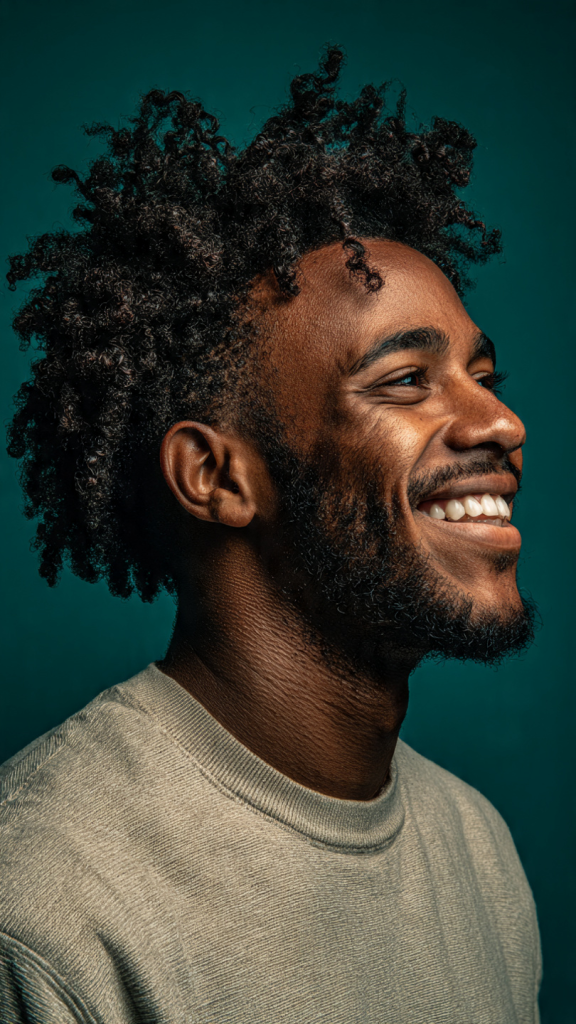
Why it works: Curly hair was made for the shag. The heavy layering removes weight, preventing the dreaded "triangle head" effect, while the length allows curls to form beautiful spirals. The curly grown-out shag celebrates natural texture while keeping it manageable. The longer length weighs down roots slightly, preventing excessive volume at the sides.
How to style it: Apply leave-in conditioner and curl cream to soaking wet hair. Use a wide-tooth comb to distribute. Scrunch vigorously with a microfiber towel. Air-dry completely or use a diffuser on low heat. Once dry, shake out at the roots. Never brush dry curls—use your fingers to separate.
Best face shapes: Oval, heart, round (curls soften angular features)
Maintenance needs: Trim every 8–10 weeks (dry cut only). Curly hair hides grow-out well.
For men with curly hair seeking more styling ideas, these curly haircuts for men offer additional inspiration.
3. Wavy Grown-Out Shag
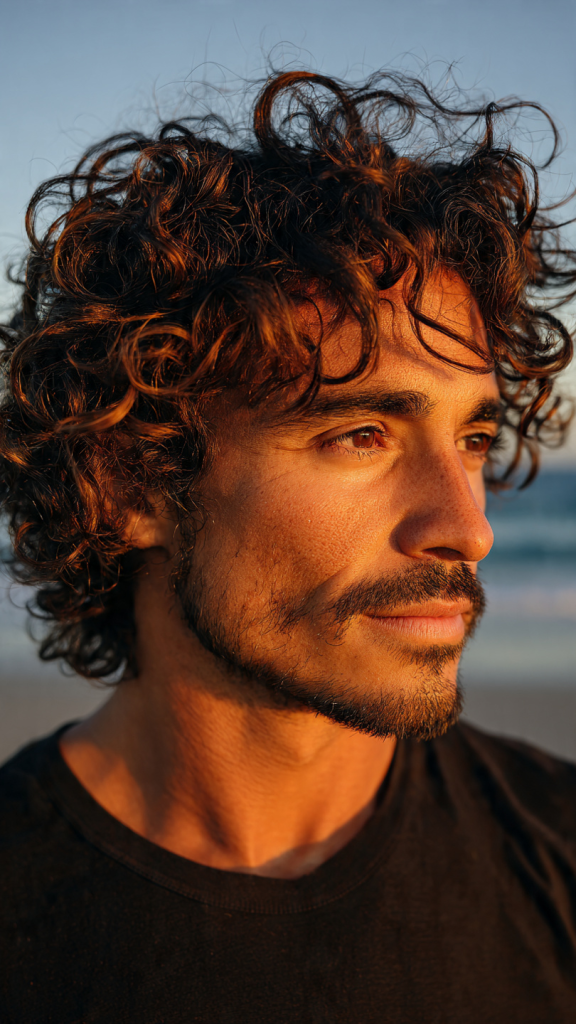
Why it works: The wavy grown-out shag is the sweet spot for men with natural 2B to 2C waves. The waves interact with the choppy layers to create the perfect lived-in texture. The shorter layers at the crown lift the waves, creating volume, while the longer layers allow the wave pattern to shine through. This cut requires minimal styling—just scrunch and go.
How to style it: Apply sea salt spray or wave-enhancing cream to damp hair. Scrunch section by section with a microfiber towel. Air-dry completely—about 30–40 minutes. Do not touch while drying. Once dry, shake out at the roots with your fingers. Never brush—use a wide-tooth comb only when wet.
Best face shapes: All face shapes (most universally flattering wave pattern)
Maintenance needs: Trim every 8–10 weeks. Waves hide grow-out beautifully.
4. Straight Grown-Out Shag
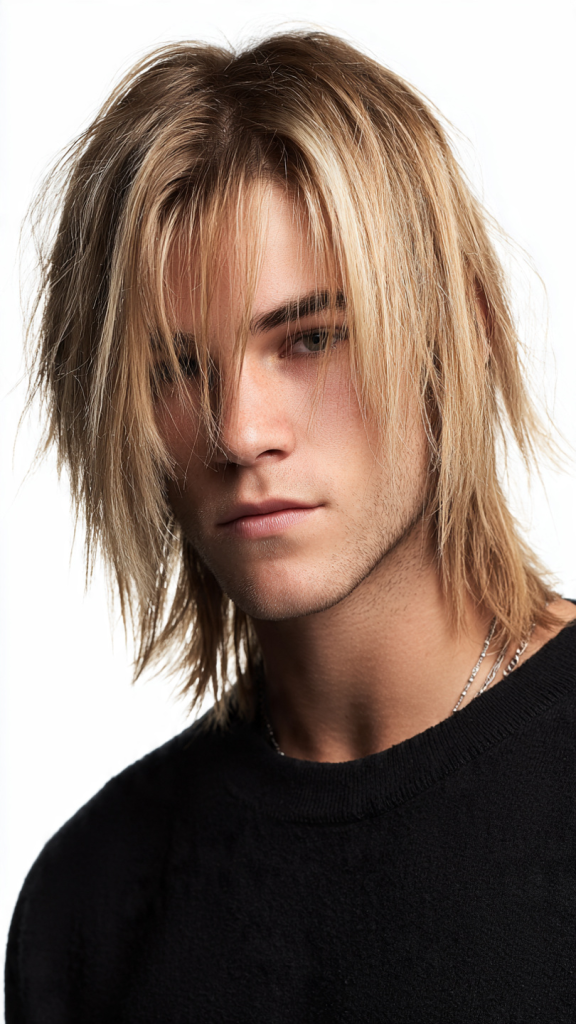
Why it works: While the shag is often associated with waves and curls, it works beautifully on straight hair. The heavy layering creates movement and volume that straight hair often lacks. Without natural wave, the cut relies on the choppy layers to create the signature shaggy silhouette. The grown-out length keeps it from looking too severe.
How to style it: Apply volumizing mousse to damp roots. Blow-dry using a round brush, lifting sections at the crown for height. Use texturizing spray on dry hair to add grip and separation. For extra movement, run a flat iron over random sections, bending the ends in different directions. The goal is texture, not smoothness.
Best face shapes: Oval, heart, oblong (the layers add movement to longer faces)
Maintenance needs: Trim every 8–10 weeks. Straight hair shows uneven ends more easily, so don't skip trims.
5. Grown-Out Shag with Curtain Bangs
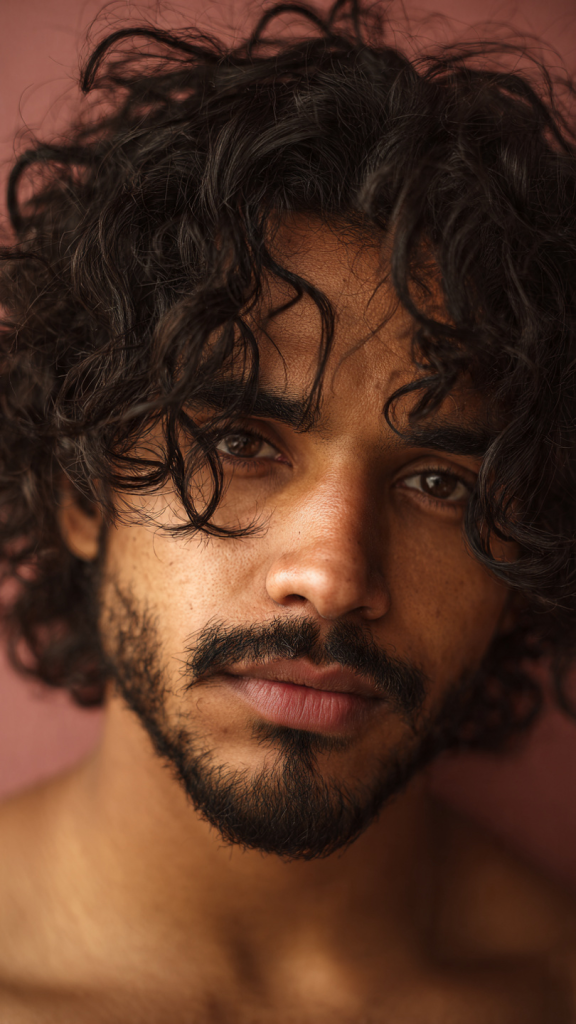
Why it works: Adding curtain bangs to a grown-out shag softens the overall look and creates beautiful face-framing. The bangs part in the middle and sweep to each side, blending seamlessly into the shorter layers. This combination is especially flattering for men with longer faces or high foreheads, as it softens the hairline and draws attention to the eyes.
How to style it: Apply lightweight mousse to damp hair. Blow-dry the curtain bangs using a small round brush, rolling them away from your face. The rest of the shag can be styled with your fingers—tousled and piecey. To refresh bangs on day two, mist with water and re-roll around a round brush with heat for 10 seconds.
Best face shapes: Oval, heart, oblong (curtain bangs soften high foreheads)
Maintenance needs: Bangs trim every 3–4 weeks; shag trim every 8–10 weeks
6. Grown-Out Shag with Fringe
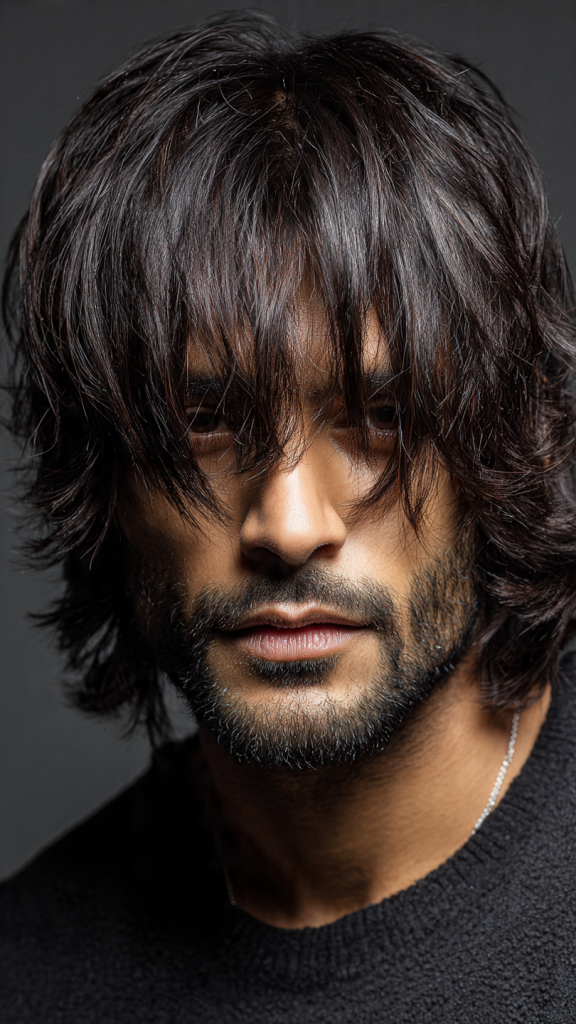
Why it works: A fuller fringe (bangs that sit across the forehead) adds a youthful, slightly mysterious vibe to the grown-out shag. The fringe should be textured and slightly piecey—not blunt or heavy. This style works well for men with strong brows or those who want to draw attention to their eyes.
How to style it: Apply texturizing spray to damp hair. Blow-dry the fringe forward using a round brush, creating a slight bend at the ends. The rest of the shag can be blow-dried with fingers. The fringe should sit just above the eyebrows. Finish with light hairspray on the fringe only.
Best face shapes: Oval, heart, round (fringe shortens longer faces)
Maintenance needs: Fringe trim every 3–4 weeks; shag trim every 8–10 weeks
7. Messy Grown-Out Shag

Why it works: The messy grown-out shag is deliberately disheveled—think "I just rolled out of bed but in a cool way." The cut features uneven, jagged layers throughout, with some sections shorter than others. This intentional messiness is a blessing because perfection is not the goal. Second-day hair actually looks better, and the texture hides any thinning areas.
How to style it: On dry hair (clean or second-day), apply dry shampoo generously at the roots. Flip head upside down and scrunch vigorously for 30 seconds. Flip back and use your fingers to texturize random sections. Add texturizing powder at the crown for piecey separation. Do not use a brush or comb.
Best face shapes: Oval, heart, square (messiness softens angular features)
Maintenance needs: Trim every 8–10 weeks. The lived-in look means grow-out adds to the charm.
8. Slicked-Back Grown-Out Shag
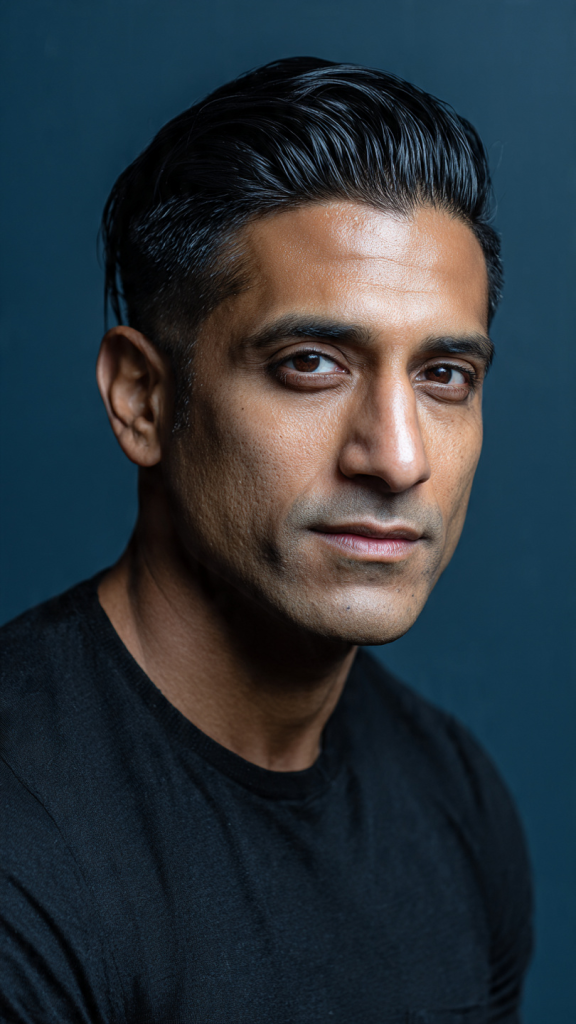
Why it works: The slicked-back grown-out shag takes the textured cut and adds polish. The top layers are combed back away from the face, creating a clean, sophisticated silhouette. The texture remains visible underneath, adding interest. This style is perfect for professional settings or evenings out when you want to look put-together without losing the shag's edge.
How to style it: Apply medium hold pomade or gel to damp hair. Use a fine-tooth comb to comb all hair back away from your forehead. The sides can be tucked behind your ears or left to fall. For a modern finish, leave the front slightly piecey rather than perfectly smooth. Lock in place with medium hold hairspray.
Best face shapes: Oval, square, diamond (slicked-back elongates rounder faces)
Maintenance needs: Trim every 8–10 weeks. The slicked style can be worn between washes.
9. Grown-Out Shag for Thick Hair
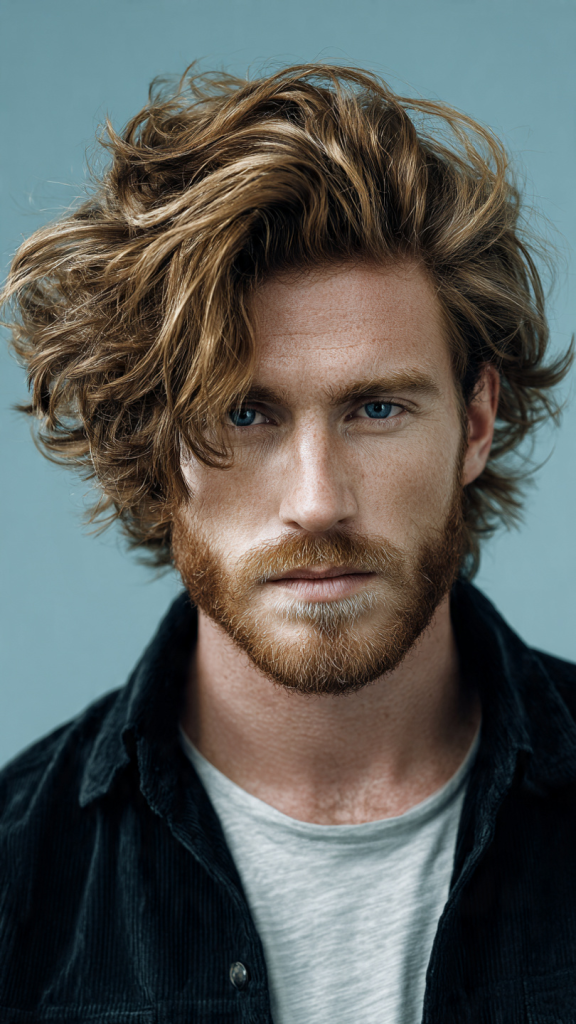
Why it works: Men with thick hair often struggle with bulk and weight. The grown-out shag for thick hair uses heavy layering to remove interior bulk while maintaining length. The layers start higher—around the ears or cheekbones—to prevent the dreaded "helmet head" effect. The result is hair that feels lighter, moves better, and looks effortlessly styled.
How to style it: Apply smoothing cream to damp hair. Blow-dry using a large round brush, lifting at the roots for volume. For an air-dry option, apply wave spray and scrunch—the layers will prevent the hair from getting too puffy. Finish with shine serum on the ends only.
Best face shapes: All face shapes (removes bulk while keeping shape)
Maintenance needs: Trim every 8–10 weeks. Thick hair holds layers well.
For men with thick hair seeking more options, these medium length hairstyles for thick hair offer additional shaping ideas.
10. Grown-Out Shag for Thin Hair

Why it works: It might seem counterintuitive—doesn't a shag remove a lot of hair? For thin hair, the key is a subtle grown-out shag with lighter layering. The shorter crown layers create volume where thin hair needs it most, while the longer perimeter maintains length. The choppy texture hides thinning areas. This version uses soft, wispy layers that add movement without sacrificing density.
How to style it: Apply volumizing mousse to damp roots. Blow-dry upside down to maximize lift. Use texturizing powder at the crown for grip. Avoid heavy products that will weigh thin hair down. The goal is volume and separation, not heavy texture.
Best face shapes: Oval, heart, round (the volume adds balance)
Maintenance needs: Trim every 8–10 weeks. Keep the layering subtle—too much will make thin hair look wispy.
For men with thinning hair, these haircuts for thinning hair men over 50 offer additional options.
How to Style the Grown-Out Shag for Men
Styling the grown-out shag is intentionally low-maintenance. Here's your daily roadmap:
- Embrace texture – The shag looks best when it's slightly messy. Use texturizing spray, sea salt spray, or dry shampoo to add grip and separation.
- Air-dry when possible – The shag is designed to look great with minimal heat. Apply product to damp hair, scrunch, and let it air-dry.
- Use a diffuser for waves and curls – If you need to speed up drying, use a diffuser on low heat. Cup sections of hair and press toward your scalp.
- Create random bends – For straight or wavy hair, use a 1-inch curling iron to create random bends throughout. Alternate directions. Brush through with a wide-tooth comb.
- Focus on crown volume – The signature of the shag is volume at the crown. Blow-dry the crown section upward, or add texturizing powder for instant lift.
- Refresh with water – On non-wash days, mist your hair with plain water from a spray bottle. Re-scrunch and go. Water reactivates the original products.
- Sleep on a satin pillowcase – A satin pillowcase preserves your texture and prevents frizz.
- Avoid heavy products – Butters, oils, and heavy creams will weigh down the choppy layers. Stick to lightweight sprays, mousses, and powders.
Quick Maintenance Cheat Sheet
| Style | Trim Frequency | Special Notes |
|---|---|---|
| Classic Grown-Out Shag | 8–10 weeks | Most versatile option |
| Curly Grown-Out Shag | 8–10 weeks (dry cut) | Always cut dry for curls |
| Wavy Grown-Out Shag | 8–10 weeks | Waves hide grow-out well |
| Straight Grown-Out Shag | 8–10 weeks | Straight hair shows uneven ends |
| Grown-Out Shag with Curtain Bangs | Bangs: 3–4 weeks; Shag: 8–10 weeks | Bangs require frequent trims |
| Grown-Out Shag with Fringe | Fringe: 3–4 weeks; Shag: 8–10 weeks | Best for high foreheads |
| Messy Grown-Out Shag | 8–10 weeks | Looks better with grow-out |
| Slicked-Back Grown-Out Shag | 8–10 weeks | Can be styled between washes |
| Grown-Out Shag for Thick Hair | 8–10 weeks | Removes bulk effectively |
| Grown-Out Shag for Thin Hair | 8–10 weeks | Keep layering subtle |
Final Thoughts
The grown-out shag for men proves that longer hair can be low-maintenance, textured, and effortlessly cool. Whether you have curly, wavy, or straight hair, this cut works with your natural texture to create movement, volume, and style. The key is embracing imperfection—the shag is designed to look better when it's a little messy. Take this guide to your barber, discuss which of these 10 options aligns with your hair type and lifestyle, and get ready to discover how liberating the grown-out shag can be.


Leave a Reply