
The Right Cut Changes Everything
You can use all the right products. You can master every styling trick. But if your haircut is working against you, you will never get the volume you want.
The right cut for fine hair removes weight where you do not want it (the ends) and keeps length where you do (the top). It creates shape that tricks the eye into seeing more hair than you actually have.
I have cut fine hair on hundreds of clients. The ones who leave happiest are the ones who chose a cut designed for their texture — not a cut they saw on someone with thick hair.
Here are 16 haircuts that actually work for short thin fine hair.
1. The Textured Pixie
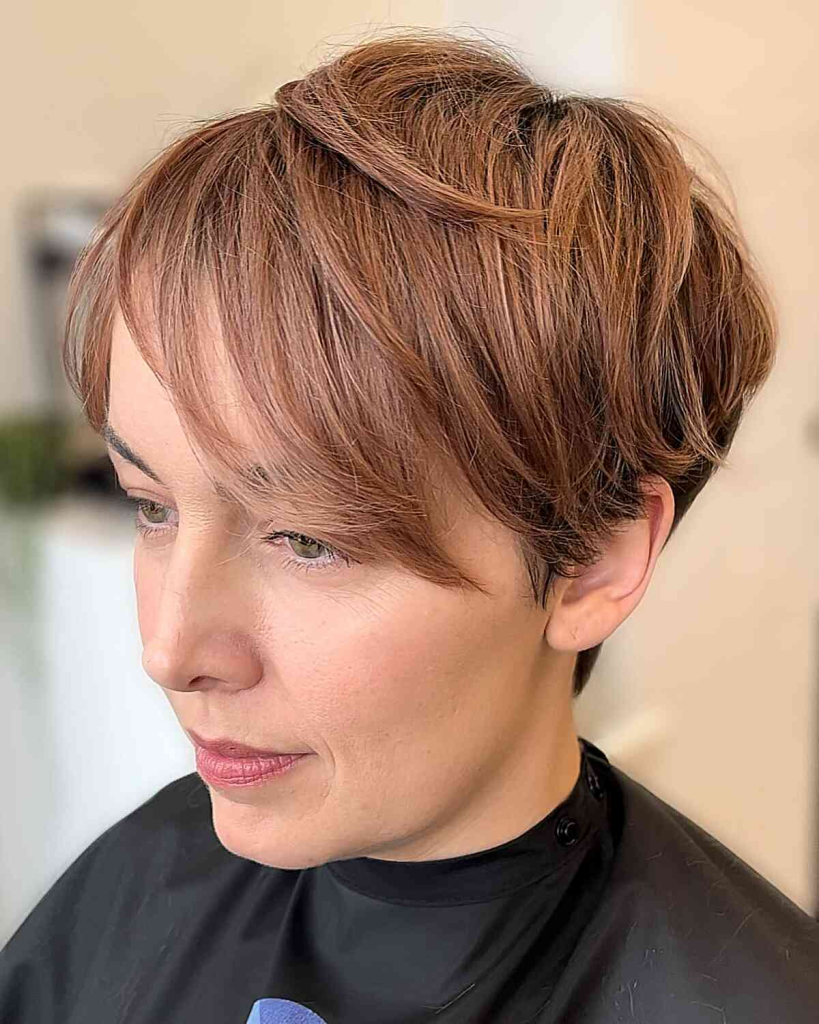
A pixie with soft, point-cut texture throughout. No blunt lines anywhere. The top has length. The back is tapered.
The right approach: Ask for point-cutting only. No scissors cutting straight across. The top should be at least 1.5 inches long.
How to describe it: "I want a textured pixie. Point-cut only. No blunt lines. Tapered back. Length on top."
What to skip: A uniform pixie where all the hair is the same length. That lies flat.
2. The Layered Bob (Chin-Length)
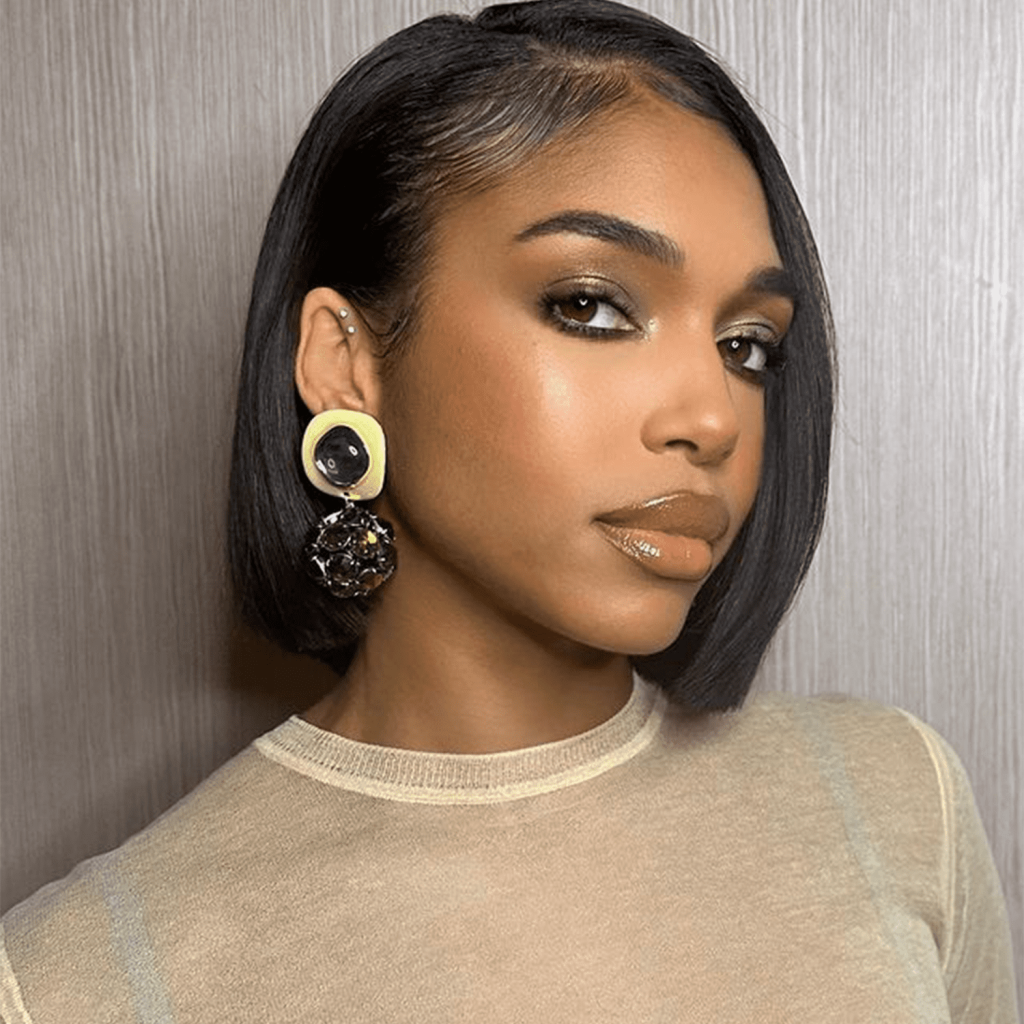
A bob that hits at your chin. Layers are cut throughout to remove weight. The ends are soft, not blunt.
The right approach: Ask for layers that start at your cheekbones. The perimeter should be rounded, not flat across the bottom.
How to describe it: "I want a layered bob at my chin. Layers starting at my cheekbones. Rounded shape. Soft ends."
What to skip: A blunt bob with no layers. That is a curtain, not a haircut.
3. The Asymmetrical Pixie
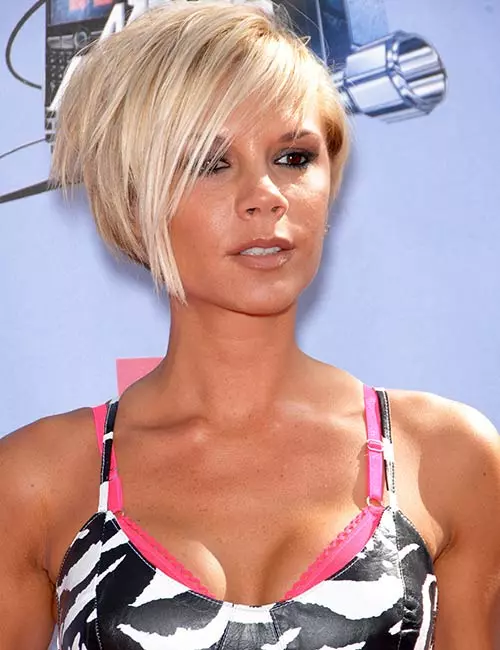
One side is longer than the other. The longer side gives you something to sweep. The shorter side shows off your ear.
The right approach: Ask for a difference of about an inch between the two sides. Texture throughout. Tapered back.
How to describe it: "I want an asymmetrical pixie. Longer on my left. Shorter on my right. About an inch difference."
What to skip: An asymmetry that is too subtle. If you cannot see it, why have it?
4. The Cropped Pixie (Very Short)
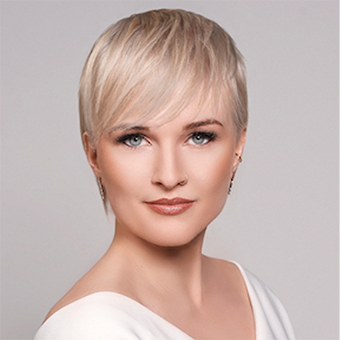
Very short on the sides and back. Short but textured on top (about an inch). Minimal product needed.
The right approach: Ask for a #4 or #5 guard on the sides. The top should be cut with point-end texture, not blunt.
How to describe it: "I want a cropped pixie. Short sides with a #4 guard. Textured top about an inch long."
What to skip: A clipper cut all over. That is a buzz cut, not a pixie.
5. The French Bob
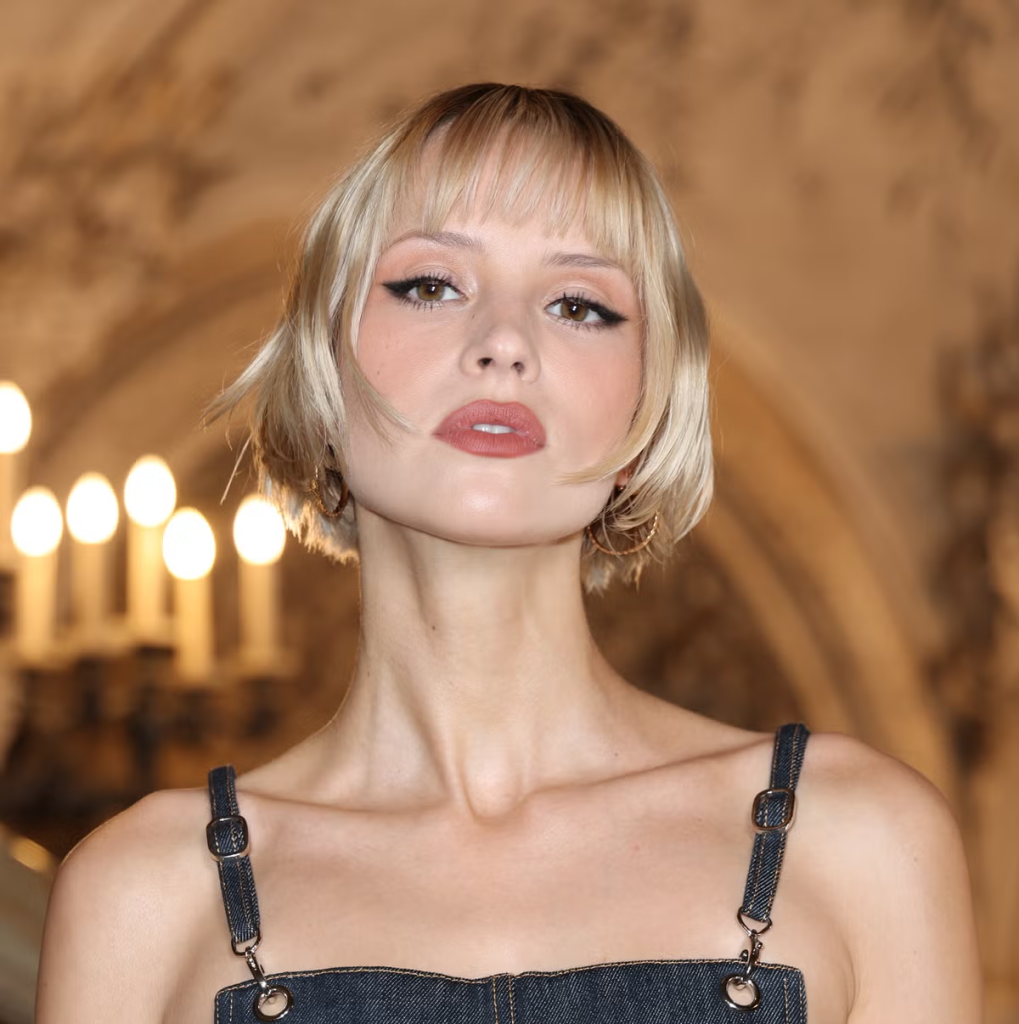
A bob that hits at your jawline. Soft, rounded edges. Often paired with a textured fringe.
The right approach: Ask for jaw-length. The ends should be point-cut and wispy, not thick. The fringe should be light and piece-y.
How to describe it: "I want a French bob at my jawline. Wispy ends. Light fringe. Soft and rounded."
What to skip: A blunt French bob. The softness is the whole point.
6. The Undercut Pixie
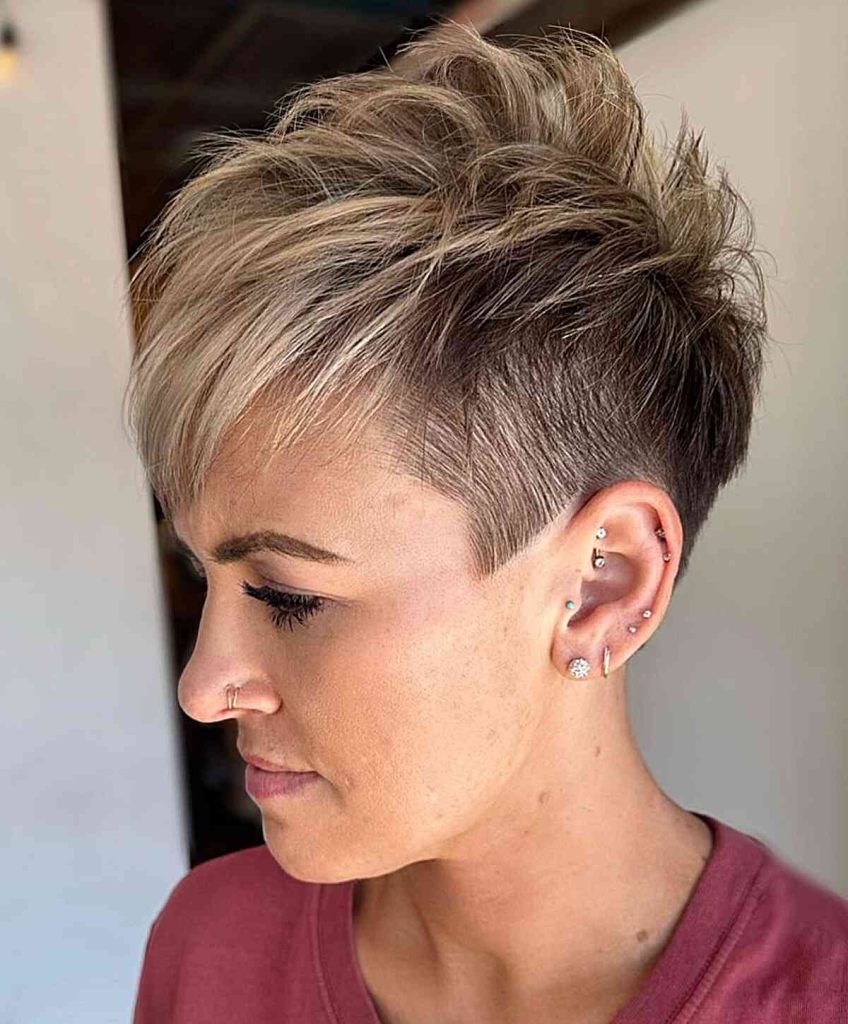
The back and sides are shaved or closely clipped. The top is longer (2-3 inches) and textured. Maximum contrast.
The right approach: Ask for a #2 or #3 guard on the undercut. The top should be long enough to fall forward or sweep to the side.
How to describe it: "I want an undercut pixie. Shaved sides with a #2 guard. Top long and textured. Clean line between them."
What to skip: An undercut that is too high. It should stay at your nape and lower sides.
7. The Wispy Crop
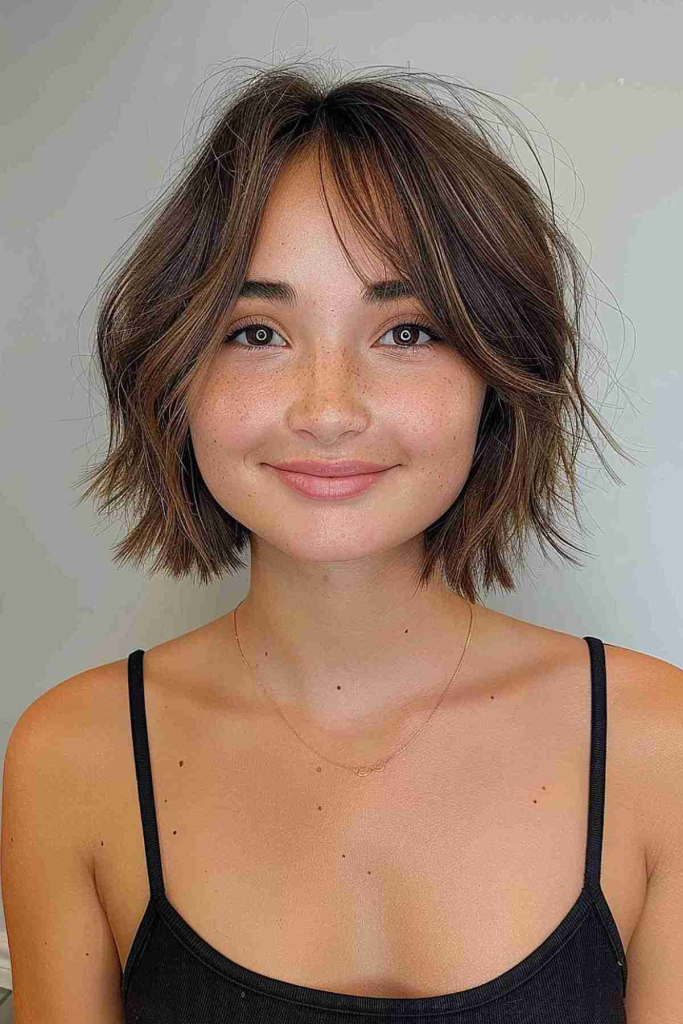
Very short all over (1 inch or less) but cut with wispy, feathery ends. Soft, not severe.
The right approach: Ask for point-cut ends everywhere. The shape should be rounded, not boxy.
How to describe it: "I want a wispy crop. Very short but soft. Feathery ends. Rounded shape."
What to skip: A crop that looks like a helmet. Wispy means visible separation.
8. The Stacked Bob
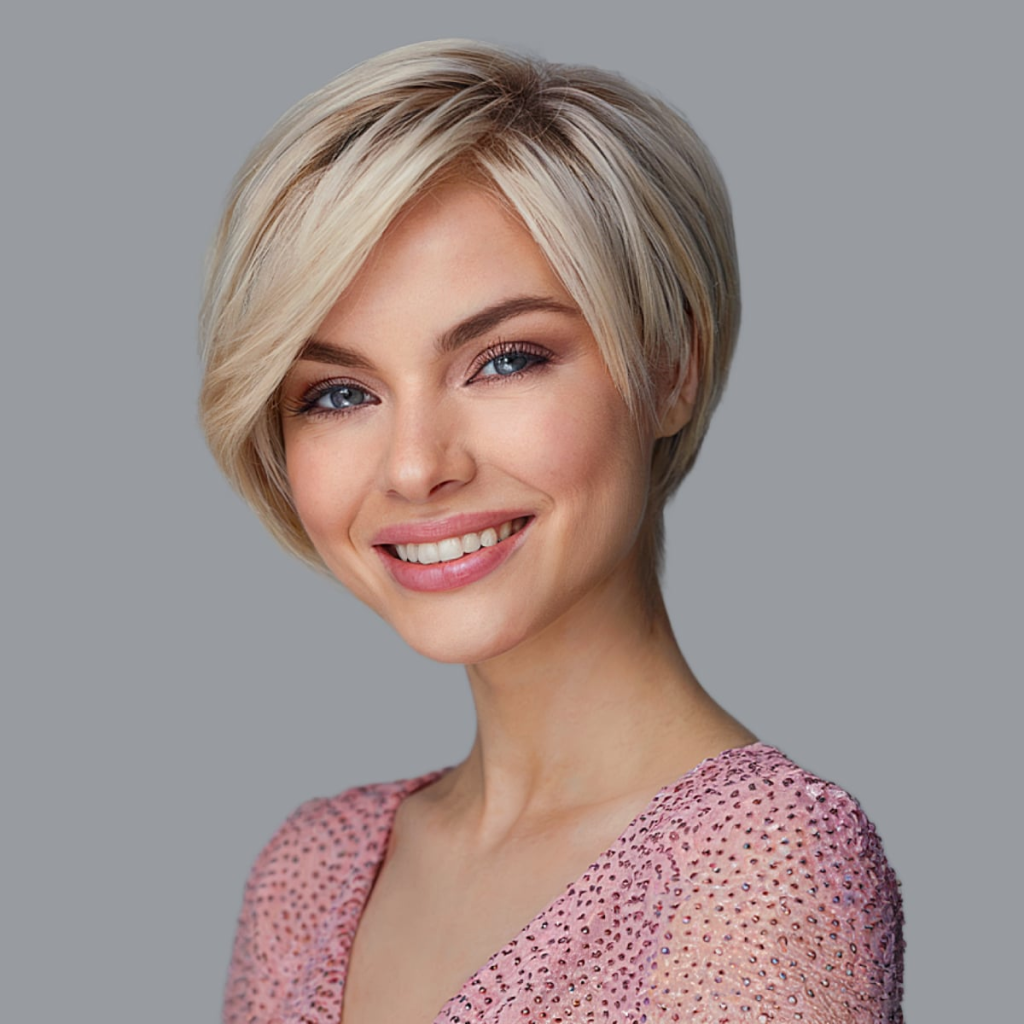
Shorter in the back, longer in the front. The stacked back creates lift at your nape. The front hits your chin.
The right approach: Ask for a soft stack (not a severe shelf). The front should be at least two inches longer than the back.
How to describe it: "I want a stacked bob. Shorter in back, longer in front. Soft stack at my nape. Front to my chin."
What to skip: A stack that is too severe. You want graduation, not a shelf.
9. The Piece-y Pixie
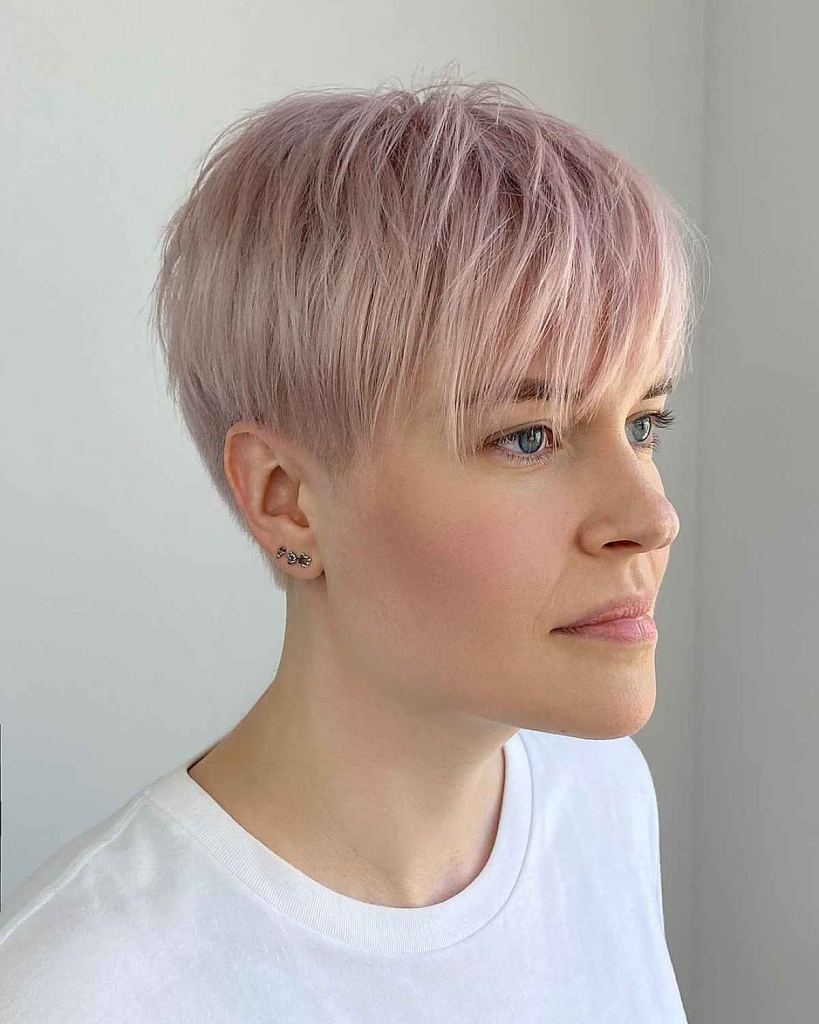
The entire top is cut into distinct, separated pieces. No blending. No smooth lines.
The right approach: Ask for chunkier, visible sections. The pieces should be about half an inch wide each.
How to describe it: "I want a piece-y pixie. The top should look separated and chunky. No blending."
What to skip: Over-texturing that makes your hair look shredded. Piece-y is not damaged.
10. The Side-Swept Pixie
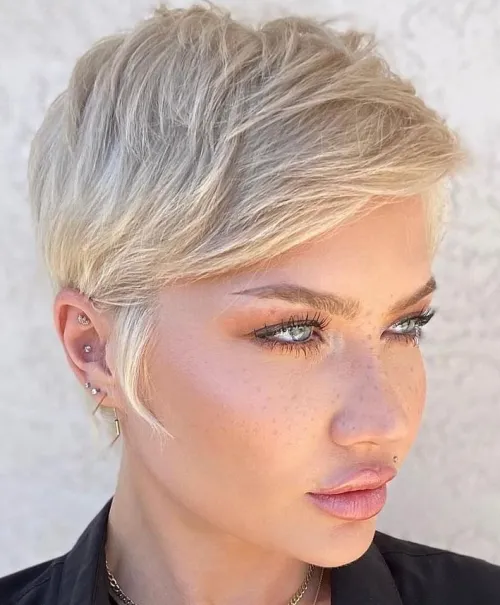
Longer on top (2-3 inches). Swept to one side. The other side is shorter and tucks behind your ear.
The right approach: Ask for a deep side part. The long side should reach your opposite eyebrow when swept over.
How to describe it: "I want a side-swept pixie. Deep side part. Longer top swept to my right. Shorter side tucked behind my ear."
What to skip: A side sweep that is too heavy. The long side should move.
11. The Tapered Nape Pixie
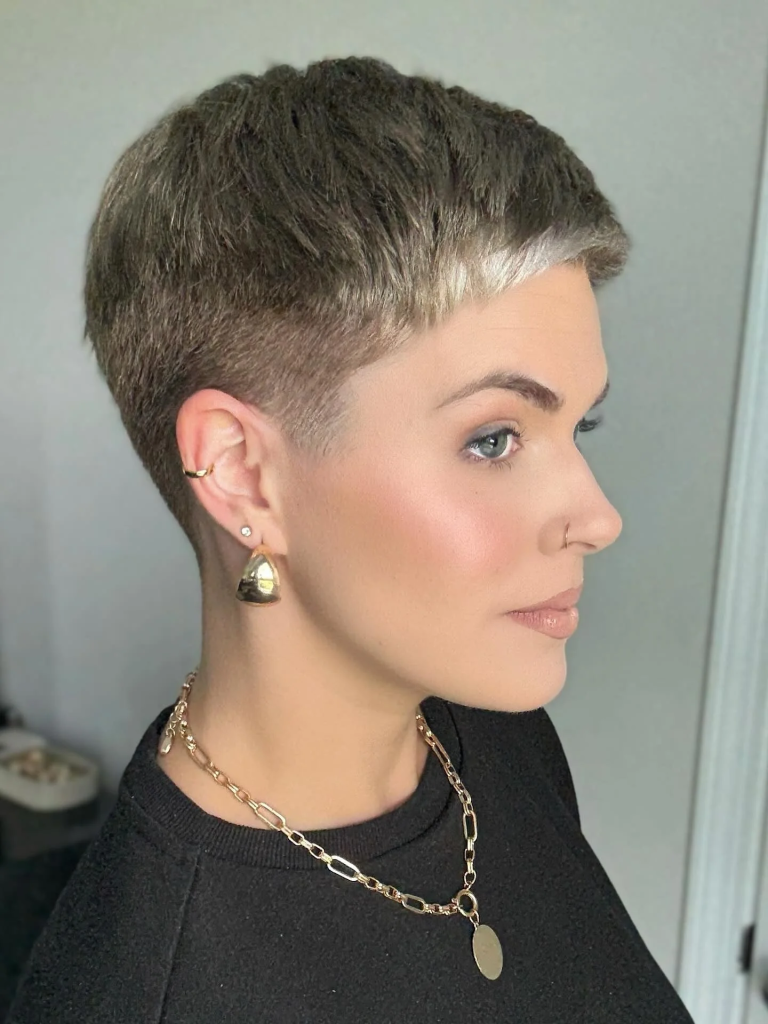
Short on top. The nape is tapered very short, almost shaved. The taper removes the wispy, see-through hair at your neck.
The right approach: Ask for a taper that starts at your hairline and graduates upward. The top should be soft and textured.
How to describe it: "I want a tapered nape pixie. Short top. Tapered nape that removes the wispy hair at my neck."
What to skip: A taper that goes too high. It should stay near your hairline.
12. The Micro Bob (Earlobe Length)
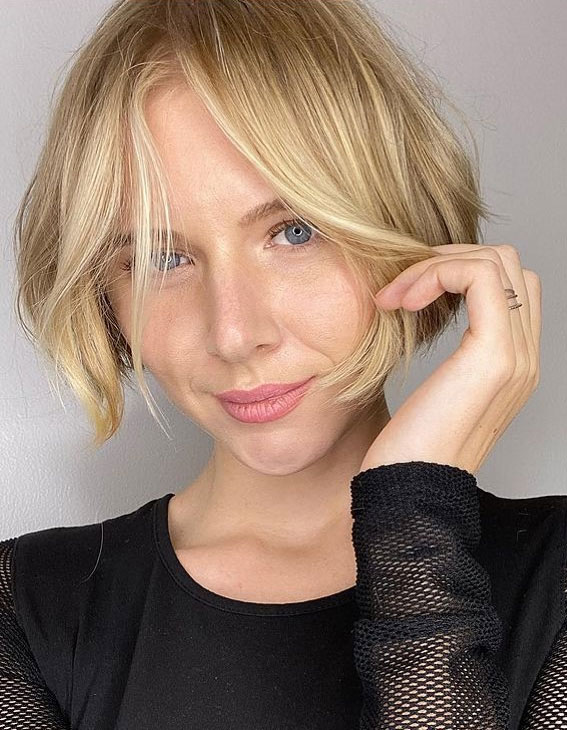
A very short bob that hits at your earlobe. Rounded shape. Soft ends.
The right approach: Ask for earlobe length. Point-cut ends. No blunt lines anywhere.
How to describe it: "I want a micro bob at my earlobe. Rounded shape. Soft ends. No blunt lines."
What to skip: A bob that is too long for your face shape. Earlobe length is bold but flattering.
13. The Curly Pixie (For Wavy or Curly Fine Hair)
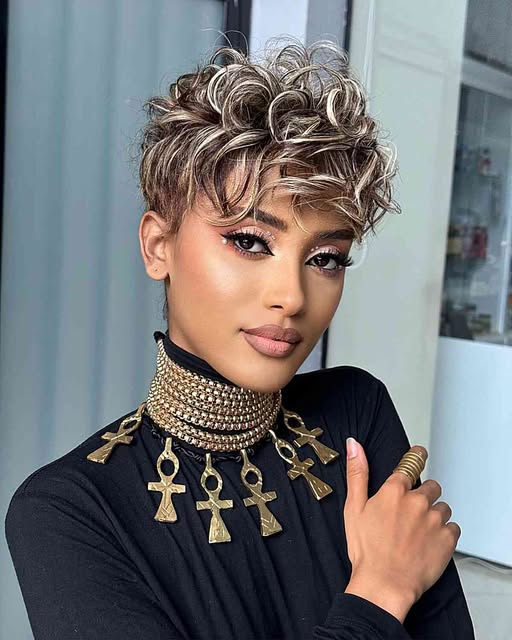
Fine hair can be wavy or curly too. A curly pixie keeps the curls defined while removing weight.
The right approach: Ask for a dry cut so the stylist can see where your curls fall. The top should be stretched length to your nose.
How to describe it: "I want a curly pixie. Cut dry. Top long enough for my curls to form. Tapered nape."
What to skip: Cutting curly hair wet. That is a guessing game you will lose.
14. The Fringed Pixie
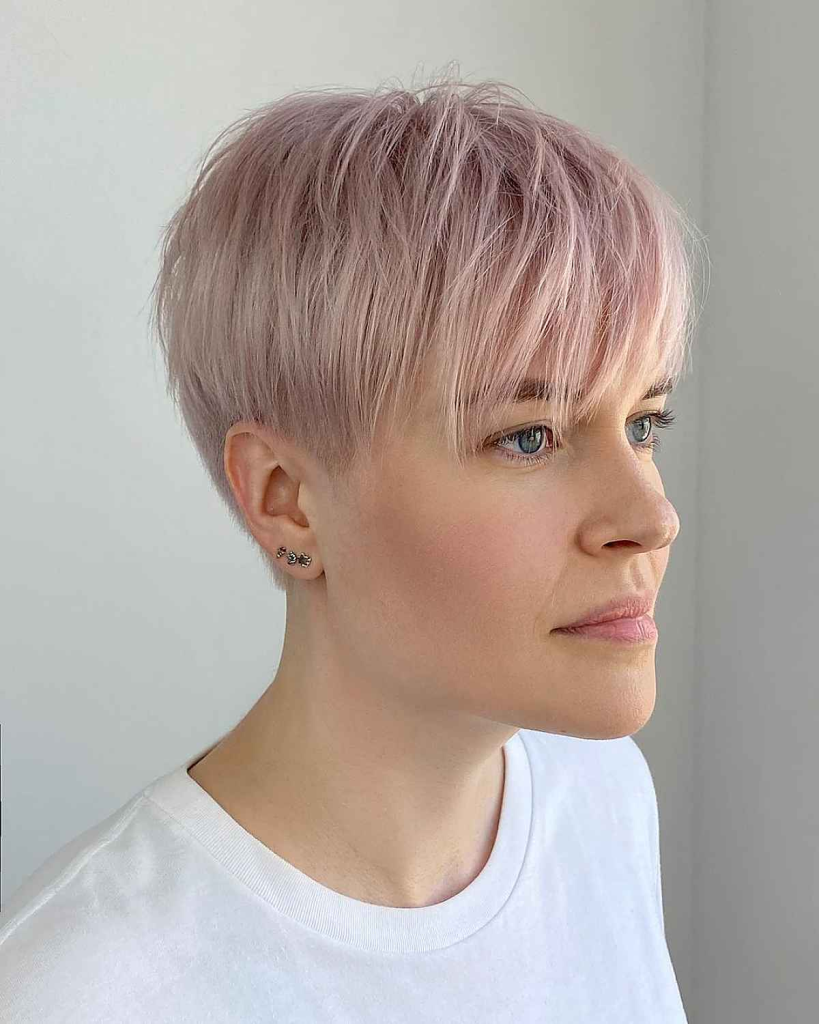
A pixie with a soft, wispy fringe (bangs) that hits just above your eyebrows. The rest of the top is short and textured.
The right approach: Ask for a fringe that is point-cut and light. Not heavy. Not blunt. The rest of the top should blend into the fringe.
How to describe it: "I want a fringed pixie. Wispy fringe at my brows. Light and soft. Textured top."
What to skip: Heavy, blunt bangs. They will eat up your density.
15. The Bowl Cut (Modern Version)
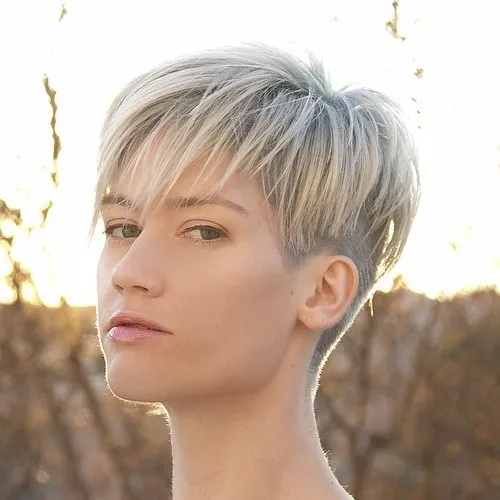
Not the 90s version. A modern bowl cut is soft, rounded, and textured. It works surprisingly well on fine hair because it creates a solid shape.
The right approach: Ask for a uniform length of about 2-3 inches. Rounded edges. Lots of internal texture.
How to describe it: "I want a modern bowl cut. Soft and rounded. Uniform length about two inches. Lots of texture inside."
What to skip: A hard, helmet-like shape. The modern version is soft.
16. The Short Shag
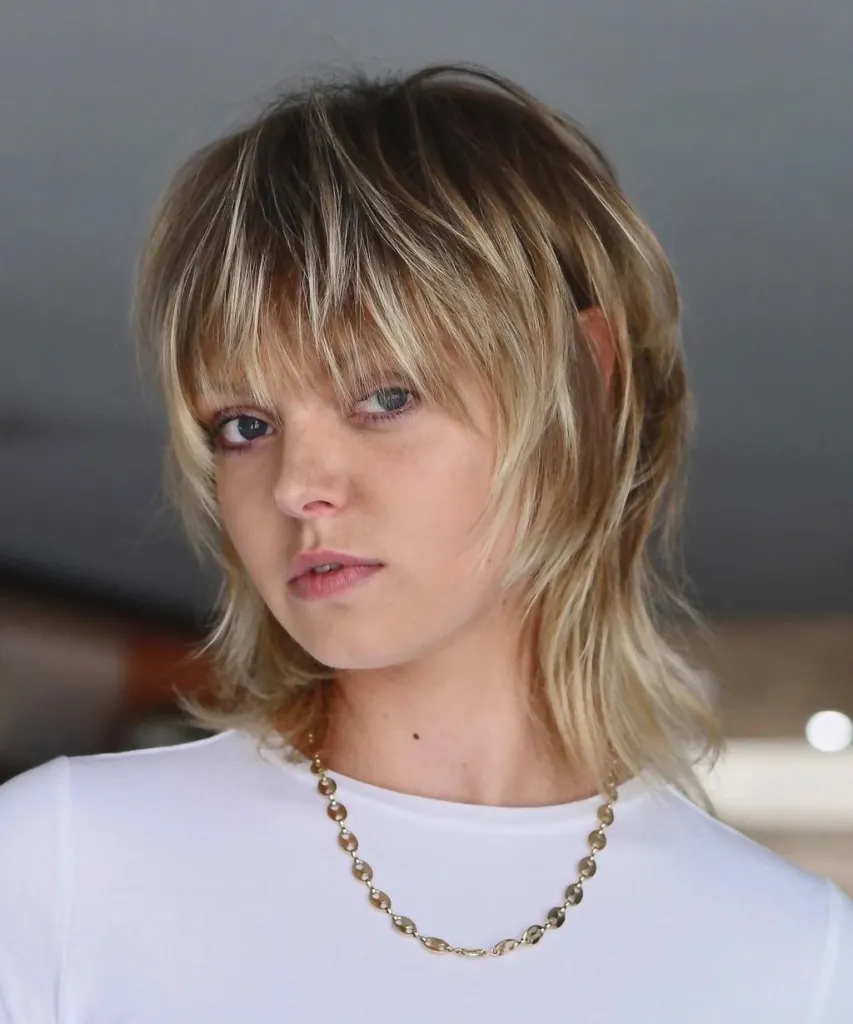
A shag haircut adapted for fine hair. Layers throughout. Lots of texture. A soft, undone shape.
The right approach: Ask for layers that start at your crown. The perimeter should be rounded. Wispy ends.
How to describe it: "I want a short shag. Layers from my crown. Rounded shape. Wispy ends. Undone but intentional."
What to skip: A shag that is too heavy on top. Fine hair needs lightness.
What to Tell Your Stylist
Walk in with a photo from the 16 above. Say: "I have fine hair. I want this cut. Please use point-cutting only. No blunt lines. I need the ends to feel soft, not heavy."
If your stylist argues that fine hair needs blunt ends for "weight," find another stylist.
Maintenance Schedule for Fine Hair
Short pixies and crops: Every 4 weeks. Fine hair shows growth quickly.
Bobs: Every 5-6 weeks. The shape needs maintenance.
Undercuts: Every 2-3 weeks for the shaved part.
Bangs: Every 3-4 weeks. Fine hair bangs grow out fast.
The Final Word
The right cut changes everything for fine hair. Textured pixies. Layered bobs. Asymmetrical cuts. Short shags. Sixteen options. One of them is yours. Bring a photo to your stylist. Ask for point-cutting. Say no to blunt lines. Your hair will thank you.
Leave a Reply