
The 19 bangs for women over 60 in this guide prove that fringe is not just for the young—it is one of the most transformative additions you can make to your hairstyle at any age. Bangs soften forehead lines, draw attention to your eyes, hide thinning at the temples, and instantly refresh your entire look. Whether you prefer wispy and romantic or bold and blunt, there is a bang style here that will flatter your face shape and fit your lifestyle. In this guide, we will explore nineteen bang styles for women over 60, complete with why each works, how to style it, best face shapes, and maintenance needs.
Why Bangs Are Transformative for Women Over 60
As we age, bangs offer unique benefits that other styling choices cannot match:
- Softens forehead lines and wrinkles without covering them completely
- Draws attention upward to your eyes, which are often your best feature
- Hides thinning at the hairline and temples
- Adds density to the front of your hair where thinning often occurs
- Instantly refreshes any haircut without changing the overall length
- Creates the illusion of higher cheekbones by framing the face
The 19 Bangs for Women Over 60
1. Wispy Side-Swept Bangs
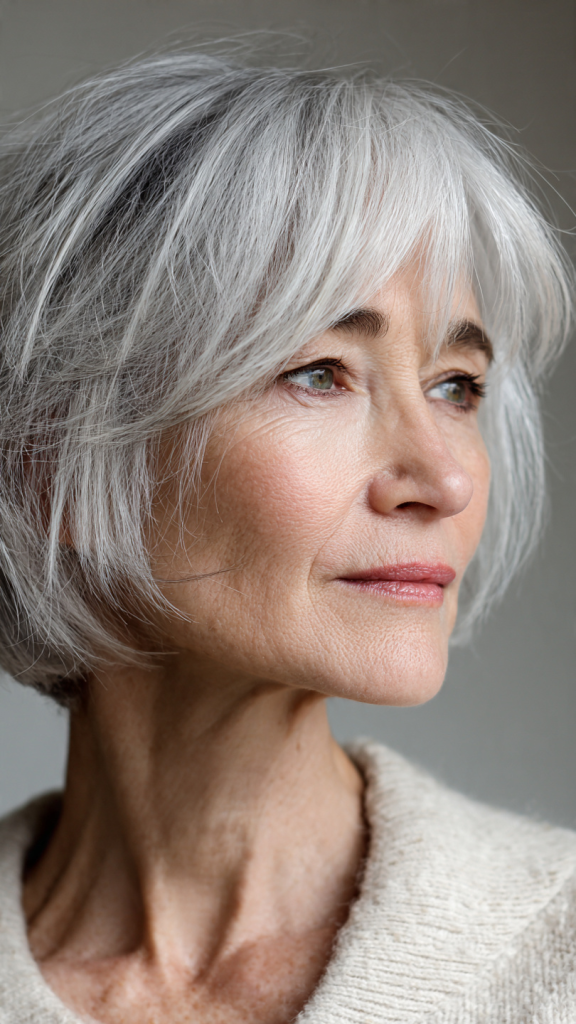
Soft, lightweight bangs that sweep diagonally across the forehead. They are thin and piece-y, not heavy or blunt.
Why it works: The diagonal line creates a slimming effect. The wispy texture softens forehead lines without drawing attention to them. These bangs are universally flattering and very low-maintenance.
How to style it: Blow-dry using a small round brush, sweeping the bangs across your forehead to the opposite side. A tiny amount of lightweight product keeps them in place.
Best face shapes: Round, oval, square, heart. The diagonal line flatters almost everyone.
Maintenance needs: Trim every 3–4 weeks.
2. Curtain Bangs

Curtain bangs are parted down the middle and curve to each side like a curtain opening. They are longer on the sides and shorter in the center.
Why it works: The open center reveals the middle of your forehead, creating vertical length. The curved sides frame your cheekbones beautifully and soften the face.
How to style it: Blow-dry using a round brush, directing the left side to the left and the right side to the right. The bangs should curve away from your face.
Best face shapes: Oval, round, heart. Curtain bangs are especially flattering for round faces.
Maintenance needs: Trim every 5–6 weeks. Curtain bangs grow out gracefully.
3. Feathered Bangs
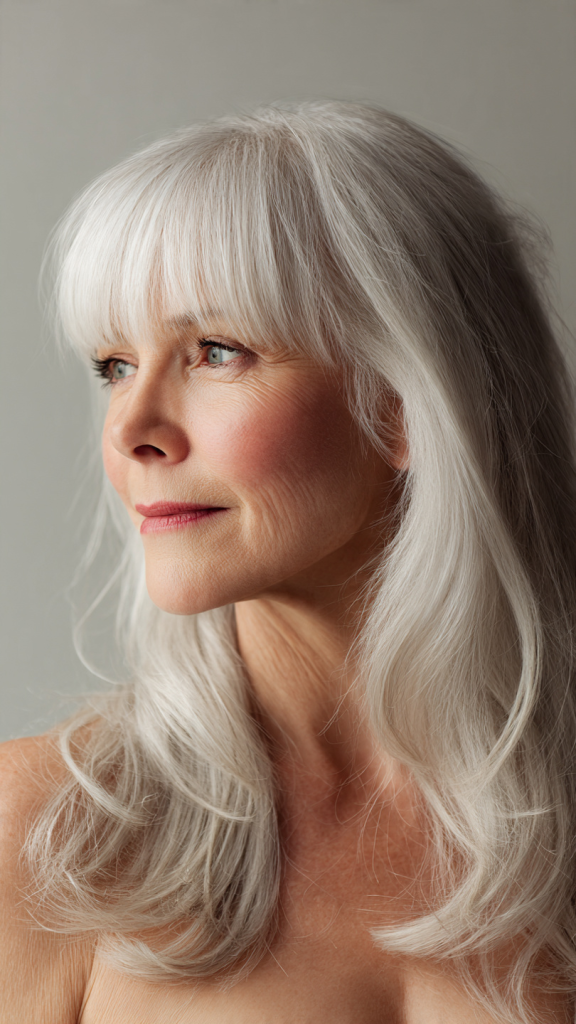
Feathered bangs are soft, airy, and textured with a feather-like finish. They blend seamlessly into the rest of your hair.
Why it works: The feathery texture hides any unevenness and softens forehead lines beautifully. These bangs look light and feminine, never heavy or harsh.
How to style it: Blow-dry using a round brush, lifting the bangs slightly and directing them to the side. A light hairspray keeps the feathery pieces in place.
Best face shapes: Oval, heart, diamond. The softness flatters all face shapes.
Maintenance needs: Trim every 4–5 weeks.
4. Long Side-Swept Bangs
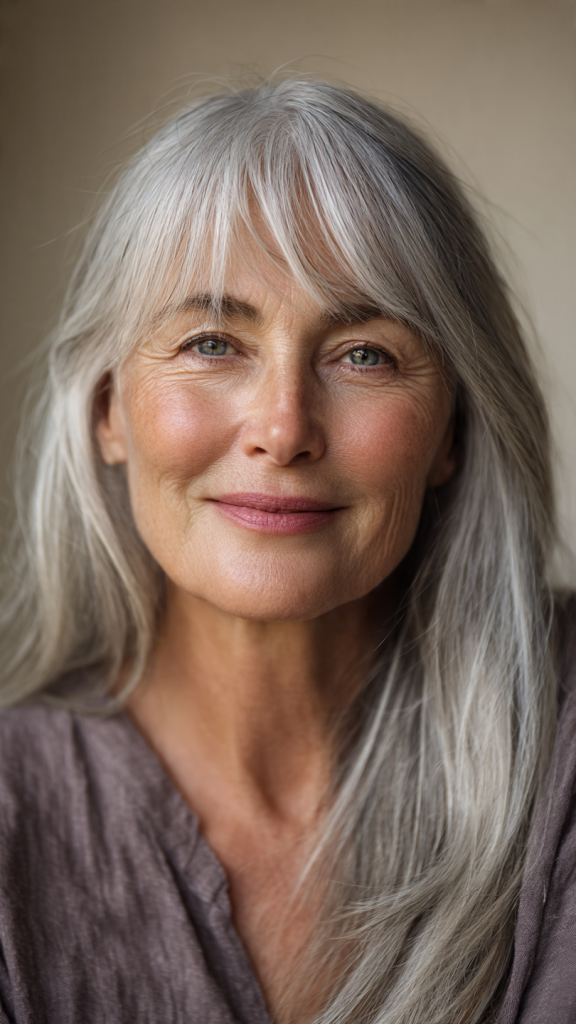
These bangs are longer than traditional side-swept bangs—often reaching the cheekbone or jawline. They blend into face-framing layers.
Why it works: The length creates a strong diagonal line that elongates round faces. The longer pieces also hide thinning at the temples.
How to style it: Blow-dry using a round brush, sweeping the bangs dramatically to one side. They can be tucked behind the ear for a change.
Best face shapes: Round, oval, square. The diagonal line is very flattering.
Maintenance needs: Trim every 4–5 weeks.
5. Wispy Blunt Bangs
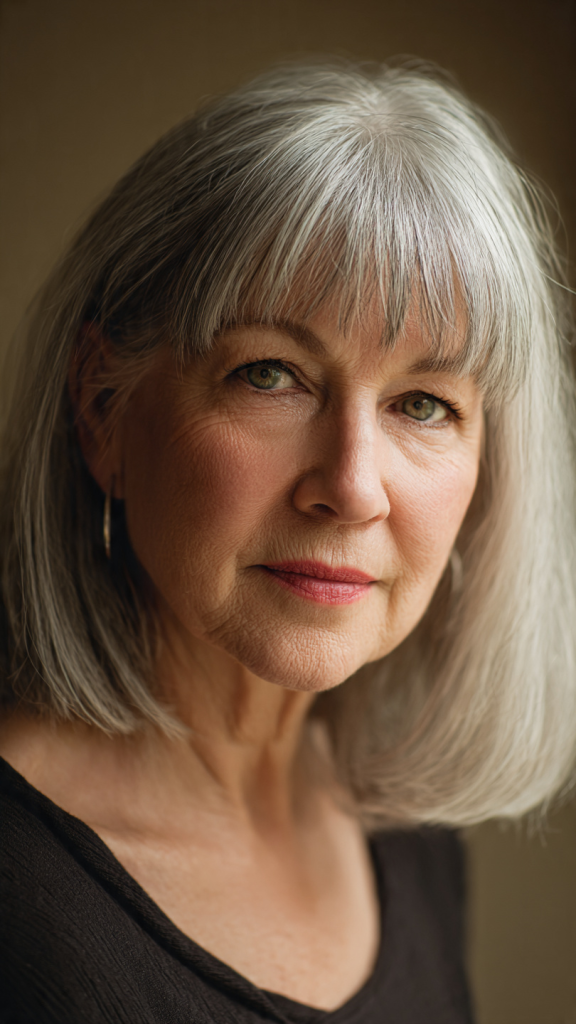
These are blunt bangs (straight across) but cut with wispy, texturized ends rather than a heavy solid line.
Why it works: The blunt shape adds density to thinning hairlines, while the wispy ends soften the look and prevent it from feeling severe.
How to style it: Blow-dry using a small round brush, pulling the bangs straight down. A flat iron can smooth them if needed. Keep the ends slightly piece-y.
Best face shapes: Oval, heart, diamond. Avoid if you have a very round face.
Maintenance needs: Trim every 3–4 weeks.
6. Curly Bangs
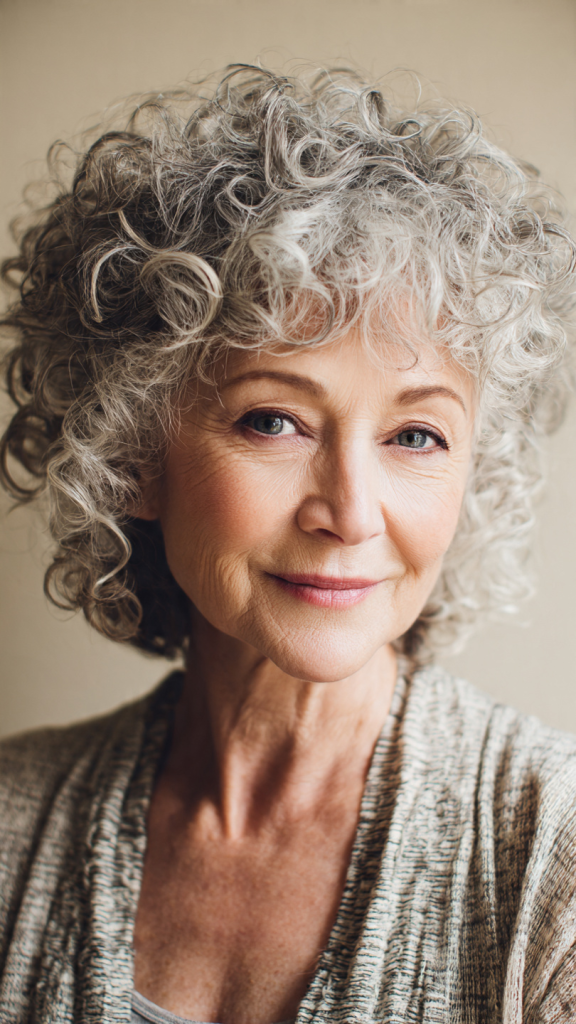
For women with natural curls or waves, curly bangs are cut to blend with your curl pattern. They can be short and springy or longer and swept.
Why it works: Curly bangs add volume and personality. They also hide forehead lines naturally because the curls create texture and shadows.
How to style it: On soaking wet hair, apply curl cream and define the bangs with your fingers. Diffuse or air-dry. Never brush curly bangs.
Best face shapes: Oval, heart, round. Curls flatter almost everyone.
Maintenance needs: Bangs every 4–5 weeks. Rest of hair every 8–10 weeks.
7. Choppy Bangs
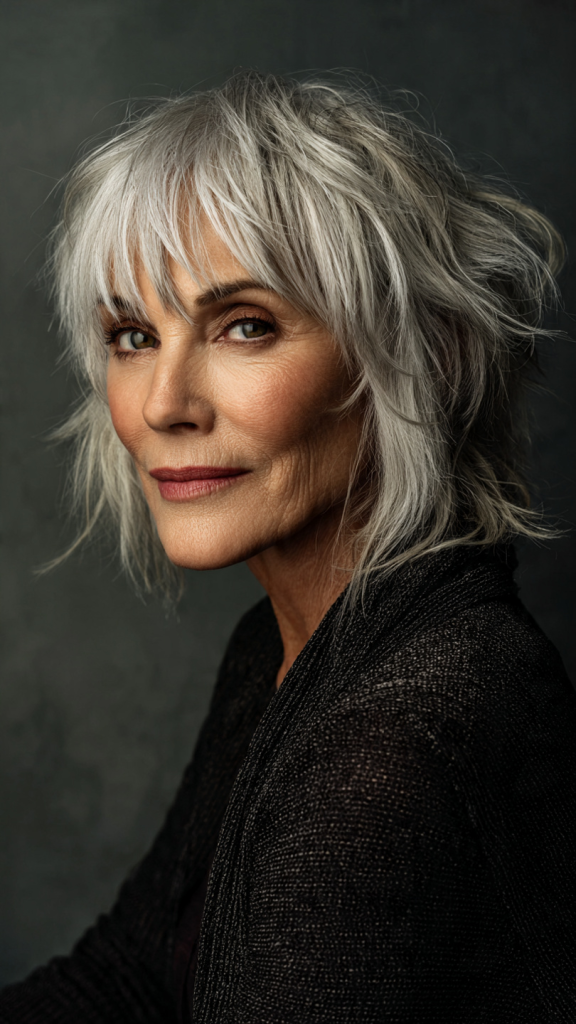
Choppy bangs are cut with uneven, textured ends. They are deliberately imperfect and edgy.
Why it works: The choppiness distracts from forehead lines and adds a modern, youthful energy. The uneven texture also hides grow-out between trims.
How to style it: Apply texturizing spray to damp bangs. Blow-dry using your fingers to create separation. A small amount of styling paste defines the choppy pieces.
Best face shapes: Oval, heart, square. The edginess flatters angular features.
Maintenance needs: Trim every 4–5 weeks.
8. Bottleneck Bangs
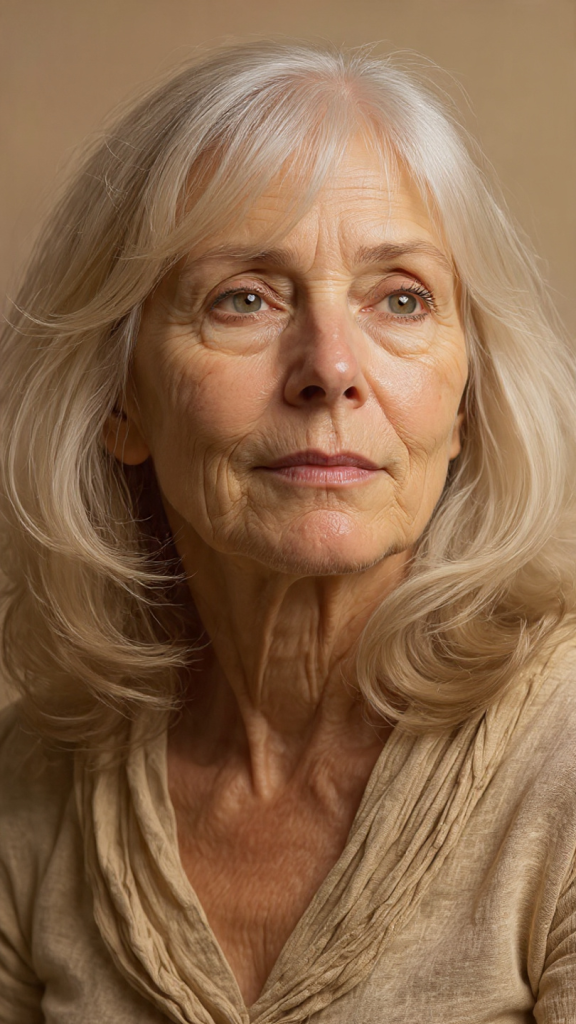
Bottleneck bangs are narrow at the center (like a bottle neck) and widen toward the cheekbones. They are a hybrid of curtain bangs and face-framing layers.
Why it works: The widening effect at the cheekbones balances a pointed chin and softens the face. The narrow center keeps the forehead visible.
How to style it: Blow-dry using a round brush, directing the bangs forward and then to each side. The widest part should hit at your cheekbones.
Best face shapes: Heart, oval, round. Ideal for heart-shaped faces.
Maintenance needs: Trim every 4–5 weeks.
9. Micro Bangs (Baby Bangs)
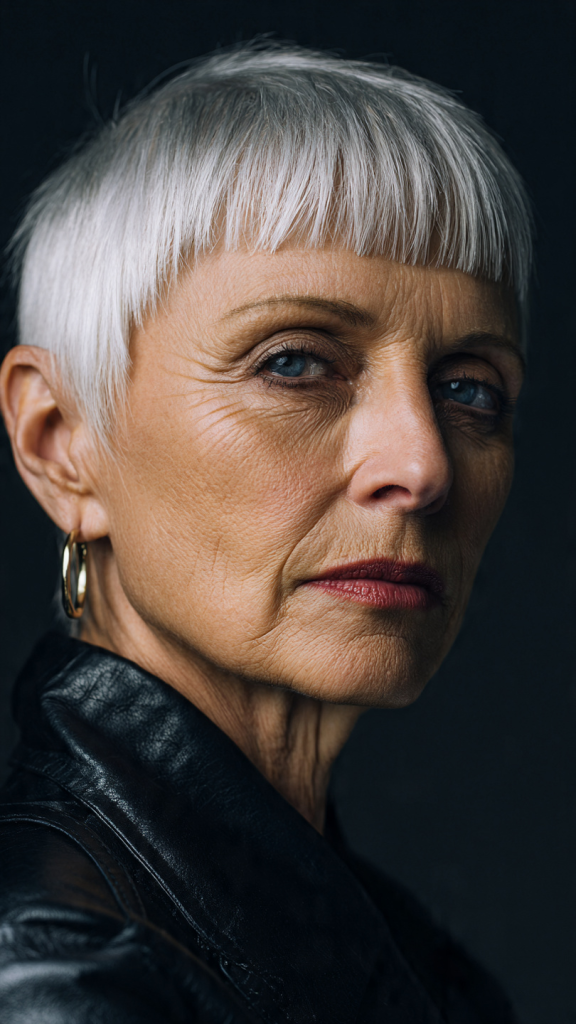
Micro bangs sit 1–2 inches above the eyebrows. They are short, bold, and dramatic.
Why it works: Micro bangs draw immediate attention to your eyes. The shortness also creates the illusion of higher forehead and longer face.
How to style it: Keep micro bangs pin-straight or slightly piece-y with a dab of texturizing paste. Do not curl them.
Best face shapes: Oval, heart, diamond. Avoid if you have a round face.
Maintenance needs: Trim every 2–3 weeks. These need very frequent upkeep.
10. Asymmetrical Bangs
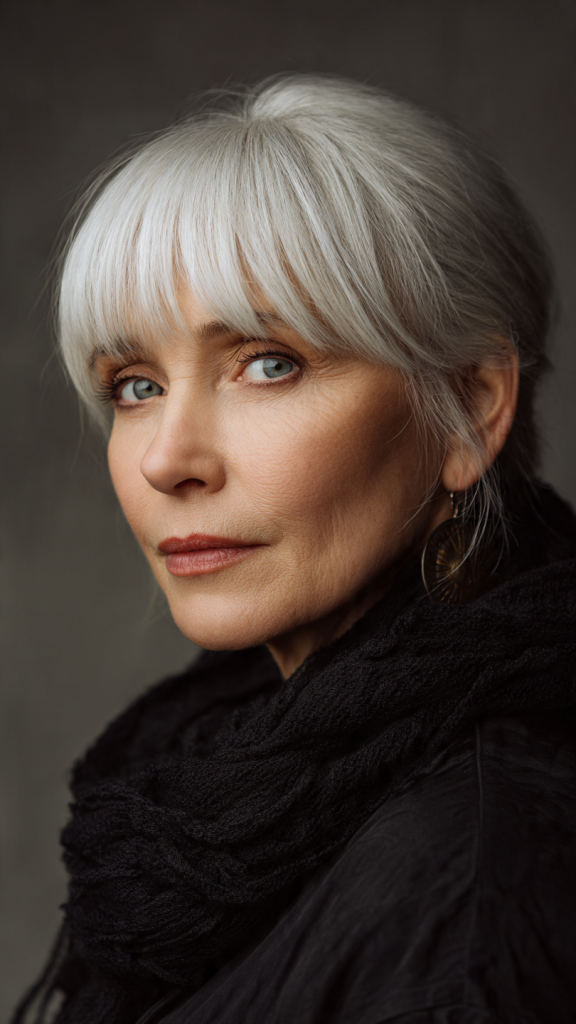
One side is longer than the other. The asymmetry is intentional and modern.
Why it works: Asymmetry draws the eye diagonally across the face, creating a slimming effect. It also adds visual interest without adding weight.
How to style it: Blow-dry using a round brush, directing the longer side across your forehead. The shorter side can be tucked or left loose.
Best face shapes: Oval, round, heart. The diagonal line flatters round faces.
Maintenance needs: Trim every 3–4 weeks.
11. See-Through Bangs (Korean Style)

See-through bangs are wispy, thin, and spaced out so you can see the forehead through them. They are very popular in Korean beauty trends.
Why it works: The lightness of see-through bangs does not overwhelm your face. They soften forehead lines without hiding your features completely.
How to style it: Blow-dry using a small round brush, pulling the bangs straight down but keeping them piece-y. A flat iron can add slight bends at the ends.
Best face shapes: Oval, heart, round. The lightness flatters all.
Maintenance needs: Trim every 3–4 weeks.
12. Textured Side Bangs
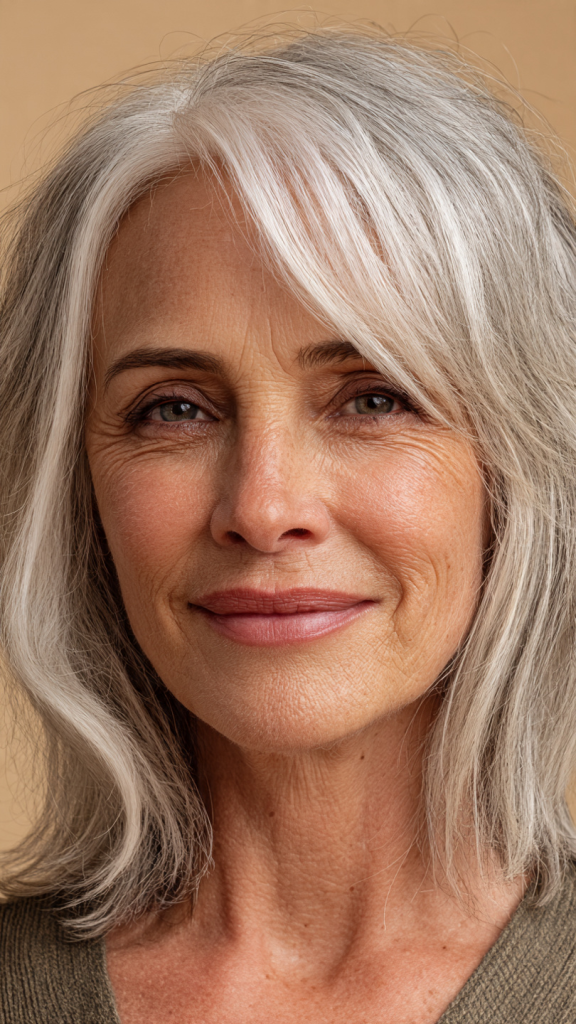
These are side-swept bangs with heavy texture throughout. The ends are point-cut and piece-y.
Why it works: The texture hides thinning and adds volume. The side-swept diagonal line elongates the face.
How to style it: Apply texturizing spray to damp bangs. Blow-dry sweeping to one side, using your fingers to create separation.
Best face shapes: Round, square, heart. The diagonal line is very flattering.
Maintenance needs: Trim every 4 weeks.
13. Rounded Curtain Bangs
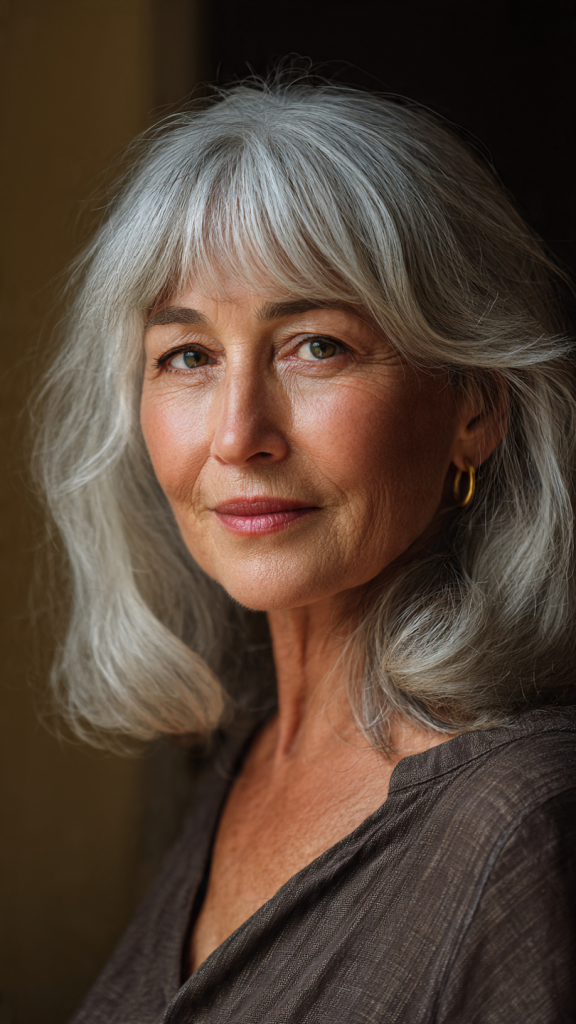
Similar to curtain bangs but with a softer, more rounded curve at the sides. The overall shape is gentler.
Why it works: The rounded shape softens angular features. The center opening adds vertical length.
How to style it: Blow-dry using a round brush, curving the bangs to each side in a soft C-shape.
Best face shapes: Oval, round, heart. The softness flatters all.
Maintenance needs: Trim every 5–6 weeks.
14. Piece-Y Bangs

Piece-y bangs are separated into visible individual pieces using texture and product. They are not smooth or uniform.
Why it works: The separation creates vertical lines that elongate the face. The texture hides forehead lines and thinning.
How to style it: Apply styling paste or wax to dry bangs. Use your fingers to separate into distinct pieces. Do not brush.
Best face shapes: Oval, round, square. The texture flatters all.
Maintenance needs: Trim every 4 weeks.
15. Arched Bangs
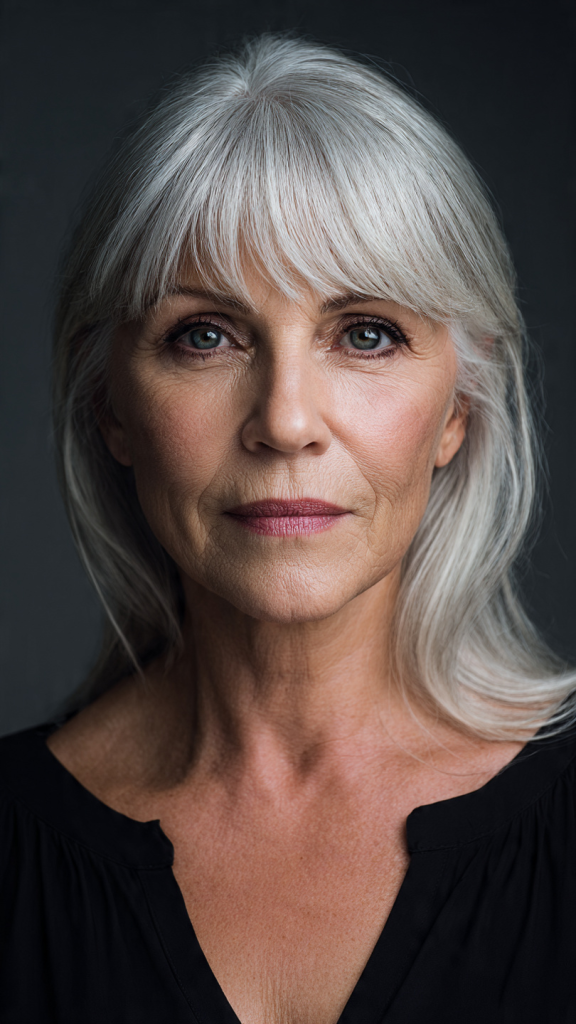
Arched bangs follow the natural curve of your eyebrows, creating a soft arch shape across the forehead.
Why it works: The arch draws the eye upward and highlights your eyebrows. The curved shape softens the face.
How to style it: Blow-dry using a round brush, shaping the bangs to follow your brow line. A flat iron can refine the arch.
Best face shapes: Oval, heart, diamond. The arch flatters defined brows.
Maintenance needs: Trim every 3–4 weeks.
16. Full Blunt Bangs with Soft Edges
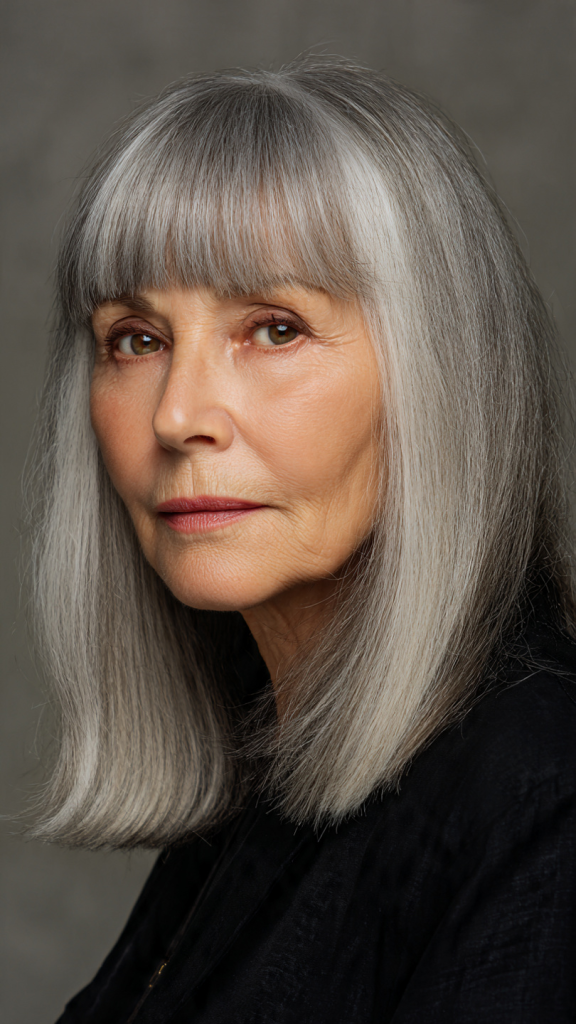
These are blunt bangs (straight across) but the edges are softened with point-cutting to avoid a harsh line.
Why it works: The fullness adds density to thinning hairlines. The soft edges prevent the severity that can age a face.
How to style it: Blow-dry using a round brush, pulling the bangs straight down. A flat iron smooths them. The ends should be slightly soft, not razor-sharp.
Best face shapes: Oval, heart, diamond. Avoid round faces.
Maintenance needs: Trim every 3–4 weeks.
17. Long Wispy Bangs
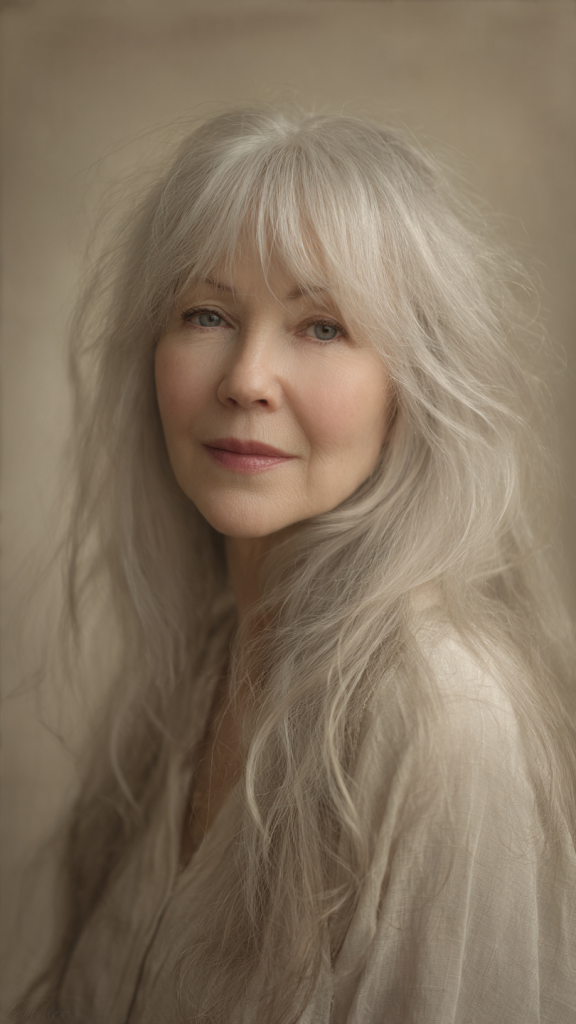
These bangs are longer than traditional wispy bangs—often reaching the eyelashes or nose. They are very thin and lightweight.
Why it works: The length creates a mysterious, romantic look. The wispiness softens everything without hiding your face.
How to style it: Blow-dry using a round brush, directing the bangs to the side or center. They can be worn sweeping across or parted.
Best face shapes: Oval, heart, round. The softness flatters all.
Maintenance needs: Trim every 4–5 weeks.
18. Cropped Curly Bangs
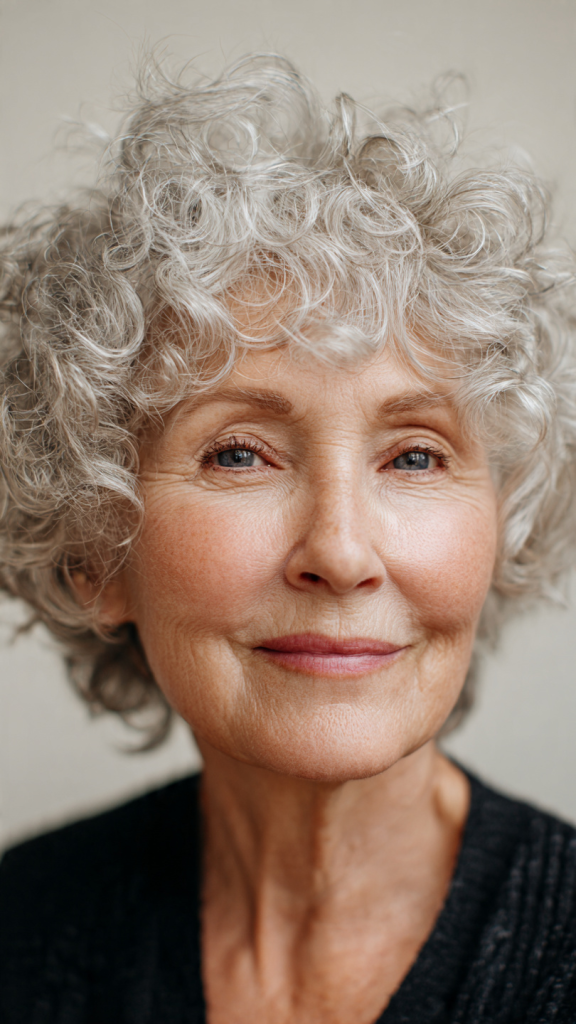
For curly hair, these bangs are cut very short—often 1–2 inches—so they curl up into springy ringlets above the eyebrows.
Why it works: The cropped length removes weight so curls can bounce up. The height adds vertical length to round faces.
How to style it: On soaking wet hair, apply curl cream and define the bangs. Diffuse or air-dry. The curls should spring up above your brows.
Best face shapes: Oval, heart, round. The height flatters round faces.
Maintenance needs: Bangs every 3–4 weeks. Rest of hair every 8–10 weeks.
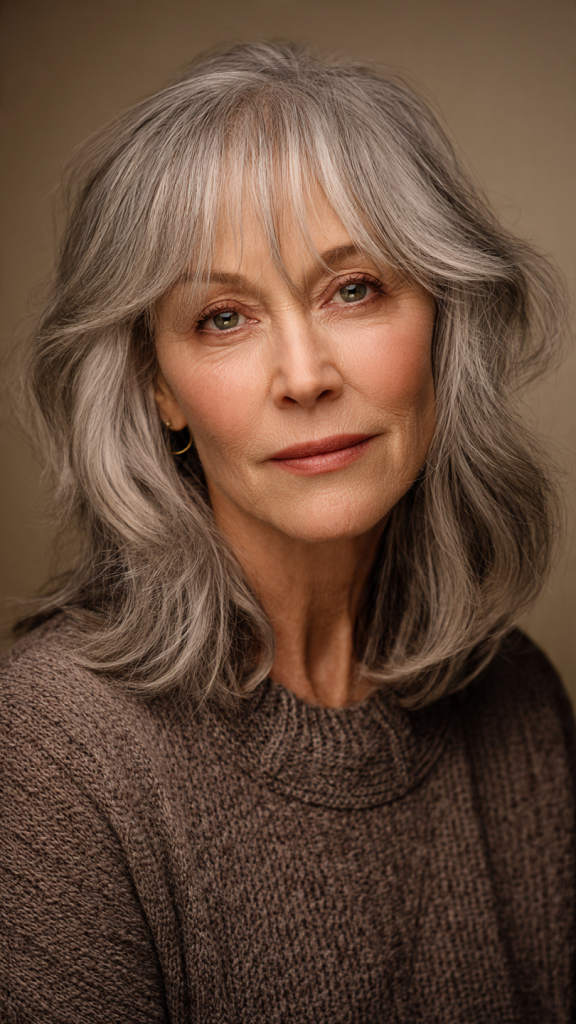
For women who do not want actual bangs, face-framing layers serve a similar purpose. These are longer pieces around the face that start at the cheekbones or chin.
Why it works: Face-framing layers soften your features and draw attention to your eyes, just like bangs, but without any forehead coverage. They are zero-maintenance.
How to style it: Blow-dry using a round brush, directing the face-framing pieces away from your face. Curl them slightly for added softness.
Best face shapes: Oval, round, square. The softness flatters all.
Maintenance needs: Trim every 6–8 weeks.
How to Choose the Right Bangs for Your Face Shape
| Face Shape | Best Bang Options | Avoid |
|---|---|---|
| Round | Curtain bangs, side-swept, long side-swept, textured side bangs | Blunt bangs, micro bangs |
| Oval | Almost anything | Very short micro bangs (optional) |
| Heart | Bottleneck bangs, curtain bangs, side-swept | Heavy blunt bangs |
| Square | Curtain bangs, feathered bangs, rounded curtain bangs | Blunt straight-across |
| Diamond | Side-swept, feathered, wispy blunt | Heavy full bangs |
| Long/Oblong | Blunt bangs, full bangs, micro bangs | Long bangs that add length |
How to Style Bangs for Women Over 60
Daily routine (2 minutes):
- Dampen bangs slightly with water from a spray bottle
- Blow-dry using a small round brush in the desired direction
- For side-swept: brush across the forehead
- For curtain: brush left side left, right side right
- For blunt: brush straight down
- Finish with a light touch of hairspray or dry shampoo for texture
Products to use:
- Lightweight mousse (for volume)
- Dry shampoo (for texture and oil control)
- Light-hold hairspray
- Texturizing spray
Products to avoid:
- Heavy gels or waxes (they make bangs look greasy)
- Oils (bangs get oily faster than the rest of your hair)
Quick Maintenance Cheat Sheet
| Bang Type | Trim Frequency | Special Notes |
|---|---|---|
| Wispy side-swept | 3–4 weeks | Easy to maintain |
| Curtain bangs | 5–6 weeks | Grows out gracefully |
| Feathered bangs | 4–5 weeks | Needs refreshing |
| Long side-swept | 4–5 weeks | Can go longer between trims |
| Wispy blunt | 3–4 weeks | Ends need softening |
| Curly bangs | 4–5 weeks | Curls hide growth |
| Choppy bangs | 4–5 weeks | Texture hides unevenness |
| Bottleneck bangs | 4–5 weeks | Shape needs upkeep |
| Micro bangs | 2–3 weeks | Most high-maintenance |
| Asymmetrical bangs | 3–4 weeks | Loses contrast quickly |
| See-through bangs | 3–4 weeks | Wispiness needs refreshing |
| Textured side bangs | 4 weeks | Texture hides growth |
| Rounded curtain bangs | 5–6 weeks | Grows out well |
| Piece-y bangs | 4 weeks | Separation needs refreshing |
| Arched bangs | 3–4 weeks | Arch shape needs precision |
| Full blunt with soft edges | 3–4 weeks | Blunt line shows growth |
| Long wispy bangs | 4–5 weeks | Length gives flexibility |
| Cropped curly bangs | 3–4 weeks | Curls grow out quickly |
| Face-framing layers (no bangs) | 6–8 weeks | Lowest maintenance |
Final Thoughts
Bangs are one of the quickest, most effective ways to refresh your look after 60. They soften forehead lines, brighten your eyes, and add density where thinning often occurs. The key is choosing the right bang style for your face shape and hair texture—and committing to the regular trims that bangs require. Bring photos from this guide to your stylist. Start with longer, wispier bangs if you are nervous. And enjoy the spark that a new fringe can bring to your face.
Leave a Reply