
For women over 50, low maintenance hairstyles offer the perfect blend of effortless beauty and everyday practicality, allowing you to look polished without spending hours in front of the mirror. As we age, our hair naturally changes—it may become finer, drier, or more prone to breakage—and the busy, full lives we lead demand haircuts that work with our schedules, not against them. The right hairstyle can boost confidence, frame your face beautifully, and reduce styling time to just minutes each morning. In this guide, you’ll discover 17 low maintenance hairstyles specifically chosen for women over 50, ranging from chic pixies to elegant bobs and everything in between. Each style includes detailed styling instructions, face shape recommendations, and maintenance schedules to help you find your perfect match.
Why Low Maintenance Hairstyles Work for Women Over 50
Hair texture and density often shift during and after menopause, making high-maintenance styles frustrating to manage daily. Embracing a low maintenance approach isn’t about giving up on style—it’s about working smarter with your hair’s natural tendencies. Here’s why these cuts are a game-changer for women over 50:
- Reduced styling time – Most of these styles take 5–10 minutes max to style, freeing up your morning for things you actually enjoy
- Less heat damage – Air-drying friendly styles mean less reliance on blow dryers, flat irons, and curling wands
- Works with changing texture – Cuts designed to accommodate thinning, wiry grays, or increased curl patterns without fighting your hair’s natural state
- Grow-out grace – Many styles look intentional even between salon visits, stretching your appointments to 6–8 weeks instead of every 4 weeks
- Volume enhancement – Strategic layering creates the illusion of fuller, thicker hair even if density has decreased
- Cooler and more comfortable – Shorter cuts reduce weight and increase airflow, a blessing during hot flashes or summer months
The 17 Low Maintenance Hairstyles
1. The Classic Pixie Cut
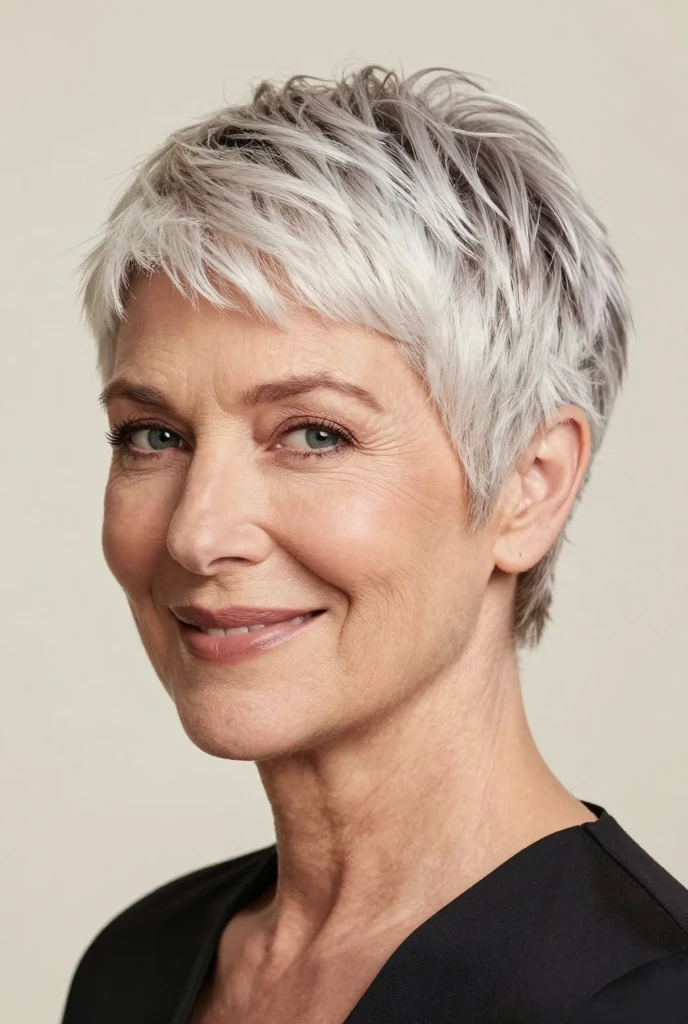
Why it works: The classic pixie is the ultimate low maintenance hairstyle because it literally requires a quick finger-comb and maybe a dab of product. It removes weight from fine hair, making it appear fuller, and keeps the silhouette clean and sophisticated. For women over 50, a well-cut pixie highlights cheekbones and eyes beautifully.
How to style it: Apply a pea-sized amount of lightweight styling paste or mousse to damp hair. Use your fingers to tousle the top forward while pushing the sides down. For extra lift, rough-dry with a blow dryer on low heat while scrunching with your fingers. Finish with a light hold hairspray only if needed. Total time: 3 minutes.
Best face shapes: Oval, heart, square, diamond (avoid if you have a very round face unless paired with height on top)
Maintenance needs: Trim every 4–6 weeks to maintain shape. The back and sides grow out fastest, so a “shape-up” between full cuts is sometimes needed.
2. The Long Pixie (Pixie Bob)
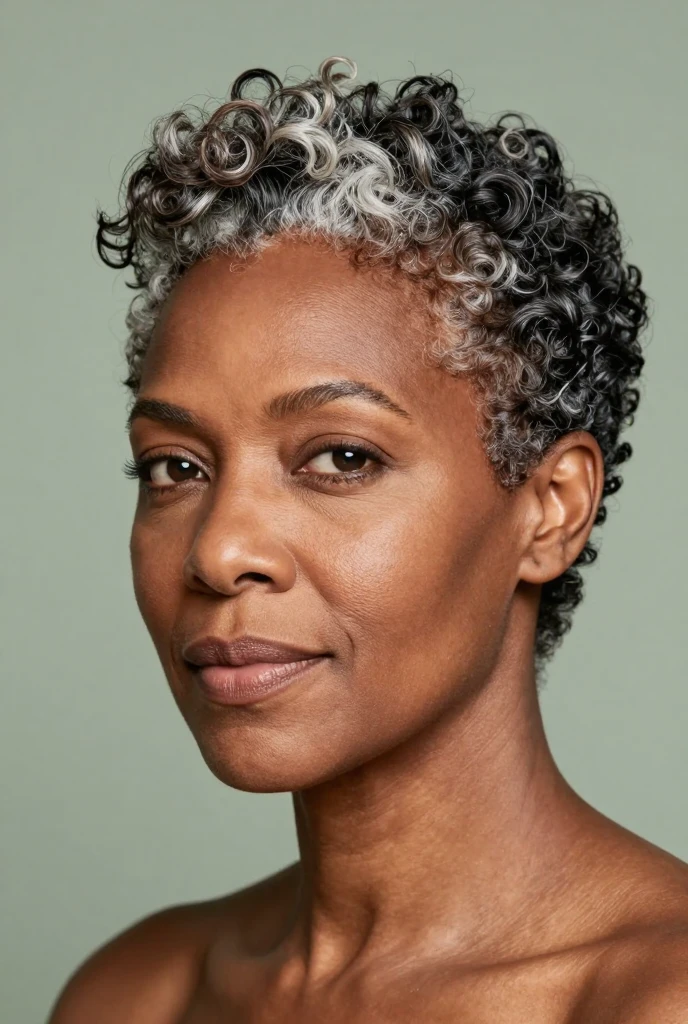
Why it works: The long pixie, sometimes called a “pixie bob,” offers more versatility than a traditional pixie while staying just as easy to manage. Extra length on top allows for soft sweeping or subtle volume, while the shorter back and sides keep things neat. This style is especially flattering for women with fine or thinning hair because it creates movement without weighing hair down.
How to style it: Apply volumizing mousse to roots only. Blow-dry forward using a round brush to lift the crown slightly—or simply air-dry for a piecey, textured look. Run a small amount of texturizing cream through the top sections to define separation. For special occasions, the longer top can be pinned back or lightly curled.
Best face shapes: Oval, round, heart, oblong (softens strong jawlines)
Maintenance needs: Trim every 5–7 weeks. The “bob” length at the nape may need more frequent tidying if you prefer it very short.
3. The Textured Bob

Why it works: A textured bob removes interior weight so hair falls naturally into place without precision cutting. The slight disconnection and choppy ends create the illusion of thicker, fuller hair—perfect for women whose hair has lost density. This cut also blends gray regrowth beautifully, making color maintenance optional rather than mandatory.
How to style it: Apply sea salt spray to damp hair and scrunch vigorously. Let air-dry completely, then shake out with fingers. For faster results, use a diffuser on low heat while scrunching. Do not brush—finger-combing preserves the texture. If your hair is straight, a quick pass with a flat iron bending the ends randomly adds artificial texture.
Best face shapes: All face shapes (adjust length accordingly—shorter for round faces, longer for oblong)
Maintenance needs: Trim every 6–8 weeks. The lived-in texture means this style actually looks better slightly grown out.
4. The French Bob
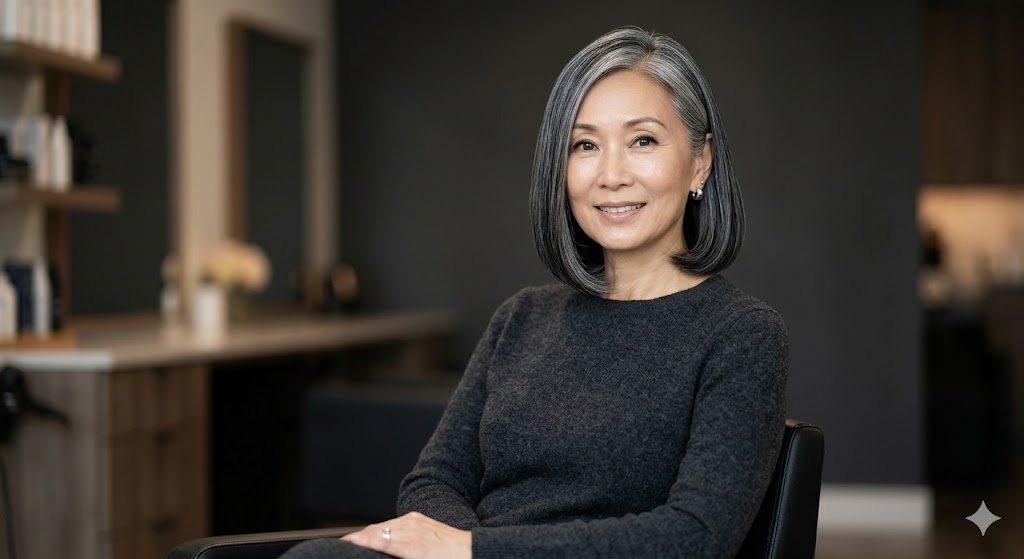
Why it works: The French bob is cropped between the earlobe and chin, often with a subtle undercurl at the ends. It’s effortlessly chic and requires almost no daily effort because the shorter length prevents tangles and bedhead. For women over 50, this style draws attention upward to the eyes and smile while minimizing neck and jawline concerns.
How to style it: Apply smoothing cream to damp hair. Tuck hair behind ears while it air-dries to encourage that signature curved-under shape. If you have natural wave or curl, use a diffuser and let the ends curl freely. Never use a straightener—the French bob celebrates imperfect, lived-in texture.
Best face shapes: Oval, heart, square (avoid if you have a very long face, as it can emphasize length)
Maintenance needs: Trim every 6 weeks. The blunt edge is key, so don’t stretch appointments beyond 8 weeks.
5. The Layered Lob (Long Bob)

Why it works: The layered lob hits between the chin and collarbone, offering the ease of short hair with the styling options of longer hair. Layers remove weight and add movement, making this ideal for women with thick, heavy hair that feels overwhelming. It’s also one of the most forgiving grow-out cuts—you can easily go 10 weeks between trims.
How to style it: Apply heat protectant and volumizing spray to roots. Blow-dry using a large round brush, lifting at the roots for volume. For a second-day refresh, dry shampoo at the roots and a quick flat iron curl bending away from the face on each side. Air-drying works too if you have natural texture.
Best face shapes: All face shapes (universally flattering)
Maintenance needs: Trim every 8–10 weeks. The layers disguise uneven growth exceptionally well.
6. The Blunt Bob with Soft Ends
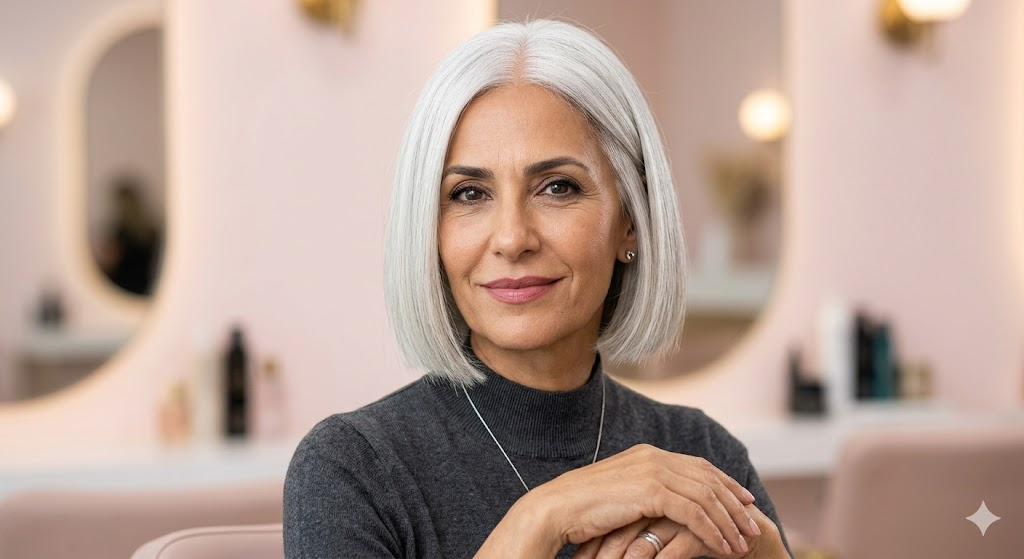
Why it works: A blunt bob creates the appearance of maximum density because every hair ends at the same point, forming a solid visual line. Softening the very ends (micro-point cutting) prevents the “helmet head” look while keeping the weight line intact. This style is ideal for very fine or thin hair because it eliminates wispy, see-through ends.
How to style it: Apply lightweight mousse to damp hair. Blow-dry using a flat paddle brush, directing all hair straight down. Once dry, use a flat iron to bend the last inch of hair under slightly—or leave straight for a modern look. Finish with shine spray to emphasize the blunt line.
Best face shapes: Oval, oblong, square (adds width to very narrow faces)
Maintenance needs: Trim every 5–6 weeks. The blunt line shows every uneven hair, so stay on schedule.
7. The Shag Cut
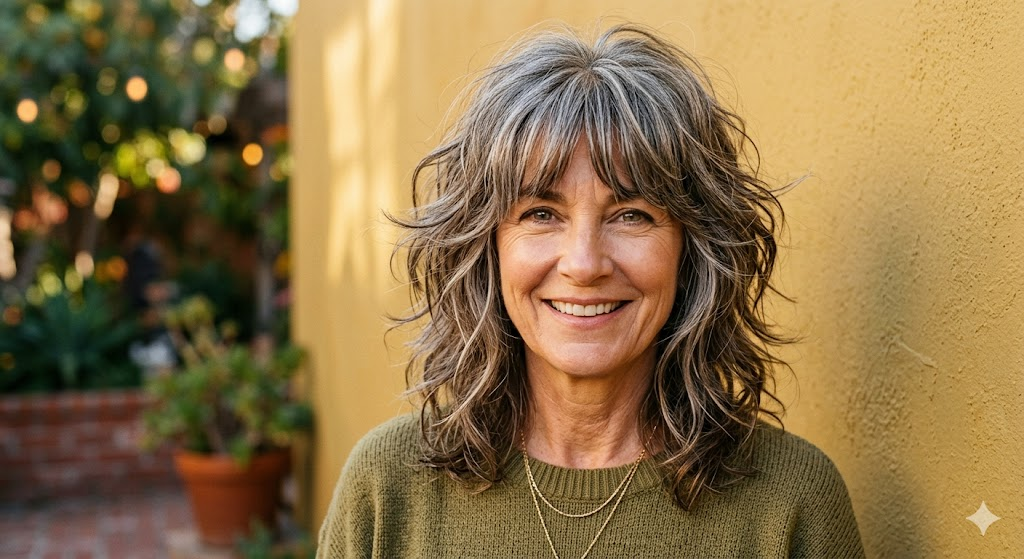
Why it works: The modern shag is built on heavy layering, texture, and often bangs—meaning it’s designed to look intentionally mussy. For women over 50 with naturally wavy or curly hair, the shag is a dream because it works with your pattern instead of against it. The layers also hide thinning areas by creating surface texture.
How to style it: Apply curl cream or wave spray to soaking wet hair. Flip head upside down and scrunch vigorously. Use a diffuser on medium heat until 80% dry, then air-dry the rest. Never brush—use a wide-tooth comb only when wet. To refresh, mist with water and re-scrunch.
Best face shapes: Oval, heart, round (the texture softens angular faces)
Maintenance needs: Trim every 8–12 weeks. Shags actually improve with grow-out because layers get softer and more lived-in.
8. The Curly Pixie
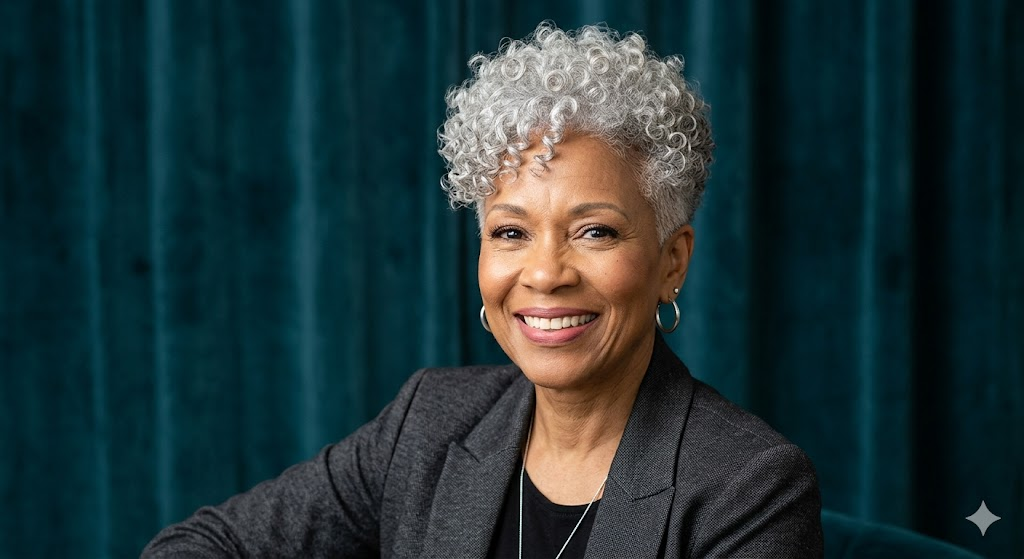
Why it works: Natural curls or permed textures in a cropped pixie shape create instant volume and definition with zero heat styling. This cut removes weight so curls spring up tighter and bouncier, making hair appear denser and more youthful. For women whose hair has become curlier with age (a common hormonal change), this cut celebrates that new texture.
How to style it: Apply leave-in conditioner and curl gel to very wet hair. Use fingers to define individual curl clumps. Diffuse upside down on low heat until 90% dry, then air-dry. Once completely dry, scrunch out the crunch with a drop of oil on your palms. Never touch until fully dry.
Best face shapes: Oval, heart, square (avoid if you have a very long face—the width can exaggerate length)
Maintenance needs: Trim every 6–8 weeks to maintain shape. Dry cuts are recommended because wet cutting doesn’t account for curl shrinkage.
9. The Asymmetrical Bob
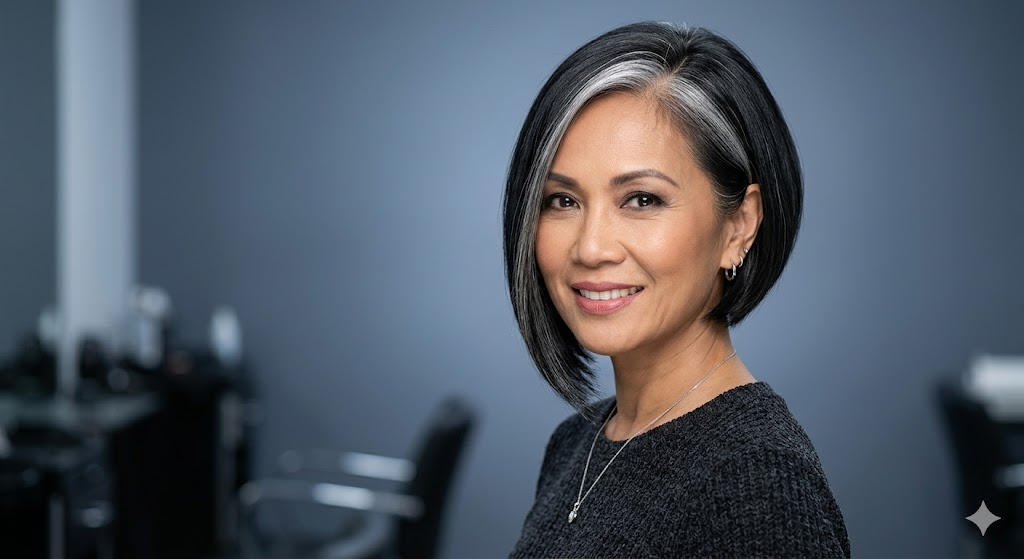
Why it works: An asymmetrical bob is shorter in the back and longer in the front, often with a dramatic angle from nape to chin. This shape creates lift at the crown naturally and draws the eye diagonally, which has a face-lifting effect. For women over 50, asymmetry adds modern edge without requiring complicated styling.
How to style it: Apply texturizing spray to dry hair only (this style is best styled dry). Use a flat iron to smooth the longer front sections, bending the ends under. The shorter back usually falls into place—just finger-comb forward. Add dry wax to the ends of the long piece for separation.
Best face shapes: Oval, round, heart (the angle slims fuller faces)
Maintenance needs: Trim every 5–7 weeks. The angle must be maintained, but the back grows out faster than the front.
10. The Cropped French Crop
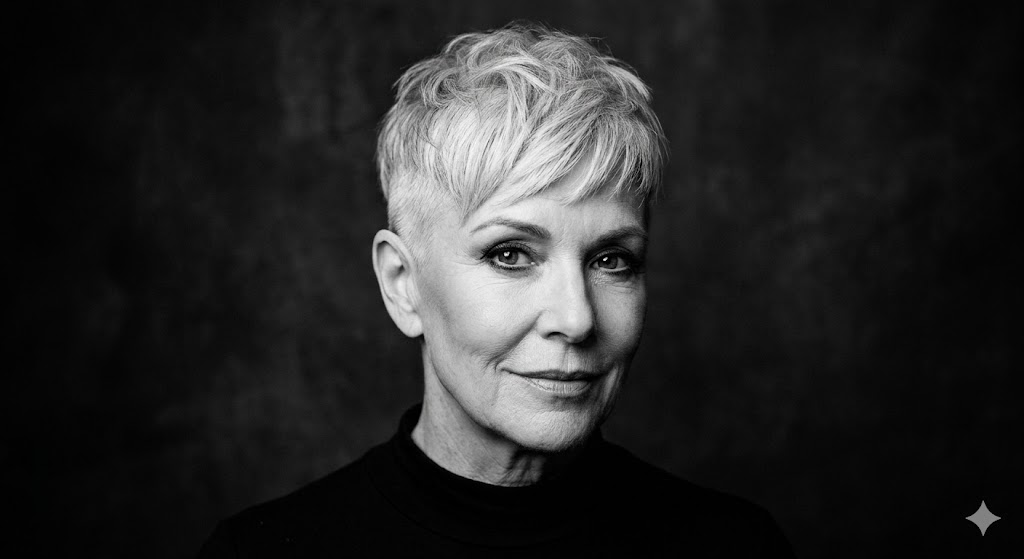
Why it works: The French crop features short, textured sides and back with a slightly longer, choppy top that is often swept forward. It’s essentially a ultra-low maintenance men’s-inspired cut adapted for women, requiring literally zero styling tools. For women with very fine or thinning hair, this cut makes scalp less visible by keeping length minimal.
How to style it: Apply matte styling paste to completely dry hair. Rub between palms to warm the product, then rake through the top section pushing everything forward toward your forehead. That’s it. No blow dryer, no brushes, no mirrors required.
Best face shapes: Oval, heart, square (best for strong bone structure)
Maintenance needs: Trim every 4–5 weeks. The clipper-cut back and sides need frequent upkeep, but the style is so simple that many women learn to trim the back themselves between salon visits.
11. The Side-Swept Pixie
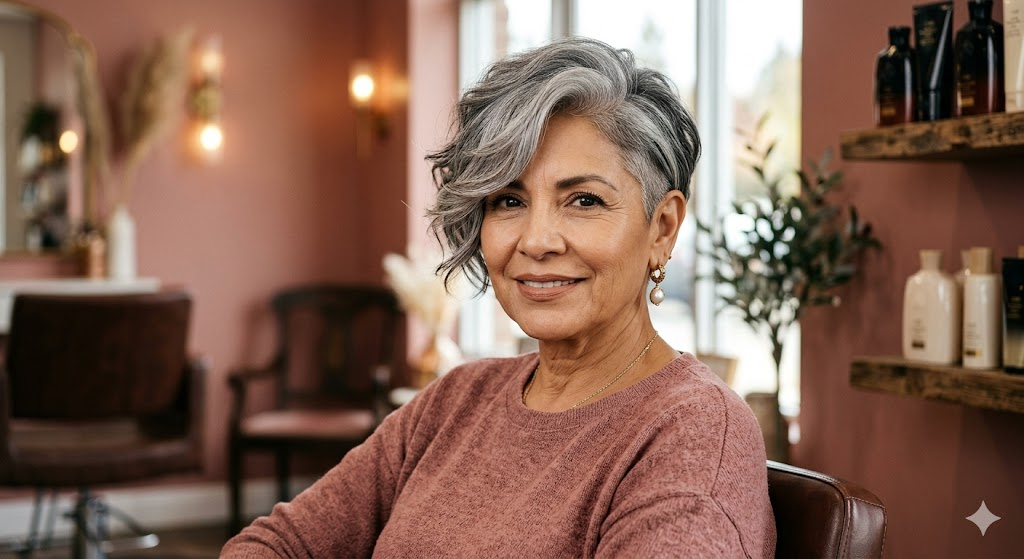
Why it works: A side-swept pixie keeps all the length angled across the forehead rather than standing up, creating a soft, feminine line. The deep side part adds instant lift at the roots without volumizing products. This is an excellent choice for women with prominent foreheads or fine hair because the sweep covers and flatters.
How to style it: Apply lightweight mousse to damp roots only. Blow-dry using your fingers, directing all hair to one side. Once dry, use a round brush to smooth just the long top piece. Lock the side-sweep in place with light hairspray on a toothbrush—brush over the part line to control flyaways.
Best face shapes: Oval, round, heart, diamond (softens all face shapes)
Maintenance needs: Trim every 5–6 weeks. The fringe piece grows out fast and will fall into your eyes.
12. The Wavy Shoulder-Length Cut

Why it works: Shoulder-length hair with long, subtle layers is the Goldilocks of low maintenance styles—not too short, not too long. The weight of the hair pulls natural waves into a consistent, flattering pattern without frizz. For women over 50 with medium-density hair that has lost some curl, this length provides just enough weight to control without pulling out wave.
How to style it: Apply curl-enhancing cream to damp hair. Scrunch section by section with a microfiber towel. Air-dry completely—about 45 minutes for medium hair. Once dry, use a 1-inch curling iron on just the face-framing pieces to polish the look. This is the ultimate wash-and-go style.
Best face shapes: All face shapes (most universally flattering length)
Maintenance needs: Trim every 10–12 weeks. Long layers hide grow-out beautifully.
13. The Stacked Bob
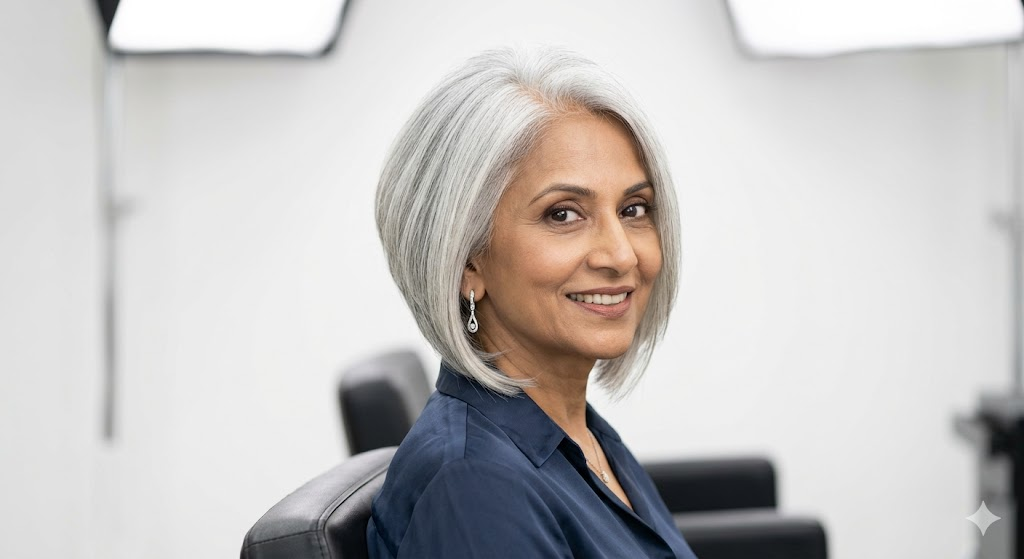
Why it works: A stacked bob has graduated layers in the back that create a built-in bump of volume at the crown. The interior stacking lifts fine or flat hair instantly, and the shorter back keeps the neck cool and tidy. For women with very fine, straight hair, this cut adds more volume than any other style on this list.
How to style it: Apply volumizing foam to damp hair. Blow-dry using a round brush, focusing on lifting the stacked section upward and backward. The front can be blown smooth or left to air-dry. Finish with a dry texture spray at the roots for all-day lift.
Best face shapes: Oval, round, heart (avoid if you have a very thin, narrow face—the back volume adds width)
Maintenance needs: Trim every 5–6 weeks. The stacked interior loses its lift quickly if the graduation grows out.
14. The Micro Bob (Ear-Length)
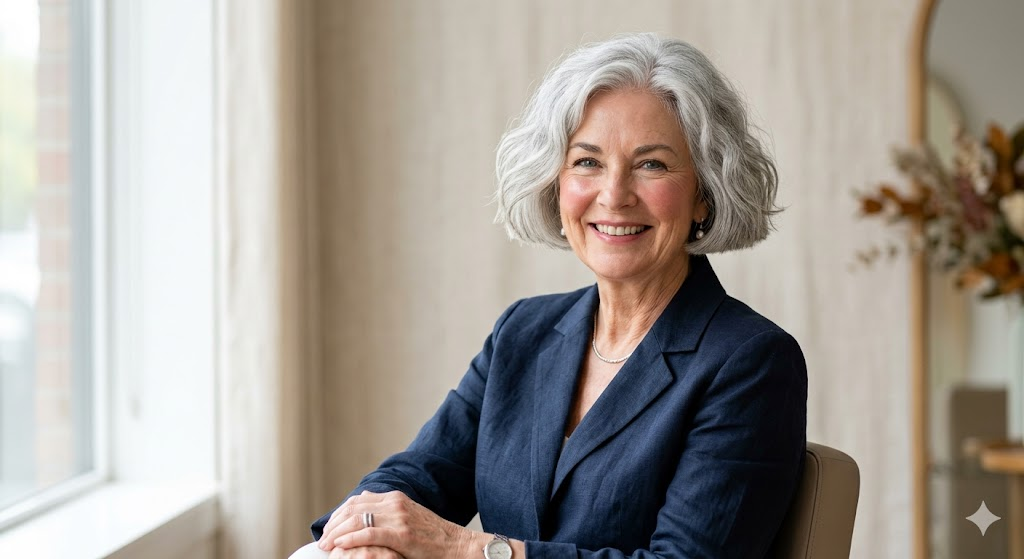
Why it works: The micro bob is cropped right at or slightly below the earlobe, making it shorter than a traditional bob but longer than a pixie. This length requires almost no styling because the hair isn’t long enough to tangle or misbehave. For women over 50 with active lifestyles or hot climates, this cut is a revelation.
How to style it: Apply smoothing balm to damp hair. Comb straight back away from your face, then let hair fall naturally. The shortness means it will dry in whatever direction it wants—and that’s the charm. If you have cowlicks, a small round brush on just that section for 30 seconds solves everything.
Best face shapes: Oval, heart, square (very short lengths require strong bone structure)
Maintenance needs: Trim every 4–5 weeks. Any growth beyond the earlobe changes the proportion entirely.
15. The Textured Crop with Undercut
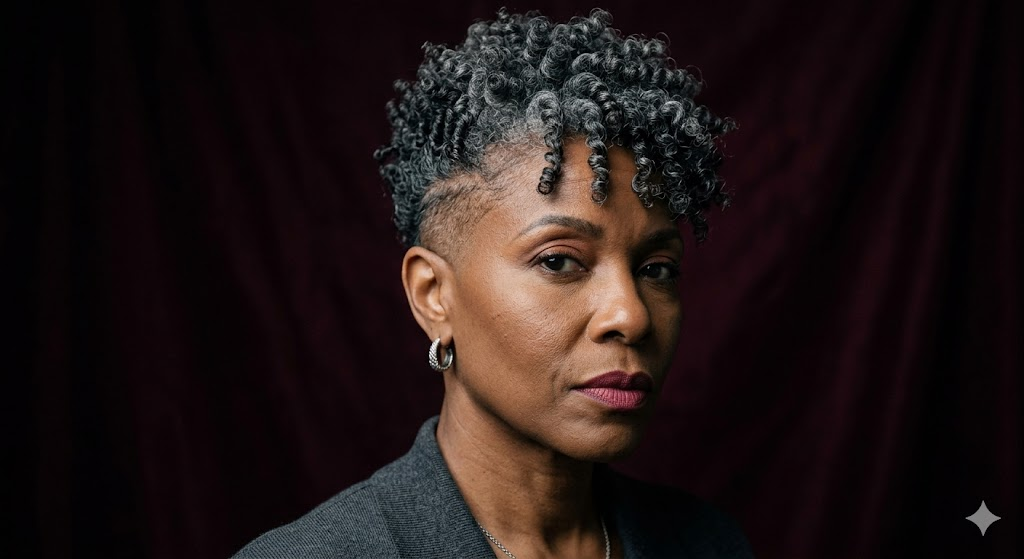
Why it works: An undercut removes hair from the nape and sometimes behind the ears, leaving only the top and crown. This dramatically reduces bulk for women with thick, coarse, or curly hair while creating a modern, edgy silhouette. The undercut also means you can go weeks longer between trims because the shaved section hides grow-out.
How to style it: Apply molding paste to dry hair. Rub between palms, then pull and twist sections of the top hair into piecey texture. The undercut requires nothing—it’s shaved. For a more polished look, smooth the top over to one side with a fine-tooth comb.
Best face shapes: Oval, heart, diamond (best for confident, edgy personal style)
Maintenance needs: Trim every 6–8 weeks for the top; undercut needs refreshing every 3–4 weeks if you keep it shaved, or you can let it grow to a short fuzz.
16. The Curly Lob
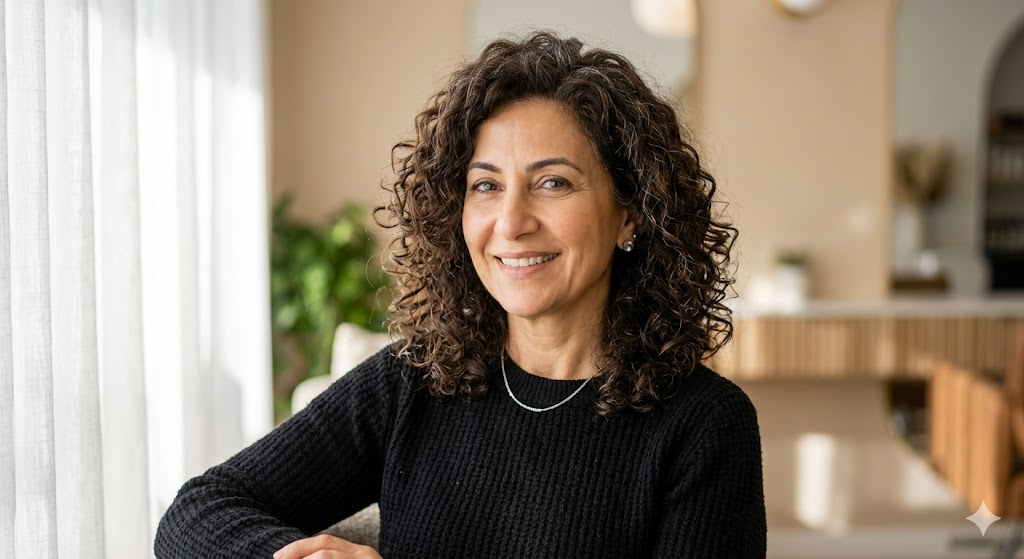
Why it works: The curly lob (long bob for curls) hits between the chin and shoulder when dry, accounting for curl shrinkage. This length allows curls to form their full spring pattern without being weighed down by excessive length. For women with naturally curly or permed hair, this cut eliminates frizz because the weight is perfectly balanced.
How to style it: Apply leave-in conditioner and curl custard to dripping wet hair. Finger-coil large sections to encourage definition. Diffuse upside down on low heat until a cast forms, then air-dry. Do not touch until 100% dry. Flip over and shake at the roots for volume.
Best face shapes: Oval, round, heart (the width flatters long, narrow faces)
Maintenance needs: Trim every 8–10 weeks. Curl cuts are best done on dry, styled hair so the stylist can see the true pattern.
17. The Tapered Nape Pixie
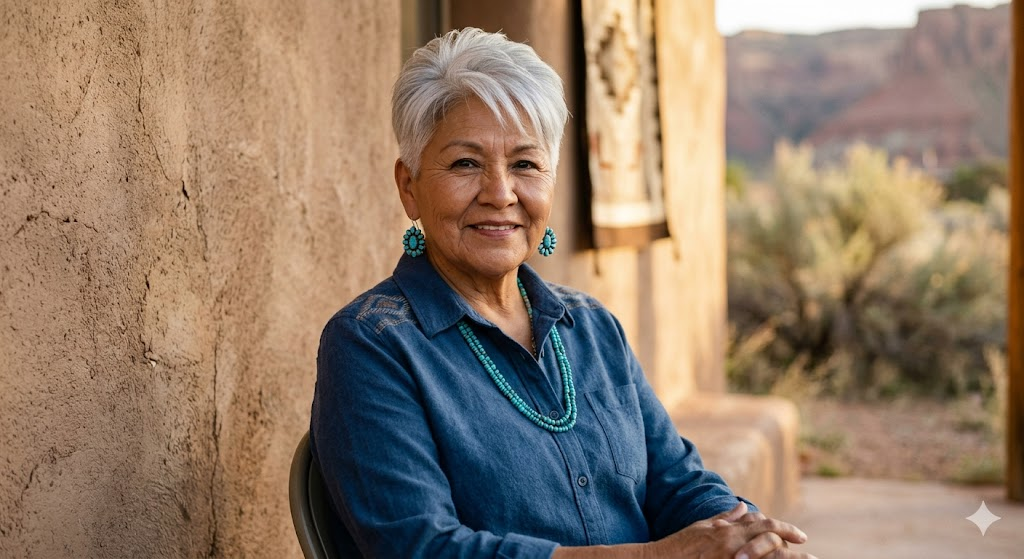
Why it works: A tapered nape pixie keeps length on top while the back and sides are clipper-tapered very short, blending seamlessly. This creates a clean, polished silhouette that looks intentional even when bedhead strikes. For women over 50 who wear glasses or hearing aids, the tapered sides eliminate hair getting caught in frames or devices.
How to style it: Apply styling cream to damp hair on top only. Use a small round brush to lift the crown while blow-drying. The tapered sections dry instantly with a towel. Run wax through the top length for separation, pushing it slightly forward.
Best face shapes: Oval, square, oblong (the clean lines suit sharper features)
Maintenance needs: Trim every 5–6 weeks. The taper requires precision, but the top can go longer between cuts.
How to Style Low Maintenance Hairstyles (Quick Tips for Daily Routines)
Building a 5-minute routine is the secret to making any low maintenance hairstyle work for your lifestyle. Here’s how to streamline your process:
- Invest in dry shampoo – Apply to roots before bed, not in the morning. This gives product time to absorb oil overnight. Batiste and Klorane are excellent for grey or silver hair without white residue.
- Master the pineapple – For curly and wavy hair, pile hair loosely on top of your head in a silk scrunchie at night. Morning shake-out = refreshed curls.
- Use a silk pillowcase – Reduces friction, prevents bedhead, and extends your style by 2–3 days. This is non-negotiable for low maintenance success.
- Keep a water spray bottle – Mist, scrunch, go. Water reactivates most styling products without adding buildup.
- For straight styles: hot brushes over flat irons – A heated round brush (like Revlon One-Step) styles and dries simultaneously, cutting time in half.
- Embrace texture sprays – Oribe Dry Texturizing Spray or Not Your Mother’s Beach Babe adds grip and volume to second-day hair instantly.
- The cold shot rule – Always finish blow-drying with 10 seconds of cold air to seal the cuticle. This locks style and adds shine.
- Fine hair trick – Apply mousse to completely dry roots (not damp) for triple the volume. The product has nothing to weigh down.
Quick Maintenance Cheat Sheet
| Cut Style | Trim Frequency | Special Notes |
|---|---|---|
| Classic Pixie | 4–6 weeks | Back and sides need most frequent attention |
| Long Pixie | 5–7 weeks | Top can go longer; nape needs shaping |
| Textured Bob | 6–8 weeks | Grows out gracefully; skip one trim intentionally |
| French Bob | 6 weeks | Blunt edge is essential; don’t skip |
| Layered Lob | 8–10 weeks | Most forgiving grow-out period |
| Blunt Bob | 5–6 weeks | Every uneven hair shows; stay strict |
| Shag Cut | 8–12 weeks | Looks better with grow-out |
| Curly Pixie | 6–8 weeks | Always cut dry to see true curl pattern |
| Asymmetrical Bob | 5–7 weeks | Angle maintenance is key |
| Cropped French Crop | 4–5 weeks | Learn nape trimming for between visits |
| Side-Swept Pixie | 5–6 weeks | Fringe grows fastest |
| Wavy Shoulder-Length | 10–12 weeks | Longest interval on this list |
| Stacked Bob | 5–6 weeks | Interior graduation loses lift quickly |
| Micro Bob | 4–5 weeks | Earlobe length is the target |
| Textured Crop with Undercut | 6–8 weeks (top); 3–4 weeks (undercut) | Undercut can be extended to fuzz |
| Curly Lob | 8–10 weeks | Dry cuts only |
| Tapered Nape Pixie | 5–6 weeks | Taper requires precision |
Final Thoughts
Choosing a low maintenance hairstyle doesn’t mean sacrificing style or settling for boring—it means working with your hair’s natural texture, your busy schedule, and the beautiful changes your hair has earned over 50 years. The 17 options above prove that effortless can also be elegant, whether you prefer a sleek blunt bob or a piecey textured crop. Bookmark this guide, take it to your stylist, and don’t be afraid to try something new. Your perfect cut is out there—one that saves you time, boosts your confidence, and lets you wake up looking polished in five minutes flat. Ready to make the chop? Your stylist is waiting.
Leave a Reply